
Have you ever wondered if your dog is getting just the right amount of exercise? Too little, and they might get restless or even develop health issues.
Too much, and you risk tiring them out or causing injury. Finding that perfect balance is key to keeping your furry friend happy and healthy. You’ll discover exactly how much daily exercise your dog needs, tailored to their breed, age, and energy levels.
Stick with me, and you’ll learn simple ways to keep your dog fit, active, and joyful every single day.
Daily Exercise Needs
Dogs need exercise every day to stay healthy and happy. Exercise helps keep their muscles strong and their minds sharp. Without enough activity, dogs can become bored and develop bad habits. The amount of exercise a dog needs changes based on several factors. Understanding these can help you give your dog the right amount of daily exercise.
Factors Influencing Exercise Time
Not all dogs need the same amount of exercise. Size, energy level, and lifestyle affect how much time a dog should be active. Active dogs need longer walks or play sessions. Less active dogs may need shorter, gentle exercise. Weather also plays a role. Hot or cold days might limit outdoor activity. Watch your dog’s behavior to adjust exercise time.
Breed-specific Requirements
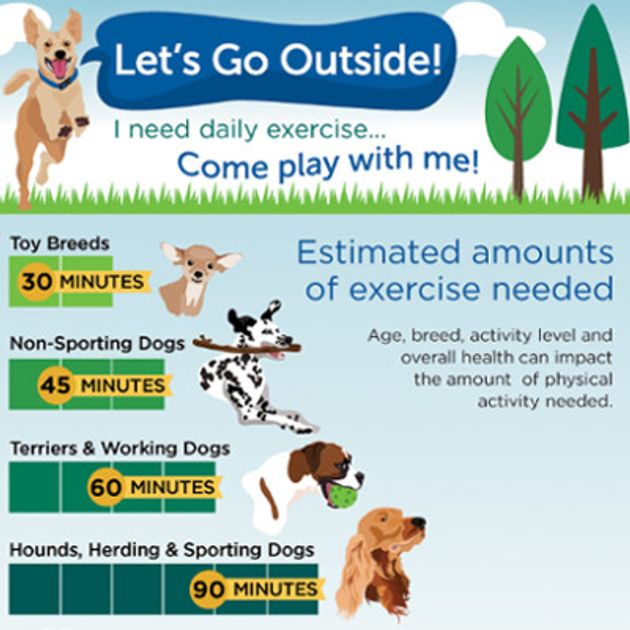
Different breeds have different exercise needs. Working breeds like Border Collies need more daily activity. Small breeds like Chihuahuas usually need less exercise. Some dogs are natural runners, others prefer short bursts of play. Breed traits guide how much exercise your dog should get. Matching activity to breed keeps dogs healthy and happy.
Age And Health Considerations
Age changes how much exercise a dog needs. Puppies have lots of energy but need short, frequent play. Adult dogs usually need steady, moderate exercise daily. Older dogs may need gentler, shorter walks. Health problems also affect exercise time. Dogs with joint issues or heart conditions need special care. Always check with a vet for the right plan.
Types Of Exercise For Dogs
Dogs need different types of exercise to stay healthy and happy. Exercise helps their muscles, heart, and mind. Different activities keep dogs interested and active. Mixing exercises can meet their physical and mental needs. Here are some common types of exercise for dogs.
Walking And Running
Walking is the easiest exercise for dogs. It helps burn energy and keeps joints strong. Running is great for high-energy dogs. It builds stamina and muscles. Both walking and running improve heart health. Regular walks prevent boredom and bad behavior. Use a leash for safety and control. Choose safe paths and avoid hot pavement.
Playtime And Interactive Games
Playtime is fun and healthy. Playing fetch helps dogs run and jump. Tug-of-war builds strength and trust. Interactive toys keep dogs busy and happy. Games improve coordination and agility. Playtime strengthens the bond between owner and dog. It also helps reduce stress and anxiety.
Training And Mental Stimulation
Training exercises the dog’s brain. Teaching new tricks challenges their mind. Puzzle toys make dogs think and solve problems. Mental work tires dogs as much as physical play. Training improves behavior and obedience. It builds confidence and focus. Mental stimulation is important for smart breeds.
Signs Of Adequate Exercise
Knowing the signs of adequate exercise helps keep your dog happy and healthy. Dogs need the right amount of activity to stay fit and avoid behavior problems. Watch for clues that your dog is getting enough exercise each day.
Behavioral Indicators
A well-exercised dog is calm and relaxed at home. They show less restlessness or destructive chewing. Your dog may greet you happily but then settle down quietly. Good sleep patterns also signal enough physical activity. Dogs that pace, bark, or dig often need more exercise.
Physical Health Signs
Healthy weight and muscle tone show proper exercise. Your dog’s coat looks shiny and skin feels healthy. Strong legs and good stamina during walks are positive signs. Normal breathing and heart rate after activity matter too. Lack of stiffness or soreness means the exercise suits your dog’s age and breed.
:max_bytes(150000):strip_icc()/pet-exercise-chart-with-dp-logo-f48007a53be34f0dbaf5848b9e1bf60d.png)
Adjusting Exercise Routines
Adjusting your dog’s exercise routine helps keep them healthy and happy. Dogs need different amounts of activity depending on many factors. Tailoring their daily exercise ensures they get the right balance of rest and play. Changing routines also prevents boredom and overexertion. Pay close attention to your dog’s needs to make smart changes.
Seasonal Changes
Weather affects how much exercise your dog can handle. Hot summers can make long runs unsafe. Try shorter walks in the morning or evening when it is cooler. In winter, some dogs need less outdoor time. Use indoor games to keep them active. Watch your dog for signs of discomfort in any season.
Injury And Recovery
Injuries require changes in exercise to help healing. Reduce activity to avoid making injuries worse. Gentle walks and light play support recovery. Follow your vet’s advice on when to increase activity. Gradually return to the normal routine as your dog heals. Rest and patience speed up recovery.
Busy Schedules
Busy days can limit time for long walks. Break exercise into shorter sessions throughout the day. Play quick games like fetch or tug-of-war indoors. Mental stimulation also helps tire your dog. Use training tricks to keep their mind active. Even small bursts of activity make a big difference.
Safety Tips During Exercise
Exercise is important for a dog’s health and happiness. Yet, safety must come first during daily activities. Dogs can get tired, thirsty, or hurt if owners do not watch closely. Taking simple safety steps helps dogs enjoy exercise without problems. Here are key tips to keep your dog safe and healthy while exercising.
Hydration And Rest
Water is vital for dogs during exercise. Always carry fresh water for your dog. Offer water breaks every 15 to 20 minutes. Watch your dog’s behavior for signs of thirst or fatigue. Rest breaks help dogs cool down and recover energy. Short rests prevent overheating and exhaustion. Never force your dog to keep going when it looks tired.
Avoiding Overexertion
Dogs can overdo exercise just like people. Start with short sessions and increase time slowly. Know your dog’s breed and age limits. Puppies and older dogs need less exercise. Watch for heavy panting, drooling, or limping. These signs show your dog is overexerted. Stop activity immediately to avoid injury. Exercise should be fun, not harmful.
Safe Exercise Environments
Choose safe places for your dog’s daily exercise. Avoid busy roads or areas with broken glass. Use fenced parks or quiet trails for walks and play. Keep your dog on a leash if the area is not secure. Check the ground temperature on hot days. Hot pavement can burn your dog’s paws. Remove hazards like sticks or sharp rocks from play areas.
Frequently Asked Questions
How Much Exercise Does A Dog Need Daily?
Most dogs need 30 to 60 minutes of exercise daily. Activity levels vary by breed, age, and health. Regular walks, playtime, and mental stimulation keep dogs healthy and happy.
What Types Of Exercise Are Best For Dogs?
Walking, running, playing fetch, and agility training are ideal exercises. These activities improve physical fitness and mental well-being. Tailor exercise to your dog’s breed and energy level for best results.
How Does Exercise Benefit A Dog’s Health?
Daily exercise helps maintain a healthy weight, improves cardiovascular health, and boosts mood. It also reduces behavior problems caused by boredom or excess energy. Regular activity supports a longer, happier life for dogs.
Can Puppies Handle The Same Exercise As Adult Dogs?
Puppies need shorter, gentler exercise sessions than adults. Too much intense exercise can harm growing bones and joints. Gradually increase activity as puppies mature, focusing on play and short walks.
Conclusion
Dogs need daily exercise to stay healthy and happy. The amount depends on their age, size, and breed. Regular walks, playtime, and mental activities keep dogs active. Exercise helps prevent behavior problems and health issues. Short bursts of activity work well for puppies and older dogs.
Bigger, energetic dogs need longer and more intense exercise. Watch your dog’s signals to avoid tiredness or stress. Consistent exercise builds a strong bond between you and your pet. Keep your dog moving every day for a joyful life.