

When you're dreaming of cool dips on hot summer days, the idea of an above-ground pool often pops up. But before you picture cannonballs and poolside lounging, you're probably wondering about the bottom line: how much does an above ground pool cost? It's not as simple as a single price tag; the cost can swing quite a bit depending on what you're looking for.
Our research shows that while you can find basic options for under a thousand dollars, many families end up spending between $2,000 and $5,000 for a package that includes a decent-sized pool, a good pump and filter system, and some essential accessories. This price often reflects a pool with a steel frame, a durable resin top, and a liner meeting industry standards like those set by the Association of Pool & Spa Professionals (APSP). This initial investment is just the start, as installation and ongoing care also factor into the total expense.
Quick Answer
Above ground pools generally cost between $300 and $5,000 for the kit. However, total costs can reach $6,000 or more once installation, accessories, and yearly maintenance are included. Basic steel frame pools are the most affordable, while resin or hybrid models with larger diameters and robust filtration systems command higher prices.
As of 2026, expect these figures to remain broadly consistent with minor inflation adjustments.
How Much Does an Above Ground Pool Really Cost?
The question "how much does an above ground pool cost" is really asking about the total investment in backyard water fun. It’s easy to get focused on the advertised price of the pool kit itself, but that’s just one piece of the puzzle. You’ve got to consider what you’re getting for that price, how much it’ll cost to set up, and what you'll need to spend each year to keep it running and safe.
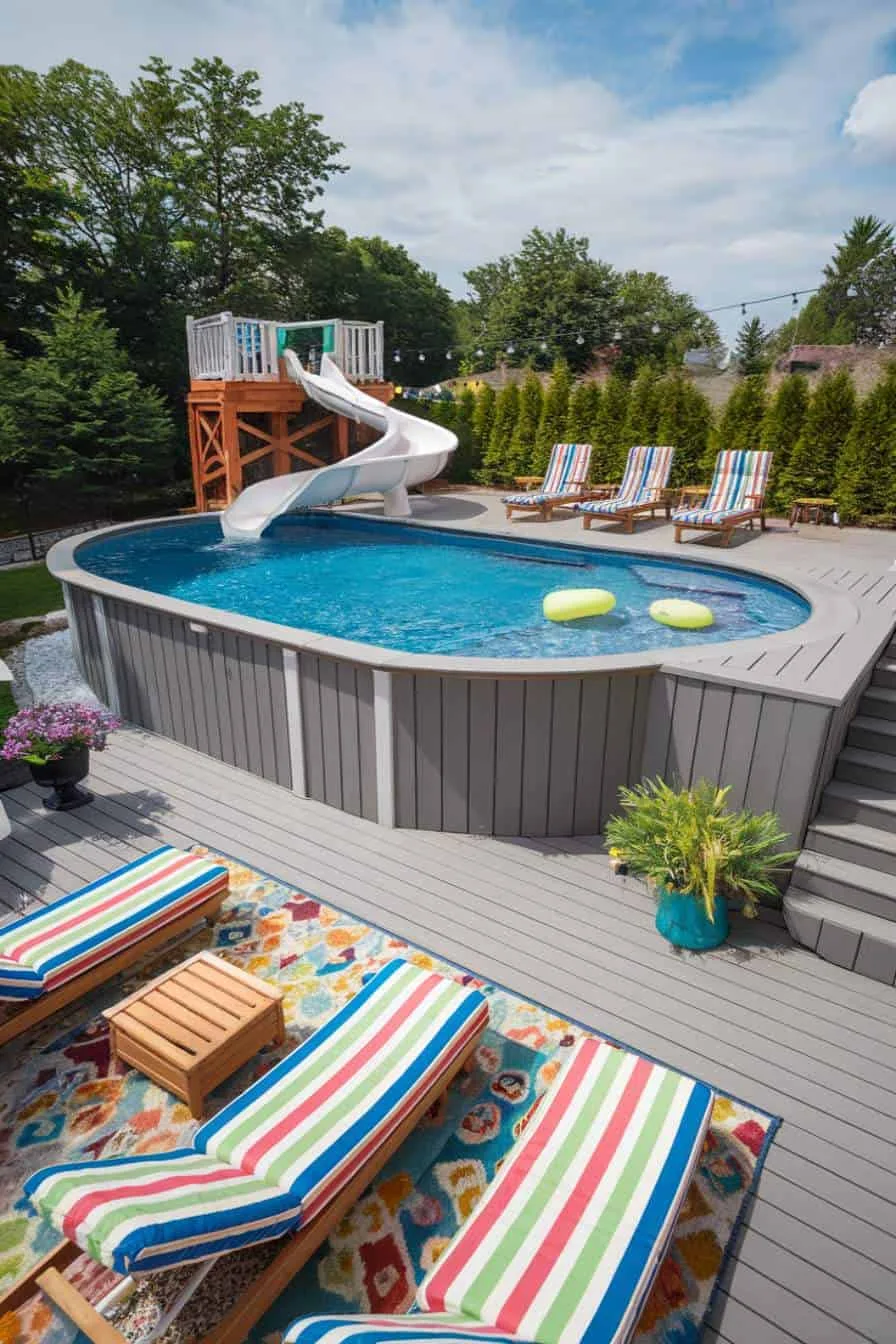
Image source: Bing (Web (fair-use with source credit))
Think of it like buying a car. The sticker price is important, but then there's insurance, gas, and maintenance. For a pool, the initial cost can range from a few hundred dollars for a small, temporary model to upwards of $5,000 for a large, durable structure.
This wide range is why understanding the different factors influencing the price is key to making a smart decision.
Above Ground Pool Price Factors: What Drives the Cost?
When you're browsing options, you'll notice prices jump around quite a bit. This isn't random; several key features and attributes directly impact the final cost of an above-ground pool. Getting a handle on these will help you understand why one pool is significantly more expensive than another and what you're actually paying for.
Pool Size and Shape
This is perhaps the most obvious cost driver. Bigger pools require more material to build, more water to fill, and often a more substantial pump and filter system to keep clean. For example, a 12-foot round pool is considerably cheaper than an 18-foot round or a large oval pool.
- Diameter: Typically ranges from 12 feet to 33 feet for round pools. Larger diameters mean higher costs.
- Length/Width: Oval pools offer more swimming space but come with a higher price tag than round models of similar volume. Common lengths can be 20, 24, or even 30+ feet.
- Depth: Most above-ground pools are around 48 or 52 inches deep. While depth variations are minor cost factors compared to diameter, slightly deeper pools might be more expensive.
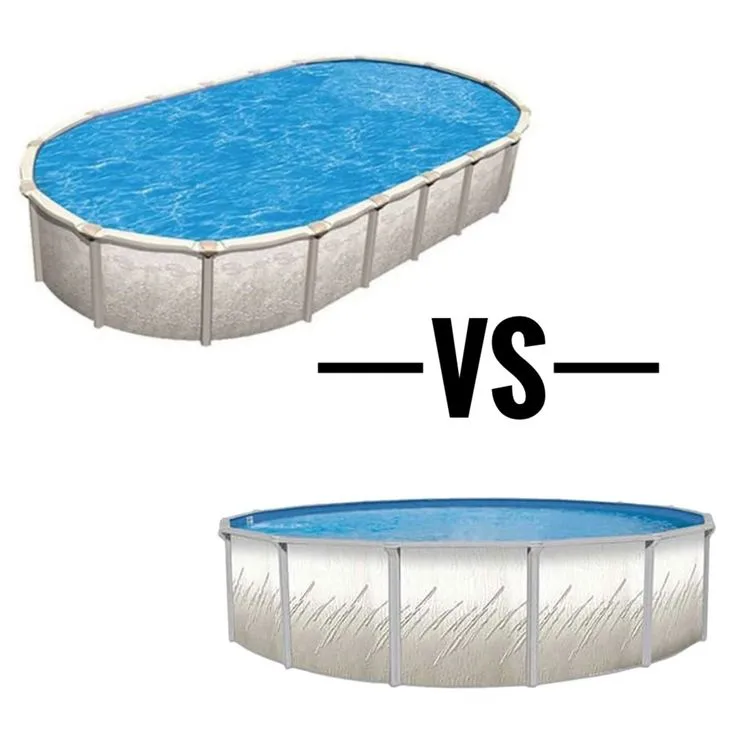
Image source: Bing (Web (fair-use with source credit))
Pool Material (Steel, Resin, Hybrid)
The materials used in the pool's frame and walls are a huge indicator of durability and price.
- Steel: The most budget-friendly option. Steel frames are strong but can be prone to rust if not properly coated and maintained, especially in humid or salty environments. These are often found in the lowest-priced kits.
- Resin: Made from durable plastics, resin frames are resistant to corrosion and UV rays. They tend to be more expensive than steel but offer better longevity and require less worry about rust.
- Hybrid: These pools combine the strength of steel with the corrosion resistance of resin. They often feature steel walls with resin top rails and components, striking a balance between cost and durability. They are generally priced between all-steel and all-resin models.
Liner Type and Thickness
The pool liner is what holds the water and is often the most visible part of the pool's interior. Its material, thickness, and how it attaches to the pool wall affect cost and lifespan.
- Overlap Liners: These are the most basic and typically least expensive. They simply overlap the top edge of the pool wall and are secured with coping strips.
- Beaded Liners: These have a beaded edge that fits into a track on the pool's top rail. They offer a cleaner look and are generally more secure, making them a bit pricier.
- Thickness: Liners are measured in mils (thousandths of an inch). A standard liner might be 15-20 mil, while thicker, more robust liners can be 25 mil or more. Thicker liners cost more upfront but are more resistant to punctures and tears.
Brand and Retailer Markup
Just like with any product, brand reputation and where you buy it can influence the price. Some manufacturers are known for higher quality and offer premium warranties, which naturally comes with a higher cost. Similarly, large chain retailers or specialized pool stores might have different pricing structures than smaller, local shops or online-only sellers.
A well-known brand often commands a premium, but it can also mean better customer support and readily available replacement parts.
The Sticker Price vs. The Total Cost: Beyond the Pool Kit
It's crucial to remember that the price you see on the pool kit box is rarely the full story. There are several other expenses that add up, and skipping over them can lead to sticker shock later on. Understanding these additional costs helps you budget accurately for your backyard oasis.
Initial Pool Kit Cost Ranges
As of 2026, you can expect to see the following general price ranges for the pool kit itself:
- Basic/Economy Kits (12-15 ft round, steel frame): $300, $800. These are often simpler, shallower, and may have less robust filtration.
- Mid-Range Kits (18-24 ft round or oval, steel/resin components): $900, $2,500. These offer better materials, larger sizes, and more effective pumps/filters.
- Premium Kits (27 ft round or large oval, resin/hybrid frames): $2,500, $5,000+. These are designed for durability, aesthetic appeal, and feature high-capacity filtration.
Installation Costs: DIY vs. Professional
This is one of the biggest variables. Installing an above-ground pool can be a weekend project for some, while others find it overwhelmingly complex and time-consuming.
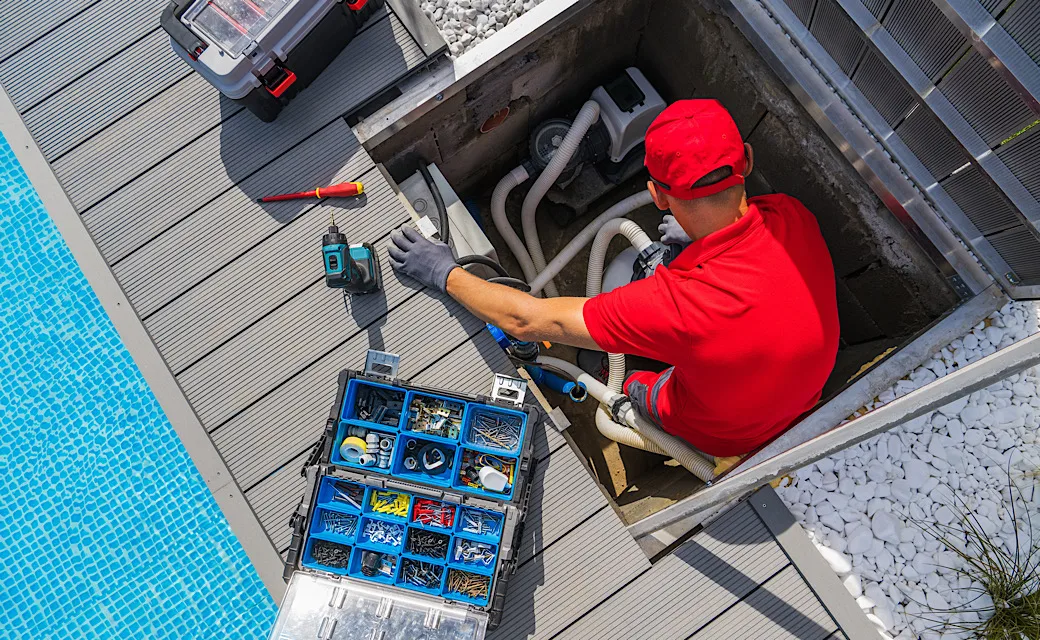
Image source: Bing (Web (fair-use with source credit))
- DIY Installation: This can save you significant money, but it requires time, physical effort, and sometimes renting specialized tools. You'll need at least two people, a level area, and a good understanding of the instructions. Your primary "cost" here is your labor and time.
- Professional Installation: Hiring a company to install your pool offers convenience and peace of mind. Costs can range widely based on your location, the pool size, and site complexity, but typically fall between $500 and $2,000. Some companies charge a flat fee, while others price by the hour or by pool size. Always get detailed quotes.
Essential Accessories and Their Prices (Filters, Pumps, Ladders)
Most pool kits come with a basic pump and filter, but often these are undersized for the pool's volume, leading to cloudy water and more frequent cleaning. You might need to upgrade.
- Pump & Filter System: Basic cartridge filters can cost $100-$300. Sand filters, which are more effective for larger pools, can run $200-$600. High-efficiency variable-speed pumps are the most expensive upfront ($400-$1000+) but save on electricity costs long-term.
- Entry System (Ladder/Stairs): A simple A-frame ladder might be $50-$150. Deck ladders or steps offer easier access and can cost $150-$500+.
- Skimmer: Some pools have basic surface skimmers built-in, while others require an add-on that can cost $50-$150.
- Cover: A basic solar cover or winter cover can range from $100 to $500+.
Ongoing Costs: Chemicals, Electricity, and Water
Don't forget the recurring expenses that keep your pool clean and ready to use.
- Chemicals: You'll need chlorine or bromine, pH balancers, shock treatments, and algaecides. Annual chemical costs can average $200-$400, depending on usage and water quality.
- Electricity: The pump needs to run daily to circulate and filter water. For a standard 12-hour run time per day, expect $30-$100 per month for electricity, depending on your local rates and pump efficiency.
- Water: Filling a large above-ground pool can cost anywhere from $50 to $200+, depending on your water provider's rates. You'll also need to top it off periodically due to evaporation.
- Maintenance Supplies: Skimmer nets, pool brushes, and vacuum heads are typically one-time purchases but are essential. A basic manual vacuum might be $50-$100, while automatic cleaners can be $200-$600.
Above Ground Pool Options: Comparing the Best Fits for Your Budget
Choosing an above-ground pool isn't a one-size-fits-all situation. The different types available cater to various budgets and needs, each with its own set of pros and cons. Understanding these distinctions will help you narrow down your choices and find the pool that offers the best value for your specific situation.
Entry-Level Pools: Pros, Cons, and Typical Prices
These are typically the most affordable options, often found in big-box stores or online retailers. They're designed for easy setup and a lower upfront commitment.
- Pros: Lowest initial purchase price ($300-$800), quick and easy DIY setup (often within a few hours), good for seasonal use or as a temporary splash pool.
- Cons: Often made with thinner gauge steel and liners that are more susceptible to damage. Filtration systems are usually basic and may struggle with clarity in larger pools or heavy use. Lifespan is generally shorter, sometimes only a few seasons without careful maintenance. They offer limited depth and size.
- Best For: Families with very young children, those on a tight budget, or people who want a pool for a single summer season or a specific event.
Mid-Range Pools: Balancing Features and Affordability
This category offers a significant step up in quality and durability without the premium price tag of top-tier models. They represent a good balance for many homeowners.
- Pros: Better quality materials (resinjoint components, thicker steel walls, more durable liners), larger size options (up to 24ft round or equivalent oval), more effective pump and filter systems are common. They generally last longer, often 5-10 years with proper care.
- Cons: Higher initial cost ($900, $2,500), installation takes longer and might require more help. The filtration might still need an upgrade for heavy use or very hot climates.
- Best For: Families looking for a lasting summer-long entertainment option, homeowners who want a more substantial pool experience without the cost of inground excavation, and those willing to invest a bit more for better durability and performance.
Premium Pools: What You Get for a Higher Investment
These are the top-of-the-line above-ground pools, built with robust materials and designed for longevity and ease of use. They often mimic the look and feel of more permanent structures.
- Pros: Highest durability with corrosion-resistant resin or hybrid frames, thick, puncture-resistant liners (25 mil+), larger diameters and lengths, and powerful, energy-efficient filtration systems (often sand or even glass media filters). They offer longer warranties (sometimes 15-20 years for the frame) and look more integrated into the landscape.
- Cons: Significant upfront investment ($2,500, $5,000+), installation can be complex and often requires professional help, which adds to the total cost. Maintenance is still required, though the systems are more efficient.
- Best For: Homeowners who prioritize longevity, aesthetic appeal, and minimal hassle, and who plan to use the pool for many years. They offer a substantial backyard upgrade.
Who is an Above Ground Pool Right For? Understanding the Use Cases
Above-ground pools aren't just for cooling off; they serve several distinct purposes that make them a great addition for a variety of households. Understanding these use cases can help you see if an above-ground pool aligns with your specific needs and lifestyle.
Budget-Friendly Fun for Families
For families who want to create lasting summer memories without the significant financial commitment of an inground pool, an above-ground pool is an excellent solution. It provides a safe and accessible place for kids to play and burn energy, and for parents to relax. The lower upfront cost means more budget can be allocated for accessories like pool toys, floats, and even a small deck.
Quick Setup for Temporary Needs
Sometimes, you need a fun amenity for a specific period. This could be for a large family reunion, a special birthday party, or even for older children who want their own space for a few summers before heading off to college. Many entry-level and mid-range above-ground pools can be set up relatively quickly and, in some cases, even disassembled and stored if needed, offering flexibility that inground pools can't match.
Space-Saving Solutions for Smaller Yards
Many homes, especially in urban or suburban areas, have limited backyard space. An above-ground pool can offer a way to enjoy swimming without consuming the entire yard. Round pools are particularly good at fitting into tighter spots, and even smaller diameters (12-15 feet) can provide enough space for several people to enjoy a refreshing dip.
The vertical design also means less horizontal footprint compared to a similarly sized inground pool.
Common Pitfalls and Mistakes When Buying an Above Ground Pool
It’s easy to get excited about the idea of a backyard pool and overlook some crucial details that can lead to problems down the road. Avoiding these common mistakes can save you money, time, and a lot of frustration. Our research indicates these are some of the most frequent missteps homeowners make.
Underestimating Installation Complexity
While many kits are marketed as "easy to assemble," the reality can be more challenging, especially for larger pools or if you lack DIY experience. Improper site preparation, like not leveling the ground perfectly, can put stress on the pool's structure, leading to premature damage or leaks. Professional installation might seem costly, but it ensures the pool is set up correctly from the start, preventing many future headaches.
Skimping on Pump and Filter Quality
Pool kits often come with basic, undersized pumps and filters to keep the advertised price low. Using an inadequate system means the water won't circulate or filter effectively. This leads to cloudy, unsanitary water, increased chemical use, and a shorter lifespan for both the liner and the equipment.
Investing in a larger, more efficient pump and filter system upfront, or upgrading soon after purchase, is often a wise decision.
Ignoring Site Preparation Needs
Before the pool even arrives, the ground needs to be perfectly level and free of debris. Rocks, roots, or uneven surfaces can damage the liner or even the pool's frame over time. Many people rush this step, only to discover damage later.
It’s also vital to consider drainage around the pool; water needs a place to go when you backwash the filter or when it rains, preventing it from pooling around the pool's foundation.
Forgetting Ongoing Maintenance Expenses
The initial purchase price is only part of the equation. Regular chemical purchases (chlorine, pH adjusters, shock), electricity costs for the pump, water top-offs, and eventual replacement parts (liners, filters) all add up. Many buyers underestimate these annual costs, which can range from $300 to $800 or more, depending on pool size and usage.
Planning for these ongoing expenses ensures you can maintain a safe and clean pool without unexpected financial strain.
Getting the Most Value: Expert Tips for Smart Above Ground Pool Ownership
Owning an above-ground pool doesn't have to break the bank, especially if you approach it with a bit of savvy. Our research suggests that smart decisions during purchase and consistent care can significantly extend your pool's life and minimize ongoing costs. It's about maximizing the value you get from your investment.
- Shop Off-Season: Pool prices often drop in late summer or early fall. Retailers want to clear inventory before winter. This can lead to substantial savings on kits and accessories.
- Compare Brands and Retailers: Don't buy the first pool you see. Prices for similar-sized and constructed pools can vary significantly between manufacturers and stores. Look at warranties carefully, a longer warranty often indicates better quality.
- Factor in Installation: If you're not doing it yourself, get multiple quotes from reputable installers. Ask what's included: site preparation, leveling, and debris removal. A well-installed pool is a safer, longer-lasting pool.
- Invest in a Quality Pump and Filter: The included basic systems are often just enough to meet minimum requirements. Upgrading to a more powerful pump and a larger sand or cartridge filter will lead to clearer water, less chemical usage, and less strain on the equipment. This saves money and hassle in the long run.
- Regular Maintenance is Key: Consistent water testing and chemical balancing prevent costly problems like liner degradation or algae blooms. Routine cleaning of the skimmer basket and filter removes debris before it can clog systems or breed bacteria.
Frequently Asked Questions About Above Ground Pool Costs
How much does a basic 12-foot above ground pool kit typically cost?
A basic 12-foot round above ground pool kit, often featuring a steel frame and a 15-mil overlap liner, can generally be purchased for between $300 and $600. These are entry-level models suited for light use and seasonal enjoyment.
What's the average cost to have an 18-foot round pool professionally installed?
Professional installation for an 18-foot round above ground pool typically ranges from $700 to $1,500. This cost can fluctuate based on your geographic location, site accessibility, and the installer's specific pricing structure.
How much do essential accessories like a pump and filter add to the total cost?
Beyond the pool kit, expect to spend an additional $150 to $600 for a decent pump and filter system. Entry-level cartridge filters are on the lower end, while larger sand filter systems with more powerful pumps can cost more upfront but offer better performance.
What are the annual maintenance costs for an above ground pool?
Annual maintenance costs for an average-sized above ground pool generally fall between $300 and $800. This includes chemicals, electricity for the pump, water for top-offs, and occasional replacement of small parts or cleaning supplies.
Can I negotiate the price of an above ground pool?
Yes, especially during the off-season (fall or early spring) or when retailers are running sales. Bundled packages that include accessories might also offer better overall value than purchasing items separately. Always compare prices from multiple sources.

