Have you ever stopped to think about how long you sit on a chair each day? Whether you work at a desk, watch TV, or relax with a book, sitting is a big part of your routine.
But here’s the catch: sitting too long can hurt your body in ways you might not notice right away. So, how long should you really sit on a chair before getting up? This question matters more than you think. Keep reading, and you’ll discover simple, science-backed tips to protect your health and boost your comfort—starting today.
Risks Of Prolonged Sitting
Sitting for too long can harm your body and mind. Many people sit for hours daily at work or home. This stillness can cause health problems. Understanding these risks helps you take better care.
Impact On Physical Health
Long sitting times lead to weaker muscles. Your back and legs may hurt often. Blood flow slows down, causing swelling and discomfort. Sitting too much raises the chance of heart disease. It also increases the risk of obesity and diabetes. Poor posture while sitting can cause neck and spine issues. Your body needs movement to stay strong and healthy.
Effects On Mental Well-being
Sitting for hours can make you feel tired and sad. Lack of movement lowers energy and mood. Your brain gets less oxygen, which harms focus. Sitting too long may increase stress and anxiety. Small breaks and activity boost mental clarity. Moving helps keep your mind sharp and positive.
Recommended Sitting Durations
Knowing the right amount of time to sit on a chair helps keep your body healthy. Sitting too long can cause pain and other health problems. It is important to follow good guidelines for sitting time to stay comfortable and active.
Guidelines From Health Experts
Health experts suggest sitting no more than 30 to 60 minutes at a time. After that, take a break and stand up or walk for a few minutes. These short breaks help improve blood flow and reduce muscle stiffness. Aim to move around every hour during long sitting periods. This habit supports better posture and lowers health risks.
Variations By Age And Activity
Sitting time changes with age and daily activities. Children and teenagers need more frequent breaks as their bodies grow. Older adults should avoid long sitting sessions to prevent stiffness and joint pain. Active people may sit longer but still need to stretch and move regularly. Adjust sitting time based on your body’s signals and comfort level.
Signs To Take A Break
Knowing when to take a break from sitting is important for health. Your body and mind send signals that it is time to move. Ignoring these signs can lead to problems over time. Pay attention to how you feel during long periods of sitting.
Recognizing these signs early helps prevent discomfort and keeps you focused. Breaks improve blood flow and reduce muscle stiffness. They also refresh your mind for better work and mood.
Physical Discomfort Indicators
Stiff neck or shoulders often mean you need to stand. Back pain or tightness signals muscles need relief. Numbness or tingling in legs or feet warns circulation is poor. Restless legs show your body wants to move. Sore wrists or hands suggest poor posture or strain.
Mental Fatigue Symptoms
Feeling sleepy or tired means your brain needs a break. Difficulty focusing shows mental energy is low. Irritability can happen when you sit too long. Daydreaming or distraction signals your mind is wandering. Loss of motivation means it’s time for a pause.
Tips For Healthier Sitting
Sitting for long hours can harm your health. Simple changes improve comfort and reduce risks. Follow these tips for healthier sitting.
Choosing The Right Chair
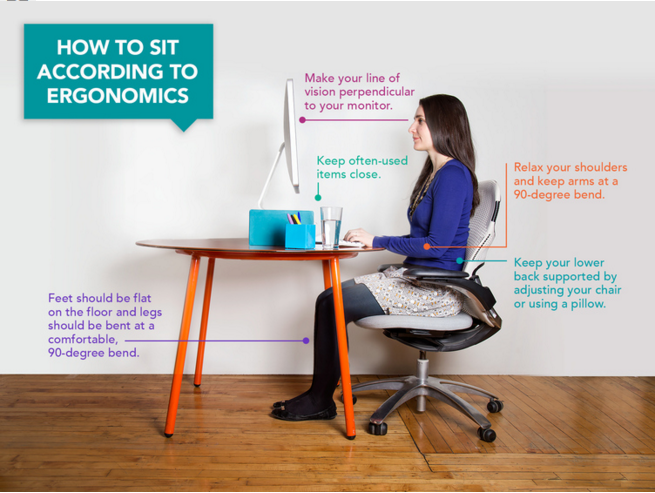
Pick a chair that supports your back well. Look for adjustable height and backrest. Cushioning should be firm but comfortable. Armrests help reduce shoulder strain. A swivel base allows easy movement.
Proper Sitting Posture
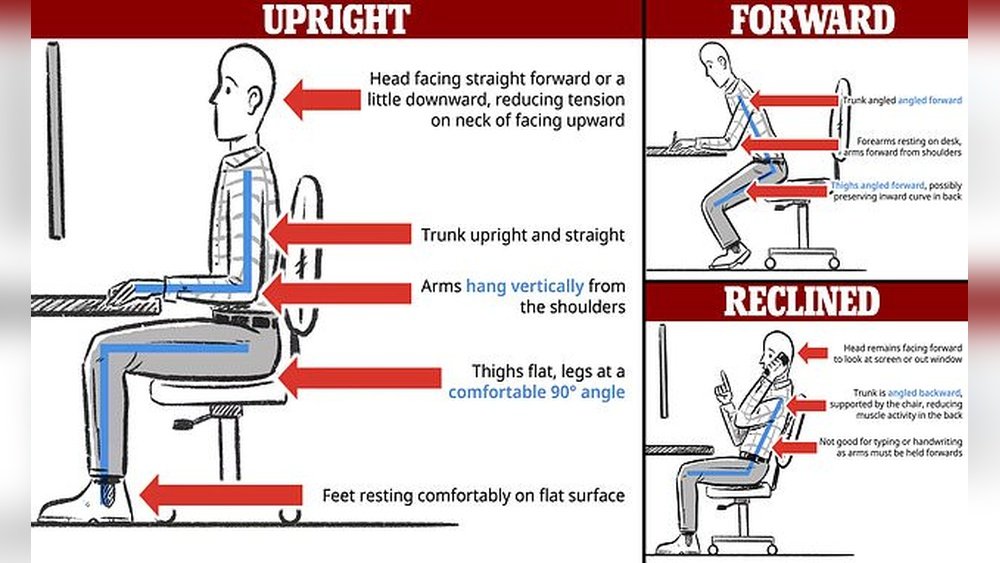
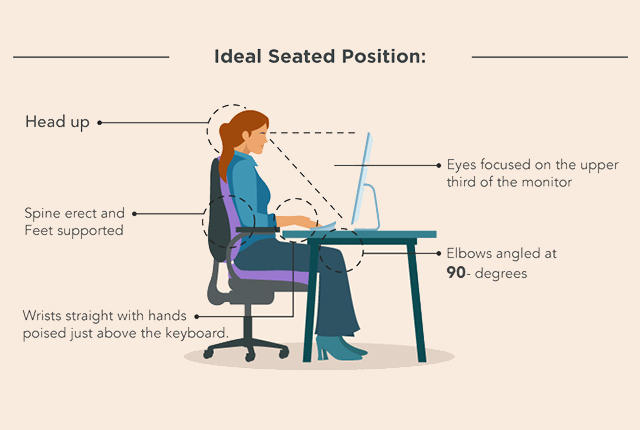
Keep your feet flat on the floor. Your knees should be at a 90-degree angle. Sit back fully to use the chair’s back support. Keep your shoulders relaxed and straight. Avoid slouching or leaning forward.
Incorporating Movement Breaks
Stand up every 30 to 60 minutes. Stretch your legs and back gently. Walk around for a few minutes to boost circulation. Change your sitting position often. These breaks help reduce stiffness and fatigue.
Alternatives To Sitting
Sitting for long hours can harm your body. Finding ways to reduce sitting time helps improve health. Changing your position often keeps your muscles active. There are good alternatives to sitting that you can try every day.
Standing Desks Benefits
Standing desks let you work while standing. Standing burns more calories than sitting. It improves blood flow and reduces muscle stiffness. Using a standing desk can lower the risk of heart disease. It also helps keep your back and neck straighter. Many people feel more alert and focused when standing.
Active Sitting Options
Active sitting means moving while you sit. Special chairs like balance balls or wobble stools help with this. These chairs keep your core muscles working. Active sitting improves posture and reduces back pain. It also stops your body from staying still too long. Small movements help your joints stay flexible and healthy.

Daily Habits To Reduce Sitting Time
Sitting for long hours harms your health. It can cause back pain and reduce energy. Changing daily habits helps cut sitting time. Small changes make a big difference. Try these simple tips to stay active throughout the day.
Workplace Strategies
Stand up every 30 minutes. Walk around for a few minutes. Use a standing desk if you can. Stretch your legs and back often. Take phone calls while standing. Use stairs instead of the elevator. These habits keep your body moving. They help reduce sitting without losing focus.
Home Lifestyle Adjustments
Set a timer to remind you to stand. Do light exercises during TV breaks. Walk around the house while on calls. Avoid sitting for hours after work. Gardening or cleaning are good activities. Play with pets or children more often. These small actions lower sitting time and boost health.
Frequently Asked Questions
How Long Is Safe To Sit Continuously On A Chair?
Experts recommend sitting no longer than 30 to 60 minutes continuously. Taking breaks every 30 minutes improves circulation and reduces stiffness. Stand or walk briefly to refresh muscles and prevent strain.
What Health Risks Come From Sitting Too Long?
Prolonged sitting raises risks of obesity, heart disease, and diabetes. It can cause poor posture, back pain, and reduced circulation. Regular movement lowers these health risks significantly.
How Often Should I Take Breaks From Sitting?
Take a short break every 30 to 60 minutes of sitting. Even standing or stretching for a few minutes helps reduce muscle fatigue. This habit improves focus and overall health.
Can Sitting Duration Affect Productivity?
Yes, sitting too long can cause fatigue and reduce concentration. Frequent breaks boost energy and mental clarity. Balance sitting with movement to maintain productivity.
Conclusion
Sitting for too long can hurt your health and focus. Take breaks every 30 to 60 minutes. Stand up, stretch, or walk a little to feel better. Choose a comfortable chair that supports your back well. Listen to your body’s signals to avoid pain or stiffness.
Small changes in your sitting habits can make a big difference. Stay active and keep moving throughout your day. Your body will thank you for it.