

Wondering about the lifespan of your above-ground pool liner? It’s a crucial question for any pool owner, impacting both your enjoyment and your budget. The simple answer is that while most liners are built for durability, their actual longevity varies quite a bit.
In our research, we found that a typical above-ground pool liner can last between 10 to 20 years. This broad range depends heavily on the quality of the liner, how it's cared for, and environmental factors. Manufacturer specifications often point to UV resistance and material thickness as key performance indicators, with many high-quality liners tested to withstand typical outdoor conditions for over a decade.
Quick Answer: 10 to 20 Years
Most above-ground pool liners last 10 to 20 years. Quality, care, and environment matter most. Thicker gauge vinyl and good water balance extend life.
Damage and extreme UV exposure shorten it.
Core Explanation: What Affects Your Liner's Lifespan
Your above-ground pool liner is the waterproof barrier that holds your pool's water. Made typically from thick vinyl, it's designed to be flexible yet durable enough to withstand constant water pressure and exposure to the elements. However, its lifespan isn't fixed; it's a dynamic outcome influenced by a combination of inherent material qualities and external forces.
Think of it as a high-performance material that, like anything exposed to the outdoors, experiences wear and tear over time. The exact duration it remains functional and aesthetically pleasing hinges on several interacting factors, from its initial construction to how you maintain your pool's environment.
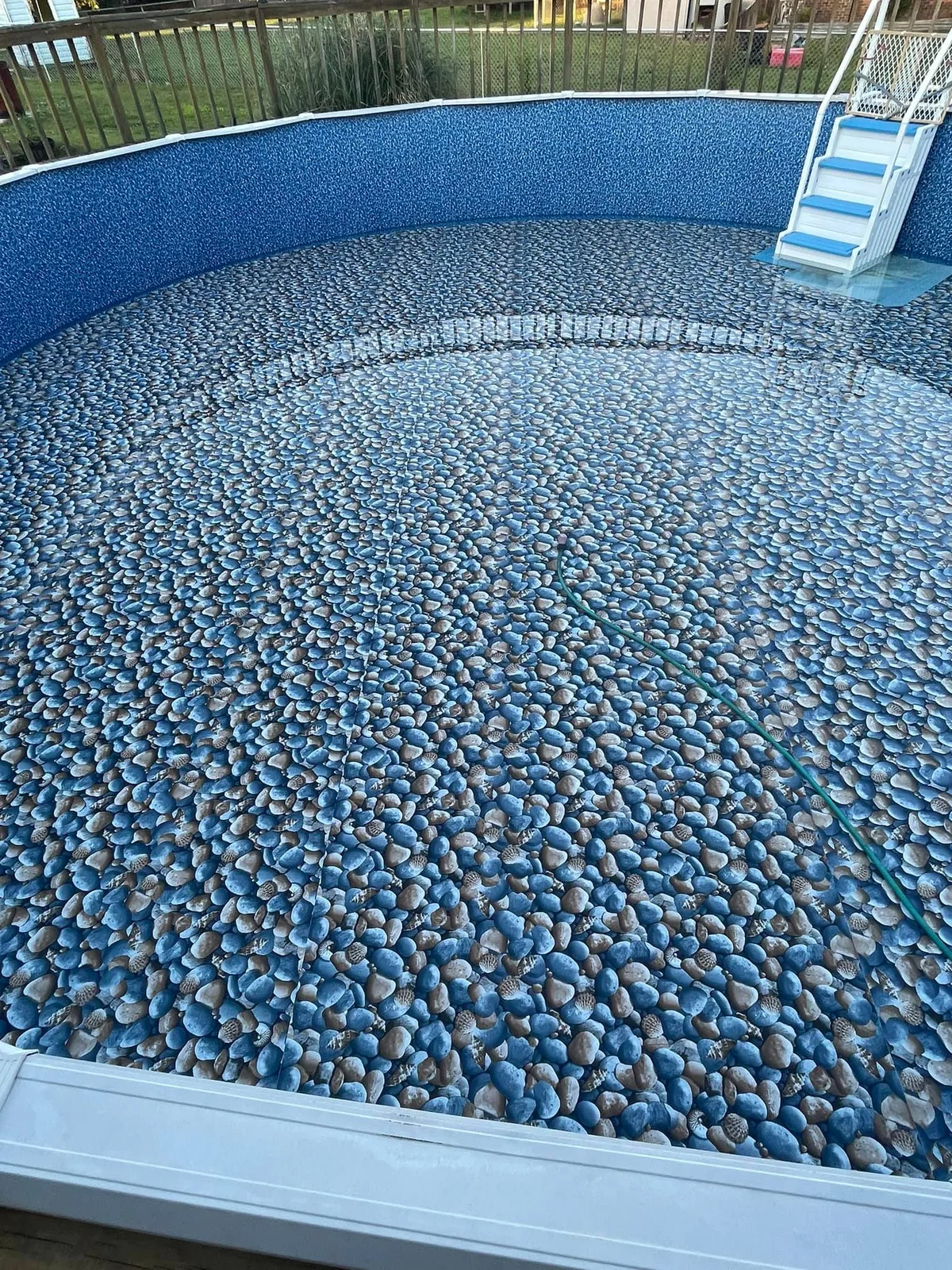
Image source: Web (Bing) / abovegroundpoolsknowitall.com (Web image (fair-use with source credit))
Features That Impact Liner Durability
The physical characteristics of a pool liner play a significant role in how long it will last. Not all liners are created equal, and understanding these features can help you gauge potential durability.
- Gauge (Thickness): This is a primary indicator of a liner's robustness. Gauge refers to the thickness of the vinyl. Higher gauges mean thicker vinyl, which is generally more resistant to punctures, tears, and general wear. For example, a 20-gauge liner is typically less durable than a 25-gauge or even 30-gauge liner. Manufacturers often provide this specification, and it's a good starting point for comparison.
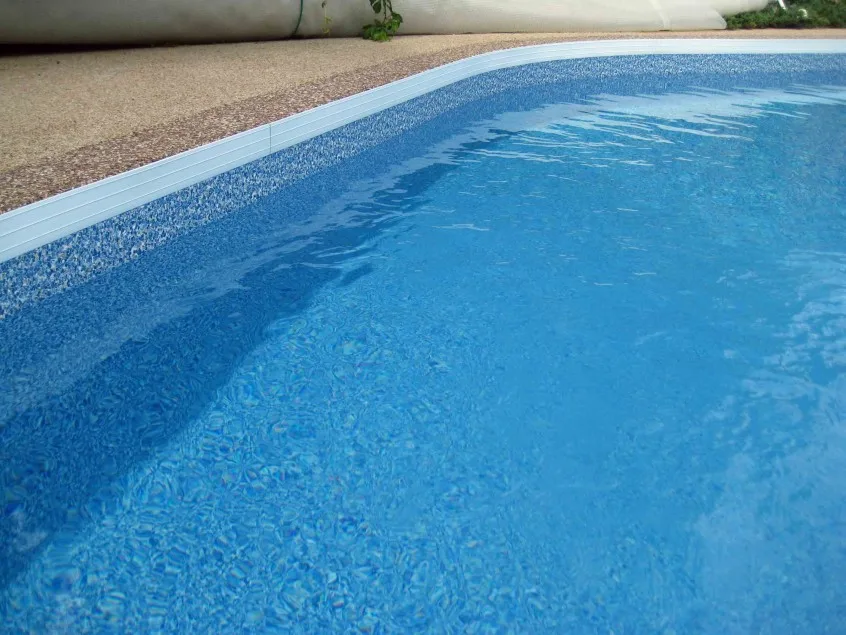
Image source: Bing (Web (fair-use with source credit))
- UV Resistance: Prolonged exposure to the sun's ultraviolet (UV) rays can break down vinyl materials over time. Liners designed with enhanced UV inhibitors are better equipped to resist this degradation, preventing the vinyl from becoming brittle, fading, or cracking prematurely. This is particularly important if your pool is located in a sunny spot with little shade.
- Material Composition and Additives: Beyond basic vinyl, liners can include specific additives to improve flexibility, crack resistance, and resistance to pool chemicals. The quality and type of plasticizers and stabilizers used can significantly impact the liner's long-term integrity.
- Seam Quality: The seams where pieces of the liner are joined are potential weak points. High-quality manufacturing processes ensure strong, well-sealed seams that are less likely to fail or leak over time.
Real-World Factors Shortening Liner Life
Beyond the inherent features of the liner itself, external conditions and your pool's environment exert significant influence on its lifespan. These are the day-to-day elements that can accelerate wear and tear.
- Sun Exposure (UV Radiation): As mentioned, direct sunlight is a major factor. Constant exposure without respite can cause the vinyl to lose its elasticity, become brittle, and eventually crack. Pools situated in direct sun for 8+ hours a day will likely see a shorter liner life compared to those with partial shade.
- Water Chemistry Imbalance: This is one of the most critical and often overlooked factors.
- Over-chlorination: Excessive chlorine can aggressively break down vinyl, leading to fading, brittleness, and premature degradation.
- Low pH: Acidic water (low pH) can also damage vinyl over time.
- Algae Growth: If water chemistry is neglected and algae blooms occur, the chemicals needed to combat it, and the algae itself, can stain and stress the liner.
- Physical Damage: This includes anything sharp that comes into contact with the liner. This could be from debris falling into the pool, rough play, pet claws, or even improper cleaning tools.
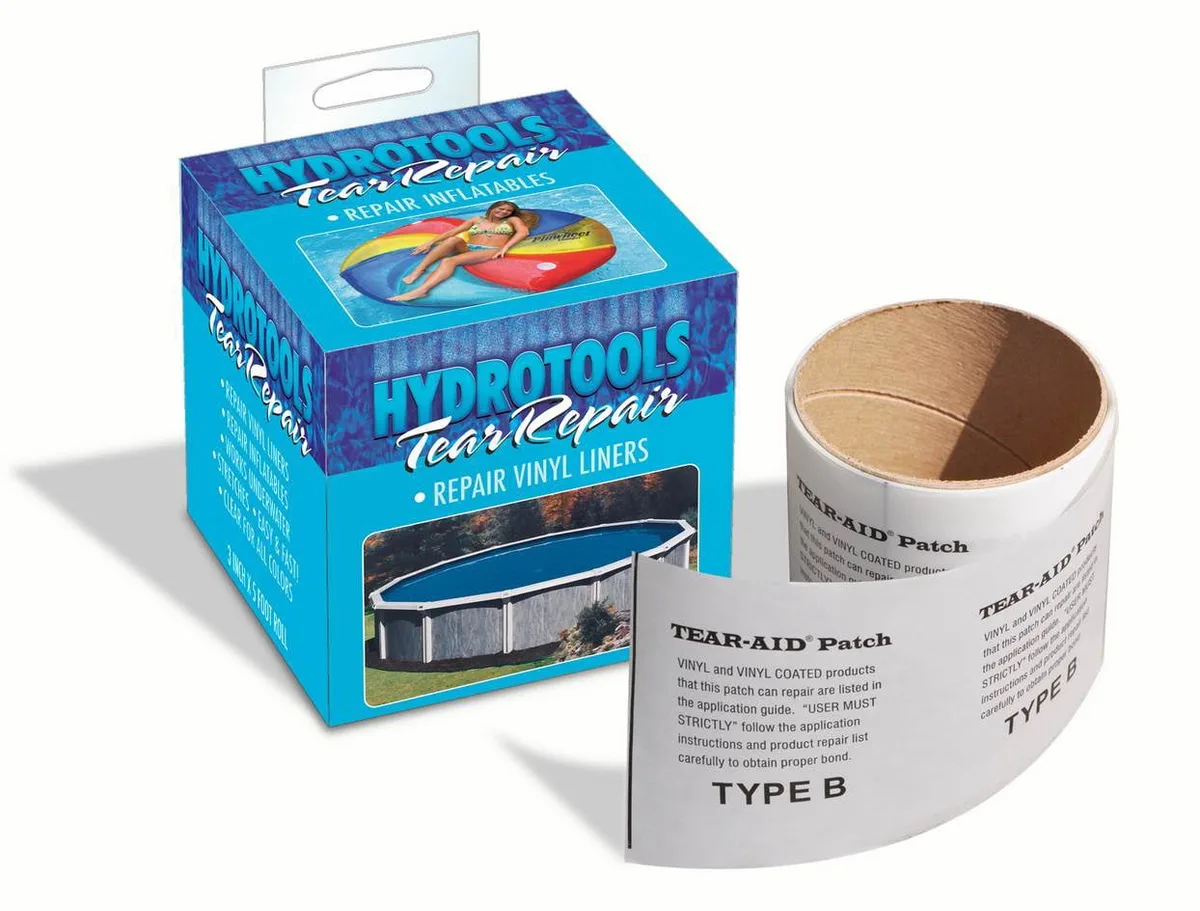
Image source: Bing (Web (fair-use with source credit))
- Temperature Fluctuations: While vinyl is flexible, extreme and rapid temperature changes can stress the material, especially during seasonal transitions.
Mistakes to Avoid for Liner Longevity
Many premature liner failures stem from common mistakes in maintenance and usage. Being aware of these pitfalls can help you protect your investment and extend its life significantly.
- Neglecting Water Testing: This is arguably the biggest mistake. Not regularly testing and balancing your pool's pH, alkalinity, and sanitizer levels directly leads to chemical imbalances that harm the liner. Per guidelines from the Pool & Hot Tub Alliance (PHTA), maintaining proper water chemistry is paramount for pool component longevity.
- Using Abrasive Cleaning Tools: Scrubbing your liner with stiff brushes, metal scrapers, or overly aggressive cleaning pads can cause scratches, abrasions, and even punctures over time. Always opt for soft brushes designed specifically for vinyl liners.
- Allowing Sharp Objects Near the Pool: Keep tools, furniture with sharp edges, and anything that could potentially puncture the liner away from the pool's perimeter. This also includes being mindful of pets’ claws if they have access to the pool area.
- Improper Winterization: Failing to properly clean, drain, and cover your pool for the off-season can expose the liner to freeze-thaw cycles and debris, leading to damage. Leaving a pool partially filled or uncovered during winter is a recipe for problems.
- Over-reliance on Chemical Shock Treatments: While occasional shock treatments are necessary, frequent or excessively strong shock treatments can be hard on vinyl. Always follow product instructions carefully and consider more gradual chemical adjustments when possible.
Expert Tips for Maximizing Liner Lifespan
Beyond avoiding mistakes, adopting proactive maintenance habits can truly make a difference in how long your above-ground pool liner serves you. These are the practices that seasoned pool owners swear by.
- Consistent Water Testing: Aim to test your pool water at least weekly, if not more often during peak season. Use a reliable test kit or strips to monitor pH, chlorine, and alkalinity. Adjust chemicals promptly to keep levels within the ideal range, typically a pH of 7.2-7.6 and appropriate sanitizer levels as recommended by your pool's manual or local health guidelines.
- Gentle Cleaning Practices: When cleaning the pool walls or floor, use a soft vinyl liner brush or a specialized pool vacuum. Avoid any tools with metal components or abrasive surfaces that could scratch or tear the vinyl. Periodically check your vacuum head for any rough edges.
- Mindful Pool Use: While you want to enjoy your pool, encourage guests to remove sharp jewelry or accessories before entering. If you have pets that swim, ensure their nails are trimmed, and supervise them closely. Consider a pool cover when the pool is not in use to protect it from debris and UV rays.
- Proper Liner Installation: If you're replacing your liner, ensure it's installed correctly. Wrinkles left unaddressed can lead to uneven wear and potential damage. A professional installation can help prevent these issues from the start. Many manufacturers provide detailed installation guides, and following them meticulously is key.
- Seasonal Awareness: Pay attention to your local climate. If you experience extreme heat or cold, take extra precautions. For instance, in very hot climates, consider a solar cover that offers UV protection rather than a clear one that intensifies sun exposure. Always follow recommended winterization procedures for your specific region.

