

The lifespan of a pet vacuum cleaner is a crucial consideration for any pet owner dealing with fur, dander, and tracked-in dirt. While a standard vacuum might last anywhere from 3 to 8 years, pet-specific vacuums are often built with more robust components and specialized features to handle the unique challenges pets present. Understanding the factors that influence their durability can help you make a more informed purchase and ensure your cleaning tool remains effective for years to come.
Factors Affecting Pet Vacuum Lifespan
Several elements contribute to how long your pet vacuum will serve you well. The quality of materials used in its construction is paramount. Higher-end models often feature more durable plastics, stronger motor housings, and better-sealed components. Regular maintenance is also a significant factor; a well-cared-for vacuum will almost always outlast one that is neglected.
The intensity of use plays a huge role. If you have multiple shedding pets or a large home, your vacuum will be working harder and potentially wearing out faster than a vacuum used for a single, short-haired pet in a small apartment. The type of flooring you have also matters. Vacuums used primarily on thick carpets often experience more strain on their motors and brush rolls compared to those used on hard floors.
Average Lifespan Of Pet Vacuums
On average, a good quality pet vacuum cleaner can last between 5 to 10 years. This is a broad range, and it’s important to break down what influences this number. A budget-friendly model might fall on the lower end of this spectrum, while a premium, well-maintained vacuum from a reputable brand could even exceed 10 years of service.
The warranty period offered by manufacturers can also be an indicator of expected durability. Many high-quality pet vacuums come with warranties ranging from 2 to 7 years, suggesting the manufacturers have confidence in their product’s longevity. However, a warranty doesn’t guarantee a specific lifespan; it’s a promise to repair or replace the product if it fails within a certain timeframe due to manufacturing defects.
:max_bytes(150000):strip_icc()/GettyImages-1420975299-7032710597d64abb8f214ba6ac89bf99.jpg)
Key Components And Their Durability
Different parts of your pet vacuum have varying lifespans and are prone to wear and tear. Understanding these components can help you identify potential issues before they become major problems.
Motor
The motor is the heart of any vacuum cleaner. For pet vacuums, motors are often designed to be more powerful to handle the increased workload of sucking up pet hair and debris. A high-quality motor, especially one with good cooling mechanisms, can last for the entire lifespan of the vacuum. However, if the vacuum is consistently overworked, overheated, or if dust and debris are allowed to clog air vents, the motor can burn out prematurely.
Brush Roll
The brush roll is essential for agitating carpets and lifting embedded pet hair. Pet hair, especially long hair, can easily tangle around the brush roll. If not cleaned regularly, this tangled hair can strain the brush roll motor, damage the bristles, and reduce cleaning efficiency. Many modern pet vacuums feature tangle-free brush rolls specifically designed to minimize this issue, which can significantly extend the brush roll’s effective life.
Filters
Filters are critical for maintaining suction power and ensuring the air expelled from the vacuum is clean. Pet owners often need to clean or replace filters more frequently due to the volume of dander and fine dust. HEPA filters, common in pet vacuums, can last for several years if properly maintained (washed or tapped clean as per manufacturer instructions), but they will eventually need replacement to maintain optimal performance and air quality. Clogged filters are a common cause of reduced suction and premature motor strain.
Battery (for Cordless Models)
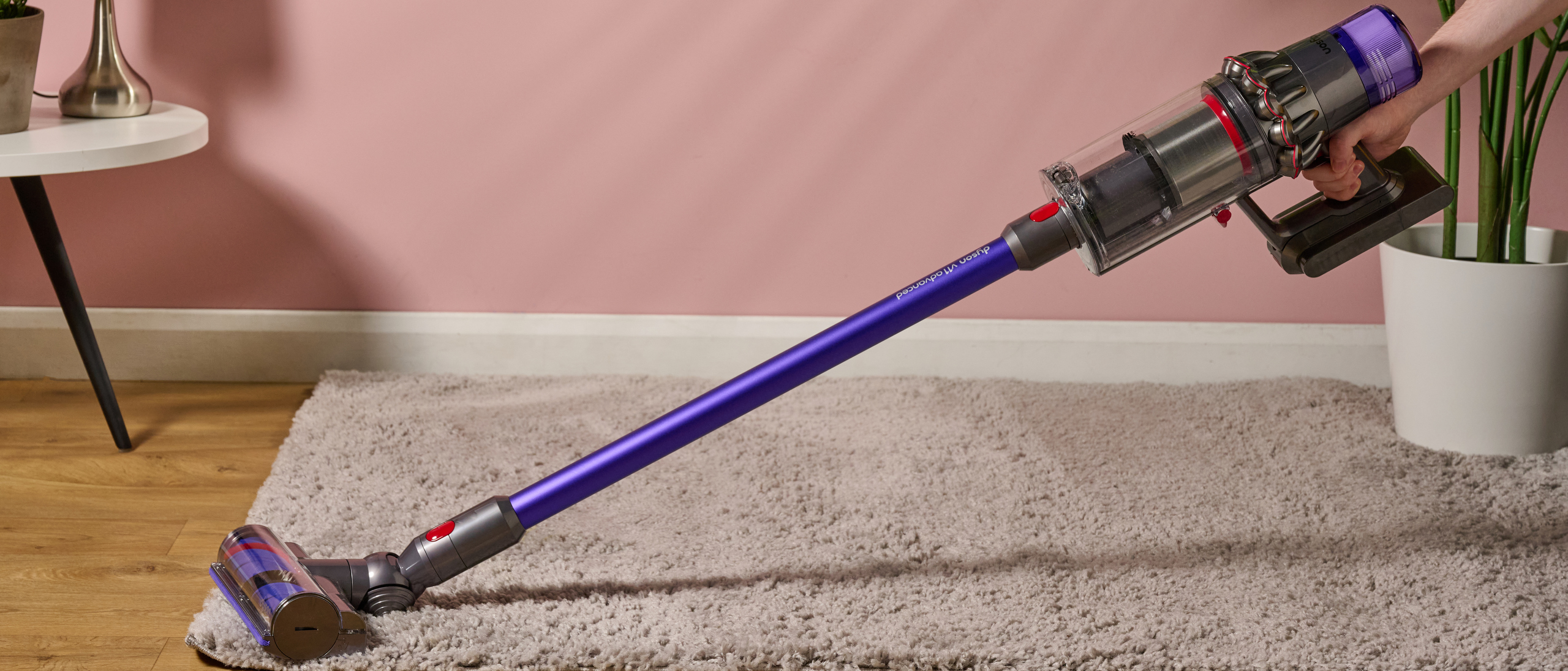
For cordless pet vacuums, the lithium-ion battery is a key component with a finite lifespan. Batteries degrade over time with each charge cycle. A typical battery in a cordless vacuum might retain its full capacity for 2-4 years, after which you might notice a significant reduction in runtime. While some manufacturers offer replacement batteries, this can be an added expense. The overall lifespan of a cordless vacuum is often limited by the battery’s longevity.
Maintenance To Extend Lifespan
Proactive maintenance is the single most effective way to ensure your pet vacuum lasts as long as possible. Neglecting maintenance is the quickest route to a shorter lifespan for your appliance.
- Empty the Dustbin Regularly: Don’t wait until the dustbin is completely full. Emptying it after each use, or when it reaches about two-thirds capacity, ensures optimal airflow and prevents strain on the motor.
- Clean the Brush Roll: Remove tangled hair, threads, and debris from the brush roll frequently. Many vacuums come with a small cutting tool for this purpose.
- Wash or Replace Filters: Follow the manufacturer’s instructions for cleaning and replacing filters. This is crucial for maintaining suction power and preventing dust buildup.
- Check Hoses and Attachments: Periodically inspect hoses and attachments for blockages. A clear path for air and debris is essential for efficient operation.
- Wipe Down Exterior: Keep the vacuum clean on the outside to prevent dust and grime from entering vents or affecting moving parts.
Pro Tip:
When cleaning filters, ensure they are completely dry before reinserting them. Using a damp filter can damage the motor and create mold issues.
Understanding Wear And Tear Signs
Even with diligent maintenance, vacuums will eventually show signs of age. Recognizing these early can help you address minor issues before they lead to complete failure.
- Reduced Suction Power: This is often the first and most noticeable sign. It can be caused by clogged filters, blockages in the hose or wand, or a failing motor.
- Unusual Noises: Grinding, whining, or rattling sounds can indicate a problem with the motor, brush roll bearings, or something stuck in the mechanism.
- Overheating: If the vacuum becomes excessively hot during normal use, it could signal a blocked airflow, a struggling motor, or a worn-out fan.
- Burning Smell: This is a serious sign, often indicating a motor issue or electrical problem. Turn off and unplug the vacuum immediately.
- Brush Roll Not Spinning: If the brush roll stops spinning, it could be due to tangled hair, a broken belt (on some models), or a motor issue.
Comparing Vacuum Types For Longevity
Different types of pet vacuums have distinct lifespans influenced by their design and intended use.
| Vacuum Type | Typical Lifespan | Key Longevity Factors |
|---|---|---|
| **Upright Vacuums** | 5-10 years | Motor durability, brush roll wear, robust construction. |
| **Canister Vacuums** | 6-12 years | Motor cooling, sealed system, hose integrity. |
| **Cordless Stick Vacuums** | 3-7 years | Battery life, motor efficiency, build quality. |
| **Robot Vacuums** | 3-6 years | Battery life, sensor durability, motor wear, software updates. |
Cordless and robot vacuums often have shorter lifespans, primarily due to the degradation of their batteries and the complexity of their electronic components. Upright and canister vacuums, being simpler in design with more powerful, corded motors, tend to be more durable if well-maintained.
When Is It Time For A New Pet Vacuum?
Deciding when to replace your pet vacuum involves a cost-benefit analysis. If the cost of repairs, such as replacing a motor or battery, approaches the cost of a new, comparable vacuum, it’s likely time for an upgrade. Consider the frequency and severity of issues. Minor inconveniences might be fixable, but consistent problems that impact cleaning performance suggest the vacuum is nearing the end of its useful life.
Furthermore, advancements in technology mean newer models often offer significantly improved performance and features, especially for pet owners. A vacuum that is 7-10 years old, even if functional, might be outperformed by a modern equivalent with

