Have you ever wondered how long your furry friend might be by your side? Knowing the average lifespan of dogs can help you cherish every moment and plan for their care as they grow older.
Whether you’re a new dog owner or have had pets for years, understanding how long dogs live on average gives you valuable insight into their health and happiness. Keep reading to discover the key factors that influence your dog’s lifespan and learn how you can help them live their best, longest life.
Average Lifespan Of Dogs
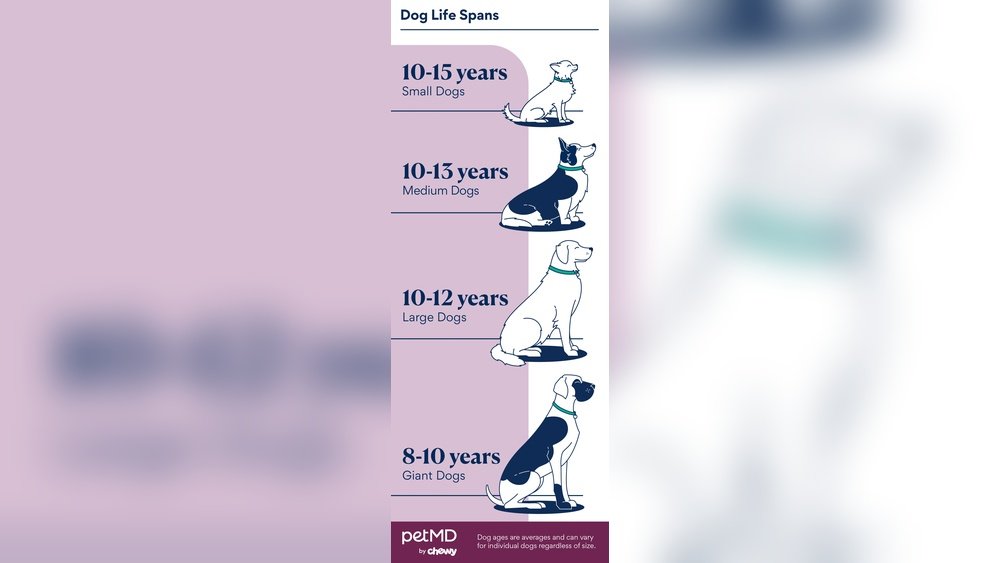
Dogs bring joy and companionship to many homes. Knowing their average lifespan helps owners prepare for their pet’s needs. On average, dogs live between 10 to 13 years. This number can change based on several factors. Understanding these factors gives insight into dog care and health.
Factors Affecting Dog Lifespan
Diet plays a big role in a dog’s life. Healthy food can extend their years. Exercise keeps dogs fit and reduces health problems. Regular vet visits catch diseases early. Genetics also influence lifespan. Some dogs inherit traits that affect their health. Living environment matters too. Stress and pollution can shorten lives.
Lifespan Differences By Breed
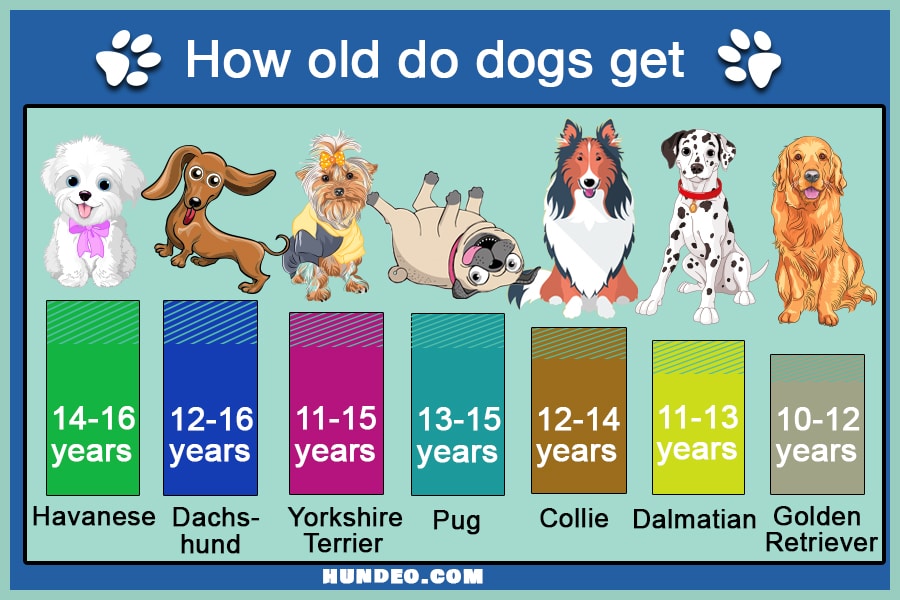
Each dog breed has a typical lifespan range. Small breeds often live longer than large breeds. Some breeds face specific health issues. For example, Bulldogs have shorter lives due to breathing problems. Mixed breed dogs tend to have fewer health issues. They sometimes live longer than purebreds. Breed knowledge helps owners plan care better.
Size And Longevity Correlation
Smaller dogs usually outlive bigger ones. Toy breeds can live up to 15 years or more. Large breeds often have lifespans closer to 8 or 10 years. Bigger dogs age faster than small dogs. Size affects the risk of diseases like heart and joint problems. Knowing this helps in choosing the right dog for your lifestyle.

Common Lifespan Ranges
Dogs live different lengths of time based on their size and breed. Knowing common lifespan ranges helps dog owners prepare for their pet’s future. Smaller dogs often live longer than bigger ones. Lifespan can also vary within breed groups.
Small Breeds
Small dogs usually live between 12 and 16 years. Some tiny breeds, like Chihuahuas, can reach 18 years or more. Small breeds stay active and healthy longer than bigger dogs. Their slower aging process helps them live more years.
Medium Breeds
Medium-sized dogs have an average lifespan of 10 to 14 years. Breeds like Beagles and Cocker Spaniels fall in this group. They tend to age a bit faster than small dogs. Proper care and exercise can help extend their life.
Large Breeds
Large dogs often live 8 to 12 years. Examples include Labradors and Golden Retrievers. Their bigger bodies age faster, leading to shorter lifespans. Health monitoring is important to catch early signs of illness.
Giant Breeds
Giant breeds have the shortest lifespans, usually 6 to 10 years. Great Danes and Saint Bernards are examples. Their size puts extra strain on their bodies. Regular vet visits help manage their health for a better life.
Surprising Lifespan Facts
Dogs usually live between 10 to 13 years. Small breeds often outlive bigger ones by several years. Lifespan depends on breed, health, and care.
Oldest Dogs On Record
Some dogs live far longer than average. The oldest dog on record lived to 29 years. That is almost three decades of life. Most dogs do not reach this age. But these cases show how long dogs can live. Small breeds often live longer than large breeds. Size plays a big role in lifespan.
Impact Of Genetics
Genetics heavily influence how long dogs live. Some breeds have a natural tendency for longer life. Others face more health problems early on. Genetic disorders can shorten a dog’s life. Responsible breeding helps reduce these risks. Knowing your dog’s breed helps predict lifespan.
Role Of Diet And Exercise
Diet affects a dog’s health and lifespan. Balanced meals support strong bodies and immunity. Overfeeding can lead to obesity and illness. Regular exercise keeps dogs fit and active. Active dogs often live healthier and longer lives. Small daily walks help maintain good health.
Extending Your Dog’s Life
Extending your dog’s life takes care and attention every day. Small actions add up to a longer, happier life for your pet. Healthy habits help your dog stay strong and active. Focus on key areas that improve well-being and prevent illness.
Regular Vet Checkups
Schedule vet visits at least once a year. Early detection of problems saves lives. Your vet checks for signs of disease and gives advice. Keep up with dental care and weight checks. Regular visits catch health issues before they worsen.
Healthy Nutrition Tips
Feed your dog balanced food made for their age and size. Avoid giving too many treats or table scraps. Fresh water must always be available. Good nutrition supports strong bones, muscles, and immune health. Choose quality food to avoid allergies and digestive issues.
Exercise And Mental Stimulation
Daily walks keep your dog fit and happy. Playtime helps reduce stress and boredom. Try puzzle toys or training games for mental growth. Exercise prevents obesity and related health problems. Active dogs live longer, healthier lives.
Preventive Care And Vaccinations
Keep vaccinations up to date to avoid serious diseases. Use flea, tick, and worm prevention regularly. Preventive care stops illnesses before they start. Follow your vet’s schedule for all vaccines and treatments. Protecting your dog means a safer, longer life.
Signs Of Aging In Dogs
Dogs age just like people do. Their bodies and minds change over time. Knowing the signs of aging helps you care for them better. It also keeps them comfortable and happy in their later years. Watch for changes in their body, behavior, and health.
Physical Changes
Older dogs often show gray fur around their face. Their eyes might look cloudy or dull. Joints can become stiff, making movement slower. Muscle tone may decrease, causing them to look thinner. Teeth might wear down or fall out. These changes are normal but need attention.
Behavioral Shifts
Senior dogs may sleep more than before. They can be less active and playful. Some might seem confused or lost in familiar places. Changes in barking, eating, or bathroom habits can happen. They might want more attention or prefer to be alone. These shifts show their brain and body are aging.
Health Concerns To Watch
Watch for signs of pain or discomfort. Limping or reluctance to move can signal arthritis. Weight loss or gain needs a vet check. Problems with vision or hearing might appear. Digestive issues like vomiting or diarrhea are common. Early detection of illness improves treatment chances.
Frequently Asked Questions
How Long Do Small Dogs Typically Live?
Small dogs usually live between 12 to 16 years. Their longer lifespan is due to slower aging and fewer health issues compared to larger breeds.
What Is The Average Lifespan Of Large Dog Breeds?
Large dog breeds generally live around 8 to 12 years. They age faster and face more health problems, which shortens their lifespan.
Do Mixed Breed Dogs Live Longer Than Purebreds?
Yes, mixed breed dogs often live longer. Their diverse genetics reduce the risk of inherited diseases common in purebred dogs.
How Does Diet Affect A Dog’s Lifespan?
A balanced diet improves a dog’s health and longevity. Proper nutrition supports immune function and prevents obesity-related diseases.
Conclusion
Dogs live different lengths based on breed and size. Small dogs usually live longer than big dogs. Good care helps dogs stay healthy and live longer. Feeding them well and regular vet visits are key. Exercise keeps dogs strong and happy every day.
Knowing how long dogs live helps us care better. Enjoy every moment with your furry friend. Their love is worth every single day.