Mold can be stubborn, and you’re probably wondering how long vinegar needs to stay on it to truly work. If you’ve tried cleaning mold before, you know it’s not enough to just spray and wipe.
You want to make sure the mold is gone for good, without wasting time or risking damage to your surfaces. You’ll discover exactly how long you should leave vinegar on mold overnight to get the best results. Keep reading—you’ll learn simple, effective tips that make mold removal easier and safer for your home.
Vinegar As A Mold Cleaner
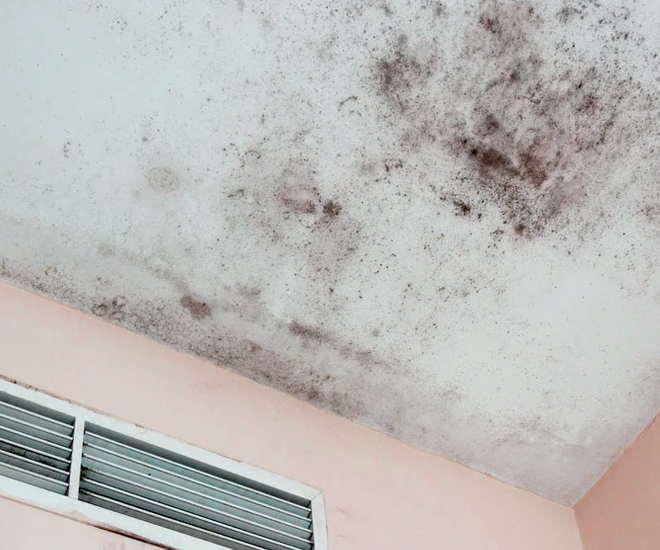
Vinegar is a popular choice for cleaning mold at home. It is a natural and safe solution. Many people trust vinegar because it kills mold effectively. Unlike strong chemicals, vinegar is gentle on most surfaces. It also does not leave harmful residues behind. Using vinegar can help you keep your home clean without harsh toxins. Understanding how vinegar works can help you use it better for mold removal.
Why Vinegar Works Against Mold
Vinegar contains acetic acid. This acid kills many types of mold. It breaks down the mold’s structure. Without a strong structure, mold cannot grow back. Vinegar also lowers the pH level on surfaces. Mold prefers a higher pH to survive. The acidic environment stops mold from spreading. Vinegar’s strength lies in its natural ability to fight mold. It works without harsh chemicals or poisons.
Types Of Vinegar For Mold Removal
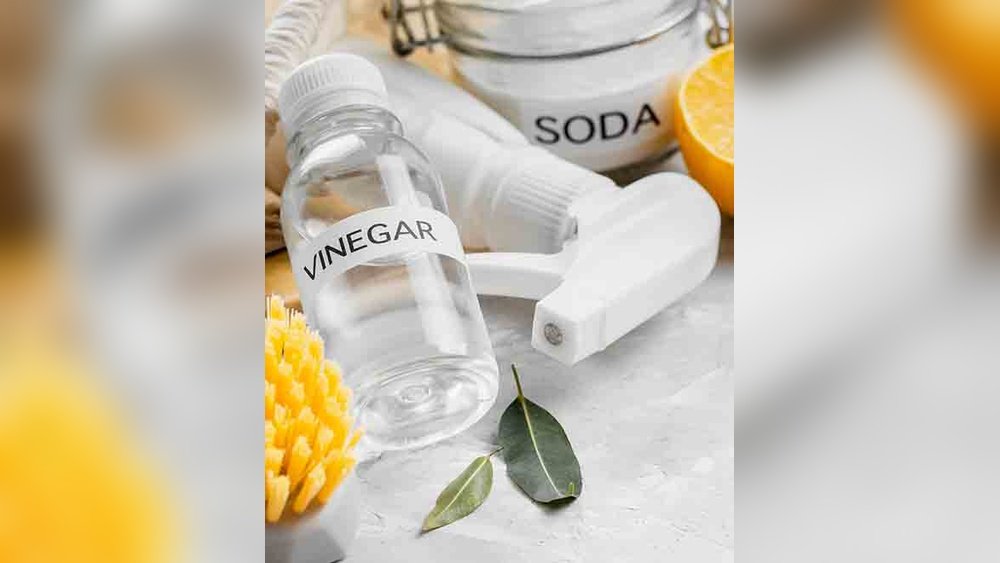
White distilled vinegar is best for mold cleaning. It has 5% acetic acid, enough to kill mold. This vinegar is clear and won’t stain surfaces. Avoid using flavored or colored vinegars. These can leave marks or not work well. Apple cider vinegar also has acetic acid but may stain. For best results, use plain white vinegar. It is cheap, safe, and effective for mold removal.

Effectiveness Of Leaving Vinegar Overnight
Leaving vinegar on mold overnight is a popular method to fight mold effectively. Vinegar is acidic and can break down mold spores. The longer it stays on the surface, the better it works. This section explains how vinegar kills mold over time and how long you should leave it for the best results.
How Vinegar Kills Mold Over Time
Vinegar contains acetic acid. This acid destroys the cell structure of mold. It stops mold from growing and spreading. The acid also breaks down mold stains on surfaces. Over several hours, vinegar penetrates deep into porous materials. This weakens mold roots and makes removal easier. Simply wiping vinegar off too soon may leave mold alive.
Recommended Duration For Maximum Impact
Leaving vinegar on mold for at least 8 hours is ideal. Many experts suggest applying vinegar before bedtime. Let it sit overnight without rinsing. This gives vinegar time to kill mold thoroughly. Some tough mold may need up to 12 hours. Avoid washing the area too quickly. Let the vinegar work fully to prevent regrowth.
Safe Application Tips
Applying vinegar to mold needs care for safe and effective results. Follow simple steps to protect your surfaces and avoid damage. These tips help you clean mold without extra problems.
Preparing The Surface
Clear the area around the mold first. Remove loose dirt and dust with a dry cloth. Make sure the surface is dry before applying vinegar. Use gloves to protect your skin from mold and vinegar. Test a small hidden spot with vinegar to check for any reaction. Good preparation helps vinegar work better and keeps the area safe.
Avoiding Damage To Materials
Vinegar is acidic and can harm some materials. Avoid using it on marble, natural stone, or hardwood. Use a diluted vinegar mix for sensitive surfaces. Do not leave vinegar on delicate materials for more than an hour. Always rinse the area with water after treatment. Proper care protects your items while removing mold effectively.

Steps To Remove Mold With Vinegar
Removing mold with vinegar is simple and effective. Follow clear steps to get rid of mold safely. Vinegar kills most mold types and stops them from growing back. Use white distilled vinegar for best results.
Applying Vinegar Correctly
Pour vinegar into a spray bottle without watering it down. Spray the moldy surface until it is fully wet. Let the vinegar sit on the mold for at least 8 hours or overnight. This time allows vinegar to break down mold spores. Avoid wiping the vinegar off too soon. For thick mold, apply a second coat and wait again.
Post-treatment Cleaning
After vinegar has worked, scrub the area with a brush or cloth. Use warm water to rinse the surface gently. Dry the area completely to stop mold from returning. Dispose of any cloths or brushes used on mold carefully. Repeat the process if any mold remains visible. Keep the area ventilated to help drying.
Limitations And Alternatives
Vinegar is a popular choice for removing mold, but it has its limits. Knowing these limits helps you clean safely and effectively. Sometimes, vinegar may not fully solve the mold problem. Other natural options can help when vinegar falls short.
When Vinegar Might Not Be Enough
Vinegar works well on small mold patches on non-porous surfaces. It kills many types of mold but not all. Mold in deep cracks or porous materials like wood and drywall can survive vinegar treatment. Strong mold infestations may need stronger cleaners or professional help. Leaving vinegar on overnight helps but won’t fix severe mold.
Other Natural Mold Removers
Baking soda is a gentle option that removes mold and deodorizes. Mix it with water to create a paste or spray solution. Tea tree oil kills mold spores and smells pleasant. Use a few drops mixed with water in a spray bottle. Hydrogen peroxide is another effective natural cleaner. It works well on porous surfaces but should be tested first. These options can work alone or with vinegar for better results.
Health And Safety Precautions
Using vinegar to remove mold is common and effective. Still, safety should be a top priority. Vinegar is acidic and can irritate skin and eyes. Mold spores can cause breathing problems. Taking health and safety precautions protects you and your home.
Proper steps help reduce risks during cleaning. Prepare before applying vinegar and leaving it overnight on mold. Careful handling makes the process safer and more successful.
Protective Gear To Use
Wear gloves to protect your hands from vinegar and mold. Use rubber or latex gloves for better safety. Cover your eyes with goggles to avoid splashes. A mask or respirator stops mold spores from entering your lungs. Long sleeves and pants protect your skin from contact. Dress properly before starting the cleaning process.
Ventilation And Indoor Air Quality
Keep windows open to let fresh air in. Use fans to move air outside the room. Good airflow reduces vinegar smell and mold spores in the air. Avoid breathing in strong fumes by ventilating well. Close doors to prevent spores from spreading to other rooms. Ventilation helps keep the air clean and safe.
Frequently Asked Questions
How Long Should Vinegar Stay On Mold Overnight?
Vinegar can safely stay on mold for 8 to 12 hours overnight. This duration allows vinegar’s acetic acid to effectively kill mold spores and prevent regrowth.
Can Leaving Vinegar On Mold Overnight Damage Surfaces?
Vinegar is generally safe on most surfaces but may damage natural stone or hardwood. Always test a small area before overnight application to avoid damage.
Is Vinegar Effective For Mold Removal Overnight?
Yes, vinegar is a natural, effective mold remover. Leaving it overnight ensures deep penetration, killing mold and preventing future growth without harsh chemicals.
Should Vinegar Be Rinsed Off After Overnight Mold Treatment?
Yes, rinse the area with water after vinegar treatment. This removes dead mold and vinegar residue, ensuring a clean, mold-free surface.
Conclusion
Vinegar works well to remove mold if left overnight. It kills mold spores and stops regrowth. Avoid leaving vinegar too long on some surfaces to prevent damage. Always rinse the area after treatment for best results. Regular cleaning helps keep mold away for good.
Simple steps make your home safer and fresher. Try vinegar as a natural, easy mold cleaner.