

Remove hair from a stick vacuum by cutting, loosening, and pulling it from the brush roll and attachments.
If you have ever watched hair wrap around a stick vacuum like thread on a spool, you are not alone. I have cleaned enough cordless vacuums to know this is one of the most common maintenance jobs, and it matters more than most people think. When you remove hair from a stick vacuum the right way, you protect suction, keep the brush roll spinning freely, and help the machine last longer.

Why hair clogs a stick vacuum so fast
Hair is light, stringy, and easy to trap. Once it starts winding around the brush bar, it can act like a tight belt that slows the roller down. Over time, that buildup can also collect dust, lint, and pet fur, which makes the vacuum work harder than it should.
I have seen this happen most often in homes with long hair, shedding pets, or carpets that hold onto fibers. Even a strong stick vacuum can lose cleaning power if the brush roll gets packed. That is why learning how to remove hair from a stick vacuum is simple but very worth it.
What you need before you start
Before you remove hair from a stick vacuum, gather a few basic tools. You do not need anything fancy, but the right tools make the job faster and safer.
• Scissors or seam ripper
• Small knife or blade, if the vacuum maker allows it
• Tweezers or needle-nose pliers
• Microfiber cloth
• Mild soap and water for washable parts
• A trash bag or paper towel
Always unplug the vacuum or remove the battery first. That sounds obvious, but I have seen people skip this step when they are in a hurry. A powered brush roll can start moving suddenly, and that is not a risk worth taking.
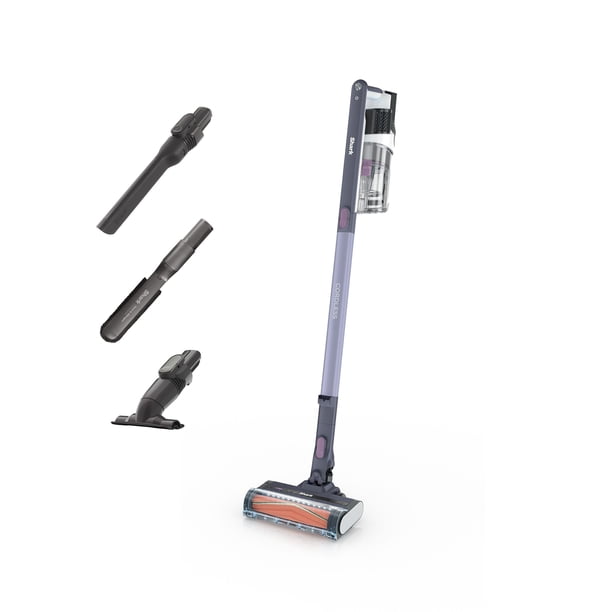
How do you remove hair from a stick vacuum step by step
The best way to remove hair from a stick vacuum is to work from the brush roll outward. Start with the main brush head, then move to attachments, filters, and the bin area. Go slowly so you do not damage the bristles, bearings, or plastic parts.
1. Turn off and disassemble the vacuum
Remove the battery if your model uses one. Then detach the wand, floor head, and any tools you can access easily. This gives you clear access to the places where hair tends to wrap.
If your vacuum manual shows how to open the brush cover, follow that guide. Different brands use different latches, screws, and release tabs. I always recommend checking the manual first because forcing a cover open can crack the housing.
2. Open the brush roll area
Most stick vacuums have a bottom plate or brush guard that pops off, slides off, or unscrews. Once open, inspect the roller closely. Hair often hides near the ends of the brush roll, not just in the center.
If you see hair tight against the side caps, that is usually the part people miss. In my own cleaning routine, I almost always find the worst buildup at the edges where the roller meets the housing. That small spot can make the whole brush feel stuck.
3. Cut the wrapped hair carefully
Use scissors, a seam ripper, or a small blade to slice through the hair along the brush roll. Work in short, careful cuts. Try not to nick the bristles or scrape the roller surface.
For thick hair, make a few cuts down the length of the wrap, then pull the strands free with your fingers or tweezers. If the hair is very tight, a seam ripper can slip under the loop without digging into the roller as much as scissors. The goal is to loosen the hair, not shave the brush roll.
4. Pull out the loosened strands
Once the hair is cut, pull it away in clumps. Tweezers or needle-nose pliers help when strands are wrapped deep around the ends. If the brush roll has removable end caps, take them off only if the manual says it is safe.
This step can feel a little tedious, but patience pays off. Hair often comes off in layers, like peeling tape from a roll. If you rush, you may leave behind a thin web of hair that keeps collecting more debris later.
5. Clean the roller and housing
Wipe the roller with a microfiber cloth. Check the brush chamber, side walls, and any grooves where dirt may hide. If the brush roll is washable, clean it only if the manufacturer says it is safe to do so.
I usually dry everything fully before reassembly. Moisture left inside the head can trap dust and create odors. It can also affect the bearings or motorized brush head over time.
6. Clear hair from the wand, bin, and attachments
Hair does not just wrap around the main brush. It also collects in the wand, crevice tools, mini motorized heads, and around the dust cup inlet.
• Check the wand by looking through it toward light
• Pull out long clumps with a hooked tool or flexible brush
• Empty the dust bin completely
• Remove hair stuck around the filter cage or cyclone area
• Clean pet tools and upholstery brushes by hand
If your vacuum seems weak after you remove hair from a stick vacuum, the clog may be deeper in the airflow path. A narrow blockage can reduce suction just as much as a dirty brush roll.
7. Reassemble and test the vacuum
Put the brush roll and cover back in place. Make sure all latches click shut and that the roller spins freely by hand before turning the vacuum on. Then run the vacuum for a few seconds on a clean floor to confirm that suction and rotation are normal.
This final test is important. I have had cases where a tiny strand left near the end cap caused the roller to drag. A 30 second test can save a lot of frustration later.
Best ways to remove hair from a stick vacuum without damage
If you want to remove hair from a stick vacuum safely, the main rule is to avoid forcing anything. Stick vacuums are lighter and more compact than uprights, so parts can be more delicate. A gentle method usually works better than brute force.
Use these habits:
• Cut before you pull
• Pull before you pry
• Check the manual before removing screws or caps
• Avoid sharp blades near soft bristles
• Clean in good light so you can see tight wraps
A mistake I see often is using too much force on the roller ends. That can bend the axle or damage the brush cap. Once that happens, the brush may wobble or stop spinning smoothly.
How often you should clean hair from a stick vacuum
How often you need to remove hair from a stick vacuum depends on your home. If you have long hair, kids, or pets, weekly cleaning may be best. In lower-use homes, every few uses may be enough.
A good rule is to inspect the brush roll whenever you empty the dust bin. That quick check takes less than a minute. It is much easier to remove a little hair early than a big mat later.
Signs hair is affecting vacuum performance
Sometimes you can tell hair buildup is becoming a problem before you even open the machine. Watch for these signs:
• Reduced suction
• Brush roll spinning slowly or stopping
• Strange noise from the floor head
• Burning smell or friction smell
• Hair left behind on the floor after cleaning
• Battery draining faster than usual
If your stick vacuum starts acting tired, hair may be one of the reasons. Of course, a dirty filter or full bin can also be the cause. That is why it helps to clean the whole airflow system, not just the roller.
Preventing hair buildup in the future
The easiest way to remove hair from a stick vacuum less often is to slow the buildup in the first place. Small habits make a big difference here.
Try these prevention tips:
• Empty the dust bin before it gets packed
• Check the brush roll after each deep clean
• Use the right cleaning mode for your floor type
• Trim long pet hair if your pet sheds heavily
• Store the vacuum in a dry, clean place
• Wash or replace filters on schedule
• Use motorized tools only when needed
Some vacuums also have tangle-resistant brush bars. These help, but they are not magic. Hair can still wrap around them, just usually less often and in smaller amounts.
Common mistakes to avoid
When people try to remove hair from a stick vacuum, they often make the same few mistakes. Avoiding these can protect your vacuum and save time.
• Cutting too deep and damaging bristles
• Forgetting to remove the battery
• Ignoring the wand and attachments
• Reassembling before parts are fully dry
• Pulling hard on hair that is still tightly wrapped
• Using water on electrical parts
A stick vacuum is a cleaning tool, but it still needs careful handling. Think of the brush roll like a comb and the hair like tangled thread. If you tug the thread before you loosen it, the whole mess tightens up.
Are there tools that make the job easier?
Yes, and they can help a lot if you clean hair often. Dedicated vacuum cleaning tools, seam rippers, and small blade-style cutters can make the process much faster. Some homes also use brush roll cleaning tools made for pet hair removal.
The best tool depends on your vacuum design. For example, a soft-bristle head may need a gentler tool than a heavy-duty carpet brush. If you are cleaning a premium cordless vacuum, it is smart to use the least aggressive tool that gets the job done.
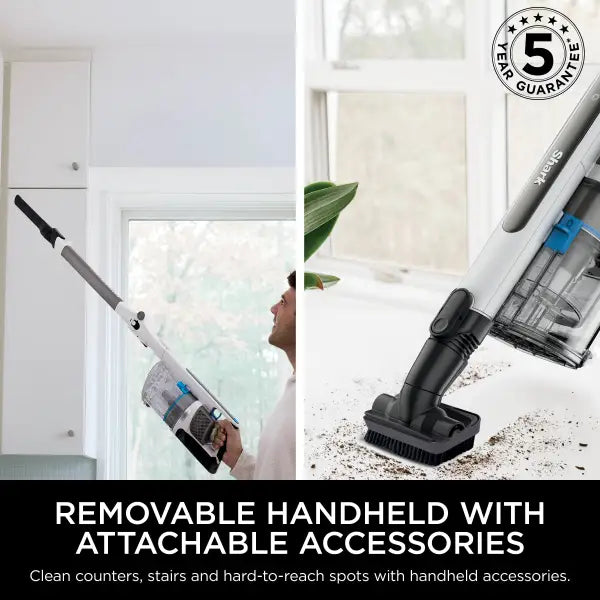
Frequently Asked Questions of How do you remove hair from a stick vacuum?
How do you remove hair from a stick vacuum brush roll?
Turn off the vacuum, open the brush head, and cut the hair that is wrapped around the roller. Then pull the loosened strands off with your fingers, tweezers, or pliers.
Can I use scissors to remove hair from a stick vacuum?
Yes, scissors work well if you are careful. Use short cuts and avoid slicing into the bristles, rubber parts, or roller housing.
Why does my stick vacuum keep getting hair wrapped around it?
Hair wraps around the brush roll because the spinning roller catches long strands and twists them tighter. This is more common in homes with pets, long hair, or carpeted floors.
How do I clean hair out of a stick vacuum filter area?
Remove the dust bin and any washable filter parts, then check the filter cage and airflow path for trapped strands. Pull out visible hair by hand and clean only as the manual recommends.
How often should I clean hair from my stick vacuum?
If you have pets or long hair in the home, check it weekly or after a few uses. In lighter-use homes, cleaning it every couple of weeks may be enough.
What should I do if the brush roll still does not spin after cleaning?
Check for hidden hair around the ends, a clogged wand, or a jammed end cap. If the roller still will not move, the belt, bearing, or motorized head may need service.
Conclusion
Learning how to remove hair from a stick vacuum is one of those small chores that pays off fast. A clean brush roll helps your vacuum pick up dirt better, run more smoothly, and last longer. It also makes the whole machine feel easier to use, which is something you notice right away.
The main idea is simple: cut the wrapped hair, pull it out gently, clean the full airflow path, and keep up with regular maintenance. If you make this part of your routine, you will spend less time fighting clogs and more time enjoying a vacuum that actually works the way it should. Try these steps the next time your stick vacuum gets tangled, and if you found this helpful, keep exploring more home care tips or leave a comment with your own cleaning trick.

