

Mount a stick vacuum by using the right wall bracket, proper height, and secure studs or anchors.
Mounting a stick vacuum is one of those small home tasks that makes everyday cleaning feel much easier. I’ve seen how a well-placed dock can turn a vacuum from “stored somewhere awkward” into something you actually use without thinking. If you want a clean setup that is safe, stable, and convenient, this guide walks you through exactly how to mount a stick vacuum the right way.
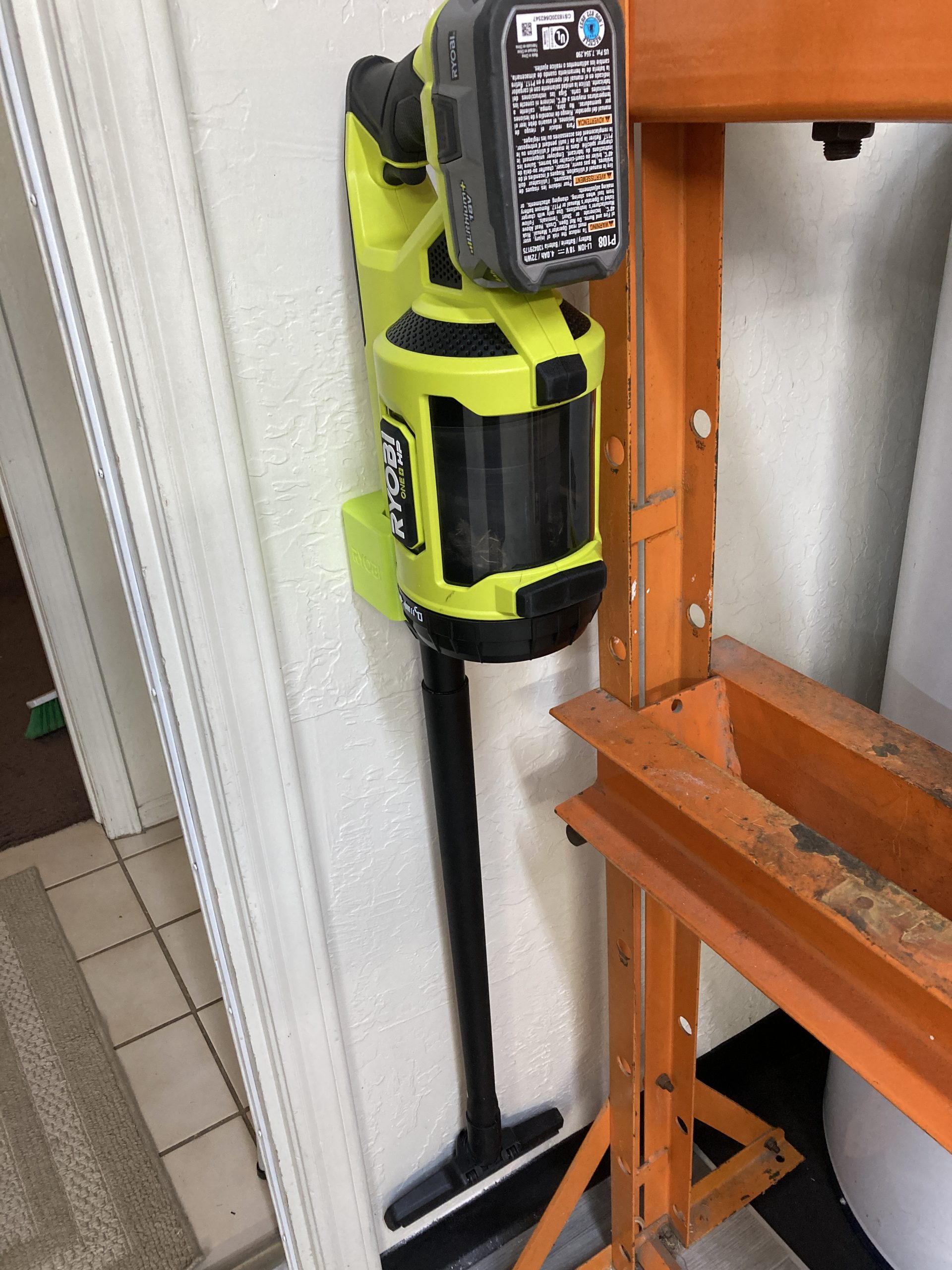
Why mounting a stick vacuum matters
A stick vacuum is light, slim, and built for fast cleanups, but it still needs a proper home. When you mount a stick vacuum correctly, you keep it ready to grab, reduce clutter, and help protect the charger and battery.
A good wall mount also prevents the vacuum from tipping over. That matters more than people think, because repeated falls can crack plastic parts, loosen the dock, or damage the charging connection.
From my experience, the best setups are simple ones. The vacuum should hang or rest without strain, the charger should reach easily, and the mount should feel solid the second you touch it.
What you need before you mount a stick vacuum
Before you start, gather the basic tools and check your vacuum model. Different brands use different docks, so the mounting method can vary a little.
Here’s what you will usually need:
- The vacuum wall mount or docking bracket that came with the vacuum
- A drill
- A stud finder
- A pencil
- A tape measure
- Screws and wall anchors, if included
- A level
- A screwdriver
- A power outlet nearby
It also helps to read the vacuum manual first. Some stick vacuums need the charger clipped into the dock, while others use a separate cord that must be routed before mounting.
How do you mount a stick vacuum step by step
Mounting a stick vacuum is usually simple, but accuracy matters. A dock that is even slightly off can make the vacuum lean, slip, or fail to charge properly.
Follow these steps:
-
Choose the right spot
Pick a place close to a power outlet and easy to reach. Hallways, laundry rooms, closets, and utility spaces are common choices. -
Check the wall surface
Drywall with a stud behind it is ideal. If you only have drywall, use the wall anchors recommended by the manufacturer. -
Hold the mount in place
Position the bracket at a height that lets the vacuum hang naturally. The bottom of the vacuum should not drag on the floor unless the design calls for it. -
Mark the screw holes
Use a pencil to mark where the screws will go. A level helps keep the mount straight, which makes the vacuum look and function better. -
Drill pilot holes
Drill carefully into the marked points. If you are drilling into a stud, use the correct bit size. If you are using anchors, follow the anchor instructions closely. -
Attach the mount securely
Screw the bracket into place. Tighten it firmly, but do not overtighten and strip the holes. -
Route the charging cord
Feed the charger through the mount if the dock allows it. Keep the cord neat so it does not get pinched or pulled. -
Test the vacuum on the dock
Place the vacuum in the mount and make sure it sits securely. Check that the charger connects and the unit begins charging. -
Make a final safety check
Gently tug the dock and the vacuum. If anything shifts, recheck the screws, anchors, or stud placement.
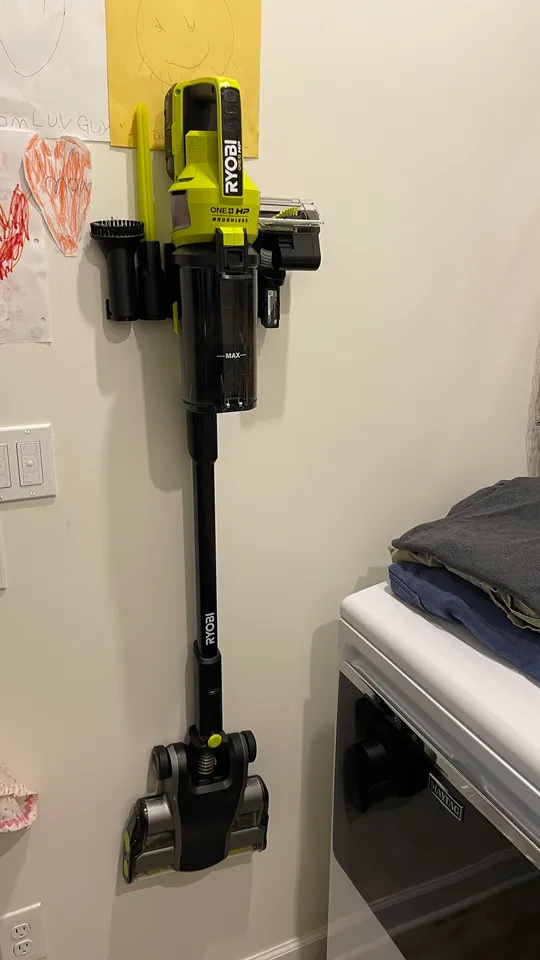
Choosing the best place to mount a stick vacuum
The right location makes a big difference in how often you use the vacuum. A mount hidden too far away tends to get ignored, while a smart spot makes cleanup feel easy.
Good places include:
- Inside a closet near an outlet
- In a laundry room
- In a mudroom
- Beside a pantry or utility cabinet
- On a garage wall, if the vacuum is meant for that space
Try to avoid damp areas unless the manufacturer says it is safe. Moisture can shorten battery life and affect electrical parts over time.
A lesson I learned early: convenience beats perfection. If the dock is easy to reach, you are more likely to return the vacuum after each use.
How high should you mount a stick vacuum?
Height depends on the model, but the goal is simple: the vacuum should sit upright without strain. Most wall mounts work best when the vacuum can rest naturally and the brush head does not press awkwardly into the floor.
A few good rules:
- Follow the manufacturer’s measurements first
- Leave enough room above the vacuum to lift it on and off easily
- Make sure the charger line has some slack
- Avoid placing the dock so low that the vacuum base bangs the floor
If your model has a charging cradle built into the dock, test the fit before drilling the final holes. I always recommend holding the vacuum in place first, just to see how it “wants” to sit.
Common mounting mistakes to avoid
The most common problems are easy to prevent. Most of them come from rushing the setup.
Watch out for these mistakes:
- Mounting without checking for studs
- Placing the dock too far from an outlet
- Skipping the level and ending up with a crooked mount
- Using weak anchors for a heavier vacuum
- Tightly bending the charging cord
- Mounting too low or too high for the vacuum design
- Ignoring the manufacturer’s instructions
One of the biggest mistakes I have seen is people treating every vacuum like it uses the same mount. It doesn’t. A dock that works for one brand may not line up correctly for another.
Safety tips for mounting a stick vacuum
Safety is not complicated here, but it is important. A wall-mounted vacuum may be light, yet it still needs a secure installation.
Keep these tips in mind:
- Turn off power near the outlet if you are drilling close to wiring
- Use a stud finder before drilling into drywall
- Wear safety glasses when drilling
- Keep cords away from sharp edges
- Do not mount over heat sources or wet surfaces
- Make sure children cannot pull on the vacuum if it is installed low
If the vacuum includes a lithium-ion battery, keep the charging area clean and dry. That is good practice for battery life and overall safety.
Can you mount a stick vacuum without drilling?
Yes, sometimes you can, but it depends on the vacuum and the wall surface. Some people use adhesive hooks, freestanding charging stands, or closet organizers instead of drilling.
That said, a drilled wall mount is usually the most stable option. Adhesive methods may work for very light storage, but they are less reliable for long-term charging and daily use.
Here is a simple way to think about it:
- Drilled mount: best for stability
- Adhesive mount: best for temporary or light use
- Freestanding dock: best if you want to avoid wall holes
If you rent or cannot drill, check whether the manufacturer offers a no-drill stand or floor dock. That can be a cleaner solution than improvising with generic hooks.
How to keep the mounted vacuum working well
Mounting the vacuum is only part of the job. A tidy dock helps the vacuum last longer and stay ready when you need it.
Do these simple things:
- Empty the dust bin often
- Clean the filters on schedule
- Check the charging contacts for dust
- Wipe the dock area occasionally
- Inspect screws every few months
- Keep the cord untangled and safe
I like to think of the dock as the vacuum’s parking spot and charging station at the same time. When that spot stays clean and secure, the vacuum tends to stay in better shape too.

Frequently Asked Questions about how do you mount a stick vacuum?
Where should I mount a stick vacuum?
Mount it near a power outlet in a dry, easy-to-reach spot. Closets, laundry rooms, and utility areas usually work well.
Do I need a stud to mount a stick vacuum?
A stud gives the strongest hold, which is ideal for most mounts. If you cannot hit a stud, use the wall anchors recommended by the vacuum maker.
Can I mount a stick vacuum on drywall?
Yes, you can mount it on drywall if you use the correct anchors. Just make sure the mount and vacuum weight are supported properly.
How do I know if the dock is installed correctly?
The dock should feel firm, sit level, and hold the vacuum without wobbling. The charger should connect smoothly, and the vacuum should not lean or slip.
What if my stick vacuum does not come with a wall mount?
Check the manufacturer’s website for a compatible dock or stand. Using a generic mount can work in some cases, but only if the fit and charging setup are safe.
Conclusion
Mounting a stick vacuum is a small project that pays off every day. When the dock is secure, level, and placed in a smart spot, your vacuum is easier to grab, easier to charge, and easier to keep in good shape.
The key is to match the mount to the model, anchor it properly, and choose a location that fits your routine. If you take a few extra minutes to do it right, you will save time and avoid hassle later.
Try the steps above, check your manual, and set up the dock in the place that makes cleaning feel effortless. If you found this guide helpful, explore more home-care tips and leave a comment with your setup questions.

