

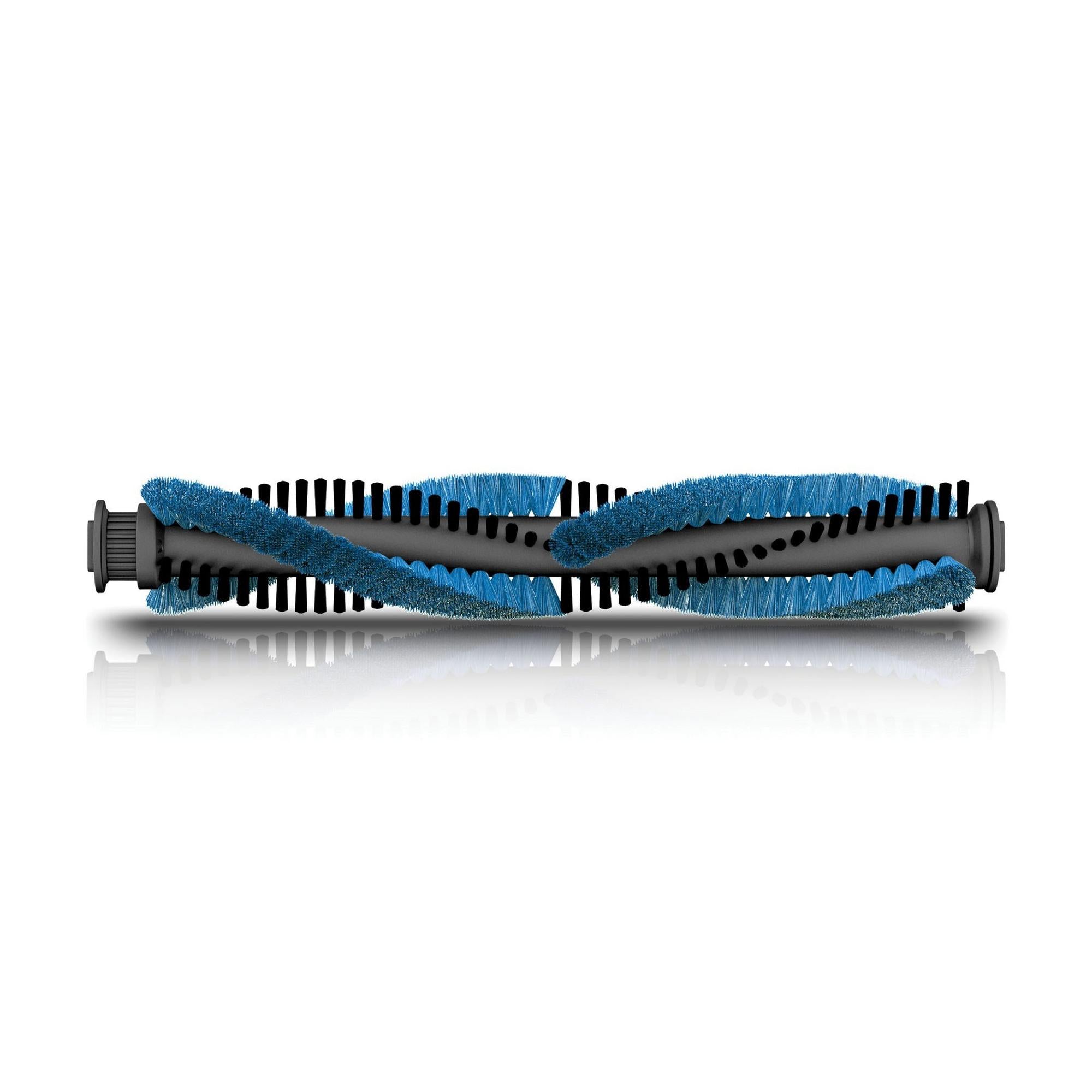
Keeping your vacuum cleaner working well is not just about emptying the dustbin. One of the most important — but often ignored — parts is the vacuum brush roll. This spinning brush at the bottom grabs dirt, hair, and debris from your floors and carpets. But when the brush roll is full of tangled hair and dust, your vacuum loses cleaning power, can overheat, and may even smell bad. Learning how to clean your vacuum brush roll can keep your machine running longer, save you money, and even protect your floors from scratches.
Many people think cleaning a vacuum brush roll is difficult or messy. The truth is, with the right steps, it’s a simple job that only takes a few minutes. Plus, a clean brush roll means better suction, fewer repairs, and a cleaner home.
Let’s dive into a clear, step-by-step guide to help you clean your vacuum’s brush roll like a pro.
Why Cleaning The Vacuum Brush Roll Matters
You might be surprised to know that vacuum performance drops by up to 30% when the brush roll is dirty or tangled. When hair, threads, or pet fur wrap around the brush, it can’t spin properly. This not only reduces cleaning power but also puts extra strain on the vacuum motor. In some cases, a blocked brush roll can even lead to burnt belts or broken parts.
Regularly cleaning this part also helps prevent bad odors from building up inside your vacuum. Dust, food crumbs, and moisture can stick to the brush, creating a perfect home for bacteria and mold. This can make your vacuum smell and even spread germs as you clean.
Finally, letting dirt and debris build up on the brush roll can scratch sensitive floors, especially hardwood or laminate surfaces. The tangled mess acts like sandpaper, leaving marks that are hard to remove.
Signs Your Vacuum Brush Roll Needs Cleaning
How do you know if your brush roll needs attention? Look for these common signs:
- The vacuum leaves dirt behind, even after several passes.
- You hear strange noises (squeaking, rattling) from the brush area.
- The brush roll spins slowly or not at all.
- There’s a burning smell during use.
- You see lots of hair or debris wrapped around the brush.
Ignoring these warning signs can shorten your vacuum’s life and hurt cleaning results.
Tools And Supplies You’ll Need
Cleaning your vacuum brush roll doesn’t require special tools. Most people already have what they need at home. Here’s a quick checklist:
- Scissors or seam ripper (for cutting hair or threads)
- Screwdriver (for some models)
- Old toothbrush or cleaning brush
- Soft cloth or paper towels
- Mild dish soap
- Small bowl of warm water
- Gloves (optional, for hygiene)
- Trash bag or bin (for collected debris)
Always check your vacuum’s manual for any special instructions or warnings before starting.
Step-by-step Guide To Cleaning A Vacuum Brush Roll
Cleaning the brush roll is easy if you follow the right steps. Here’s a detailed guide:
1. Unplug The Vacuum
Safety comes first. Always unplug your vacuum before you start. This prevents accidental starts and protects you from electric shocks.
2. Access The Brush Roll
Turn your vacuum upside down or on its side. Most vacuums have a bottom plate or cover held by clips or screws. Remove it using your hands or a screwdriver.
Some vacuums use a quick-release button for easy access. If you’re not sure, check your model’s manual.
3. Remove The Brush Roll
Gently pull the brush roll out. In many vacuums, it slides out easily; in others, you may need to disconnect a belt. Take a moment to notice how the brush and belt fit together — snapping a quick photo with your phone can help during reassembly.
4. Cut Away Hair And Threads
Use scissors or a seam ripper to carefully cut away any hair, string, or threads wrapped around the brush. Be careful not to cut the bristles or damage the brush.
Pro Tip: Slide the seam ripper along the groove (if your brush roll has one) to make cutting easier.
5. Remove Dust And Debris
Use your fingers, an old toothbrush, or a small cleaning brush to pull off dust, lint, and other debris. Pay special attention to the ends of the brush roll, where dirt often builds up.
6. Clean The Brush Roll
Fill a small bowl with warm, soapy water. Dip the brush roll (not the ends with bearings or metal parts) into the water and use a brush to scrub away stubborn dirt. Rinse with clean water and dry thoroughly with a towel.
Caution: Don’t soak or submerge parts with bearings, belts, or electrical contacts.
7. Wipe The Housing And Belt
While the brush dries, use a damp cloth or paper towel to clean the area inside the vacuum where the brush sits. Wipe the belt gently to remove dust, but don’t use water if the belt is rubber — it can stretch or crack.
8. Reassemble And Test
Once the brush roll is dry, put it back in place. Make sure the belt is correctly positioned and not twisted. Replace any covers or screws. Plug the vacuum back in and do a quick test run to make sure the brush spins freely.
How Often Should You Clean The Brush Roll?
How often you clean your brush roll depends on your home:
- Homes with pets or long hair: Every 1–2 weeks
- High-traffic areas or carpets: Every month
- Light use or no pets: Every 2–3 months
If you notice your vacuum losing power or leaving dirt behind, check the brush roll even sooner.
Differences Between Brush Rolls: Upright, Canister, And Stick Vacuums
Not all brush rolls are created equal. Here’s a comparison to help you understand the main types:
| Type | Common Size | Brush Material | Cleaning Difficulty |
|---|---|---|---|
| Upright Vacuums | Wide (10–14 inches) | Nylon bristles | Moderate |
| Canister Vacuums | Medium (8–12 inches) | Mix of nylon and felt | Easy–Moderate |
| Stick/Robot Vacuums | Narrow (6–10 inches) | Rubber & soft brush | Easy |
Stick and robot vacuums often have brush rolls that pop out easily, while upright vacuums may need a screwdriver. Always check your model’s instructions.

Common Mistakes To Avoid
Many people make simple mistakes when cleaning their brush roll. Here are a few to watch out for:
- Skipping the unplug step: Always unplug before opening your vacuum.
- Forgetting to dry the brush: Wet parts can damage the vacuum or grow mold.
- Cutting bristles accidentally: Only cut hair or threads, not the actual brush.
- Mixing up the belt: Make sure the belt is not twisted or stretched when you reassemble.
- Using harsh chemicals: Stick to mild dish soap to avoid damaging plastic or rubber parts.
Extra Tips For Better Vacuum Maintenance
- Check the belt: If your vacuum uses a rubber belt, inspect it for cracks or wear. Replace it if it’s stretched or damaged.
- Lubricate bearings: Some brush rolls have bearings at each end. If they squeak, a drop of sewing machine oil can help. Never use too much.
- Replace the brush roll: If the bristles are worn down, bent, or missing, it’s time for a new one. Most last 1–2 years with regular use.
- Use a cleaning mat: Place a towel or mat under your vacuum when cleaning to catch falling debris and protect your floor.
- Vacuum filter care: While cleaning the brush roll, also check and clean or replace the vacuum filters for better air quality.
Quick Comparison: Manual Vs. Self-cleaning Brush Rolls
Some newer vacuums advertise “self-cleaning” brush rolls. But do they really work as well as cleaning by hand? Here’s a look:
| Feature | Manual Cleaning | Self-Cleaning Brush Roll |
|---|---|---|
| Removes All Hair | Yes (if done carefully) | Most, but not all |
| Removes Fine Dust | Yes | Not always |
| Time Needed | 5–10 minutes | 1–2 minutes |
| Cost | Free | Extra for special models |
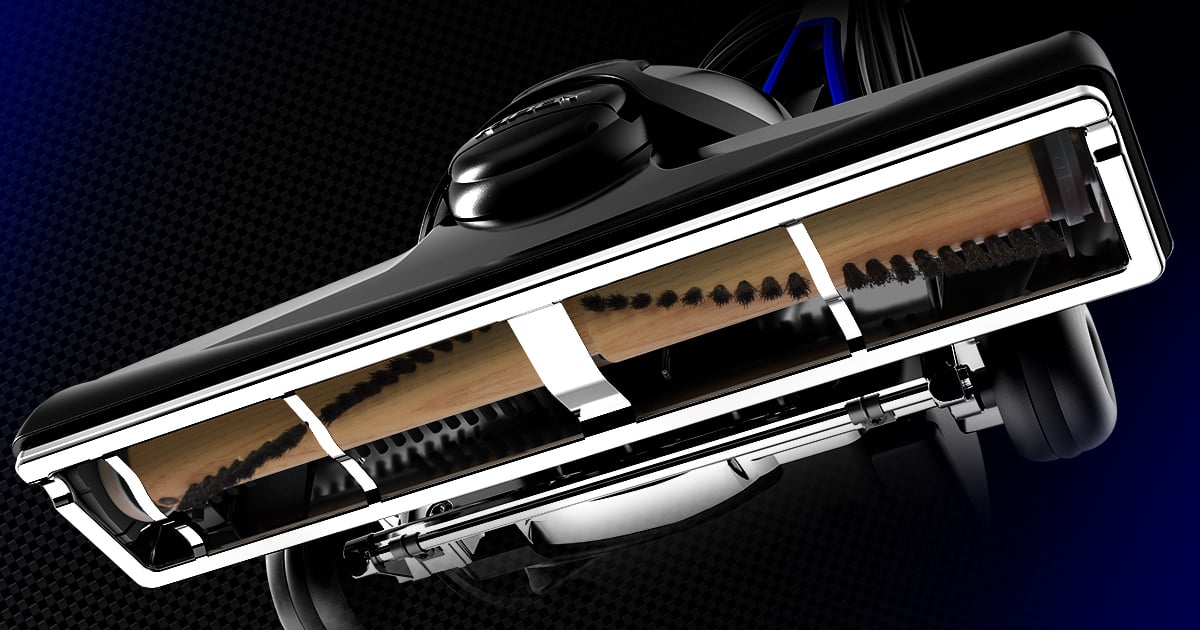
Self-cleaning systems help reduce hair tangles, but you’ll still need to check and clean by hand every so often for best results.
When To Replace Your Vacuum Brush Roll
Even with regular cleaning, brush rolls wear out over time. Signs you need a new one include:
- Bristles are flat, frayed, or missing.
- The brush roll is cracked or warped.
- It makes loud noises or won’t spin smoothly after cleaning.
Most brands recommend replacing the brush roll every 12–24 months, depending on use. Using a worn-out brush roll reduces cleaning efficiency and can damage your vacuum.
Environmental Impact: Proper Disposal Of Old Brush Rolls
Throwing away old brush rolls can add to landfill waste. Some local recycling programs accept vacuum parts made of plastic or metal. Check with your city’s recycling rules before tossing old parts. If the brush roll is mostly plastic, remove metal pieces and place them in the correct bin.
Frequently Asked Questions
How Do I Know If My Vacuum Brush Roll Is Spinning Properly?
A healthy brush roll spins freely and makes light contact with the floor. If it stops often or moves slowly, unplug the vacuum and check for tangled hair, a broken belt, or worn bearings.
Can I Use Any Soap To Clean My Vacuum Brush Roll?
Mild dish soap is best. Avoid strong chemicals, bleach, or abrasive cleaners, as they can damage plastic and rubber parts.
What If My Vacuum Brush Roll Still Smells After Cleaning?
If odor remains, soak the brush roll in a mix of warm water and a little baking soda for 15 minutes, then rinse and dry well. Also, check for hidden debris in the vacuum housing or filters.
Do Robot Vacuums Need Brush Roll Cleaning Too?
Yes, even robot vacuums need regular brush roll cleaning, especially if you have pets. Their smaller brush rolls can clog quickly and reduce cleaning power.
Where Can I Find Replacement Brush Rolls For My Vacuum?
Most brands sell replacement brush rolls online or at appliance stores. Always use the model number to find the right part. For more tips, see this Consumer Reports guide.
A clean vacuum brush roll keeps your floors looking great and your machine working its best. With regular care, you’ll get better cleaning results, avoid repairs, and extend your vacuum’s life. Make it a habit, and your home — and your wallet — will thank you.

