

Choosing the right dart board isn’t just about picking what looks good in the store. Whether you want a dart board for fun, practice, or competition, making the best choice means understanding the types, features, materials, and what matters for your space and skill level.
With dozens of options out there, picking the wrong board can mean wasted money or frustration. But with the right guidance, you can find a dart board that fits your needs perfectly.
Types Of Dart Boards
Dart boards are not all the same. The two main types are bristle dart boards and electronic dart boards. There are also coiled paper and magnetic boards, which are mostly used for kids or casual play.
Bristle Dart Boards
These are the boards used in professional competitions. Made from sisal fibers, bristle boards are durable and self-healing. This means the holes close up after you pull out the darts. Bristle boards are good for steel-tip darts and last longer than most other types.
Electronic Dart Boards
Electronic boards are usually made from plastic and have tiny holes to catch soft-tip darts. They keep score automatically and often have many built-in games. Electronic boards are safer for children and great for parties.
Coiled Paper Dart Boards
These are cheap and best for beginners or casual play. They wear out quickly and don’t self-heal, so you will see holes after a few games.
Magnetic Dart Boards
Magnetic boards use flat, magnetized darts. They are safe for young kids and are often used as toys, not for serious play.
| Type | Main Use | Durability | Dart Type | Typical Price |
|---|---|---|---|---|
| Bristle | Professional/Practice | High | Steel-tip | $30-$100 |
| Electronic | Casual/Family | Medium | Soft-tip | $40-$200 |
| Coiled Paper | Beginner/Temporary | Low | Steel-tip | $10-$30 |
| Magnetic | Kids/Toy | Low | Magnetic | $15-$40 |
Materials And Build Quality
The material of your dart board affects how long it lasts, how well the darts stick, and how much maintenance it needs. The best boards use high-grade sisal fibers. Cheaper boards use paper or cork, which wear out fast.
Sisal Fiber Boards
Sisal is a tough plant fiber. Boards made from sisal are tightly packed, so holes close up after play. This is why pro boards last for years. Look for boards with thin wiring and no staples to reduce bounce-outs.
Cork And Paper Boards
Cork is soft and cheap but does not self-heal. Paper boards are even less durable. These are fine for kids but not for adults who want regular practice.
Plastic In Electronic Boards
Electronic boards use plastic and are designed for soft-tip darts. Good models have tightly packed holes and strong sensors for accurate scoring.
| Material | Self-Healing | Recommended For | Average Lifespan |
|---|---|---|---|
| Sisal | Yes | Adults, Competitions | 3-10 years |
| Cork | No | Kids, Occasional Use | 6-12 months |
| Paper | No | Casual Play | 2-6 months |
| Plastic | No | Electronic Boards | 2-5 years |

Dart Board Size And Dimensions
Official dart boards are 18 inches in diameter, with a playing area of 15.5 inches. Most bristle boards follow this standard. Electronic boards often have smaller scoring areas.
Choosing the right size means thinking about your space. If you play in a small room, a smaller board may work, but you may not get a real dart experience. For most players, the standard size is best.
Tip: For tournaments or serious practice, always choose a board with standard measurements.
Wiring And Number Ring
Wiring on a dart board divides the scoring zones. Thinner wires reduce bounce-outs and make scoring easier. Some boards use staple-free wiring, which means darts don’t hit metal and bounce off.
The number ring shows the numbers for scoring. Some boards have a removable ring, which lets you rotate the board. Rotating helps the board wear evenly, so it lasts longer.
Staple-free Vs Stapled Wiring
Staple-free wiring is better because darts hit the scoring area more often. Beginners often miss this detail and end up with boards that cause frustration. Look for thin, staple-free wiring when buying.
Mounting And Space Requirements
Where you place your dart board matters. You need at least 7 feet 9¼ inches from the board to the throw line for steel-tip darts. Electronic boards sometimes use a shorter distance.
Make sure your wall is strong enough. Bristle boards are heavy, and you need secure mounting. Some boards come with mounting kits, but others do not. Always check before buying.
Non-obvious insight: If you play often, use a backing board or cabinet to protect your walls from stray darts.
Choosing Between Steel-tip And Soft-tip Darts
Your dart board choice affects which darts you use. Bristle boards are for steel-tip darts. Electronic boards are for soft-tip darts. Steel-tip darts are heavier and more precise. Soft-tip darts are lighter and safer, especially for kids.
Dart Compatibility
- Bristle: Steel-tip only
- Electronic: Soft-tip only
- Magnetic: Magnetic darts only
Using the wrong darts can damage your board or cause injury.
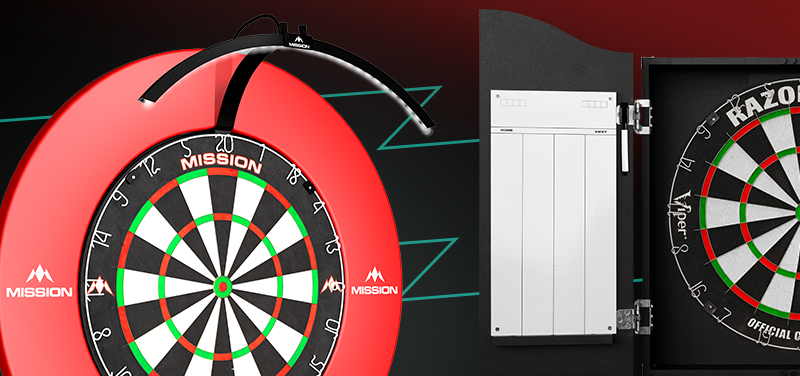
Features For Practice And Competition
If you want to improve your skills, look for boards with high-visibility colors, thin wiring, and a rotatable number ring. Electronic boards are good for practice because they keep score and have many game options.
Some boards have built-in lighting or scoring apps. These extras can help, but the basics—good materials and proper size—are most important.
Price And Value
Dart boards range from $10 to $200. Cheaper boards are for casual play or kids. Quality boards for adults usually cost $30 to $100. Electronic boards can be expensive, but you pay for features.
Non-obvious insight: Sometimes, mid-priced boards offer better value than expensive ones. Check reviews and ratings before buying.
| Price Range | Type | Main Features | Best For |
|---|---|---|---|
| $10–$30 | Paper, Magnetic | Basic, lightweight | Kids, Casual Play |
| $30–$100 | Bristle | Durable, staple-free | Practice, Competition |
| $40–$200 | Electronic | Multiple games, auto scoring | Family, Parties |

Mistakes To Avoid When Buying
Beginners often make choices based on looks or price. Here are mistakes to avoid:
- Ignoring board material: Cheap boards wear out fast.
- Choosing the wrong dart type: Steel-tip vs soft-tip matters.
- Not checking wiring: Thick wires and staples cause bounce-outs.
- Buying the wrong size: Smaller boards don’t give a true experience.
- Skipping mounting needs: Heavy boards need strong walls.
- Overpaying for features: Fancy extras are nice but not always needed.
Practical Tips For Choosing Your Dart Board
- Think about who will play. Kids? Adults? Beginners?
- Measure your space. Make sure you have enough room.
- Decide if you want manual scoring or automatic.
- Look for boards with rotatable number rings.
- Read reviews from other buyers.
- Visit a local store to see boards in person if possible.
- Ask about warranty and return policy.
If you need more help, check the official rules and guidance from the World Darts Federation at World Darts Federation.
Frequently Asked Questions
What Is The Best Dart Board For Beginners?
For beginners, a bristle dart board is best if you plan to use steel-tip darts. They are durable and give a real playing experience. If safety is your main concern, an electronic board with soft-tip darts is a good option.
Can I Use Steel-tip Darts On An Electronic Dart Board?
No, you should not use steel-tip darts on electronic boards. They can damage the plastic holes and sensors. Always use soft-tip darts with electronic boards.
How Do I Know If A Dart Board Is Durable?
Check the material. Sisal fiber boards are most durable. Look for staple-free wiring and rotatable number rings. Read reviews for information about how long the board lasts.
What Is The Proper Distance From The Dart Board To The Throw Line?
The official distance is 7 feet 9¼ inches (2.37 meters) for steel-tip boards. For soft-tip boards, it is usually 8 feet (2.44 meters). Always check your board’s instructions.
How Often Should I Rotate My Dart Board?
Rotating your board every few weeks helps it wear evenly. If your board has a removable number ring, rotate it when you see heavy wear in one area. This keeps your board in good shape longer.
Finding the right dart board is about knowing your needs and understanding the options. Take your time, compare features, and invest in a board that matches your skill level and playing style. With the right board, every throw feels more satisfying and your game improves faster.
The perfect board is out there—you just need to know what to look for.

