When someone is critically ill and lying in an intensive care unit (ICU), their body faces many risks. One of the most serious is bedsores (also called pressure ulcers). These are injuries that happen when skin and tissue under the skin get damaged because of constant pressure—often from lying in one position for too long. Bedsores can be very painful, slow to heal, and can even lead to life-threatening infections. For ICU patients—who are often unable to move or turn by themselves—this risk is much higher.
Modern ICU beds are not just flat surfaces with a mattress. They are designed with advanced technology and special materials to help prevent bedsores from forming. Understanding how these beds work can help both caregivers and families feel more confident about the care their loved ones receive. This article explains in detail how ICU beds help prevent bedsores, what features make a difference, and what else can be done to keep patients safe.
Why Bedsores Are A Major Concern In The Icu
Patients in the ICU are usually very sick or injured. Many cannot move themselves at all, either because of weakness, sedation, or medical equipment attached to them. Without movement, the same parts of the body press against the bed for hours or even days. This pressure blocks blood flow, causing damage to skin and deeper tissues. The most common places for bedsores are:
- Tailbone and lower back
- Heels
- Hips
- Shoulders
- Back of the head
Studies show that up to 30% of ICU patients develop some form of pressure ulcer during their stay. The risk goes up with age, poor nutrition, diabetes, and length of ICU admission. Bedsores can:
- Increase pain and discomfort
- Raise the risk of infection (like sepsis)
- Make hospital stays longer
- Increase medical costs
So, preventing bedsores is not just about comfort—it’s about saving lives and resources.
Key Features Of Icu Beds That Help Prevent Bedsores
Modern ICU beds are designed with pressure relief and patient safety in mind. They use several technologies and design features to reduce risk. Let’s look at the most important ones.
Advanced Mattress Materials
Most standard beds have a basic foam mattress. ICU beds use special materials:
- Memory foam or viscoelastic foam: These molds to the shape of the body, spreading weight more evenly and reducing pressure on any one spot.
- Gel-based layers: Gel inserts help keep the skin cool and further reduce pressure points.
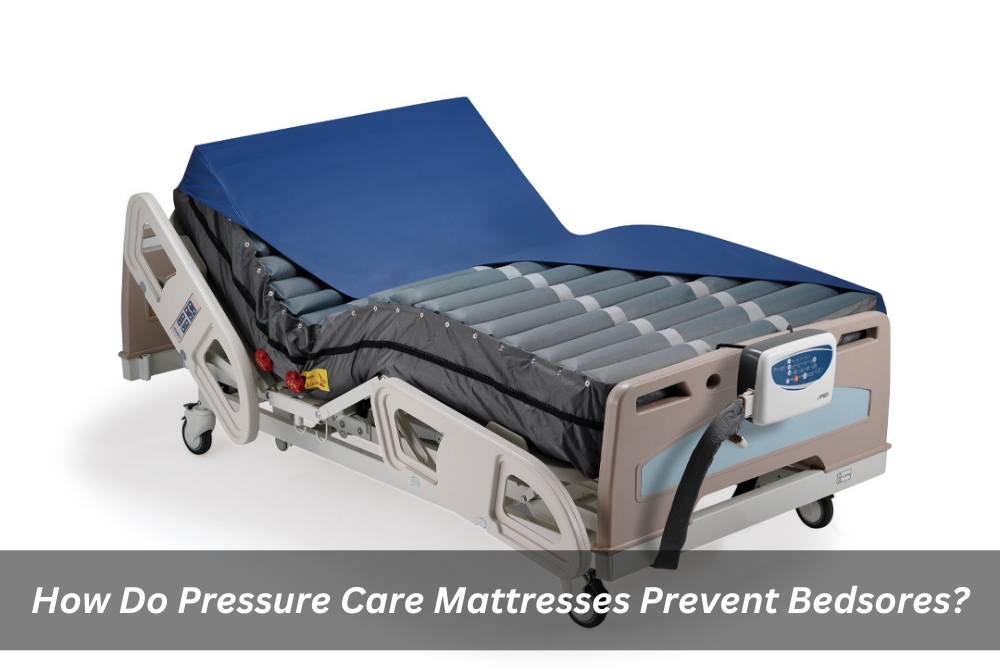
- Air-filled cells: Some mattresses have pockets or chambers that fill with air and shift as needed.
These materials are chosen to distribute pressure away from high-risk areas, so blood keeps flowing and skin stays healthy.
Alternating Pressure Mattresses
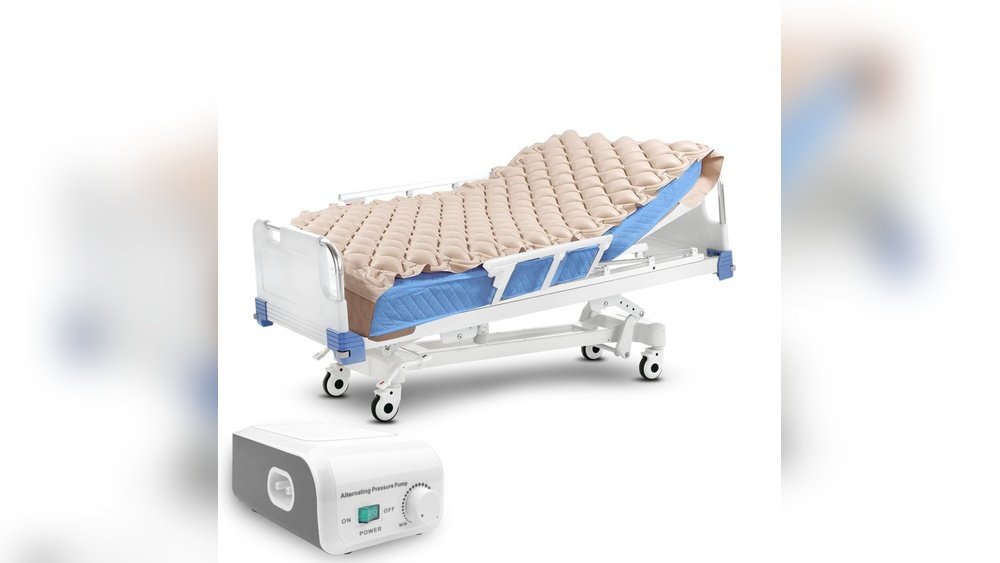
A major innovation in ICU care is the alternating pressure mattress. These mattresses have multiple air chambers inside. A built-in pump inflates and deflates different chambers in a pattern, so the patient’s pressure points change every few minutes. This mimics the effect of moving or turning the patient, without needing physical effort.
How it works:
- Air flows through different parts of the mattress in cycles (usually every 10–15 minutes)
- Pressure shifts from one body part to another
- Blood can circulate properly to all tissues
Alternating pressure mattresses have been shown in studies to lower the risk of pressure ulcers by up to 60% compared to standard hospital mattresses.
Low Air Loss Technology
Another important feature is low air loss. In these beds, air moves through tiny holes in the mattress surface, creating a gentle flow of air around the patient’s skin. This helps in two ways:
- Keeps skin cool and dry (moisture makes sores worse)
- Reduces friction when a patient moves or is turned
Low air loss beds are especially useful for patients who sweat a lot or have wounds that need to stay dry.
Microclimate Management
The microclimate is the temperature and moisture level right at the skin’s surface. Some ICU beds now have sensors and controls to keep this area cool and dry, using fans or moisture-wicking materials. This is important because:
- Wet skin breaks down faster
- Warm, moist environments increase infection risk
By actively controlling the microclimate, beds make the skin stronger and less likely to form bedsores.
Easy Repositioning Features
Manually turning a patient every 2 hours is the gold standard for preventing bedsores. However, this is hard work, especially with heavier or very sick patients. ICU beds often include:
- Electronic tilt and rotation: Bed can tilt to the left or right, or raise the head/legs, with just a button
- Lateral rotation beds: Slowly turn the patient from side to side automatically
- Height adjustment: Makes it easier for nurses to safely move or check the patient
These features help staff turn patients more frequently, reducing pressure on the skin.
Friction And Shear Reduction
Friction happens when skin rubs against the bed surface. Shear happens when skin stays in place but the body moves (like sliding down in bed). Both can cause or worsen bedsores. ICU beds help reduce these with:
- Slippery, smooth mattress covers
- Sheets that move with the patient
- Special coatings or materials that lower skin resistance
By reducing friction and shear, these beds protect delicate skin from extra damage.
Built-in Alarms And Monitoring
Some high-end ICU beds now include sensors and alarms that track:
- How long a patient has been in one position
- Moisture levels on the skin
- Patient movement or lack of movement
If a patient needs to be turned or if skin becomes too moist, the bed alerts staff. This helps keep care on schedule and reduces the chance that repositioning will be forgotten during a busy shift.

How Icu Beds Compare To Standard Hospital Beds
The technology in ICU beds is very different from regular hospital beds. Here’s a quick comparison to show the differences:
| Feature | Standard Hospital Bed | ICU Bed |
|---|---|---|
| Mattress Type | Basic foam or spring | Advanced foam, gel, or air |
| Pressure Relief | Minimal | Alternating pressure, low air loss |
| Repositioning | Manual only | Electronic tilt, automatic rotation |
| Moisture Control | None | Microclimate management |
| Monitoring/Alarms | No | Yes, in advanced models |
These differences explain why ICU beds are much more expensive and why they are used for the sickest, highest-risk patients.
The Science Behind Pressure Relief And Bedsores
Understanding how bedsores form helps explain why ICU beds are designed the way they are. Bedsores develop because:
- Pressure cuts off blood flow to skin and tissues
- Without blood, skin does not get oxygen or nutrients
- After 2 hours or less, skin starts to die
Shear and friction make the problem worse, especially if skin is wet or fragile. ICU beds reduce all these factors by:
- Spreading weight over a larger area
- Changing pressure points regularly
- Keeping skin dry and cool
- Making it easier to move the patient
Here’s a simple breakdown of how different materials and features affect pressure:
| Material/Feature | Pressure Distribution | Skin Moisture |
|---|---|---|
| Basic foam | Poor | No control |
| Memory foam | Good | Minimal control |
| Alternating air | Excellent | Minimal control |
| Low air loss | Excellent | Very good |
| Microclimate system | Excellent | Excellent |
This table shows why the most advanced beds are so important for ICU patients who are at the highest risk.
Practical Steps For Using Icu Beds To Prevent Bedsores
Even the best ICU bed cannot do everything alone. Nurses and doctors use a combination of bed technology and careful care to prevent bedsores. Here’s what usually happens in the ICU:
- Risk assessment: Nurses check every patient for bedsore risk using tools like the Braden Scale.
- Choosing the right bed: High-risk patients get advanced mattresses and features right away.
- Regular repositioning: Patients are turned every 2 hours, either by staff or by automatic bed features.
- Skin checks: Nurses look for early signs of redness or skin breakdown at least once per shift.
- Moisture control: Staff keep skin clean and dry, change sheets often, and use barrier creams if needed.
- Nutrition: Patients are given enough protein, vitamins, and calories to keep skin healthy.
- Education: Family members and caregivers are taught what to watch for.
A good ICU bed makes all of these steps easier and more effective.
Non-obvious Insights About Icu Bedsores Prevention
Many people—even some caregivers—miss a few important details about how ICU beds protect patients:
- Bed choice can be personalized: Not all pressure-relief mattresses are the same. For example, a very heavy patient may need a mattress with a higher weight limit and different air cell design. Some beds can be “tuned” for each patient’s needs.
- Movement sensors may reduce staff workload: Beds that sense when a patient moves can tell nurses if a patient is already shifting enough on their own, so staff can focus efforts where they are needed most.
- Changing the head of the bed matters: Keeping the bed head up too high increases shear and can make bedsores worse. ICU beds allow precise angle adjustments to lower this risk.
- Microclimate matters more than most people think: Even a few hours of wet skin can undo days of pressure relief. ICU beds with active cooling or drying features can make a big difference, especially for patients with fevers or wounds.
- Bed alarms help with compliance: When staff are busy, it’s easy to forget to turn a patient on time. Bed alarms keep the team on schedule, which is proven to reduce bedsores.
Examples From Real Icu Settings
To see the impact of these beds, look at some real-world data:
- A 2017 study from the United States found that bedsores dropped by 58% in one ICU after switching to alternating pressure beds with microclimate management.
- In another hospital, adding bed alarms and electronic tilt features cut bedsore rates in half over 6 months.
- Some ICUs have created “skin teams” to train nurses in using bed features correctly, which improved patient outcomes and staff confidence.
These examples show that the right bed, used the right way, makes a real difference.
Key Mistakes To Avoid With Icu Beds
Even with high-tech beds, mistakes can still happen. Some common errors include:
- Not turning the patient often enough: Relying only on bed features can make staff less careful about manual turning.
- Ignoring moisture management: Pressure relief alone is not enough if the patient’s skin stays wet.
- Using the wrong mattress type: Some patients need more advanced features than others; using a basic mattress for a high-risk patient is a big mistake.
- Setting the bed at the wrong angle: Raising the head of the bed too much increases shear and pressure on the tailbone.
- Not checking the bed regularly: Pumps, air chambers, and alarms can fail—routine checks are vital.
Nurses and doctors must combine technology with careful care and attention.
:max_bytes(150000):strip_icc()/HOSPICE_MYTHS-573c9e155f9b58723debce4a.jpg)
The Role Of Family And Caregivers
Family members can play a big role in preventing bedsores, even in the ICU. Here’s how they can help:
- Ask questions: Make sure your loved one is getting regular turning and that the bed is set up for pressure relief.
- Check skin: If allowed, look for any red or sore spots and tell the nurse if you see changes.
- Encourage nutrition: Eating enough helps skin heal and resist pressure damage.
- Keep the skin dry: If your loved one is sweating or the sheets are wet, let staff know right away.
Being involved can make a big difference in patient outcomes.
The Future Of Icu Bed Technology
ICU beds are getting smarter and safer every year. Some trends to watch for in the near future:
- Artificial intelligence (AI): Beds that learn a patient’s movement patterns and adjust pressure automatically.
- Wireless monitoring: Real-time updates for nurses and doctors through smartphones or tablets.
- Better data tracking: Keeping a detailed record of bed use, pressure changes, and skin checks for every patient.
- Improved materials: New fabrics and mattress gels that keep skin even cooler and drier.
These advances will make it even easier to prevent bedsores and improve patient safety. For more details on new ICU bed technology, see this overview from NIH.
Cost Considerations And Accessibility
Advanced ICU beds are expensive—often costing $10,000 or more per bed. Not all hospitals can afford to upgrade every bed. However, studies show that the cost of treating serious bedsores (including surgery and longer hospital stays) is even higher. Investing in better beds can save money in the long run.
Hospitals often use a mix of standard and advanced beds, giving the best ones to the highest-risk patients. Some health systems offer rental programs for advanced beds when needed.
Frequently Asked Questions
What Are The First Signs Of A Bedsore?
The earliest sign is redness or discoloration on the skin, especially over bony areas. The skin may feel warm, hard, or painful. In people with darker skin, the area might look purple or blue instead of red.
Can Icu Beds Completely Prevent Bedsores?
No bed can guarantee 100% prevention. However, advanced ICU beds with pressure-relief and moisture-control features can greatly reduce the risk when combined with good nursing care.
How Often Should Icu Patients Be Turned?
Most experts recommend every 2 hours. Some ICU beds can turn patients automatically on a set schedule, but staff must still check skin and reposition as needed.
Are Air Mattresses Better Than Foam For Bedsores?
Air mattresses, especially those with alternating pressure, are often better for high-risk patients. They adjust pressure points and help keep skin dry. However, not every patient needs one—nurses decide based on risk.
What Else Helps Prevent Bedsores Besides The Bed?
Other important steps include good nutrition, keeping skin clean and dry, regular skin checks, and using barrier creams or dressings when needed. Family involvement and education also help.
ICU beds are a key tool in the fight against bedsores, but they work best as part of a complete care plan. By understanding the features and science behind these beds, patients, families, and health teams can work together to keep skin healthy and prevent serious complications.