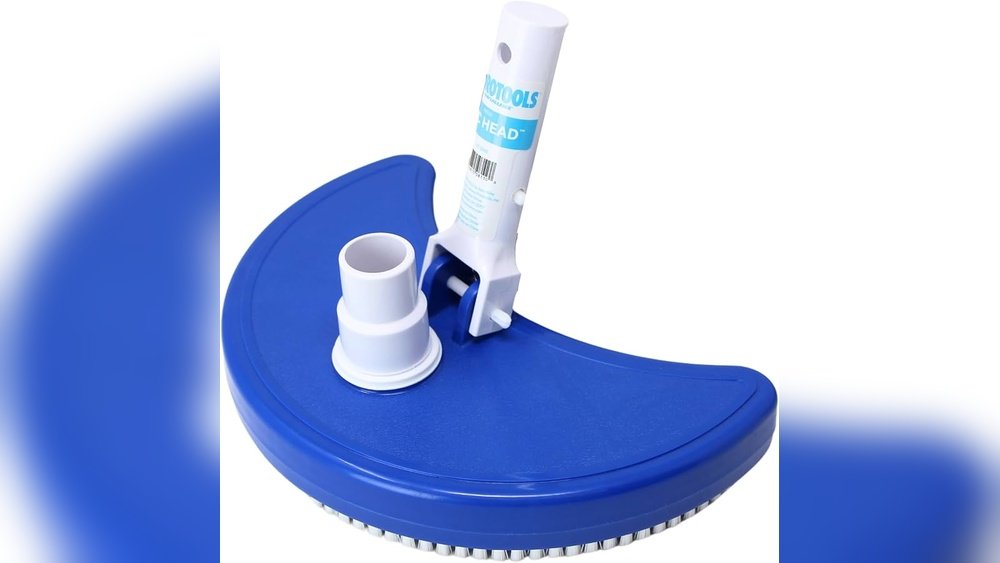
Is your pool vacuum head clogged and slowing down your cleaning? It can be frustrating to see your pool vacuum stuck and not working the way it should.
But don’t worry—you’re not alone, and fixing it is easier than you think. You’ll discover simple steps to unclog your pool vacuum head quickly. By the end, you’ll have a clear, efficient vacuum ready to keep your pool sparkling clean.
Keep reading to get your pool back in perfect shape!
Common Causes Of Clogs
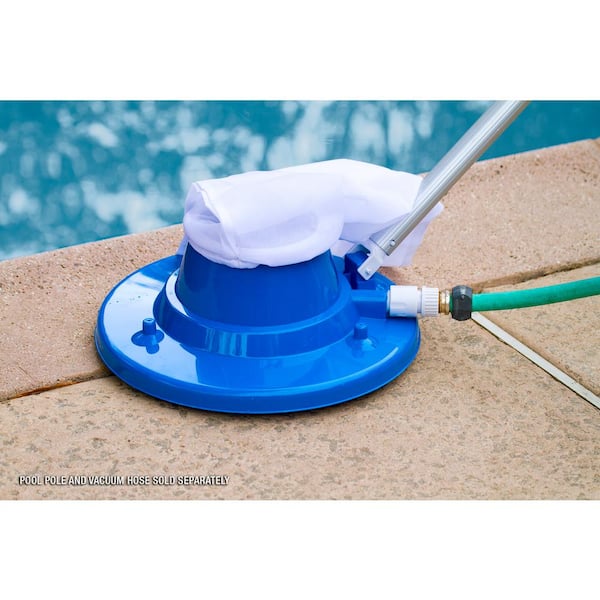
Clogs in a pool vacuum head are common and can stop your cleaning quickly. Understanding what causes these blockages helps you fix the problem fast. Several factors often lead to clogs, from the type of debris to issues with the vacuum hose or filter. Knowing these causes makes it easier to keep your pool vacuum working well.
Debris Types That Block Vacuum Heads
Leaves and twigs are frequent culprits that block vacuum heads. Small pebbles and sand can also clog the suction path. Hair and algae build-up inside the vacuum head slow down cleaning. Some debris gets stuck in the brush or wheels, stopping the vacuum. Clearing these types of debris regularly prevents clogs.
Impact Of Hose And Filter Issues
A twisted or kinked hose reduces water flow and causes blockages. Dirt or debris trapped inside the hose stops suction. A dirty or clogged filter lowers vacuum power and clogs the head. Regularly checking and cleaning the hose and filter avoids these problems. Proper maintenance keeps your vacuum head running smoothly.
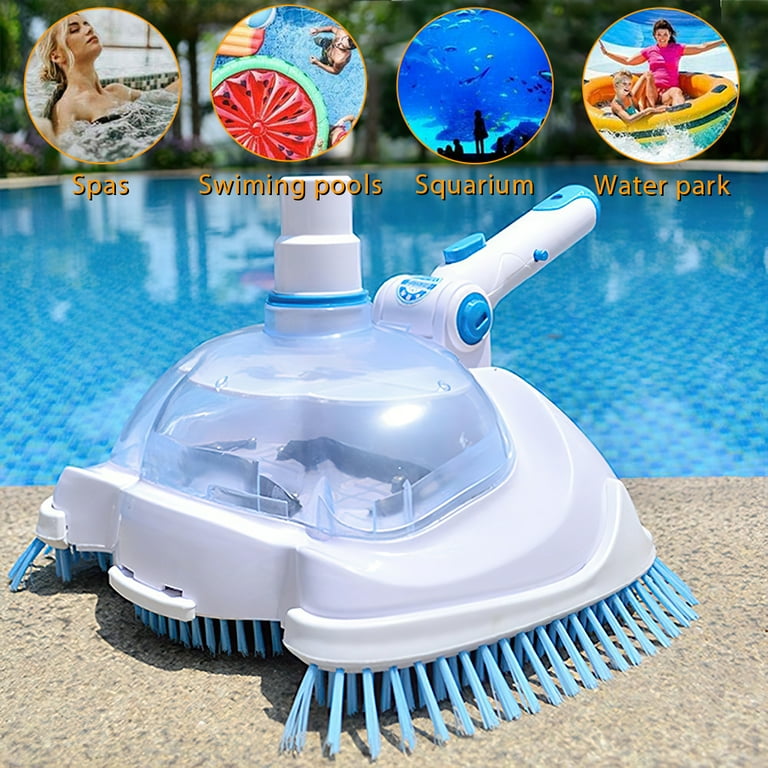
Tools You’ll Need
Unclogging a pool vacuum head requires the right tools. Having these tools ready makes the process faster and easier. Gather everything before you start to avoid interruptions.
Basic Cleaning Supplies
Start with simple supplies you likely have at home. A bucket or container helps hold small parts. Use a soft brush to clean dirt and debris. A garden hose or water source is essential to rinse the vacuum head. Gloves protect your hands from grime and sharp edges. A screwdriver can help open parts if needed.
Specialized Equipment For Stubborn Clogs
Some clogs need special tools for removal. A plumbing snake or flexible wire can reach deep inside narrow tubes. A pair of needle-nose pliers helps pull out tough debris. Compressed air tools blow out stuck dirt in small openings. A vacuum hose attachment fits on some models to suck out clogs. These tools make cleaning thorough and prevent damage.
Step-by-step Cleaning Process
Cleaning a clogged pool vacuum head improves its performance and extends its life. Follow these clear steps to ensure your vacuum head works well. The process is simple and fast. It keeps your pool clean and safe.
Detaching The Vacuum Head
First, turn off the pool pump. Remove the vacuum head from the pole and hose carefully. Lay it on a flat surface. Check for any locks or clips holding it in place. Detaching helps access clogged parts easily.
Clearing Visible Debris
Look inside the vacuum head for leaves, hair, or dirt. Pull out all debris by hand or use a soft brush. Remove anything blocking the suction holes. Cleaning visible debris prevents bigger clogs later.
Flushing Out The Hose
Detach the hose from the vacuum head. Use a garden hose or water source to flush water through it. Push water fast to remove hidden dirt inside. Repeat this a few times for best results.
Reassembling And Testing
Attach the hose back to the vacuum head securely. Connect the vacuum head to the pole. Turn on the pool pump and test the suction. Check if water flows well through the vacuum head. Repeat cleaning if needed.

Tips To Prevent Future Clogs
Preventing clogs in your pool vacuum head saves time and effort. It keeps your pool cleaner and your equipment working longer. Simple habits help avoid blockages and keep everything running smoothly.
Regular Maintenance Schedule
Clean the vacuum head after every use. Check for debris stuck in brushes or wheels. Inspect hoses for dirt or small objects. Make a habit of rinsing parts with water. Regular checks stop clogs before they start.
Proper Storage And Handling
Store your vacuum in a dry, shaded place. Avoid leaving it exposed to sun or rain. Coil hoses gently to prevent kinks or cracks. Handle parts carefully to avoid damage. Good storage keeps the vacuum in top shape.
Using The Right Vacuum Attachments
Choose attachments made for your specific vacuum model. Match hose size and brush type to your pool surface. Avoid using worn or damaged parts. Proper attachments improve suction and reduce clog risks.
When To Seek Professional Help
Knowing when to seek professional help can save time and prevent further damage. Some pool vacuum problems are simple. Others need expert care. Understanding the signs helps you decide the right action.
Signs Of Equipment Damage
Cracks or breaks in the vacuum head or hose show damage. Water leaks from joints or seals. The vacuum loses suction power suddenly. Strange noises come from the vacuum motor or pump. These signs mean the equipment might be broken. Continuing to use it can cause more harm.
Complex Issues Beyond Diy Fixes
Blockages deep inside the vacuum system need special tools. Electrical or motor problems require expert skills. Issues with the pool’s filtration system affect vacuum performance. If cleaning or simple checks do not work, the problem is complex. Professionals have the training to fix these safely and correctly.
Frequently Asked Questions
How Do I Know If My Pool Vacuum Head Is Clogged?
A clogged vacuum head reduces water flow and suction power. Check for debris blocking the brushes or suction holes. If cleaning feels difficult, your vacuum head likely needs unclogging.
What Tools Do I Need To Unclog A Pool Vacuum Head?
You need a garden hose, a soft brush, and possibly a small screwdriver. These help remove debris and clear suction paths effectively without damage.
Can I Use Household Items To Unclog The Vacuum Head?
Yes, a toothbrush and warm water can help remove dirt. Avoid harsh chemicals as they may damage the vacuum head or pool surfaces.
How Often Should I Clean My Pool Vacuum Head?
Clean your vacuum head after every few uses or when suction weakens. Regular cleaning prevents clogs and maintains optimal pool cleaning performance.
Conclusion
Cleaning a clogged pool vacuum head is easier than it seems. Just take it apart, remove debris, and rinse well. Keeping it clear helps your pool stay clean longer. Regular checks prevent dirt buildup and save time. A smooth-running vacuum makes pool care less tiring.
Try these simple steps to keep your vacuum working great. Your pool will thank you for the effort. Small fixes make a big difference in pool cleaning. Stay consistent, and enjoy a sparkling pool every day.