

Replacing a broken vacuum cleaner hose may seem daunting, but it’s quite simple. First, you’ll need the right tools and a compatible hose.
A broken vacuum cleaner hose can disrupt your cleaning routine. Don’t worry, though. With the right guidance, you can fix it yourself. This guide will walk you through the process step by step. You’ll save money and extend the life of your vacuum cleaner.
No need to call for expensive repairs. Just follow these easy steps. You’ll have your vacuum working like new in no time. Ready to get started? Let’s dive in and replace that broken hose.
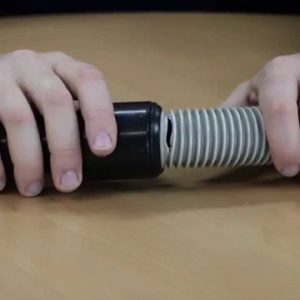
Credit: aussievac.com.au
Identifying The Problem
A broken vacuum cleaner hose can disrupt your cleaning routine. Identifying the problem early helps you fix it quickly. This section will guide you through the signs and common causes of a broken hose.
Signs Of A Broken Hose
Knowing the signs of a broken hose is crucial. Here are some common indicators:
- Loss of suction power: If your vacuum isn’t picking up debris, the hose might be broken.
- Visible tears or holes: Check the hose for any obvious damage.
- Strange noises: Hissing sounds may indicate an air leak in the hose.
- Debris escaping: If dirt is escaping instead of getting sucked in, the hose could be the culprit.
Common Causes Of Hose Damage
Understanding what causes hose damage can help you prevent it. Here are some common causes:
- Wear and tear: Over time, constant use can degrade the hose material.
- Sharp objects: Sucking up sharp items can puncture the hose.
- Improper storage: Bending or kinking the hose can lead to cracks.
- Manufacturing defects: Sometimes, hoses have flaws from the start.
Remember, identifying and understanding the problem is the first step in replacing a broken vacuum cleaner hose.
Gathering Necessary Tools
Replacing a broken vacuum cleaner hose is a simple task. But first, you need to gather all the necessary tools. This ensures you have everything on hand. It also makes the repair process smoother.
Required Tools
Having the right tools is crucial for a successful repair. Below is a list of tools you will need:
- New vacuum cleaner hose
- Screwdriver set
- Utility knife
- Adhesive tape
- Replacement clamps (if needed)
A new vacuum cleaner hose is the main item. Ensure it is compatible with your vacuum model. A screwdriver set will help you remove any screws. A utility knife is useful for cutting through tape or old hose material. Adhesive tape can secure the new hose. Replacement clamps may be necessary if the old ones are broken.
Safety Equipment
Safety is always important. Make sure you have the following safety equipment:
- Safety goggles
- Work gloves
Safety goggles protect your eyes from dust and debris. Work gloves keep your hands safe from sharp edges.
With all the necessary tools and safety equipment gathered, you are ready to begin the repair process. Following these steps ensures a safe and efficient repair.
Purchasing A Replacement Hose
Replacing a broken vacuum cleaner hose is simple. First, unplug the vacuum. Then, detach the old hose. Attach the new hose securely. Finally, test the vacuum to ensure it works correctly. This quick fix keeps your vacuum running smoothly.
Buying a new hose for your vacuum cleaner can seem daunting. But with the right information, the process can be simple and quick. This guide will help you find and purchase the right replacement hose for your vacuum cleaner.
Choosing The Right Hose
First, you need to identify the model of your vacuum cleaner. Check the label on the vacuum or the user manual. Once you have the model number, search for hoses that fit that specific model. Compatibility is key. A hose that doesn’t fit will not work properly. Consider the hose length and material. Longer hoses reach more areas, and durable materials last longer.
Where To Buy
You can purchase replacement hoses from several places. Online retailers like Amazon or eBay have a wide selection. Check the reviews and ratings before buying. You can also visit the manufacturer’s website. They often have parts specific to their models. Local appliance stores may carry hoses for popular vacuum brands. Ask a store employee for help if you are unsure. Another option is repair shops. They may have spare parts or can order them for you. “`
Preparing The Vacuum Cleaner
Before replacing a broken vacuum cleaner hose, ensure the machine is ready. Proper preparation will help you avoid mishaps and make the process smoother. Follow these steps to prepare your vacuum cleaner for the hose replacement.
Unplugging The Device
First, unplug the vacuum cleaner from the power source. This step ensures safety by preventing any electrical accidents. Double-check that the device is completely off before proceeding.
Clearing The Work Area
Next, clear the area where you will work. Remove any clutter around the vacuum cleaner. Create enough space to easily access all parts of the machine. A clean work area helps you focus and makes the task easier.
Removing The Old Hose
Replacing a broken vacuum cleaner hose can be daunting. But with some guidance, it’s manageable. The first step is removing the old hose. This process involves detaching it from the vacuum and inspecting attachment points for any damage or wear.
Detaching From The Vacuum
Before starting, make sure the vacuum is unplugged. Safety first! Then, locate where the hose connects to the vacuum. This spot is usually at the back or side of the machine. Examine the connection closely. Most vacuum hoses use clips, screws, or a twist-lock mechanism. If you see clips, press them to release the hose. If there are screws, use a screwdriver to loosen them. For twist-lock mechanisms, twist the hose counterclockwise to detach it.
Inspecting Attachment Points
Once the hose is detached, check the attachment points. Look for cracks, breaks, or any signs of wear. Damaged attachment points can cause poor suction and performance. If the connection points are damaged, consider replacing them along with the hose. This will ensure a secure fit and optimal function. Use a flashlight to inspect hard-to-see areas. Clean any debris or dust from the attachment points before installing the new hose.

Credit: www.youtube.com
Installing The New Hose
Replacing a broken vacuum cleaner hose can seem daunting. But with the right steps, it’s quite straightforward. This guide will help you install the new hose with ease.
Securing The Hose
First, ensure that your vacuum is unplugged. Safety is important. Take the new hose and align it with the connection point. Push it in firmly until it clicks.
Some hoses may need a twist to lock in place. Check your vacuum’s manual for specific instructions. Ensure the hose is secure. A loose hose won’t work properly.
Checking For Proper Fit
Once secured, check the hose for proper fit. Make sure it is not wobbly or loose. Test the vacuum by turning it on. Listen for any unusual sounds.
If the hose is not fitting well, recheck the connection. Sometimes, dirt or debris can obstruct the fit. Clean the connection point and try again.
A well-fitted hose ensures efficient vacuuming. It also prevents loss of suction. Your vacuum should now be ready to use with the new hose installed.
Testing The Vacuum Cleaner
After replacing a broken vacuum cleaner hose, it’s essential to test the vacuum cleaner. This ensures everything is working correctly before you start cleaning your home again. Follow these steps to test your vacuum cleaner efficiently.
Powering On
First, plug in your vacuum cleaner and switch it on. Listen for any unusual noises. A smooth-running motor indicates the hose replacement was successful. If you hear strange sounds, turn off the vacuum immediately. Check the hose connection.
Ensuring Proper Suction
To check the suction, place your hand near the hose opening. You should feel a strong pull of air. If the suction is weak, inspect the hose for blockages. A clear hose ensures optimal performance.
Next, try vacuuming a small area. Use a section of carpet or floor. Check if the vacuum cleaner picks up dirt and debris effectively. If it doesn’t, the problem might be with the internal parts.
| Test | Expected Outcome | Action if Outcome is Negative |
|---|---|---|
| Powering On | Vacuum runs smoothly | Check hose connection |
| Hand Test for Suction | Strong air pull | Inspect for blockages |
| Small Area Test | Effective debris pick-up | Examine internal parts |
Testing your vacuum cleaner ensures it performs well. Proper maintenance extends the life of your appliance.
Maintaining The New Hose
Maintaining the new vacuum cleaner hose ensures its durability and efficiency. Simple practices like regular inspections and proper storage can extend the hose’s lifespan.
Regular Inspection
Check the hose for cracks or tears every month. Look for blockages inside the hose. If you find any, remove them immediately. Regular inspection prevents bigger issues later.
Proper Storage Tips
Store the vacuum cleaner hose in a cool, dry place. Avoid bending or twisting the hose too much. Hang the hose on a hook to keep it straight. Proper storage keeps the hose in good condition.

Credit: softsolder.com
Frequently Asked Questions
How Do I Know If My Vacuum Hose Is Broken?
If your vacuum loses suction or has visible cracks, the hose might be broken. Check for blockages and splits in the hose.
Can I Repair A Vacuum Cleaner Hose Myself?
Yes, you can repair minor hose damages using duct tape or a hose repair kit. For severe damage, replacement is recommended.
Where Can I Buy A Replacement Vacuum Hose?
Replacement vacuum hoses are available online, at hardware stores, and through the vacuum cleaner manufacturer’s website.
How Do I Remove The Old Vacuum Hose?
To remove the old hose, detach it from the vacuum by unscrewing or unclipping it from the main unit.
Conclusion
Replacing a broken vacuum cleaner hose is simple and quick. First, gather your tools. Next, disconnect the old hose. Then, attach the new hose securely. Test the vacuum to ensure it works well. Keep your vacuum clean for best results.
Regular maintenance prevents future issues. Now, you can enjoy a cleaner home with ease. Happy cleaning!

