

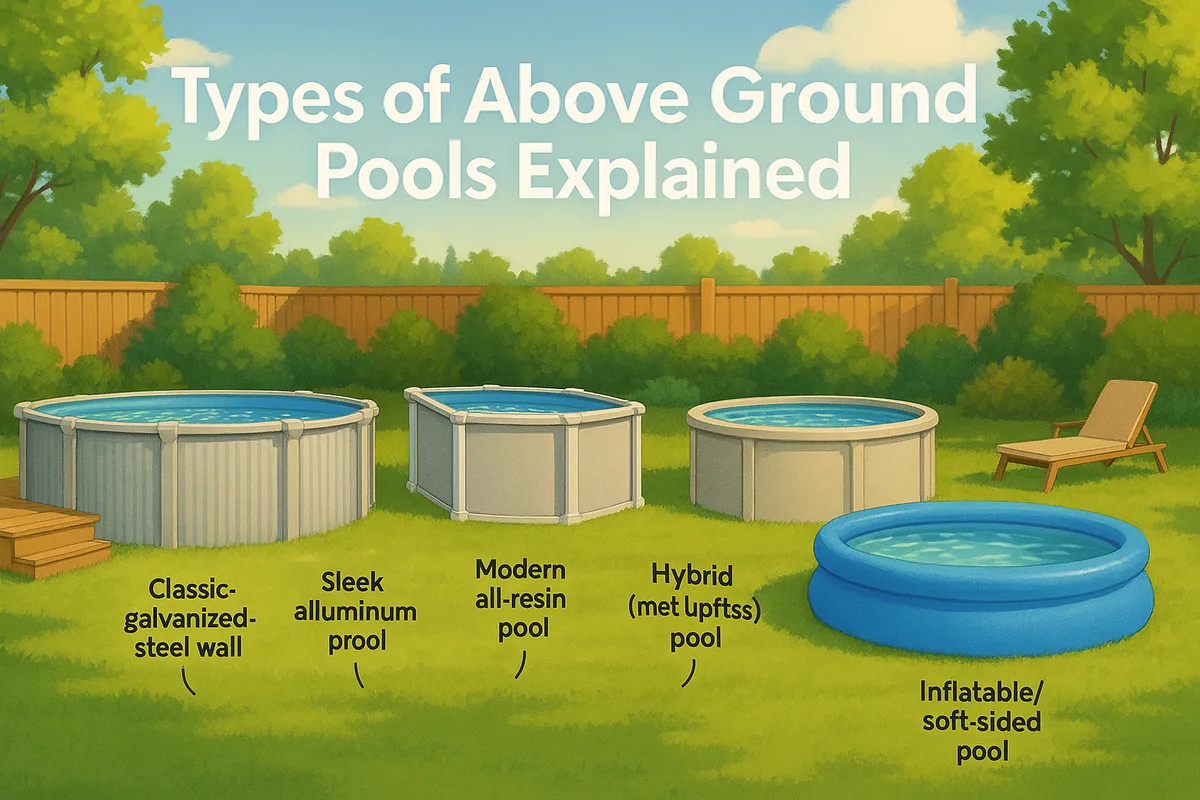
Image source: Web (Bing) / larryspool.com (Web image (fair-use with source credit))
When you're eyeing an above-ground pool, one of the first things you'll wonder about is its depth. After all, that's a big part of the fun, right? But how deep can these pools actually get, and what determines that limit?
It's not quite as simple as just filling them to the brim. The actual depth you can safely achieve depends heavily on the pool's construction and design. For instance, many rigid wall above-ground pools, designed to hold a significant amount of water, often have wall heights around 52 inches.
Quick Answer
Above-ground pools typically range from 30 inches to 54 inches in depth. The maximum safe water depth is dictated by the pool's wall height and structural design. It’s crucial to only fill the pool to the manufacturer’s recommended water level, usually indicated by a line or mark, to avoid structural stress and potential damage.
Understanding Above Ground Pool Depth: What You See Isn't Always the Water Level
That imposing wall height you see on an above-ground pool isn't the same as the water depth. Think of the wall height as the pool's container. The water level inside that container is what we're really talking about when we discuss depth.
Manufacturer specifications often list the wall height, which is the absolute maximum the pool could hold if filled to the very brim. However, no one actually fills them that high.
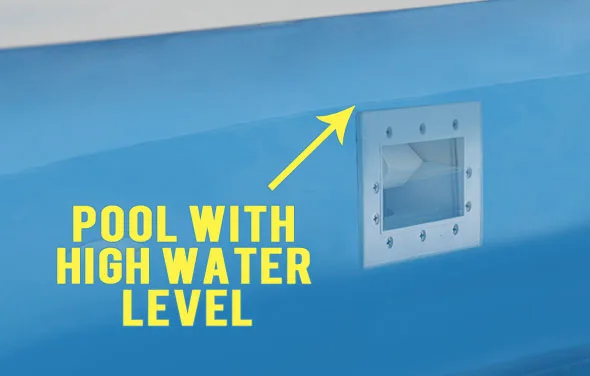
Image source: Bing (Web (fair-use with source credit))
The maximum water depth is almost always less than the wall height. This is a deliberate design choice to manage water pressure, prevent overflow during use, and ensure the pool's stability. The specific water level mark is critical; exceeding it can put immense strain on the pool's structure, especially the liner and wall supports.
Our research shows that ignoring this mark is a common mistake leading to premature wear and tear.
The Structure Dictates Depth: Wall Height vs. Water Depth
The physical construction of an above-ground pool is the primary factor in determining its potential depth. This isn't just about how tall the sides are; it's about how those sides are supported and the material they're made from. Different pool types have different inherent depth limitations.
Rigid Walls: The Deeper End of Above Grounds
Rigid wall pools, often made from corrugated steel or resin, are built to be more permanent and robust. These types generally offer the deepest water options among above-ground styles.
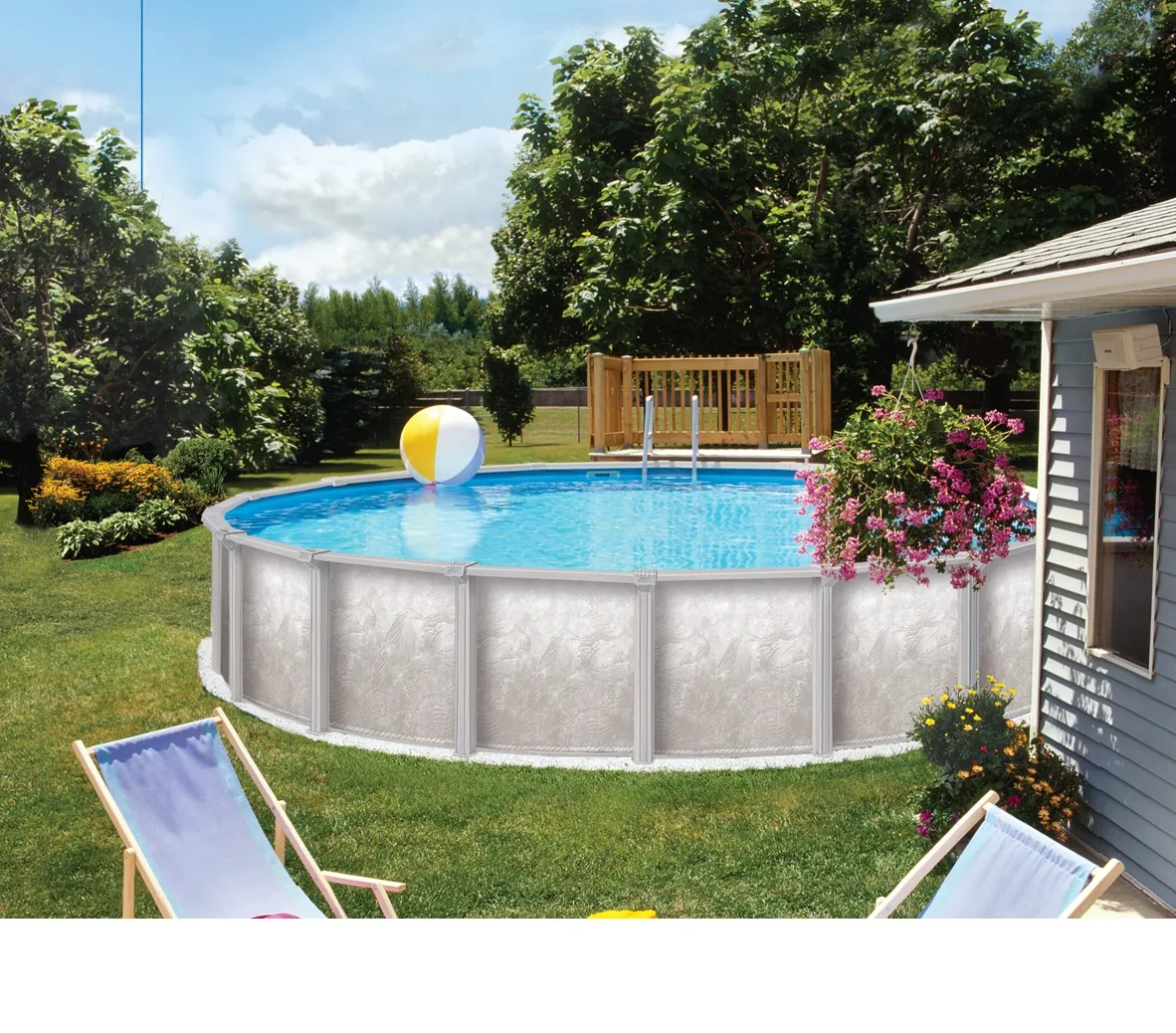
Image source: Bing (Web (fair-use with source credit))
You'll commonly find rigid wall pools with wall heights of 48 inches or 52 inches. The actual recommended water depth for a 52-inch wall is usually around 45-48 inches. This ensures there's a buffer at the top to prevent splashing out and to give the pool structure some breathing room under hydrostatic pressure.
Manufacturer specifications, like those found on official product pages for brands such as Intex or Coleman, confirm these standard heights and recommended water levels.
Inflatables and Soft-Sided Pools: What's Their Limit?
Inflatable pools and those with soft, flexible sides, while fun and easy to set up, have much lower depth ceilings. Their design relies on water pressure pushing outwards against the air-filled ring or fabric sides.
These pools are generally much shallower, with wall heights often ranging from 20 inches to 36 inches. The maximum water depth you'd fill these to is typically about 80% of the wall height, often resulting in a water depth of 16 to 30 inches. Exceeding this limit can cause the pool to lose its shape, the sides to bulge excessively, or even burst.
Practical Depth Ranges: What Most Pools Offer
So, what does this all mean for the average backyard pool owner? When you're shopping, you'll see a few standard depth ranges. These are the depths that manufacturers have found to be stable, safe, and practical for most family uses.
Common Depths and Why They Matter
The most common wall heights for above-ground pools are 48 inches and 52 inches.
- 48-inch wall pools: These typically have a maximum water depth of about 40-45 inches. They're a good option for smaller yards or for families with younger children where extreme depth isn't the priority.
- 52-inch wall pools: These are arguably the most popular. They usually have a recommended water depth of 45-48 inches. This depth allows for more substantial swimming, playing, and even some light diving (though true diving should always be done in much deeper water).
Anything significantly deeper than 52 inches starts to push the boundaries of what's typically feasible and cost-effective for an above-ground structure. The engineering required to safely support deeper water means higher costs and more complex installation.
Swimming vs. Wading: Choosing Depth for Your Needs
The ideal depth for your above-ground pool isn't a one-size-fits-all answer. It really comes down to who will be using the pool and what you want to do in it. Are you picturing a splash pad for toddlers or a place for teens to cool off and do cannonballs?
Fun for the Whole Family: Safety and Depth Considerations
For households with very young children, a shallower pool or one where the water level can be kept lower is paramount. A pool with a 30-inch wall filled to only 20 inches provides a safe wading area. As children grow, you can gradually increase the water level.
For families with mixed ages, a 52-inch wall pool filled to 45-48 inches offers a good compromise. It's deep enough for older kids and adults to enjoy more active water play, yet still manageable in terms of safety if proper supervision is maintained. The National Drowning Prevention Alliance often stresses that depth is a significant factor in drowning risk, making appropriate water levels critical for any pool owner.
Common Pitfalls: Overfilling and Other Depth-Related Mistakes
Even with the best intentions, there are a few common mistakes people make regarding above-ground pool depth that can lead to problems. Understanding these pitfalls can save you a lot of hassle and potential expense down the line.
Dangers of Pushing the Limits
The most significant mistake is overfilling the pool beyond the manufacturer's recommended water level. This puts undue stress on the liner, seams, and the pool's frame. Inflatable pools are particularly susceptible; overfilling can cause the air ring to lose its seal or the sides to balloon out, potentially leading to a catastrophic failure and a flood.
For rigid wall pools, overfilling can strain the support poles or the main wall structure, especially during strong winds or when the pool is in use. Water splashing out during use is not just messy; it's a sign that the water level is too high for the current activity. Always refer to your pool's manual for the precise water level guidance.
Quick Look: Above Ground Pool Depth at a Glance
To help you quickly grasp the key takeaways about above-ground pool depth, here’s a summary. This table breaks down typical pool types, their common wall heights, and the approximate maximum water depth you can expect.
| Pool Type | Common Wall Height | Approximate Max Water Depth | Notes |
|---|---|---|---|
| Inflatable Pool | 20-30 inches | 16-24 inches | Relies on air ring or flexible sides. |
| Soft-Sided Pool | 30-36 inches | 24-30 inches | Similar to inflatables, often with a frame. |
| Steel Frame Pool | 48 inches | 40-45 inches | Common size, good for general family use. |
| Rigid Wall Pool | 52 inches | 45-48 inches | Most popular, offers good swimming depth. |
| Premium Rigid Pool | 54 inches+ | 48-52 inches | Less common, requires robust construction. |
Remember, these are general guidelines. Always consult your specific pool's manual for exact water level recommendations to ensure safety and longevity.
Frequently Asked Questions About Above Ground Pool Depth
What is the deepest an above ground pool can be?
The deepest common above-ground pools have wall heights around 54 inches, allowing for a maximum water depth of roughly 48-52 inches. Pools significantly deeper than this are rare and require specialized, robust construction that is uncommon for typical backyard models.
Can I fill my above ground pool higher than the recommended line?
No, you absolutely should not fill your above-ground pool higher than the manufacturer's recommended water level, typically marked inside the pool. Exceeding this can cause the pool structure to fail, the liner to stretch or tear, and can lead to water damage around your property.
Does depth affect pool maintenance?
Yes, depth significantly impacts maintenance. Deeper pools hold more water, meaning they require more chemicals to maintain balance. Filtration systems also need to be appropriately sized for the volume of water to keep it clean and clear.
Is a deeper above ground pool better for swimming laps?
While a deeper pool offers more room for swimming and playing, above-ground pools are generally not designed for serious lap swimming due to their relatively narrow dimensions. Even the deepest above-ground pools typically don't offer enough length for effective lap training. For lap swimming, an in-ground pool or a dedicated lap pool is a better choice.

