

So, you're wondering, "How deep are above ground pools?" It's a simple question, but the answer really sets the stage for how you'll actually use your pool. Understanding the typical depths helps you picture whether it's best for splashing around, serious swimming, or just a cool spot to relax on a hot day.
Manufacturer specifications generally confirm that most common above-ground pools hover between 3 to 5 feet deep, with 4 feet being a popular middle ground. This depth is crucial for safety, functionality, and overall enjoyment. Let's dive into what those numbers really mean for you and your backyard.
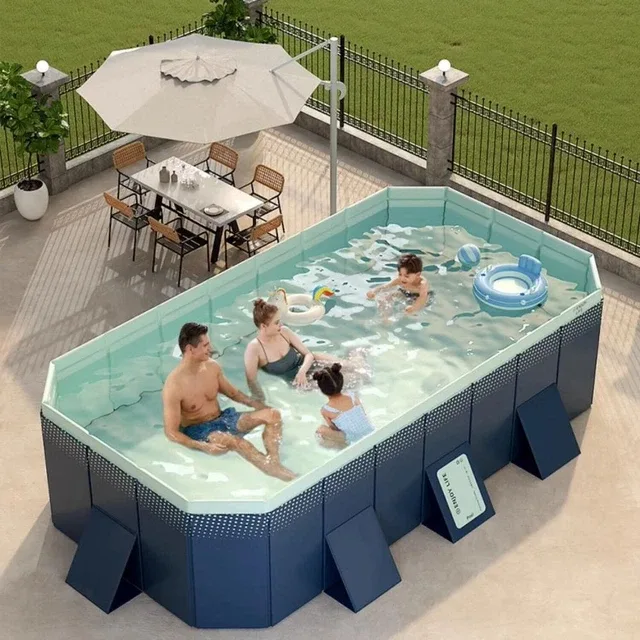
Why Seeing Pool Depths Matters
When you're looking at above-ground pools, you'll see numbers for depth thrown around, often in feet or inches. But what does that really translate to when you're standing in it, or when your kids are playing? For a topic like pool depth, visuals are incredibly helpful.
Without seeing a diagram or a photo, it's hard to grasp the scale. A 4-foot deep pool might sound like a lot, but seeing it in context, perhaps next to a person or a common backyard object, gives you a much clearer picture.
This is especially true for above-ground pools because their construction is visible, you see the walls, the frame, and the water level. Understanding the depth isn't just about a number; it's about envisioning the experience. Can you stand up comfortably?
Can your kids play safely? Can you get a decent swim workout? These are questions that visuals help answer much faster than text alone.
The Most Common Above-Ground Pool Depths
When you're shopping for an above-ground pool, you'll quickly notice that most models fall into a few standard depth ranges. These are pretty consistent across manufacturers because they balance cost, stability, and usability for most backyard scenarios. As of 2026, the vast majority of pools you'll find are designed with these depths in mind.
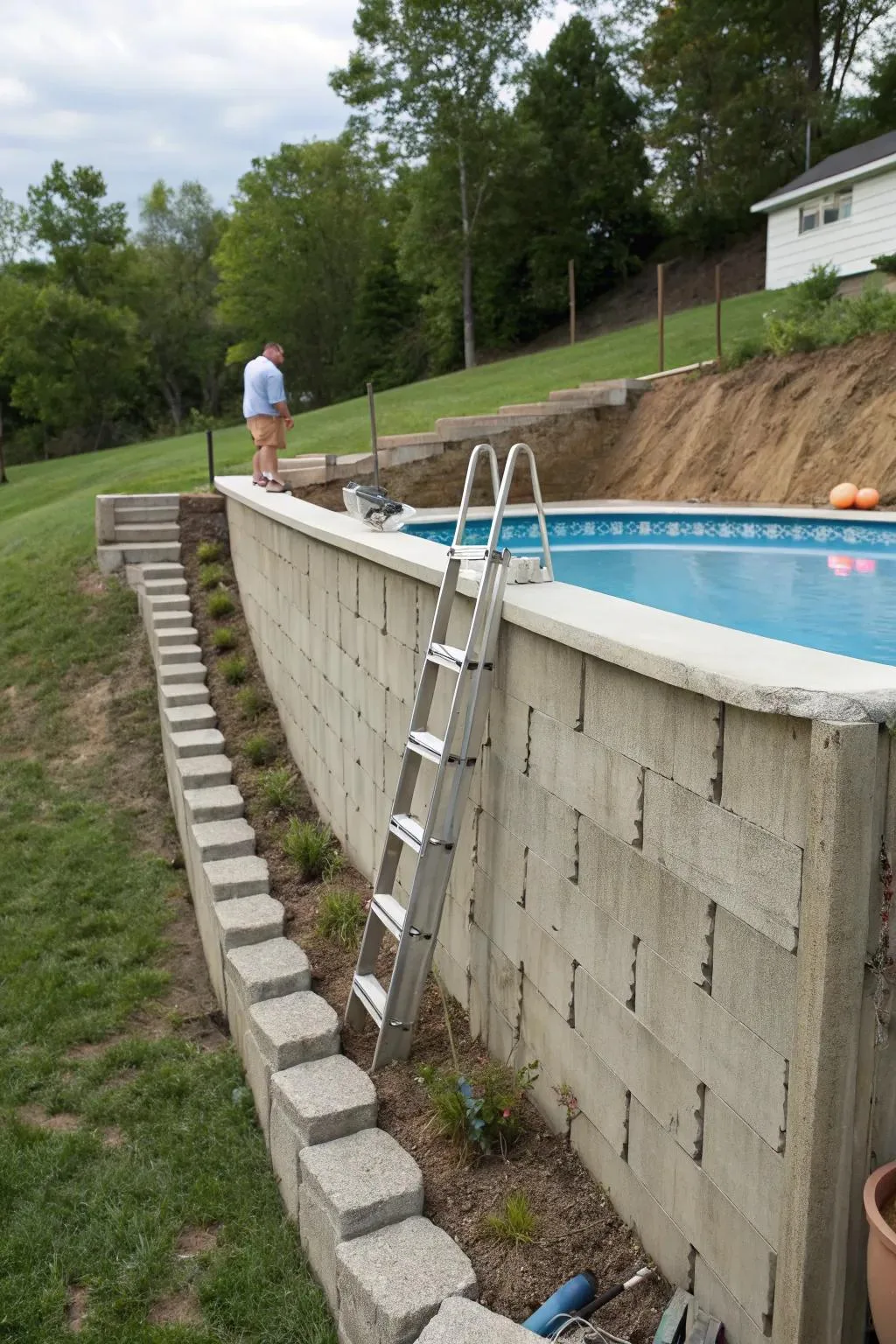
Here's a breakdown of what you'll typically see:
- 3 to 4 Feet: These are often on the shallower end. They're great for very young children (with constant supervision, of course) or for adults who just want to cool off and wade. Think of them as a super-sized, above-ground splash pad.
- 4 Feet (48 inches): This is arguably the most popular depth for family-sized above-ground pools. It's deep enough for most adults to stand with their heads well above water, allowing for comfortable movement and play. It’s a good balance between being substantial enough for some swimming action and manageable for most users.
- 4.5 to 5 Feet (54 inches): These are generally considered the deeper end for standard above-ground pools. They offer a more immersive swimming experience and are better suited for taller individuals or those who want to do more than just lounge.
These depths are directly related to the height of the pool's walls. When you see a pool advertised as 48 inches high, that's usually the maximum water depth it's designed to hold, allowing for a small buffer at the top.
How Different Depths Serve Different Needs
The depth of your above-ground pool isn't just a statistic; it dictates who can use it and how they'll use it. What's perfect for a family with toddlers might be too shallow for teenagers wanting to do cannonballs, and what's ideal for lounging might not be enough for someone aiming for a bit of a swim. It’s all about matching the pool’s capabilities to your backyard’s purpose.
For Little Splashers and Waders
If your primary goal is to keep very young children cool and entertained on hot summer days, a shallower pool is often the best choice. Pools around 3 to 3.5 feet deep are fantastic for this. They offer enough water for splashing and playing without the overwhelming depth that might worry parents.
It's crucial that even in these shallower pools, adult supervision is constant. This depth also means it's easier for little ones to get in and out safely, provided you have a sturdy ladder or steps.
For Family Fun and Cooling Off
When you're looking for a pool that the whole family can enjoy, from parents to older kids, the 4-foot (48-inch) depth is usually the sweet spot. Most adults can stand up comfortably in a 4-foot pool, allowing for easy movement, games like Marco Polo, and just general relaxation. It’s deep enough to feel like a real pool without being intimidating.
Kids who are decent swimmers can still have plenty of fun, and it's manageable for introducing younger ones to more water play.
For More Serious Swimming
For those who envision actual swimming laps or want a more robust aquatic experience in their backyard, pools around 4.5 to 5 feet (or 54 inches) are the way to go. This increased depth allows for more comfortable treading water and can accommodate taller individuals who might feel a bit cramped in shallower pools. While it's still not an Olympic-sized pool, this depth provides enough room to get a decent workout or for older teens to enjoy more dynamic water activities.
Remember to always check manufacturer guidelines, as some pools are specifically designed for more active water use.
What Pool Depth Means for Safety
The depth of an above-ground pool is one of the most critical factors when it comes to safety, especially if children are involved. It directly impacts the risk of drowning and dictates the level of supervision required. While all pools demand vigilance, certain depths present different challenges and necessitate specific precautions.
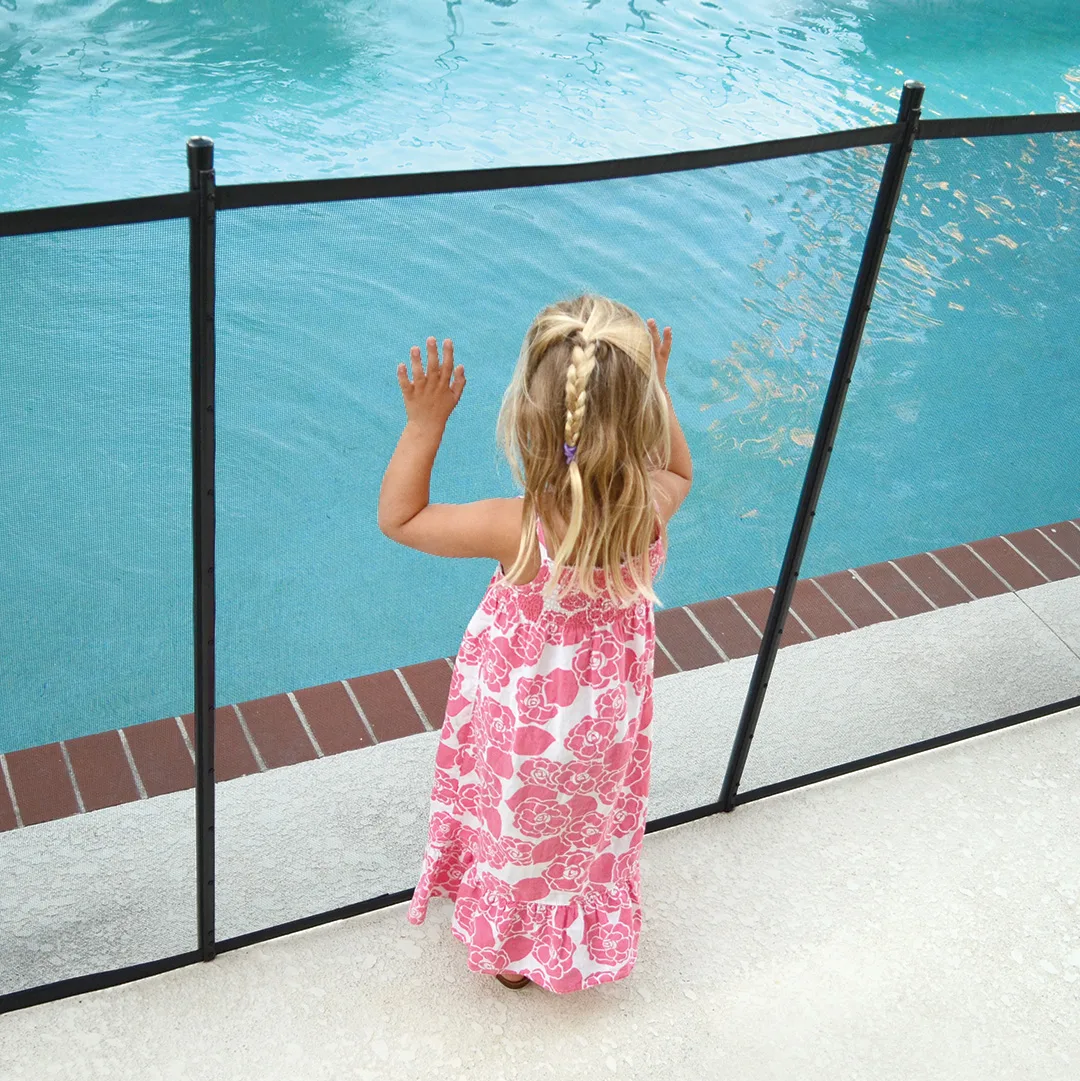
Here’s how depth plays a role in pool safety:
- Supervision is Paramount: Regardless of depth, constant adult supervision is non-negotiable when anyone is in or around the pool. However, in shallower pools (3-4 feet), supervision can sometimes be more hands-on, focusing on keeping kids from falling or getting overwhelmed. In deeper pools (4.5-5 feet), a non-swimmer or weak swimmer could be at significantly higher risk if unsupervised, as they might not be able to stand.
- Drowning Risk Factors: A pool's depth influences the potential for drowning. For very young children, even shallow water can be a hazard. For older children and adults, the risk increases in deeper water if they are not strong swimmers. Manufacturer specifications often align with safety standards, but user behavior and vigilance are the most important layers of protection. For example, the U.S. Consumer Product Safety Commission (CPSC) recommends multiple layers of protection, including barriers like fences, to prevent unsupervised access to pools, regardless of depth.
- Accessibility: The depth also affects how easily people can enter and exit the pool. Ladders and steps designed for specific pool depths are essential for safe entry and exit. Pools designed for very shallow use might have simpler steps, while deeper pools require more robust ladder systems.
Choosing the Right Pool Depth for Your Backyard
Deciding on the right depth for your above-ground pool boils down to a few key considerations about who will use it and how they plan to use it. It’s not a one-size-fits-all answer, and picking wisely can make a huge difference in your overall satisfaction with your purchase. Think about your family, your friends, and your own desires for your backyard oasis.
Here’s a simple way to think through your decision:
Identify Your Primary Users: Are you a family with very young kids? Do you have teenagers who want to splash and play? Or are you an adult looking for a place to cool off and maybe do a bit of light swimming?
- For Toddlers/Young Children: Lean towards 3-3.5 feet.
- For Mixed-Age Families: 4 feet is usually ideal.
- For Adults/Teenagers wanting to swim: Consider 4.5-5 feet.
Consider Your Activities: What do you imagine yourself doing in the pool?
- Wading/Cooling Off: Any depth will likely work, but shallower is easier.
- Playing Games/Lounging: 4 feet offers good versatility.
- Actual Swimming/Exercise: Look for 4.5-5 feet for more room.
Evaluate Safety Needs: Always factor in the swimming abilities of everyone who will use the pool. A pool that's too deep for some users can create safety risks. Ensure you have appropriate safety measures, like sturdy ladders and adequate supervision, in place for the chosen depth.
By carefully considering these points, you can select an above-ground pool depth that perfectly suits your family's needs and ensures a safe, enjoyable summer.

