

If you have hardwood floors, keeping them clean without damaging the surface can be a challenge. Pet hair, dust, and dirt seem to appear out of nowhere, and not every vacuum is up to the task. You may have heard about the Dyson Ball Animal 3—a popular upright vacuum known for handling pet hair and tough messes. But does it really work well on hardwood floors? Or is it better left for carpets and rugs?
In this article, I’ll break down exactly how the Dyson Ball Animal 3 performs on hardwood flooring. We’ll look at its cleaning technology, special features, and how it compares to other vacuums. We’ll also discuss what matters most when vacuuming hardwood floors, and cover common mistakes to avoid.
By the end, you’ll know if the Dyson Ball Animal 3 is the right fit for your home.
What Makes Hardwood Floors Challenging?
Hardwood floors look beautiful and add value to your home, but they need special care when cleaning. Unlike carpets, hardwood can scratch easily, and dirt or pet hair often sticks to the surface or hides in cracks.
Some of the main challenges include:
- Fine dust and grit can scratch the surface if not removed gently.
- Pet hair tends to cling to the floor and baseboards.
- Large debris can scatter if the vacuum’s suction is too strong or the brush is too aggressive.
- Delicate finish can be dulled or damaged by rough brushes or wheels.
So, a vacuum for hardwood needs to be powerful, but also gentle. Let’s see how the Dyson Ball Animal 3 handles these needs.
Dyson Ball Animal 3 Overview
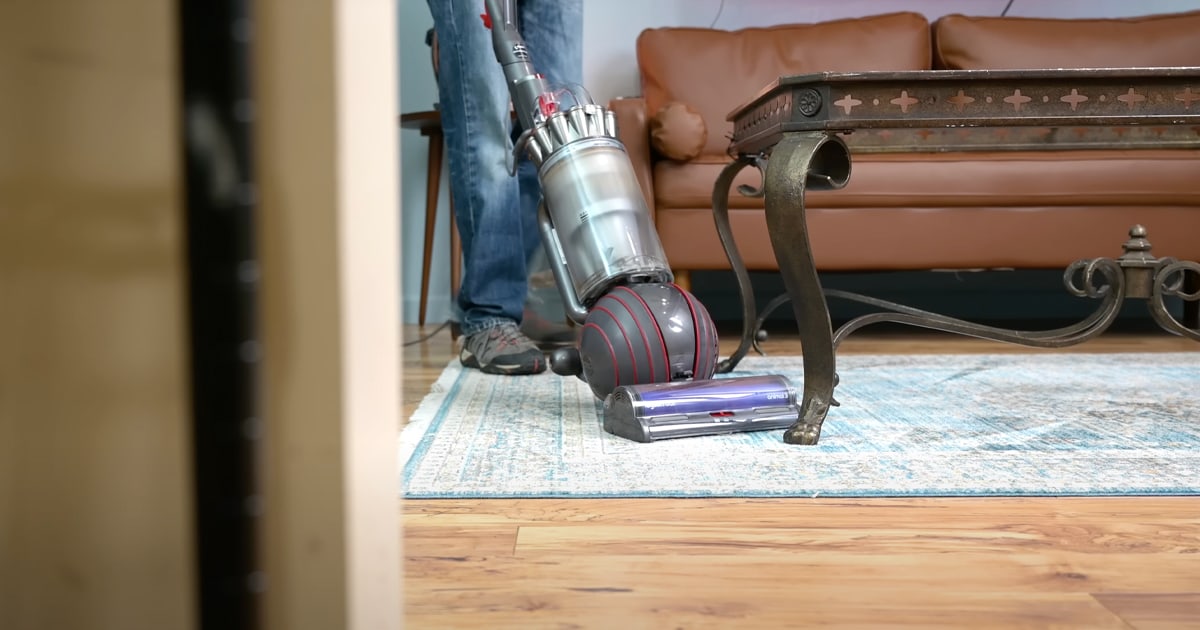
The Dyson Ball Animal 3 is the latest in Dyson’s line of upright vacuums designed for homes with pets. It’s well-known for its:
- Strong suction (up to 290 AW)
- Advanced filtration (captures 99.97% of particles)
- Tangle-free brush bar
- Swivel steering (“Ball” technology)
- Multiple floor settings
But the big question remains: are these features friendly to hardwood floors, or could they cause problems?
Key Features For Hardwood Floors
Let’s break down the three most important aspects when using the Dyson Ball Animal 3 on hardwood floors.
1. Suction Power And Control
The Dyson Ball Animal 3 offers high suction power, which is great for pulling up dirt and dust from cracks in hardwood. However, too much suction can sometimes lift or scatter larger debris instead of picking it up.
Dyson solves this by including suction control settings. You can adjust the power when moving from carpet to hard floors. Lowering the suction helps avoid scattering debris and makes it easier to push the vacuum.
2. Brush Roll Design
The brush roll (sometimes called the brush bar or beater bar) is a key part of vacuuming. On many vacuums, the spinning brush can scratch or dull hardwood. The Dyson Ball Animal 3 uses a motorized brush bar with stiff nylon bristles for carpets, but it also has a “hard floor” setting.
When switched to the lowest setting, the brush roll slows down or stops spinning as fast, reducing the risk of scratches. Dyson recommends using this setting for delicate floors.
3. Floor Head And Wheels
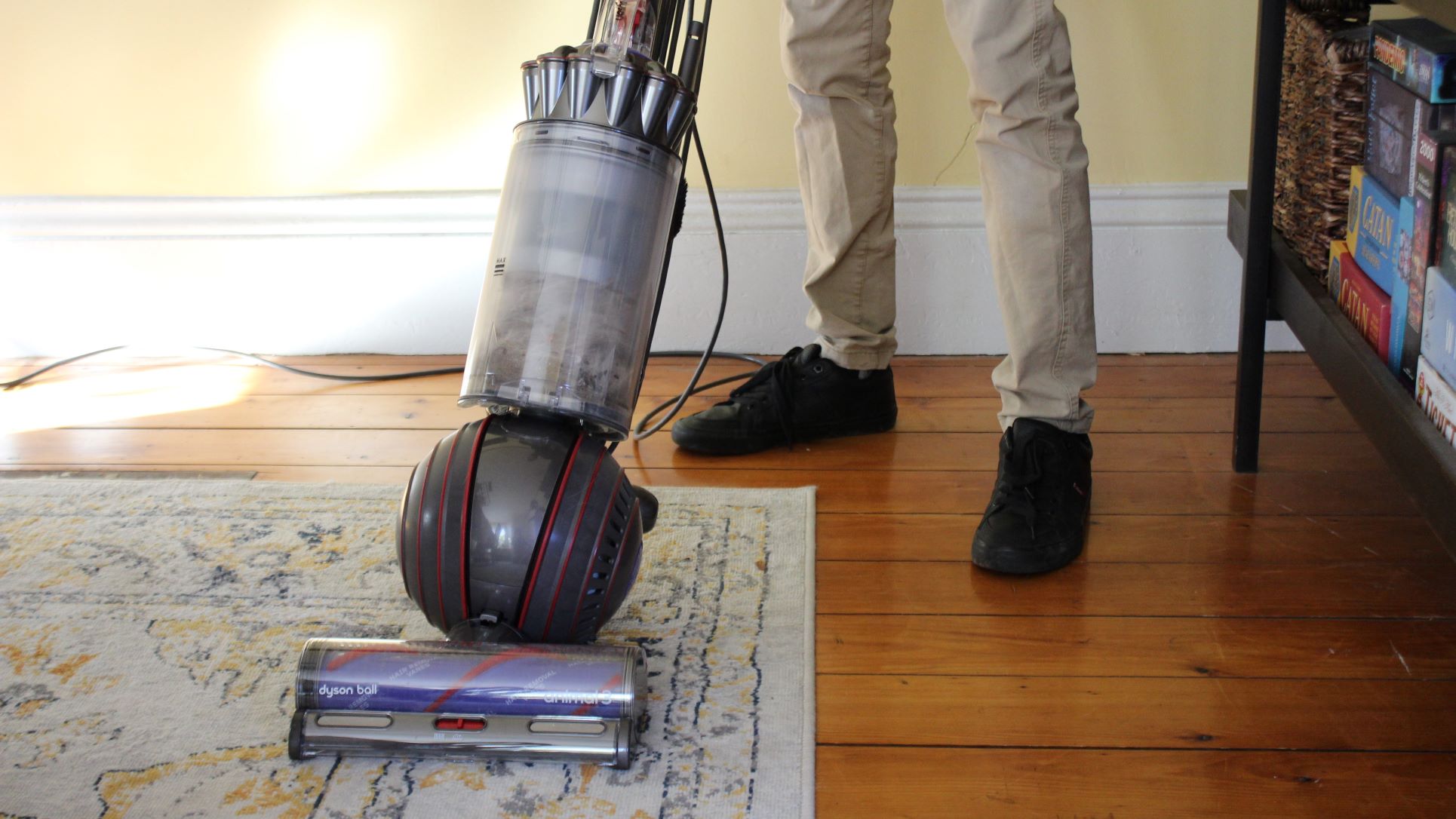
The floor head on the Dyson Ball Animal 3 is designed to keep a tight seal with the floor, improving suction. It also has smooth, rubber-coated wheels that glide over hard surfaces without leaving marks.
However, it’s important to check the wheels regularly for grit or debris, as even a small stone can scratch the floor if trapped in the wheel.
How Does Dyson Ball Animal 3 Perform On Hardwood Floors?
To answer the main question: Does Dyson Ball Animal 3 work on hardwood floors? The short answer is yes—it can clean hardwood floors very well, but only if used correctly.
Here’s a look at how it performs in real-world use:
- Pet hair: Picks up pet hair without much trouble, even along baseboards.
- Fine dust: The strong suction and HEPA filter trap even tiny dust particles.
- Larger debris: With suction reduced and the brush roll in hard floor mode, the vacuum picks up crumbs and dirt without scattering them.
- Scratches: If you use the right setting and keep the wheels clean, the risk of scratches is very low.
Let’s compare its performance on different floor types:
| Surface | Performance | Risk of Damage |
|---|---|---|
| Hardwood Floors | Excellent (with correct settings) | Low (when brush roll set for hard floors) |
| Tile Floors | Excellent | Very Low |
| Low-Pile Carpet | Very Good | None |
| High-Pile Carpet | Excellent | None |

How To Use Dyson Ball Animal 3 Safely On Hardwood Floors
To get the best results and protect your floors, follow these steps:
- Switch to hard floor mode: Before cleaning, make sure the brush roll is set to the hard floor (low or off) setting.
- Lower the suction if needed: Use the suction control slider to avoid scattering debris.
- Check the wheels and brush bar: Make sure there are no stones, grit, or tangled hair.
- Go slowly over large debris: This helps the vacuum capture everything without pushing it around.
- Vacuum along the grain: This can help pick up dust in the tiny grooves of the wood.
Dyson Ball Animal 3 Vs. Other Vacuums For Hardwood Floors
You might wonder how the Dyson Ball Animal 3 compares to other popular vacuums. Here’s a quick look at three common types: stick vacuums, canister vacuums, and robot vacuums.
| Vacuum Type | Hardwood Floor Performance | Ease of Use | Best For |
|---|---|---|---|
| Dyson Ball Animal 3 | Excellent | Moderate (heavier, upright design) | Pet owners, mixed flooring |
| Stick Vacuum (e.g., Dyson V15) | Very Good | Very Easy (lightweight, cordless) | Quick cleanups, small spaces |
| Canister Vacuum | Very Good | Moderate | Large homes, variety of floors |
| Robot Vacuum | Good (depends on model) | Very Easy (automated) | Maintenance cleaning |
Insight: Many people forget that while stick and robot vacuums are more convenient, they often lack the raw suction power and deep-cleaning ability of a full-size upright like the Dyson Ball Animal 3. For homes with lots of pet hair or dust, this makes a big difference.
Real-world User Experiences
Most users report that the Dyson Ball Animal 3 is effective on hardwood floors, but there are a few things to keep in mind:
- Noise: It’s a bit louder than smaller vacuums.
- Weight: At around 17.5 pounds, it’s heavier and can be harder to carry up stairs.
- Maneuverability: The Ball technology helps, but it’s still bulkier than a stick vacuum.
One common mistake is forgetting to adjust the brush bar. If you use the carpet setting on hardwood, the stiff bristles may leave marks or scatter debris. Always double-check before you start.
Maintenance Tips For Long-lasting Floors
To keep both your vacuum and your hardwood floors in top shape:
- Empty the dust bin regularly: Overfilled bins can reduce suction and leave debris behind.
- Clean the filters: Wash every 1-2 months to keep suction strong.
- Check for clogs: Small objects can get stuck and scratch the floor.
- Inspect the brush bar: Remove tangled hair or threads that can affect cleaning.
- Wipe the wheels: A quick check for grit can prevent accidental scratches.
Non-obvious tip: Every few months, vacuum under furniture and along wall edges. These areas collect grit that can be dragged across the floor when you move furniture or walk by.
When Is Dyson Ball Animal 3 Not The Best Choice?
While the Dyson Ball Animal 3 is great for most hardwood floors, there are a few situations where another vacuum might be better:
- Very delicate floors: If your hardwood is old or soft, a lighter stick vacuum with a felt or soft brush may be safer.
- Small apartments or homes with little pet hair: The weight and power may be more than you need.
- People with mobility issues: The upright design is heavier and harder to move around.
In these cases, consider a lighter vacuum or one specifically designed for hard floors.
What Matters Most When Choosing A Vacuum For Hardwood Floors?
Before making a final decision, consider these key factors:
- Brush roll control: Can you turn it off or adjust speed for hard floors?
- Soft wheels: Will the wheels scratch or mark the floor?
- Suction power: Is it strong enough to get dust from cracks, but adjustable for different messes?
- Filtration: Good HEPA filters help keep fine dust from spreading.
- Ease of use: Is the vacuum too heavy or awkward for your home’s layout?
Non-obvious insight: Many vacuums labeled “hard floor safe” still have stiff brushes or hard plastic wheels. Always check for real rubberized wheels and a true “hard floor” brush setting.
For more on hardwood floor maintenance, see this detailed guide from the National Wood Flooring Association.
Frequently Asked Questions
Can The Dyson Ball Animal 3 Scratch My Hardwood Floors?
If you use the hard floor setting and keep the wheels and brush bar clean, the risk is very low. Always check for trapped grit or stones before vacuuming.
Does The Dyson Ball Animal 3 Pick Up Pet Hair From Hardwood Floors?
Yes, it’s designed for pet owners and removes hair from both floors and corners. The strong suction and edge-cleaning tools help with stubborn hair.
Is The Dyson Ball Animal 3 Too Heavy For Everyday Cleaning?
It is heavier than stick vacuums, but most users find it easy to push thanks to the Ball steering. If you need to carry it up stairs, consider your comfort level.
Will The Dyson Ball Animal 3 Work On Both Hardwood And Carpet?
Absolutely. It’s designed for homes with mixed flooring. Just switch settings when moving between surfaces.
Do I Need Special Attachments For Hardwood Floors?
The main floor head works well on hard floors, but using the soft dusting brush for corners or delicate areas gives even better results.
The Dyson Ball Animal 3 is a strong choice for hardwood floors—if you use it properly. With its adjustable brush roll, powerful suction, and gentle wheels, it handles pet hair and fine dust without harming your floors. For most households, especially with pets and mixed flooring, it’s an all-in-one solution.
Remember to use the right settings and maintain both your vacuum and floors regularly for the best results.

