

Does your above-ground pool struggle with a constant layer of leaves, bugs, and pollen on its surface? You're not alone; keeping that water pristine can feel like a never-ending battle. Figuring out if you actually need a pool skimmer is key to simplifying your routine and keeping your backyard oasis enjoyable.
We've looked at common setups and challenges homeowners face. For many, a skimmer is a crucial component, but not always a mandatory one. Manufacturer specifications for typical pool pumps, often rated around 1,500 gallons per minute (GPM) or more, indicate they can handle the flow required for an integrated skimmer system.
Let's dive into the details to help you decide.
Quick Answer
Above ground pools can function without a dedicated skimmer, but it makes surface debris removal much harder. A skimmer automatically pulls floating leaves and bugs into the filter system. Without one, you'll rely heavily on manual netting or less efficient floating cleaners, increasing your cleaning time and filter strain.
The Surface Debris Problem: Why It Matters for Your Pool
That film of debris you see on your pool's surface, the tiny insects, fallen leaves, bits of grass, and pollen, isn't just unsightly. It's a direct pathway for problems to develop in your above-ground pool. When this organic matter floats on the water, it starts to break down.
As it decays, it consumes dissolved oxygen, which can create an environment where algae thrive. This leads to murky water and potential health concerns if not managed.
This surface gunk also puts extra strain on your pool's filtration system. Instead of just circulating water, your pump is also trying to suck in larger debris, which can clog your filter faster. This means more frequent filter cleaning or replacement, costing you time and money.
Leaves, Bugs, and Pollen: The Unseen Pool Intruders
Think about your backyard environment. Are you surrounded by trees that shed leaves seasonally? Do you live in an area with lots of flowering plants that drop pollen?
Is your pool visited by local wildlife or your own pets? All these factors contribute to the amount of debris that will inevitably land on your pool's surface.
The cumulative effect of these small invaders is significant. A few leaves might not seem like much, but over days and weeks, they break down and turn into nutrients that fuel algae blooms. They also act as a physical barrier, preventing sunlight from reaching the water and hindering the effectiveness of any sanitizing chemicals you add.
Managing surface debris isn't just about aesthetics; it's fundamental to maintaining healthy, clear pool water.
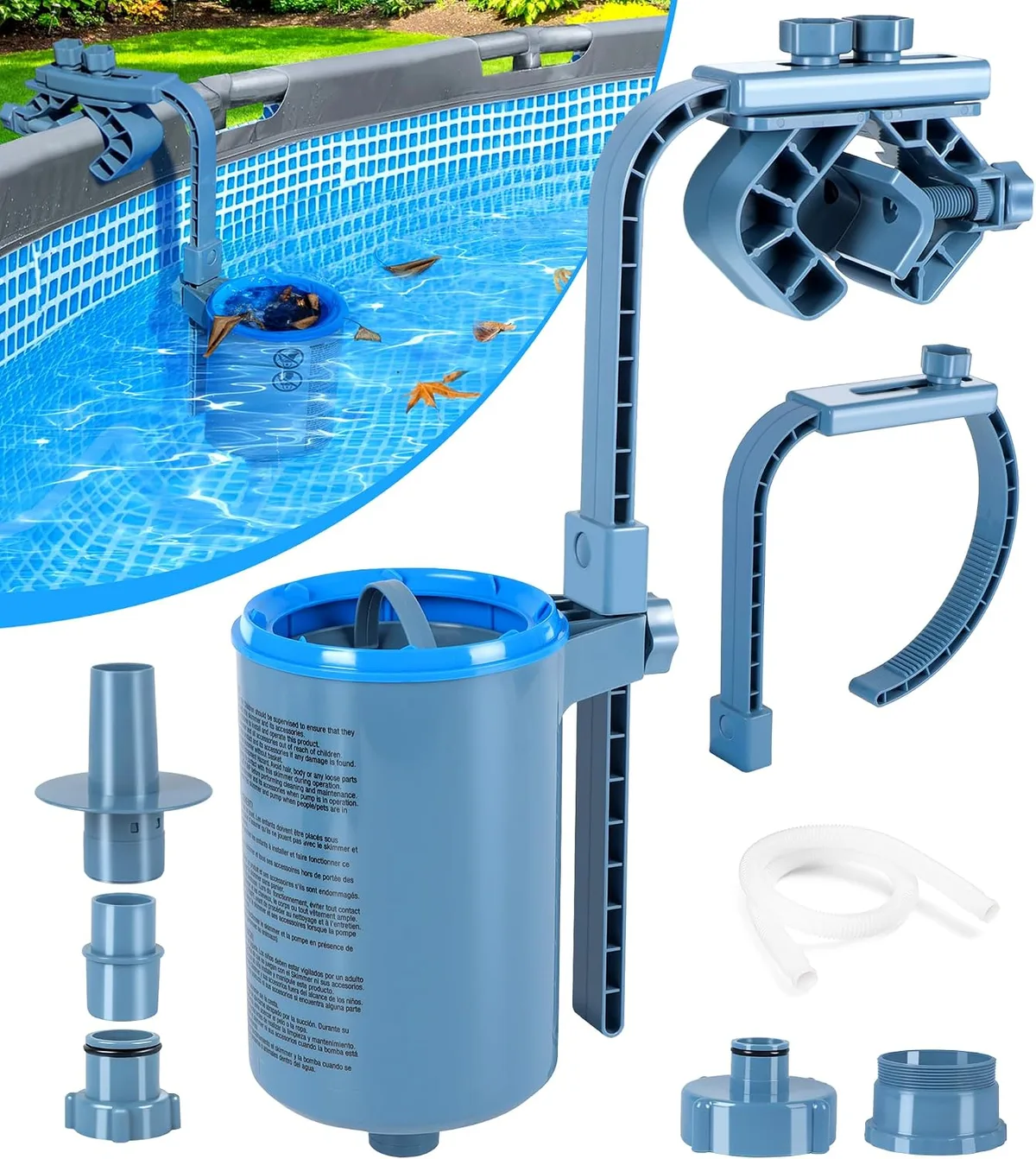
Image source: Web (Bing) / amazon.com (Web image (fair-use with source credit))
Skimmers vs. No Skimmer: What's the Difference for Pool Maintenance?
The core difference boils down to automation versus manual labor. A pool skimmer is designed to do one job: continuously skim the surface of your pool water. It works with your pool pump and filtration system.
When the pump runs, water is drawn into the skimmer's opening, carrying floating debris with it into a basket. This basket catches larger items, preventing them from reaching and clogging your main pool filter.
Without a dedicated skimmer, that surface water doesn't have a natural pathway to be filtered. You're essentially relying on the main pool drain's suction, which is at the bottom, or on manual methods. This means you'll spend more time with a net, trying to scoop up leaves and bugs, or you'll need to invest in other surface cleaning devices.
How a Pool Skimmer Works (and What Happens Without One)
A surface skimmer, typically mounted on the pool's wall, has an opening at the waterline. Water flows into this opening, and a movable flap called a weir door helps ensure only water from the very surface is drawn in. This collected water then flows through a hose to your pool pump and filter.
Inside the skimmer unit, there's a removable basket that traps leaves, insects, and other floating debris before water proceeds to the pump.
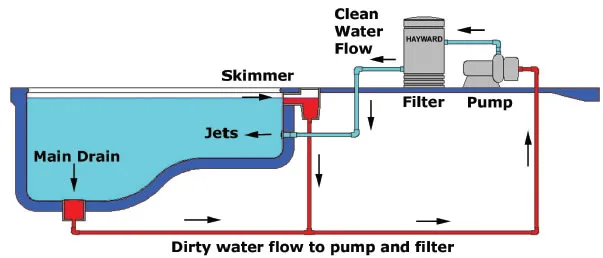
Image source: Bing (Web (fair-use with source credit))
If your above-ground pool lacks a skimmer, water circulation patterns differ. The main suction comes from the pool's bottom drain. While essential for circulating deeper water and drawing it through the filter, this does little to actively pull debris from the surface.
Anything landing on top stays there until it sinks, is manually removed, or is eventually pulled down by general water movement, a much slower and less efficient process.
When to Say "Yes" to a Skimmer: Factors to Consider
Deciding if a skimmer is a must-have for your above-ground pool depends on a few key environmental and usage factors. If your setup leans towards these points, adding or ensuring you have a skimmer will likely save you a lot of hassle. It's about making your pool maintenance more proactive and less reactive.
Think of it as an investment in easier upkeep. While there's an initial cost for the skimmer unit and potentially professional installation if your pool wasn't designed with one, the ongoing benefits in reduced manual labor and improved water quality often outweigh the expense.
Your Pool Environment: Trees, Wind, and What You're Dealing With
The natural surroundings of your pool play a huge role. If your above-ground pool is near trees, especially deciduous ones that drop leaves, pine needles, or blossoms, you'll get a lot of surface debris. Wind also exacerbates this problem, blowing leaves and other organic matter from surrounding areas directly onto your water.
Even without many trees, pollen can be a major culprit, especially during spring and summer. A constant influx of these materials means constant cleaning. A skimmer is designed to handle this type of continuous influx automatically, pulling it directly into its basket before it has a chance to sink or decompose.
Image source: Bing (Web (fair-use with source credit))
Your Pool Usage: Kids, Pets, and How Much Debris You Get
How your family uses the pool also impacts debris levels. Children often track in grass clippings, sand, and dirt from the yard. Pets, if they join you for a swim, can bring in fur and dander.
These aren't technically "surface" items like leaves, but they often start on the surface and contribute to the overall particulate load in your water.
The more activity around your pool, the more likely you are to have a steady stream of unwanted guests in the water. A skimmer is an efficient way to manage this, catching much of what gets introduced before it significantly impacts water clarity or filter performance. It helps maintain a cleaner swimming environment with less effort.
Your Filtration Setup: Pump Power and Filter Type
A skimmer's effectiveness ties directly to your pool's circulation system. Most above-ground pool pumps move significant water volume. For example, many common pool pumps are rated to move at least 1,500 gallons per minute (GPM).
A skimmer needs adequate water flow to draw surface debris into its basket. If your pump is undersized, it might not generate enough suction for the skimmer to work efficiently.
The type of pool filter also matters. A sand filter, cartridge filter, or DE filter will all benefit from pre-filtered water from the skimmer basket. If your skimmer is clogged, it restricts flow to the pump and filter, but if it's working, it significantly reduces the load on your main filter, extending its life and maintaining better circulation throughout the pool.
Manufacturer specifications for skimmers often recommend a minimum pump flow rate for optimal performance.
When You Might Be Okay Without a Skimmer (But Consider the Trade-offs)
It's not always a hard "no" to going without a dedicated surface skimmer. In some situations, you can manage your pool's surface cleanliness adequately with alternative methods. However, it's crucial to understand that these alternatives often require more active participation from you and might not be as effective, especially as debris levels increase.
If your pool is in a very sheltered spot with no nearby trees or plants, and you have minimal wind, you might find occasional manual skimming is enough. But for most above-ground pool owners, especially those who want to spend more time relaxing and less time cleaning, a skimmer offers a significant advantage.
Relying on Surface Skimming Tools and Pool Vacuums
If you decide against a built-in skimmer, your primary tools will be manual. A pool leaf net or skimmer net is essential for physically scooping debris off the water's surface. This works best if debris is concentrated and you can quickly net it before it sinks or breaks down.
Some floating pool cleaners, often solar or battery-powered, can also help. These devices move around the pool's surface and collect lighter debris. However, their capacity is usually limited and they may not be as effective at capturing every small particle or handling large volumes of leaves quickly.
Your main pool vacuum, designed for the bottom, can sometimes pull in surface debris if water circulation is strong, but this isn't its primary function.
The "Bare Minimum" Pool Maintenance Approach
Opting out of a skimmer essentially means committing to a more hands-on maintenance approach. If you're diligent and consistent, you might keep your pool clean. This involves daily netting of visible debris, especially after windy days or storms.
You'll also need to monitor your filter pressure closely, as a lack of surface filtration means more debris will likely reach your main filter, causing it to clog faster.
This "bare minimum" approach can work for pools seeing very light use or located in exceptionally clean environments. However, as aggregate buyer feedback suggests, even in ideal conditions, constant pollen or tiny insect influx can make manual skimming a daily chore many find burdensome. The convenience of an automated skimmer often proves its worth.
Common Mistakes When Deciding (or Installing)
When people decide if an above-ground pool skimmer is necessary, or when installing one, a few common pitfalls can lead to frustration or less-than-ideal results. Understanding these can help you make a better decision and ensure any installation goes smoothly.
It’s easy to underestimate the daily effort required for pool maintenance without automation. Many homeowners focus on the upfront cost of a skimmer and overlook the long-term time savings and reduced physical strain it provides.
Overlooking the Long-Term Cleaning Burden
A big mistake is not fully appreciating the constant nature of surface debris. Leaves fall daily, not just seasonally. Pollen can create a thick film needing consistent removal.
If you haven't factored in daily manual netting time, you might decide against a skimmer only to spend an hour each day with a net, especially during peak seasons. This quickly turns pool ownership from a relaxing hobby into a chore.
Our research indicates the time saved by an automatic skimmer can be significant, often several hours per week, especially in debris-prone environments. This freed-up time is a major benefit often overlooked during initial decisions.
Incorrect Skimmer Installation or Placement
Improper installation is a common issue when installing an in-line skimmer. This can involve not creating a watertight seal, leading to water loss or pump damage. It could also mean not orienting the skimmer correctly for your pump's suction power, resulting in ineffective debris collection.
Manufacturer installation guides, like those from leading pool equipment vendors, typically recommend specific placement and connection procedures. For instance, they often emphasize ensuring the skimmer's weir door operates freely and that the connecting hose has a smooth, unobstructed path to the pump. Failing to follow these instructions can result in a skimmer that doesn't work or works poorly.
Your Personal Pool Skimmer Decision Guide
To help you make the right choice for your above-ground pool, let's walk through a few scenarios. Think of this as a simple decision tree.
Is your pool located near trees or other significant sources of organic debris (e.g., flowering plants, bushes)?
- YES: A skimmer is highly recommended. You'll likely deal with a constant flow of leaves, petals, and pollen, which a skimmer handles best.
- NO: Continue to the next question.
Do you experience significant wind in your area that blows debris into your pool?
- YES: A skimmer is highly recommended. Wind consistently brings debris to the surface, making automated removal a big help.
- NO: Continue to the next question.
Do you have children or pets who frequently use the pool or play around its edge, potentially tracking debris in?
- YES: A skimmer is recommended. This extra influx of debris can be managed more easily.
- NO: Continue to the next question.
Are you committed to spending 15-30 minutes or more daily manually netting your pool, especially during peak seasons?
- YES: You might manage without a skimmer, but be prepared for this regular task.
- NO: A skimmer is strongly recommended for convenience and consistent water quality.
Does your pool already have a pre-cut opening or plumbing provision for a skimmer?
- YES: Installation is likely straightforward, making a skimmer a very practical addition.
- NO: Consider the effort and potential cost of retrofitting. If cutting into the pool wall or liner is involved, weigh this against long-term benefits.
Ultimately, for most above-ground pools, especially those in typical backyard settings with a mix of trees, wind, and regular use, a skimmer is a valuable addition that simplifies maintenance and improves water quality.
Frequently Asked Questions About Above Ground Pool Skimmers
Do I need a skimmer if I have a pool cover?
A pool cover is excellent for preventing debris from entering the pool when it's not in use, and it helps retain heat and chemicals. However, when the cover is off and the pool is being used, a skimmer is still beneficial for catching debris that lands on the water's surface during swimming or periods when the cover is removed. Many pool owners find that using both a cover and a skimmer offers the best overall protection and easiest maintenance.
Can I add a skimmer later if I decide I need one?
Yes, it's often possible to add a skimmer to an above-ground pool that didn't come with one. This usually involves cutting an opening in the pool wall and liner and installing an in-line skimmer unit that connects to your existing pump and filter system. The process can vary depending on your specific pool model, so it's wise to consult the equipment manufacturer's guidelines or a pool professional for advice on retrofitting.
How often do I need to empty the skimmer basket?
The frequency of emptying your skimmer basket depends entirely on how much debris your pool collects. In areas with lots of trees or during windy conditions, you might need to empty it daily or even twice a day. In cleaner environments, once or twice a week might be sufficient.
It's best to check the basket regularly and empty it when it's about two-thirds full to maintain optimal water flow to your pump and filter.
What's the difference between an in-line skimmer and a surface skimmer?
An "in-line skimmer" typically refers to a skimmer unit that is permanently plumbed into the pool's circulation system, drawing water through an opening in the pool wall. "Surface skimmer" is a broader term that can include in-line units, but also refers to floating devices or add-on skimmers that attach to the pool's side without permanent plumbing. When discussing dedicated units that connect to the pump and filter, "in-line skimmer" is the more precise term for those requiring installation through the pool wall.

