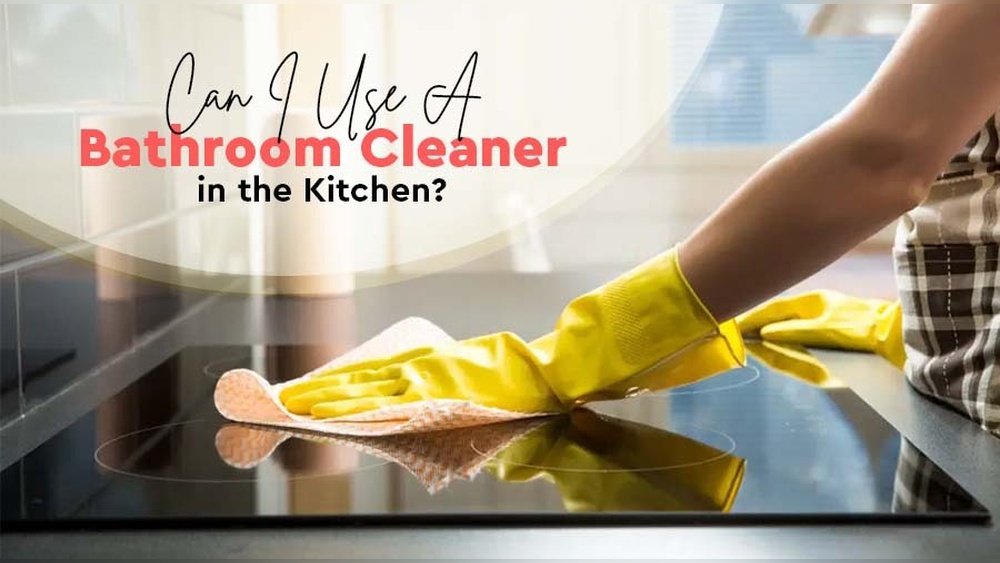
Are you confused about which cleaner to use for your kitchen and bathroom? It’s easy to think one product works for both, but using the wrong cleaner can cause damage or leave harmful residues behind.
Your home deserves the right kind of care, and knowing the difference between kitchen and bathroom cleaners is key to keeping your spaces safe and spotless. You’ll discover why these cleaners are not interchangeable and how choosing the right one makes cleaning easier and more effective.
Keep reading to protect your home and boost your cleaning game!

Purpose And Usage
Kitchen and bathroom cleaners serve different purposes. They target unique types of dirt and germs. Understanding their functions helps keep your home clean and safe. Each cleaner suits specific surfaces and stains.
Kitchen Cleaner Functions
Kitchen cleaners remove grease, food stains, and odors. They break down oil on countertops and appliances. These cleaners kill bacteria from raw food and spills. They also clean sinks, cutting boards, and stovetops. Some kitchen cleaners are gentle on food-contact surfaces.
Bathroom Cleaner Functions
Bathroom cleaners fight soap scum, mildew, and hard water stains. They remove mold and grime from tiles and tubs. These cleaners disinfect toilets, sinks, and showers. Many bathroom cleaners contain stronger disinfectants. They help keep germs and bacteria under control.
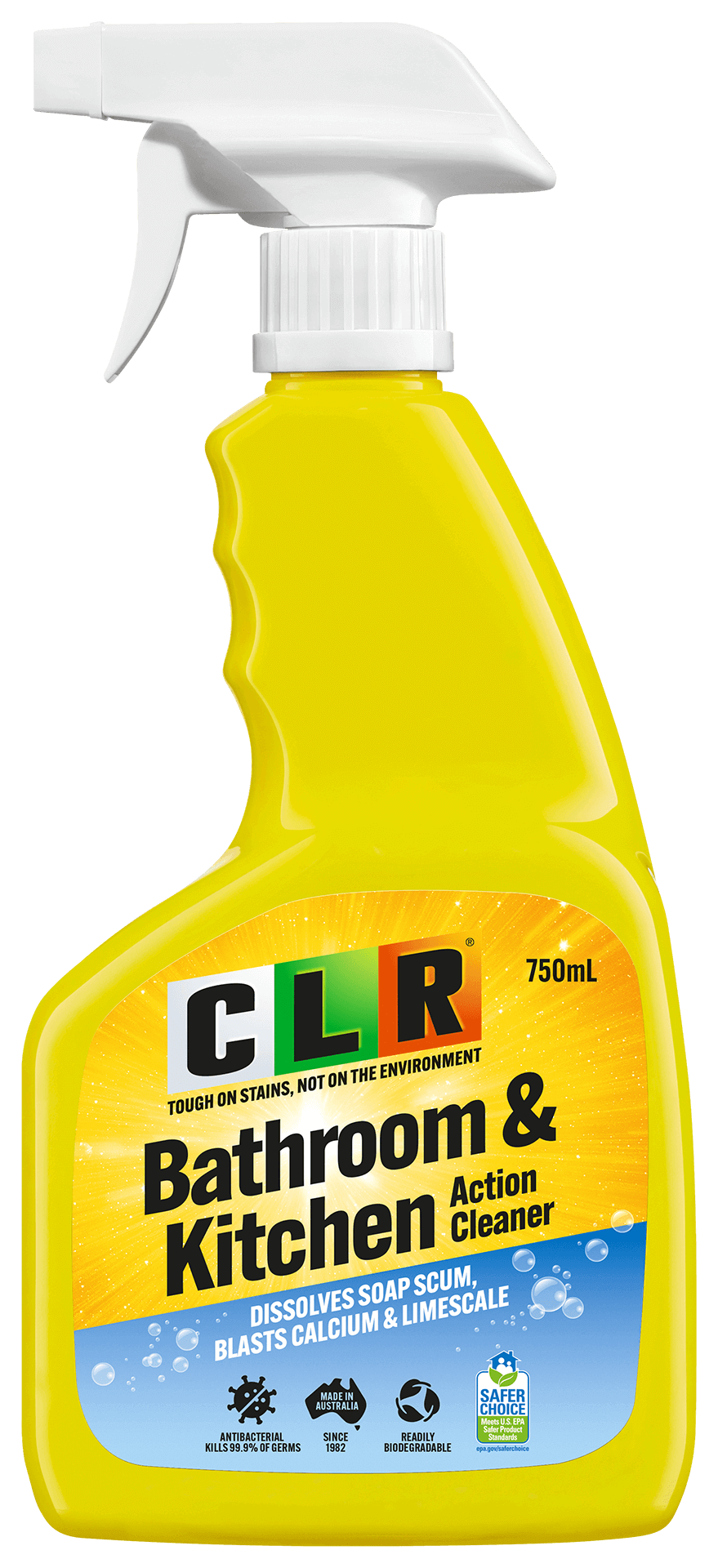
Common Ingredients
Kitchen and bathroom cleaners contain different ingredients. These ingredients target specific types of dirt and germs. Knowing the common ingredients helps to choose the right cleaner for each space.
Both types of cleaners aim to remove stains and kill bacteria. Yet, their formulas suit their unique cleaning tasks. This section explains the typical ingredients found in each cleaner.
Ingredients In Kitchen Cleaners
Kitchen cleaners often include surfactants. These help break down grease and oil. Enzymes are common too, breaking down food residues. Some contain mild acids to remove mineral deposits. Antibacterial agents kill germs from raw food. Fragrances mask odors from cooking. Many also have degreasers to cut tough grease.
Ingredients In Bathroom Cleaners
Bathroom cleaners usually contain stronger acids. These remove soap scum and hard water stains. Bleach is common to kill mold and mildew. Surfactants help clean body oils and dirt. Some include disinfectants to kill bacteria and viruses. Fragrances freshen the often damp bathroom air. Abrasives may be added to scrub tough grime.
Surface Compatibility
Surface compatibility is key when choosing cleaning products. Different surfaces need different cleaners. Using the wrong cleaner can cause damage or leave residue. Knowing which cleaner works for each surface helps keep your home safe and spotless.
Kitchen Surfaces
Kitchens have many types of surfaces like countertops, cabinets, and sinks. Common materials include granite, stainless steel, tile, and laminate. Kitchen cleaners are made to remove grease, food stains, and bacteria. They are gentle enough to protect surfaces but strong enough to clean well. Avoid harsh chemicals that can dull or scratch delicate finishes.
Bathroom Surfaces
Bathrooms have surfaces like tiles, glass, porcelain, and chrome. Bathroom cleaners focus on removing soap scum, mold, and hard water stains. They often contain stronger agents to kill germs and mildew. Some cleaners are acidic and can damage natural stone or metal fixtures. Use bathroom cleaners that match your surfaces to keep them shining and safe.
Cleaning Power And Effects
Cleaning power varies between kitchen and bathroom cleaners. Each targets different messes and germs. This affects how well they work and their impact on surfaces. Understanding these differences helps you choose the right product for each room. It also protects your surfaces and keeps your home healthy.
Grease And Stain Removal
Kitchen cleaners focus on removing grease and food stains. They contain strong agents that break down oils quickly. This keeps counters and stovetops shiny and clean. Bathroom cleaners usually lack these grease-fighting ingredients. Using kitchen cleaner in the bathroom may be too harsh for tiles and fixtures.
Mold And Mildew Control
Bathroom cleaners have ingredients to kill mold and mildew. They prevent black spots and bad smells in moist areas. Kitchen cleaners do not target mold as effectively. Using bathroom cleaner in the kitchen can help with damp spots but might be less effective on grease. Each cleaner is designed to handle the unique challenges of its room.
Safety And Health Considerations
Safety and health are key when choosing cleaners for kitchens and bathrooms. These areas require different products due to the nature of dirt and germs. Understanding how each cleaner affects your health helps keep your home safe. It also protects your family from harmful chemicals.
Toxicity Levels
Kitchen cleaners often have milder chemicals. They focus on grease and food stains. These cleaners are usually less toxic because they come into contact with food areas. Bathroom cleaners use stronger chemicals to fight mold and bacteria. This means they can be more harmful if not handled properly.
Usage Precautions
Always read the label before using any cleaner. Use gloves to protect your skin from irritation. Avoid mixing different cleaners, as this can create toxic gases. Keep cleaners out of reach of children and pets. Ensure good ventilation when using strong products. Wipe surfaces well after cleaning to remove any residue.

Environmental Impact
Cleaning products affect the environment in many ways. Kitchen and bathroom cleaners often contain different chemicals. These chemicals impact water, soil, and air quality. Understanding their environmental footprint helps us choose safer options. Small changes can protect our planet.
Biodegradability
Kitchen cleaners usually contain grease-cutting agents. Some break down quickly in water. Others leave harmful residues. Bathroom cleaners often have strong disinfectants. These can be harder to break down. Biodegradable products reduce pollution. They allow nature to absorb waste safely. Choosing cleaners with natural ingredients helps the environment.
Packaging And Waste
Packaging adds to environmental problems. Many cleaners come in plastic bottles. These bottles may not be recyclable. Kitchen cleaners often use larger containers. Bathroom cleaners tend to come in smaller sizes. Reducing packaging waste lowers landfill pressure. Using refillable or recyclable containers is better. It saves resources and cuts pollution.
Choosing The Right Cleaner
Choosing the right cleaner for your kitchen and bathroom is very important. These areas have different surfaces and types of dirt. Using the wrong cleaner can damage surfaces or leave behind germs. Picking the correct product helps keep your home safe and clean.
Factors To Consider
Think about the surface you need to clean. Kitchen counters may need grease-cutting cleaners. Bathroom tiles require mold and soap scum removers. Check the label for ingredients. Some cleaners are harsh and can harm delicate surfaces. Also, consider if the cleaner is safe for children and pets. Always choose products that match the cleaning task.
Tips For Effective Cleaning
Read the instructions on the cleaner carefully. Use the right amount to avoid damage or residue. Let the cleaner sit for a few minutes to work better. Use separate cloths or sponges for kitchen and bathroom to stop germs from spreading. Rinse surfaces well after cleaning to remove any chemicals. Regular cleaning keeps areas fresh and hygienic.
Frequently Asked Questions
What Is The Main Difference Between Kitchen And Bathroom Cleaners?
Kitchen cleaners focus on grease and food stains, while bathroom cleaners target soap scum and mold. Each formula is designed for specific grime types, ensuring effective cleaning without damaging surfaces.
Can I Use Bathroom Cleaner In The Kitchen Safely?
Using bathroom cleaner in the kitchen is not recommended. Bathroom cleaners may contain harsh chemicals unsuitable for food-contact surfaces, risking contamination and health hazards.
Why Are Kitchen Cleaners Better For Grease Removal?
Kitchen cleaners contain degreasers that break down oils and food residues efficiently. This makes them more effective for kitchen messes than general or bathroom-specific cleaners.
Do Bathroom Cleaners Kill Different Germs Than Kitchen Cleaners?
Yes, bathroom cleaners often contain stronger disinfectants targeting mold and mildew. Kitchen cleaners focus more on bacteria from food, but both kill common household germs.
Conclusion
Kitchen and bathroom cleaners serve different purposes. Each cleaner targets specific dirt and germs. Using the wrong cleaner can cause damage or leave surfaces dirty. Always choose the cleaner designed for the room you clean. This helps keep your home safe and fresh.
Understanding their differences saves time and effort. Clean smart, clean right. Your home will thank you.