Choosing the right robot vacuum can be tricky, especially when it comes to keeping your carpets spotless. You want a machine that truly understands your home’s needs and delivers powerful cleaning without constant supervision.
That’s why comparing Deebot and Roomba matters—both are popular, but which one actually cleans carpets better? If you’ve been wondering which robot vacuum will make your life easier and your floors fresher, this article is for you. Let’s dive into the details that will help you make the best choice for your home.
Carpet Cleaning Performance
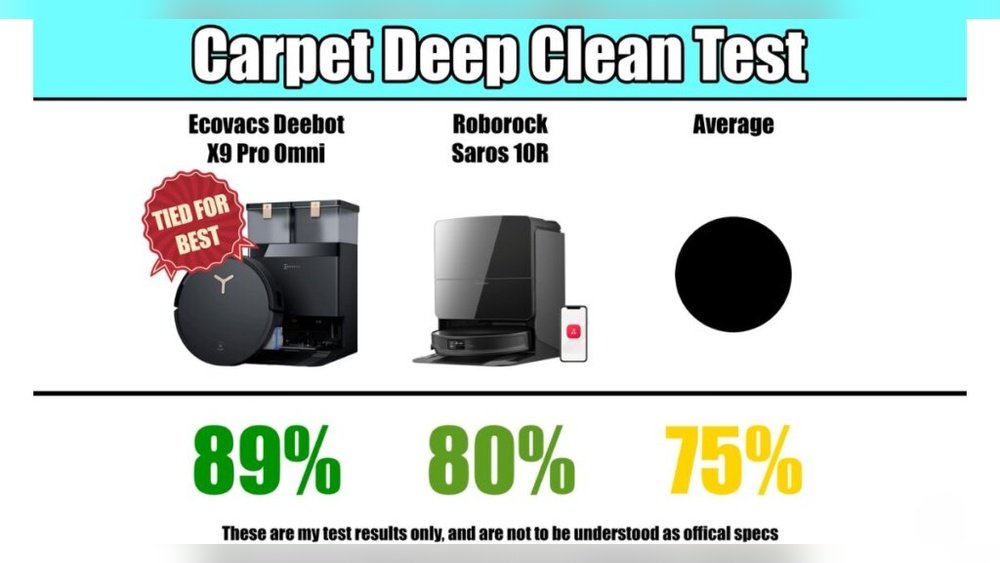
Carpet cleaning is a key factor when choosing a robot vacuum. Both Deebot and Roomba offer strong features. Their ability to clean carpets well affects daily dust and dirt levels. Understanding their carpet cleaning performance helps make a smart choice.
Each model uses different technology to tackle carpet fibers. The power and design of brushes also play a big role. Carpet types vary, so handling all types is important. Let’s explore these details closely.
Suction Power Comparison
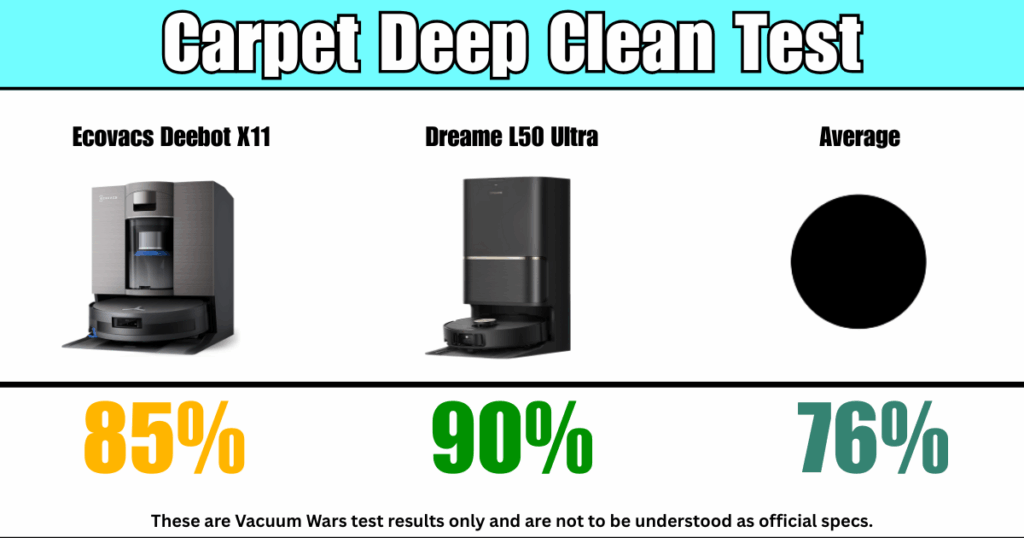
Suction power defines how much dirt the vacuum picks up. Roomba models often have high suction, strong enough for deep carpet cleaning. Deebot vacuums provide good suction, but some models focus on balance between power and battery life. Roomba may clean thick carpets better due to stronger suction. Deebot works well on low to medium pile carpets.
Brush Design And Effectiveness
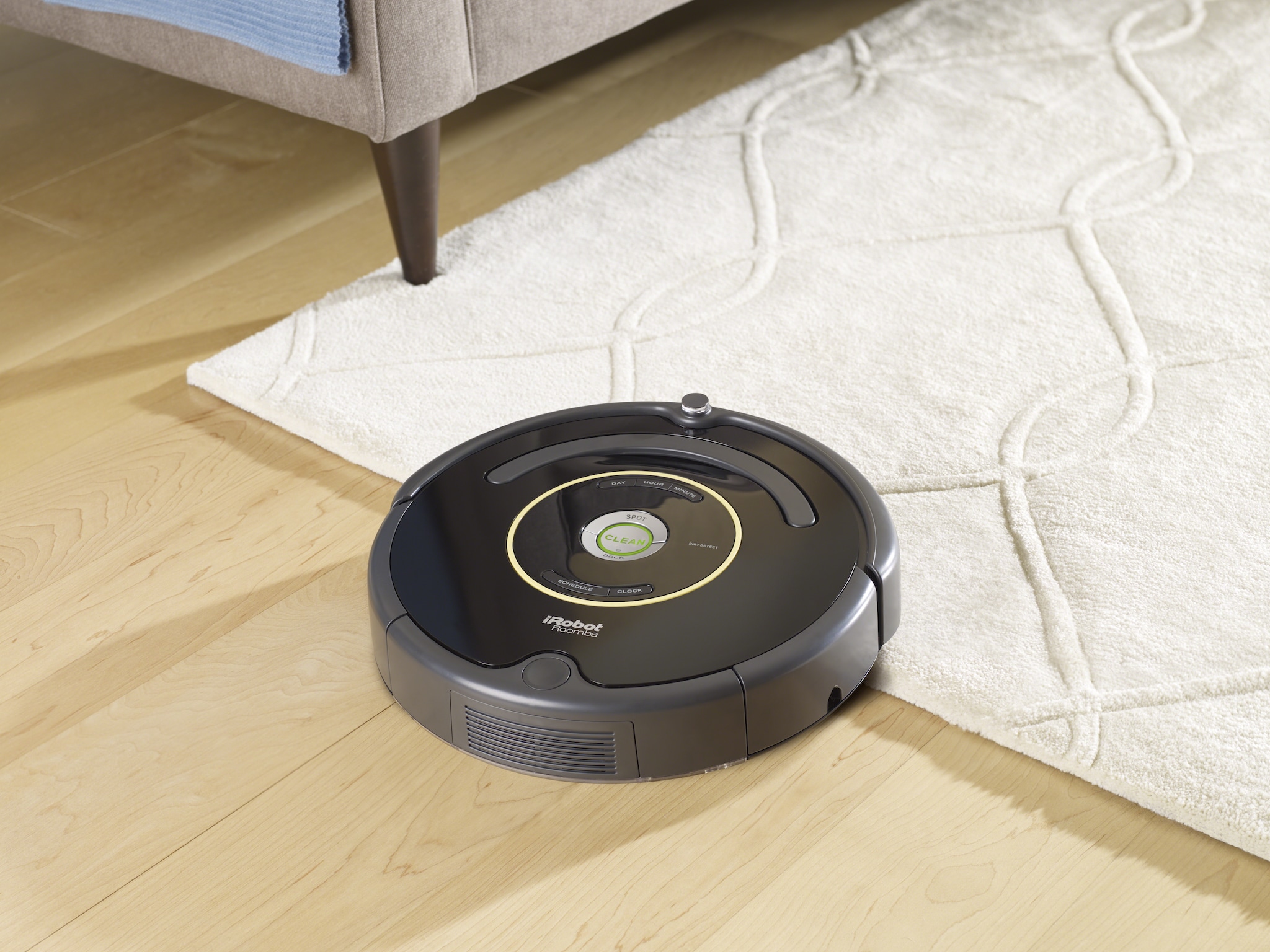
Roomba uses a dual multi-surface brush system. It lifts dirt and hair efficiently from carpet fibers. The brushes adjust to different floor types automatically. Deebot uses a combination of rubber brushes and side brushes. These are good at picking surface dust and pet hair. Roomba’s brush design tends to handle tangled hair better. Deebot brushes clean well but may need more maintenance.
Handling Different Carpet Types
Carpets vary from thin rugs to thick shag. Roomba adapts well to various carpet heights. Its sensors detect carpet edges and increase suction power. Deebot performs best on low to medium pile carpets. Some models struggle with high pile or shag carpets. Both vacuums clean short carpets effectively. Roomba offers better results on thick carpets and rugs.
Navigation And Coverage
Navigation and coverage are key factors for robot vacuums cleaning carpets well. Good navigation helps the vacuum move around furniture and obstacles. Coverage ensures the vacuum cleans the whole carpet without missing spots. Both Deebot and Roomba offer smart features that improve these areas. Understanding their technologies helps decide which one fits your needs better.
Mapping Technologies
Deebot uses laser-based mapping. It scans the room to create a precise map. This lets it plan an efficient cleaning path. Roomba relies on a camera and sensors for mapping. It builds a visual map of the area. Both methods allow the vacuums to remember room layouts. This improves cleaning accuracy and avoids repeated passes.
Obstacle Detection
Deebot detects obstacles with sensors and laser scanning. It slows down or changes direction when needed. Roomba uses cliff sensors and bumpers to spot obstacles. It can avoid falling down stairs or hitting furniture. Both vacuums handle obstacles well. This helps them clean carpets without getting stuck or damaged.
Coverage Efficiency
Deebot plans routes to cover every corner. It cleans in straight lines for better coverage. Roomba covers the room in a systematic pattern too. Both vacuums return to missed spots automatically. Their smart coverage reduces cleaning time and energy use. This means cleaner carpets with less effort from you.
Battery Life And Runtime
Battery life and runtime play a big role in robot vacuum cleaners. They decide how long the device can clean without stopping. This factor is crucial for carpet cleaning. Carpets need more power and time to get truly clean. Both Deebot and Roomba offer solid battery performance. Let’s break down their cleaning duration and recharge features to see which one fits your needs better.
Average Cleaning Duration
Deebot models usually run between 90 to 120 minutes on a full charge. This time suits medium-sized homes with carpet floors well. Roomba vacuums, especially higher-end models, offer runtimes around 75 to 120 minutes. Some models even reach 150 minutes. This extra time helps cover larger carpet areas without interruptions. Both brands provide enough runtime for most homes. But Roomba often leads slightly in longer battery life.
Recharge And Resume Features
Recharge and resume is a key feature in modern robot vacuums. Deebot robots return to their dock when the battery is low. They recharge quickly and continue cleaning exactly where they stopped. This prevents missed spots on carpets. Roomba also includes this function in many models. It helps keep cleaning consistent in big carpeted rooms. Both brands use smart navigation to remember cleaning paths. This feature saves time and ensures thorough carpet cleaning.
Smart Features And Controls
Smart features and controls make robot vacuums easier to use. They help you manage cleaning without any hassle. Both Deebot and Roomba have many smart tools. These tools help you control the vacuum from anywhere. They also let you customize cleaning to suit your needs.
App Functionality
Both Deebot and Roomba come with smartphone apps. These apps let you start, stop, and monitor cleaning. You can see cleaning maps and check battery levels. Deebot’s app offers zone cleaning and no-go areas. Roomba’s app also shows dirt detection and cleaning reports. Both apps are simple and user-friendly.
Voice Assistant Compatibility
Deebot and Roomba work with popular voice assistants. They support Amazon Alexa and Google Assistant. You can use voice commands to start or pause cleaning. This makes controlling the vacuum easy without touching your phone. Voice control adds convenience, especially when you are busy.
Scheduling And Customization
Both vacuums allow scheduling cleaning sessions. You can set specific days and times for cleaning. Deebot offers more detailed options for room-specific cleaning. Roomba allows you to save cleaning preferences for different rooms. Custom schedules help keep carpets clean regularly without extra effort.
Maintenance And Upkeep
Maintaining a robot vacuum is key to its performance. Both Deebot and Roomba need regular upkeep for best carpet cleaning results. Small tasks like changing filters or emptying dustbins keep them running well. Let’s explore how each brand handles these chores.
Filter And Brush Replacement
Filters trap dust and allergens. Both Deebot and Roomba use washable or replaceable filters. Roomba filters often last about two months before a change. Deebot filters can last a similar time but vary by model. Brushes also wear out over time. Roomba’s brushes are easy to remove and clean. Deebot brushes may require a bit more effort but are still user-friendly. Replacing worn brushes improves carpet cleaning power.
Dustbin Capacity
Dustbin size affects how often you empty the vacuum. Roomba models usually have dustbins around 0.4 liters. Deebots often offer slightly larger dustbins, up to 0.5 liters. A bigger dustbin means less frequent emptying, especially with thick carpet dirt. Both brands provide easy dustbin removal. This feature helps users keep the vacuum ready for the next cleaning.
Ease Of Cleaning
Keeping the robot clean ensures better carpet care. Roomba vacuums have simple designs, making parts easy to access. Deebot also designs for easy cleaning but may have more parts to handle. Regularly wiping sensors and wheels improves navigation. Both models recommend checking for hair tangles on brushes. Quick cleaning routines save time and keep vacuums efficient.
Price And Value
Price and value play a big role in choosing the right robot vacuum. Both Deebot and Roomba offer models at different price points. Understanding their costs and what you get helps make a smart choice. This section breaks down the costs, warranty, and overall value for carpet cleaning.
Cost Comparison
Deebot models usually cost less than Roomba vacuums. Basic Deebot robots start around $200. Mid-range models go up to $500. Roomba’s entry-level models start near $300. High-end Roomba vacuums can cost over $1,000. Price differences reflect features, cleaning power, and smart technology. Deebot offers more budget-friendly options. Roomba focuses on premium features and advanced cleaning.
Warranty And Support
Both brands provide warranties on their products. Deebot typically offers a one-year warranty. Roomba also usually includes a one-year warranty. Extended warranties may be available for purchase. Customer support varies by region and retailer. Roomba has a larger support network. Deebot support is growing but smaller. Good support ensures quick help for any issues.
Overall Value For Carpet Cleaning
Roomba often excels in deep carpet cleaning. Its brush design and suction are strong. Deebot works well on light to medium carpets. It may struggle with thick or shag carpets. Roomba’s higher price matches its powerful cleaning. Deebot gives solid value for less money. Choose based on carpet type and budget. Both brands offer good value in their price range.

Frequently Asked Questions
Which Brand Cleans Carpets More Effectively, Deebot Or Roomba?
Roomba generally cleans carpets more effectively due to its strong suction and advanced mapping. Deebot works well but may lack deep carpet cleaning power compared to Roomba. Roomba models are designed specifically to handle various carpet types with better performance.
How Do Deebot And Roomba Differ In Carpet Cleaning Technology?
Roomba uses powerful suction and multi-surface brushes, while Deebot relies more on mopping and moderate suction. Roomba’s sensors and mapping adapt better to carpet textures. Deebot is ideal for mixed floors but less specialized for deep carpet cleaning.
Is Roomba Better For Thick Or High-pile Carpets?
Yes, Roomba models like the i7 and s9 perform better on thick or high-pile carpets. Their stronger motors and adjustable brushes handle dense fibers efficiently. Deebot struggles more with thick carpets due to less suction power and simpler brush design.
Can Deebot Handle Pet Hair On Carpets As Well As Roomba?
Roomba is better at removing pet hair from carpets thanks to its tangle-free brushes and strong suction. Deebot can manage light pet hair but may struggle with larger amounts or deep fibers. Roomba’s design focuses more on pet hair removal.
Conclusion
Both Deebot and Roomba clean carpets well but in different ways. Deebot offers smart mapping and quiet cleaning. Roomba has strong suction and better edge cleaning. Your choice depends on budget and carpet type. Think about features that matter most to you.
Either robot can keep your carpets fresh and tidy. Choose the one that fits your home best. Clean carpets made easy. Simple and smart.