

Can you use a wet/dry vacuum without a filter? It's a common question, and the answer depends on what you're vacuuming. The honest answer is: yes for water, no for dry messes.
The reason comes down to what the filter is actually protecting.
Here's the quick version: a cartridge filter stops dry dust from reaching the motor. A float valve stops liquid from reaching the motor. As of 2026, most major brands approve filterless operation for wet pickup.
Let's walk through exactly when that's safe and when you're asking for an expensive repair.
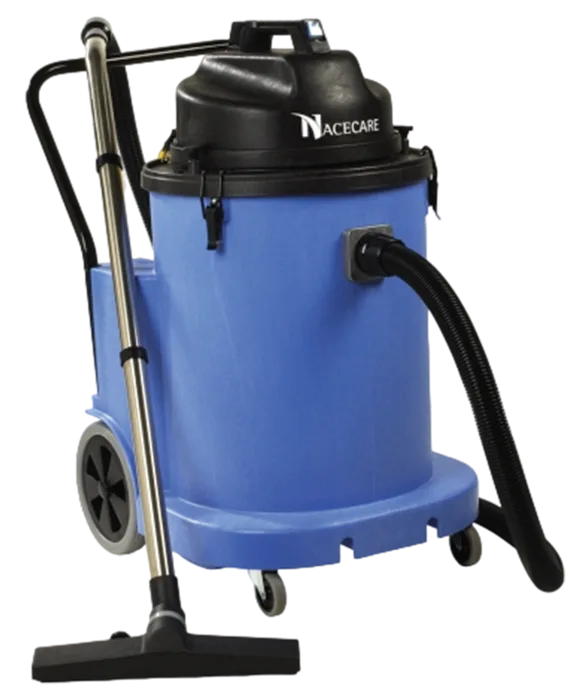
Image source: Web (Bing) / dcequipment.com (Web image (fair-use with source credit))
Quick Answer: Is It Ever Safe to Ditch the Filter?
Yes, for wet pickup on most major models. No, for dry pickup. The filter catches fine dust before it reaches the motor.
Water is handled by the float valve instead. Always check your owner's manual first.
That last step matters more than people think. If the manual approves filterless wet mode, you're good to go. If it's silent, keep the filter installed or swap in a foam filter sleeve.
| Situation | Filter Setup | Verdict |
|---|---|---|
| Wet pickup, approved filterless mode | Remove cartridge filter and debris bag | Safe |
| Wet pickup, standard mode | Keep foam sleeve or cartridge filter | Safe, less efficient |
| Dry pickup | Keep filter installed | Safe |
| Dry pickup without any filter | N/A | Unsafe, motor damage risk |
Never run dry without a filter. Fine dust coats the motor windings, blocks airflow, and causes overheating. This is one of the most common ways people burn up a wet/dry vacuum, and manufacturers usually deny the warranty claim when the filter is missing.
How Wet/Dry Vacuum Filtration Actually Works (and What the Filter Protects)
Every wet/dry vacuum runs on the same airflow path. The motor spins an impeller, which pulls air through the hose, across the tank, and out the exhaust port. The filter sits at the motor intake, blocking particles before they reach the moving parts.
Remove the filter, and particles take a direct route into the motor. Fine sawdust, drywall powder, and concrete dust act like sand. They score the bearings, coat the windings, and trap heat.
Heat is what kills the motor.
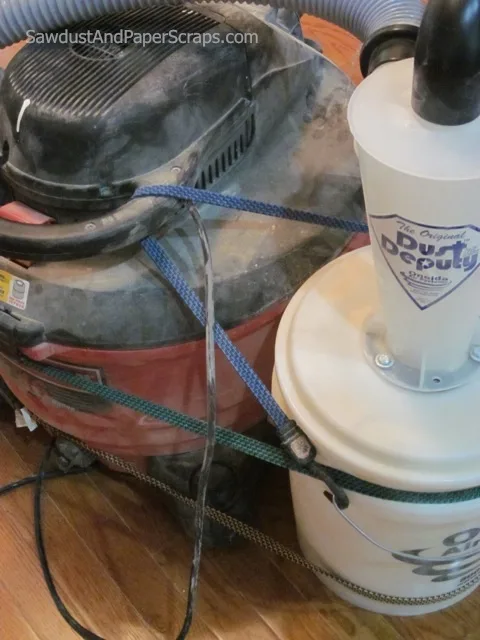
Image source: Bing (Web (fair-use with source credit))
That's why every major manufacturer, including Shop-Vac, tells you to keep the cartridge filter installed for dry pickup. Their guidance for wet pickup is different. Water doesn't circulate through the motor the way dust does, so the danger is much lower.
The float valve is what protects the motor from a full tank of liquid.
The float valve is a simple mechanical backup. When the tank fills with water, the float rises into the airpath and cuts off suction before water reaches the motor. It needs no electricity.
It just works, as long as it's clean and free to move.
Standard shop vac filters range from 1 to 5 microns, while HEPA-style filters catch particles as fine as 0.3 microns. Fine dust is the target here, not water. If you've ever dealt with airflow problems in a vacuum system, you know how quickly restrictions cut performance.
Regular airflow maintenance is what keeps any vacuum running well. A dirty filter, a clogged hose, it all adds up.
The Key Question: What Are You Picking Up? Wet, Dry, or Both
Before you reach for the filter release, ask one simple question. What am I about to vacuum up? The answer determines everything.
If you're picking up water, you have options. The float valve handles the liquid protection, and removing the filter actually improves airflow. Many users report noticeably stronger suction after pulling the filter for wet jobs.
If you're picking up dry material, you're in a different situation. Dust, sawdust, dirt, and drywall powder flow through the air easily, which means they reach the motor easily. The filter is the only thing standing between them and the motor windings.
If you're picking up a mix of both, you need a compromise. The foam filter sleeve is the answer there. It lets water pass through while still trapping larger debris, and it can be rinsed and reused.
The same logic applies to pool vacuums. Whether you're pulling water out of a flooded basement or clearing cloudy water from a pool, the fundamentals stay the same. Liquid is manageable.
Dry debris needs positive filtration.
Decision Tree: When You Can Run Filterless vs. When You Absolutely Shouldn't
Here's how the decision breaks down in practice. Follow the condition, then the action.
Wet Pickup Only: Filterless Is Usually Fine (If the Manual Agrees)
If you're vacuuming clean water with no heavy debris, you can usually remove the cartridge filter and the debris bag. The float valve blocks water before it reaches the motor, so the filter isn't needed for protection. Many manuals describe this explicitly as "wet mode."
Check the manual's wet pickup section. Confirm the float valve moves freely. Then run without the filter for the best liquid pickup performance.
There's one exception: soapy water. Suds climb tank walls faster than water, and the float valve can get tripped up by foam. If you're vacuuming soapy water, keep the foam filter sleeve on, or use an anti-foam solution.
Dry Pickup: Why You Should Never Skip the Filter
For dry pickup, the filter stays in. No exceptions. Fine dust finds its way into the motor, coats the windings, and causes overheating.
Pulling the filter for dry work might feel like a shortcut to stronger suction, but you'd be trading a minor airflow gain for a costly repair bill.
There's a secondary problem, too. Without the filter, fine dust blows straight out of the exhaust port. That's not just messy.
It's a breathing hazard, especially with drywall or concrete dust. OSHA sets strict exposure limits on silica dust because the health effects are genuinely serious.
Pool vacuums show the same pattern, where a blocked or dirty filter causes a sudden drop in pickup power. Check the filter first, always.
Mixed Debris and Liquid: The Foam Sleeve Compromise
What if you're dealing with muddy water, wet leaves, or a mess that's half liquid, half solid? That's the foam filter sleeve's moment. It slides over the filter cage, lets water pass through, and catches larger particles before they clog the works.
Foam sleeves are cheap, washable, and far more forgiving than paper debris bags. You can rinse one out in a sink and hang it to dry. If you regularly handle wet messes, keep a spare foam sleeve in the tank lid.
Step-by-Step: How to Run Your Shop Vac Without a Filter Safely
Follow this exact process for filterless wet operation. It takes about two minutes and keeps you inside the safety guidelines.
- Unplug the machine. Always start with a dry unit before opening the tank.
- Remove the debris bag if one is installed. Paper bags disintegrate fast when they get wet.
- Remove the cartridge filter. Set it aside somewhere dry.
- Check the float valve. Look for the float near the motor intake and make sure it slides freely.
- Attach the right tool. A squeegee attachment or wide floor nozzle moves standing water quickly.
- Vacuum in slow, even passes. Let the machine pull the water.
- Empty the tank the moment suction drops. That drop means the float has engaged.
- Rinse the tank and dry it thoroughly. Leave the lid off for a few hours before storing.
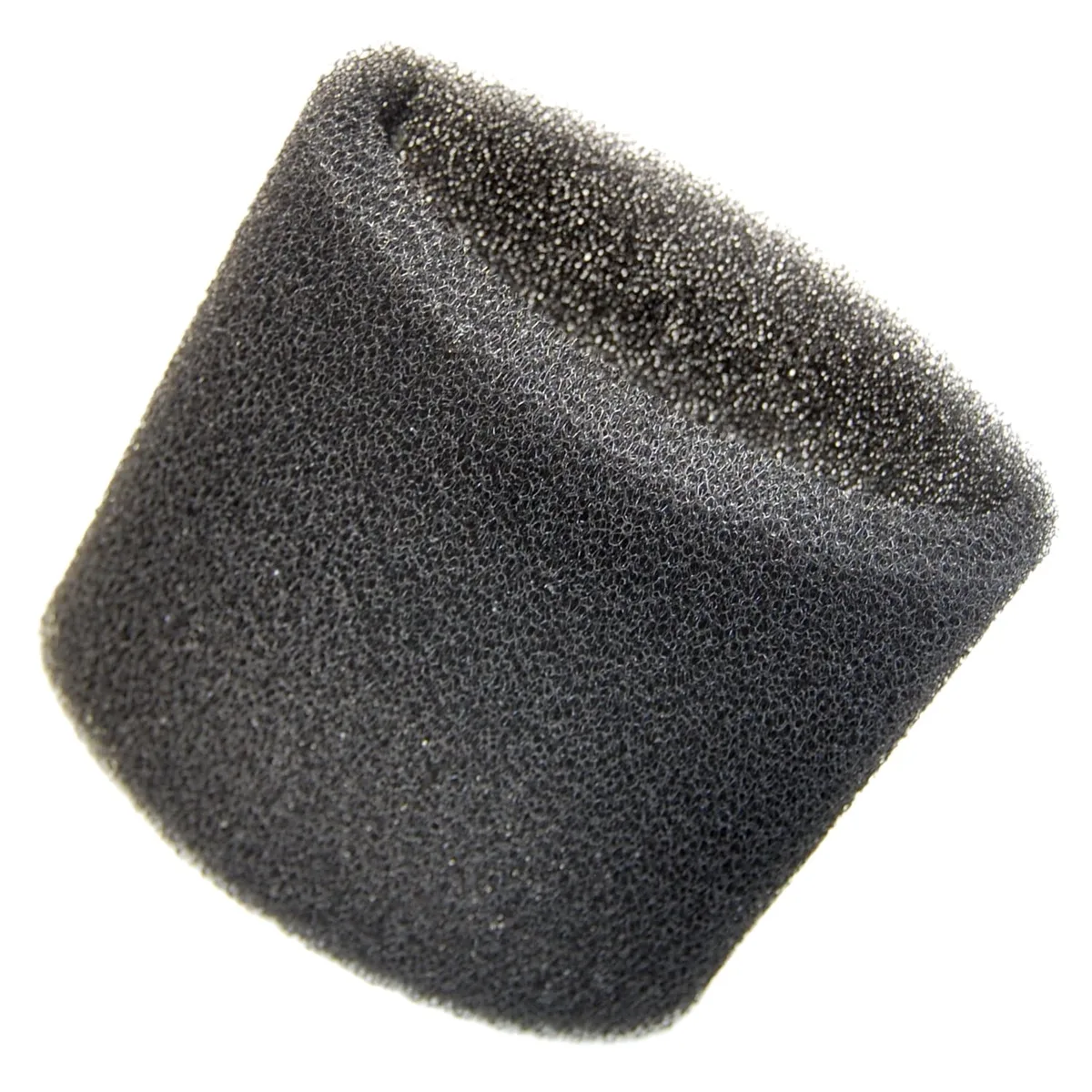
Image source: Bing (Web (fair-use with source credit))
If you want extra protection during wet work, slide a foam filter sleeve over the filter cage before you start. It adds a small amount of resistance but catches grit and leaves that can clog the tank drain.
When you switch back to dry pickup, reinstall the cartridge filter before you run the machine. An empty filter seat is an open door for fine dust. Keep the cartridge clean between jobs, too.
Common Mistakes to Avoid (and What They Cost You)
The most common mistake is forgetting to reinstall the filter before dry pickup. You run a wet job, pull the cartridge, and then grab the vac to clean up sawdust an hour later. Without the filter, that dust heads straight into the motor.
Aggregate repair reports show this is the leading cause of premature shop vac failure.
Leaving a wet filter in the tank is a close second. A soaked cartridge filter traps moisture against the intake, and within a few days you're looking at mold colonies. The smell seeps into the whole unit.
Rinse the filter, let it dry fully, and store it separately.
Using a paper debris bag for wet pickup is another classic error. The paper breaks down instantly when wet, turns into pulp, and clogs the hose. If the bag doesn't say "wet pickup approved," take it out.
Running the machine with no filter on dry work isn't the worst mistake. The worst is ignoring the exhaust dust cloud. Fine particles recirculate into the air you're breathing.
That's a health issue, not just a repair one.
Who Actually Benefits From Filterless Operation? Use Cases That Make Sense
Filterless wet operation shines in specific scenarios. Homeowners dealing with a flooded basement after heavy rain get the most benefit. Removing the filter improves airflow noticeably, so you move more water per pass.
Car detailers pulling up spilled coolant or standing water from a seat also work well filterless. The float valve keeps the motor safe, and you avoid soaking a fresh cartridge filter on every client job. Keep a foam sleeve handy if the liquid is dirty.
Contractors on job sites use filterless mode for quick water extraction after plumbing leaks. If your shop vac is dedicated to wet work only, leaving the filter out is a permanent setup that makes sense. Just remember to reinstall the filter before the next dry job.
Pros and Cons: Filterless vs. Filtered Operation Side by Side
Every setup has trade-offs. Here's the honest comparison so you can match your use case to the right approach.
| Factor | Filterless (Wet Only) | Filtered (Dual Mode) |
|---|---|---|
| Wet suction performance | Stronger, less restriction | Slightly reduced airflow |
| Dry pickup capability | Not safe | Fully functional |
| Maintenance after wet use | Rinse tank, dry it | Clean and dry the filter too |
| Mold risk | Low | High if filter left wet |
| Motor protection (wet) | Float valve handles it | Float valve plus filter |
| Motor protection (dry) | None | Filter protects perfectly |
| Setup time | 1 to 2 minutes | 2 to 3 minutes |
| Best for | Flood cleanup, detailing, wet-only use | Everyday multi-purpose work |
Filterless operation wins on simplicity and wet pickup power. Filtered operation wins on versatility and safety. There's no universal best.
There's only the right tool for the job you're doing today.
If your machine needs to do everything, keep the filter installed and use a foam sleeve for wet jobs. If your vacuum lives on wet duty only, the filter can stay off for good.
Filter Alternatives That Give You the Best of Both Worlds
The foam filter sleeve is the easiest compromise. It slides over the filter cage, allows water through, and catches leaves, grit, and other coarse debris. You can rinse it in seconds.
Most shop vac brands include one in the box.
The cyclone separator is a bigger investment but a worthwhile one for heavy mixed debris. It sits between the hose and the tank, using centrifugal force to drop solids into a separate container. That keeps wet and dry material out of the main tank entirely.
Washable cartridge filters are another middle ground. They cost a bit more up front but can be rinsed and reused many times. If you're working with fine particles like drywall dust, pair a washable cartridge with a cyclone separator for solid protection.
Avoid using a HEPA filter for wet pickup. HEPA media soaks up water, swells, and loses its ability to trap fine particles. Keep HEPA filters strictly for dry work and follow the expected service life of premium filter media.
Maintenance and Long-Term Care for a Filterless Workflow
Regular maintenance keeps a filterless wet setup safe. Empty the tank after every use. Rinse it out with a hose, and dry the interior with a clean rag.
Leave the lid off for a few hours so moisture fully evaporates.
Check the float valve at least monthly. It should slide freely on its rod without sticking. A stuck float valve is the only real safety gap in filterless mode.
Clean the rod with warm soapy water if there's grime around it.
Lubricate the gasket around the top rim occasionally. A dry gasket can crack and allow air leaks that drop your suction performance. A thin coat of silicone grease on the rubber seal keeps everything seated properly.
For those times when you switch back to dry mode, treat the filter cleaning process as seriously as you would any other vacuum. A clean filter means a happy motor.
Safety Warnings: Motor Protection, Mold, and Warranty Gotchas
The biggest financial risk is warranty denial. Most manufacturers condition coverage on using the correct filter. A motor burnout with no filter installed gets flagged during inspection.
Mold is the second safety concern. A damp cartridge filter stored inside a sealed tank grows mold within days. It spreads to the tank walls and blows through the exhaust on the next use.
Always rinse and fully air-dry any filter you use for wet pickup.
UL-listed units are tested in their standard filter configuration. Running outside that configuration is your responsibility, not the machine's.
FAQs: Can You Vacuum Water Without a Filter? Your Top Questions Answered
Can I vacuum standing water without a filter?
Yes, on most major models. Remove the cartridge filter and debris bag so the float valve can shut off when the tank fills. Check the owner's manual for filterless wet approval first.
Never run dry without a filter.
What happens if I use a shop vac without a filter for dry dust?
Fine dust reaches the motor, coats the windings, and causes overheating. Most manufacturers void the warranty after a motor failure if the filter is missing. A cyclone separator is a better fix for dry airflow.
Can a foam filter sleeve replace a cartridge filter?
No, it is a pre-filter for wet jobs. It catches coarse debris and lets water through. It does not trap fine dust.
Keep the cartridge filter installed for dry pickup.
Is a wet/dry vacuum safe to run without a filter for wet pickup?
Yes, if the float valve works and the manual allows it. The float rises and blocks airflow before water reaches the motor. Test the float first by moving it manually before you fill the tank.
Final Verdict: Run It Filterless or Not? A Simple Decision Guide
If your manual approves filterless wet mode, run it. It's faster, easier to clean, and the float valve has you covered. If you do a mix of wet and dry jobs, keep the cartridge filter in place and use a foam sleeve for wet work.
Dry pickup without a filter is never the right move.

