

Can You Use A Household Vacuum To Clean Your Car?
Many car owners wonder if their trusty household vacuum cleaner can do the job of cleaning their car’s interior. The answer is yes, you can use a household vacuum to clean your car, but there are some important things to consider. While it might seem like a quick and easy solution, household vacuums are not always ideal for car cleaning and can sometimes even cause minor issues if not used carefully.
This guide will explore the pros and cons of using a household vacuum in your car, offer tips for doing it effectively, and suggest when a specialized car vacuum might be a better choice. Understanding these points will help you achieve a cleaner car interior without causing damage or frustration.
The Benefits Of Using A Household Vacuum
Using your regular home vacuum for your car comes with several advantages, primarily revolving around convenience and cost. You already own the equipment, so there’s no need to purchase anything extra. This makes it a readily available option for quick cleanups or when you notice a spill.
Furthermore, most household vacuums offer decent suction power, which is generally sufficient for picking up common car debris like dirt, dust, crumbs, and pet hair from carpets and floor mats. Their versatility means they can also reach into nooks and crannies with the right attachments.
Potential Drawbacks And Risks
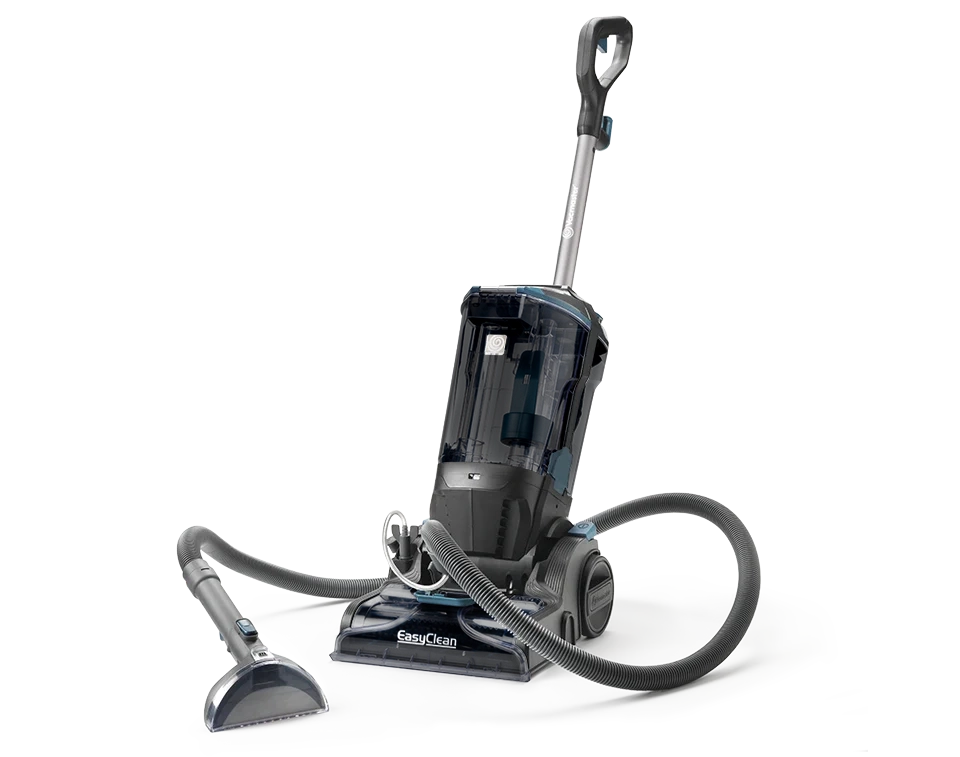
Despite the convenience, there are several drawbacks to using a household vacuum in your car. One major concern is the size and weight of many home vacuums. Maneuvering a large upright or canister vacuum into and around a car can be cumbersome and difficult, especially in tight parking spaces.
Another risk involves potential damage. The brushes on some household vacuum cleaner heads are designed for home carpets and can be too stiff or abrasive for delicate car upholstery or plastics. This could lead to scratching or snagging the fabric. Also, the exhaust from some vacuums can blow fine dust back into the air, making the cleaning process less effective or even creating a mess.
Here’s a quick look at some common household vacuums and their suitability for car cleaning:
| Vacuum Type | Pros for Car Cleaning | Cons for Car Cleaning |
|---|---|---|
| Upright Vacuum | Strong suction, often has attachments. | Bulky, difficult to maneuver, brushroll can be too harsh. |
| Canister Vacuum | Good suction, flexible hose and attachments. | Canister is heavy to move around, hose length might be limiting. |
| Handheld Vacuum (Cordless) | Portable, easy to use in tight spaces. | Lower suction power, limited battery life, small dustbin. |
| Stick Vacuum | Lightweight, easy to store. | Suction can vary, may not be powerful enough for deep cleaning. |
How To Use Your Household Vacuum Effectively In Your Car
If you decide to use your household vacuum, follow these steps to maximize effectiveness and minimize risks. First, choose the right attachment. Most vacuums come with a crevice tool, a brush attachment, and an upholstery tool. The crevice tool is excellent for reaching between seats, along door panels, and into tight corners. Use the brush attachment for dusting dashboards and vents, but be gentle.
When vacuuming seats and carpets, start with the lowest suction setting if your vacuum allows. This helps prevent damage to delicate fabrics. For stubborn pet hair or deeply embedded dirt, you might need to increase the suction, but always test on an inconspicuous area first. It’s also a good idea to empty the vacuum cleaner’s dustbin before you start to ensure maximum suction power.
Cleaning Specific Car Areas
- Floor Mats and Carpets: These are usually the most robust parts of your car’s interior. Use a wider nozzle or the main vacuum head to cover large areas. For stubborn dirt, you might need to go over the area multiple times.
- Seats: Use the upholstery attachment or a soft brush tool. Move the vacuum in the direction of the fabric weave if possible. For leather seats, avoid stiff brushes and use a soft brush attachment or crevice tool gently.
- Dashboard and Console: Use a soft brush attachment or the crevice tool to get into tight spots around buttons and vents. Be careful not to blow dust into electronics.
- Trunk: Don’t forget the trunk! It often accumulates a lot of dirt and debris. Use the crevice tool for corners and the main nozzle for larger areas.
When A Car Vacuum Is A Better Option
While a household vacuum can work in a pinch, a dedicated car vacuum cleaner often offers a superior cleaning experience. Car vacuums are designed with the specific needs of vehicle interiors in mind. They are typically compact, lightweight, and cordless, making them easy to maneuver and store.
Car vacuums usually have stronger suction power relative to their size than many handheld household models, and their attachments are often shaped to fit car interiors perfectly. This means they can tackle tougher jobs like embedded pet hair and deep-seated dirt more effectively.
Here’s a comparison of key features:
| Feature | Household Vacuum (General) | Dedicated Car Vacuum |
|---|---|---|
| **Size & Portability** | Often large and heavy | Compact and lightweight |
| **Power Source** | Corded or Cordless | Mostly Cordless |
| **Suction Power** | Varies greatly | Good for size |
| **Attachments** | General purpose | Car-specific |
| **Durability** | Built for home use | Designed for car use |
| **Cost** | Varies widely | Generally affordable |
Pro Tip: Pre-cleaning Steps
Before you even plug in or turn on your vacuum, do a quick pre-cleaning. This involves removing loose items like trash, floor mats, and personal belongings. Shake out the floor mats vigorously outside to remove as much dirt as possible. This makes the vacuuming process much faster and more effective, as you’re not trying to suck up large debris.
Maintaining Your Car’s Interior
Regular cleaning is key to keeping your car’s interior looking and feeling fresh. Even if you only use your household vacuum occasionally, making it a habit will prevent dirt and grime from building up. Aim to vacuum your car at least once a month, or more often if you have pets or frequently transport children.
Consider keeping a small, dedicated handheld car vacuum in your vehicle for quick touch-ups between deep cleans. Many are surprisingly affordable and can make a big difference. For a truly deep clean, especially for older cars or those with heavily soiled interiors, professional detailing might be necessary, but consistent home maintenance can significantly extend the time between such services.
Frequently Asked Questions
Can I Use My Dyson Vacuum In My Car?
Yes, you can use a Dyson vacuum in your car. Many Dyson models are powerful and come with various attachments that can be useful for car interiors. However, be mindful of the brush head’s stiffness on delicate surfaces and ensure you use the appropriate tools for different areas.
Will My Vacuum Cleaner Damage My Car’s Upholstery?
There’s a risk of damage if the vacuum has very stiff bristles or if you use excessively high suction on delicate fabrics. Always test on an inconspicuous area first and use the gentlest setting or a soft brush attachment when possible.
How Often Should I Vacuum My Car?
It’s recommended to vacuum your car at least once a month. If you have pets, frequently carry children, or live in a dusty environment, you might need to vacuum more often, perhaps every two weeks.
What’s The Difference Between A Car Vacuum And A Household Vacuum?
Car vacuums are typically smaller, more portable, and designed with attachments specifically for car interiors. They often have good suction for their size and are battery-powered

