

So, you're dreaming of that refreshing dip in an above-ground pool this summer, but you're staring at a patch of gravel and wondering, "Can you put an above ground pool on gravel?" It's a common question, and the answer isn't a straightforward yes or no. It really boils down to the type of gravel and, more importantly, how well you prepare that surface.
When it comes to pool installation, the base is everything. Manufacturer specifications consistently highlight the need for a perfectly level and stable foundation, often citing that a deviation of just 1 inch over 10 feet can lead to structural issues. Simply placing a heavy pool on unprepared gravel can set you up for leaks, damage, and a shortened pool lifespan.
Quick Answer: It Depends on the Gravel and Prep
You can put an above-ground pool on gravel, but only if it's a specific type and you prepare it meticulously. Plain, loose gravel won't work safely. A properly prepared base typically involves compacted crushed stone, often with a layer of sand.
Why Gravel Isn't a "Set It and Forget It" Pool Base
Most above-ground pools are designed to sit on a completely flat, stable surface. Think of the immense weight of thousands of gallons of water. That weight needs to be distributed evenly across the entire pool floor.
If the ground beneath isn't perfectly level or if it can shift, the pressure on the pool walls and liner becomes uneven. This uneven pressure can stress the materials, leading to leaks, premature wear, and even a catastrophic pool collapse. Manufacturer specifications, like those from major pool brands, consistently recommend a level and stable base to prevent these issues, often outlining tolerances for ground deviation of less than one inch per ten feet.
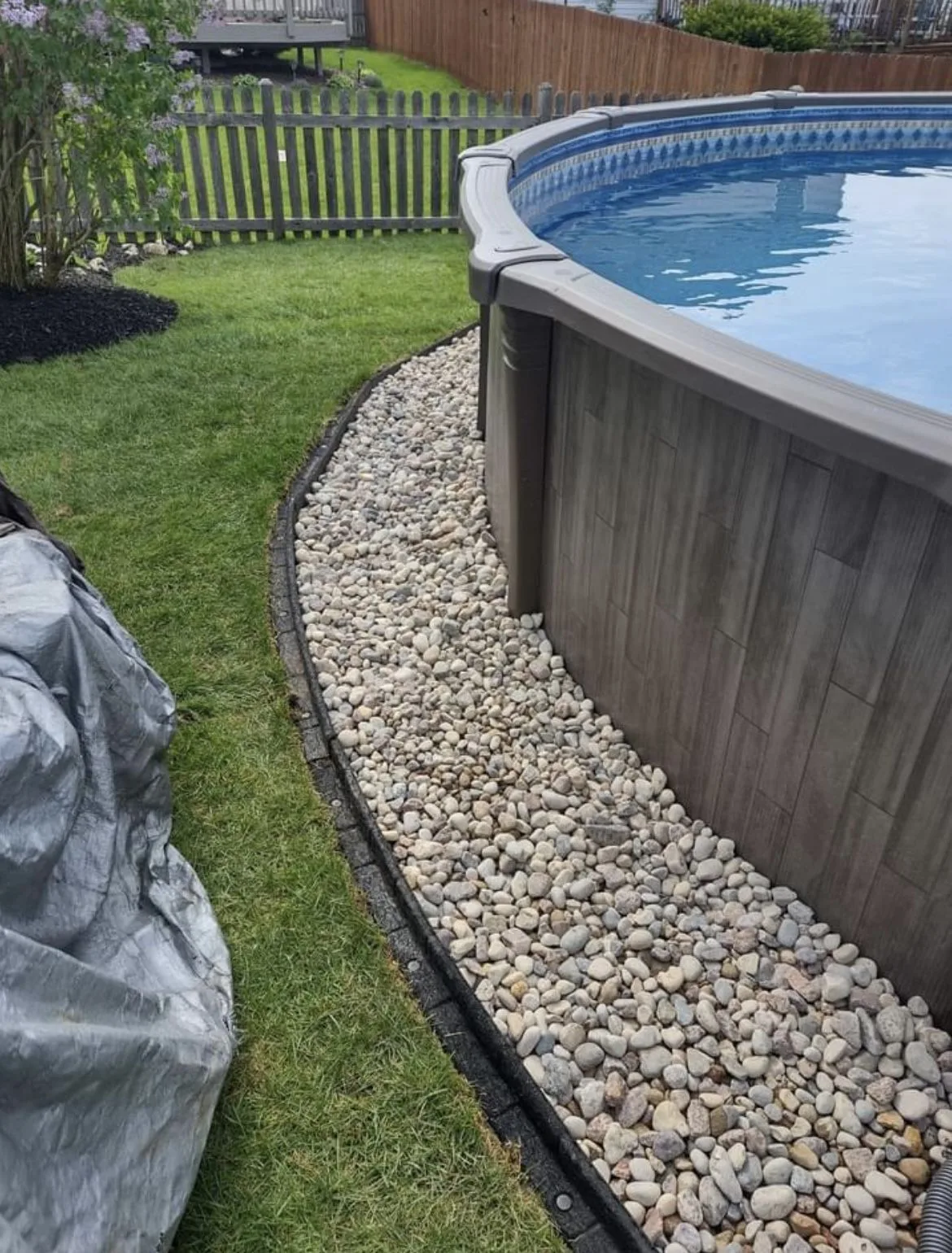
Image source: Bing (Web (fair-use with source credit))
Assessing Your Gravel Situation: What Kind Are We Talking About?
Not all gravel is created equal, especially when it comes to supporting something as heavy as an above-ground pool. The key is understanding the composition and stability of what you have.
- Compacted Crushed Stone: This is often your best bet if you're working with a gravel base. It's made from crushed rock that's typically angular and interlocking. When compacted, it forms a dense, stable, and relatively smooth surface. Sizes can range, but a 3/4-inch minus aggregate (meaning it's crushed to pass through a 3/4-inch screen, with fines included) is common for sub-bases.
- Pea Gravel: These are small, rounded stones. Because they're smooth and round, they don't interlock well and can shift easily under pressure, making them a poor choice for a pool base on their own.
- Decorative Gravel/Landscaping Rock: This often consists of larger, irregularly shaped rocks. These sharp edges can be a direct threat to your pool liner, and the larger gaps mean less stability.
- Loose vs. Compacted: Even if you have crushed stone, if it's loose and hasn't been compacted, it will settle over time under the weight of the pool.
How to Check Your Gravel
Before you even think about setting up a pool, get down on your hands and knees.
- Stability Test: Try to walk on the gravel. Does it feel firm and unyielding, or do your feet sink in? Can you easily scoop up handfuls that don't clump together?
- Sharpness Test: Carefully feel the stones. Are there any sharp edges that could potentially snag a pool liner?
- Level Check: Use a long level or a string level to check the flatness of the entire area. Even small dips or mounds are a problem.
Image source: Web (Bing) / auctions.yahoo.co.jp (Web image (fair-use with source credit))
The Risks: What Happens When Gravel Goes Wrong
Using an unprepared gravel base for your above-ground pool isn't just a minor inconvenience; it can lead to significant problems and costly repairs. The primary issue is structural integrity.
- Uneven Ground Pressure: When a pool isn't on a perfectly level surface, water pressure becomes a major concern. The weight of the water will push outwards against the pool walls. On an uneven base, one side will bear more weight than others. This can cause the pool walls to bow, buckle, or even collapse. The National Park Service's technical guide for pool construction emphasizes uniform support to prevent shear forces on the pool structure.
- Liner Punctures: Sharp edges of gravel or larger stones can directly contact the pool liner. Over time, the constant pressure and friction can wear through the liner material, leading to leaks. Manufacturer warranties often exclude damage caused by improper base preparation.
- Ground Settlement and Shifting: Gravel, especially if it's loose or not well-compacted, can settle over time. Rainwater can also wash away finer materials, creating voids. This ground movement means your pool's stable foundation can literally disappear, leading to a tilted or unstable pool.
- Drainage Problems: Gravel can sometimes impede proper drainage around the pool base. If water collects, it can contribute to rust on metal components, weaken the ground beneath the pool, and create a muddy, unpleasant area.
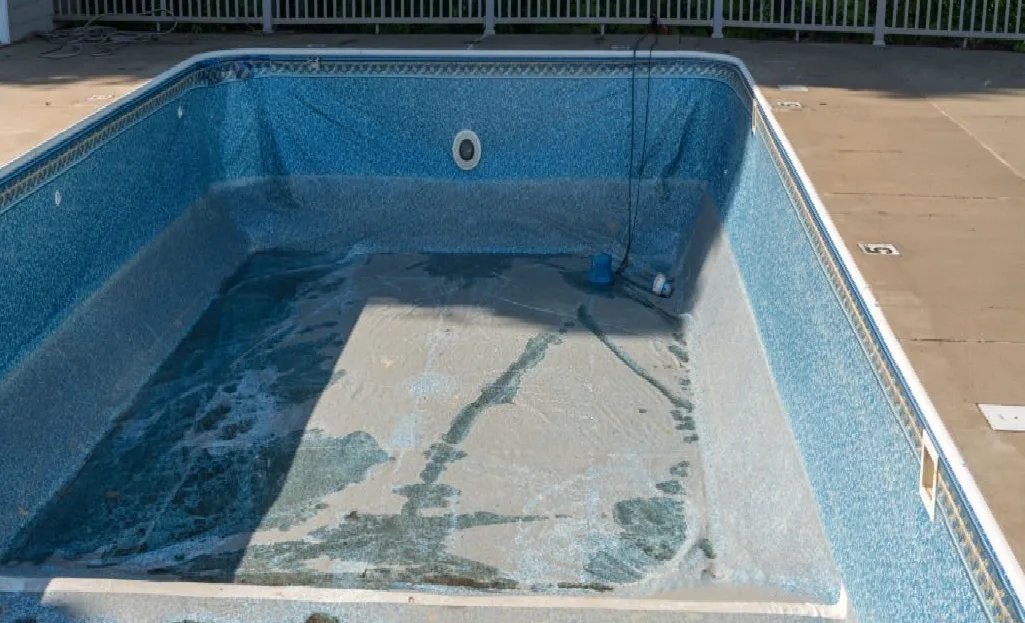
Image source: Bing (Web (fair-use with source credit))
Preparing a Gravel Base: The Right Way to Do It
If you've assessed your gravel and determined it's a suitable type (like compacted crushed stone), or if you plan to create a gravel base, meticulous preparation is key. This isn't a quick job; it's about building a solid foundation.
Step 1: Clear the Area
Remove all grass, weeds, roots, and organic matter from the entire footprint of your pool, plus an extra 2-3 feet around the perimeter. This prevents plant growth from destabilizing your base later.
Step 2: Excavate and Level
Dig down a few inches to remove the topsoil. Then, use a long, straight board and a level to ensure the entire area is as flat as possible. You might need to add or remove soil to achieve this.
For larger installations, using a transit level or laser level is advisable.
Step 3: Compact the Ground
This is critical. You need to pack down the soil firmly. Renting a plate compactor is highly recommended for this step.
Go over the entire area multiple times to create a dense, stable sub-surface.
Step 4: Add the Gravel Sub-Base
Now, spread a layer of your chosen compacted crushed stone (e.g., 3/4-inch minus aggregate) over the leveled and compacted ground. A thickness of 3-4 inches is often recommended. Spread it evenly and then compact it thoroughly with the plate compactor.
This layer provides excellent drainage and stability.
Step 5: Add a Sand Layer (Optional but Recommended)
Many pool installers recommend a final layer of fine play sand (not builder's sand, which can have sharp particles) spread over the compacted gravel. This sand layer, about 1-2 inches thick, provides a smooth, protective cushion for the pool liner. Rake it smooth and level, then lightly compact it.
Step 6: Place the Ground Cloth
Always use the manufacturer-provided ground cloth or a heavy-duty tarp as the final layer directly under the pool liner. This adds an extra layer of protection against punctures from any remaining small imperfections in the base.
Alternatives to Gravel for a Stable Pool Foundation
While a properly prepared gravel base can work, it's important to know that it's not the only, or even the most commonly recommended, foundation for an above-ground pool. Many pool owners opt for alternatives that offer guaranteed stability and flatness with less potential for long-term issues.
- Concrete Pad: This is considered the gold standard for pool bases. A concrete pad is incredibly stable, perfectly level (when poured correctly), and impervious to ground shifting. It's also extremely durable and can last for decades. However, it's also the most expensive and labor-intensive option, often requiring professional installation.
- Compacted Sand Base: A thick, well-compacted layer of fine play sand can create a smooth and relatively stable surface. It's more forgiving than concrete and easier to work with. However, sand can still shift or wash away if not properly contained and compacted, and it doesn't offer the same level of drainage as a crushed stone base.
- Pavers or Patio Stones: Laid on a meticulously prepared and compacted sub-base (often crushed stone), pavers can create an attractive and stable foundation. However, ensuring the pavers themselves remain perfectly level and don't shift is crucial. Gaps between pavers need to be filled to prevent liner contact.
Who is Each Base Best For?
- Concrete Pad: Ideal for those who want a permanent, worry-free, and highest-durability installation and have the budget for it.
- Properly Prepared Crushed Stone Base: A good balance for DIYers looking for stability and drainage without the extreme cost of concrete. It requires significant effort to get right.
- Sand Base: A budget-friendly option for smaller, lighter pools where extensive site prep might be overkill, but it carries higher risks if not perfectly installed.
- Pavers: Best for aesthetic appeal and custom designs, but requires a very skilled installer to ensure long-term levelness.

