

You're probably dreaming of cooling off in an above-ground pool this summer, and you're wondering if you can just set it up directly on your lawn. It's a common question that pops up when you're looking for the easiest setup. While technically possible in some limited scenarios, placing an above-ground pool directly on grass without proper preparation is a risky move that can lead to serious problems down the line.
Our research and manufacturer specifications generally indicate that a prepared, level surface is crucial for any above-ground pool. The U.S. Consumer Product Safety Commission (CPSC) also provides guidelines emphasizing safe installation practices, which inherently include ensuring a stable foundation.
We'll break down why grass often falls short and what you really need to do to set your pool up for success.
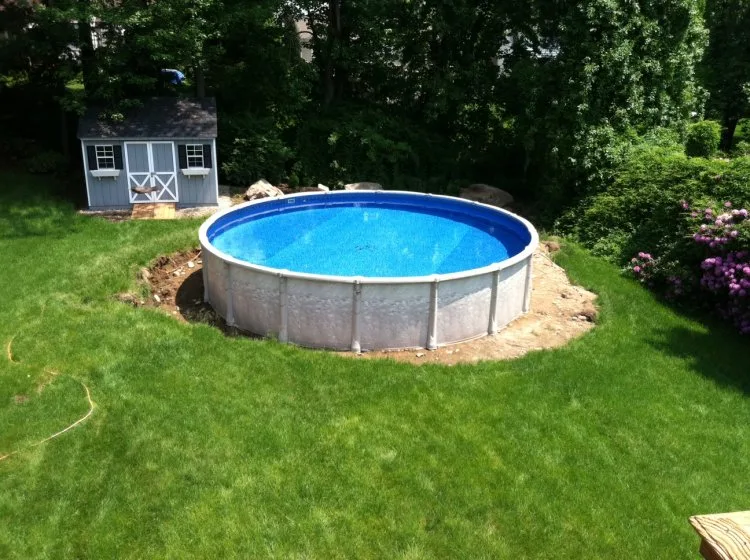
Image source: Bing (Web (fair-use with source credit))
Quick Answer: It's Not That Simple
No, you generally shouldn't put an above-ground pool directly on grass. While it might seem like a quick shortcut, grass is not a stable, level base. Manufacturer specifications and safety guidelines strongly advise against it due to risks of uneven water distribution, structural stress, and potential leaks or collapse.
Proper ground preparation is essential for safety and pool longevity.
Why Grass Isn't Ideal for Your Pool's Foundation
When you look at a grassy backyard, it might seem like a perfectly good spot for a pool. It's soft, it's green, and it's already there! However, that natural turf presents several significant challenges that can undermine your pool's integrity and your swimming enjoyment.
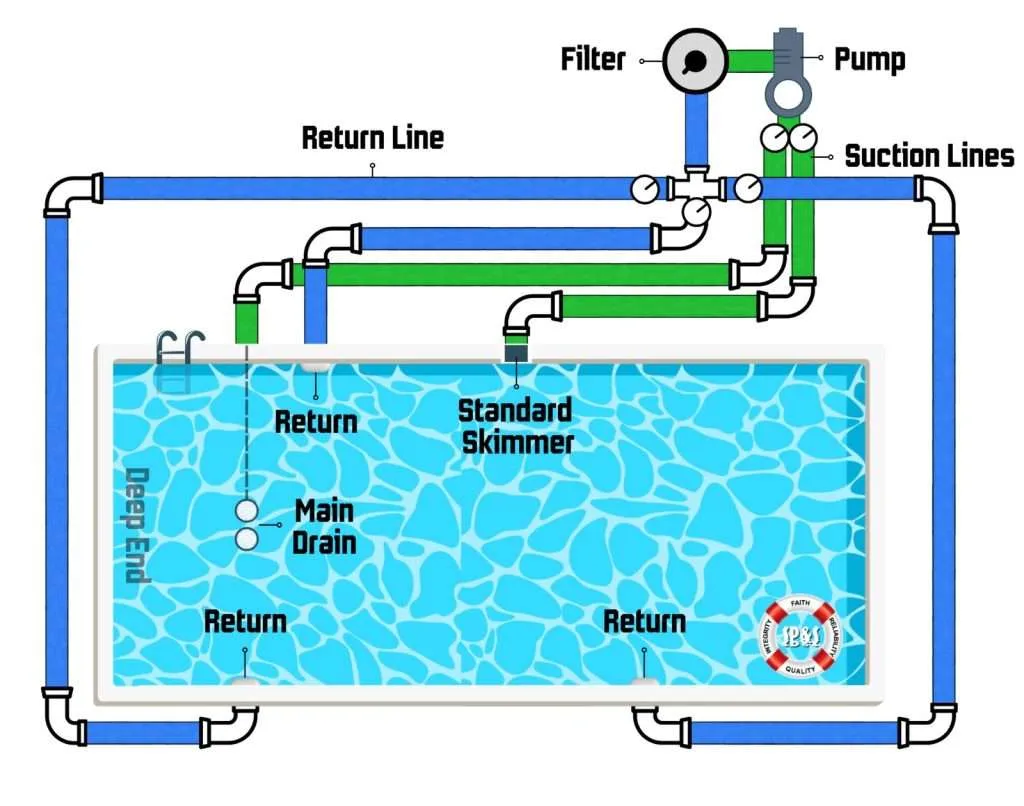
Image source: Bing (Web (fair-use with source credit))
The Ground Level Problem
For an above-ground pool to function correctly and safely, its base needs to be perfectly level. Even a slight incline can cause the water pressure to push more forcefully against one side of the pool wall than the other. This uneven stress can lead to a variety of issues, from a visually unappealing tilt to severe structural damage over time.
Imagine trying to balance a full glass of water on a tilted table, eventually, it’s going to spill. A pool is no different; it needs a perfectly flat foundation to distribute its immense weight evenly.
Drainage and Moisture Issues
Grass is a living thing that requires water. When you place a pool on top of it, you immediately create a situation where drainage becomes a major concern. After a rainstorm, or even just from regular watering of the lawn, water can become trapped underneath the pool liner.
This trapped moisture can lead to several problems. It can soften the ground beneath, reducing its load-bearing capacity and creating an unstable base. For pools with metal frames or components, constant moisture can also accelerate rust and corrosion, shortening the lifespan of your pool.
What Happens to the Grass?
Placing a heavy, sun-blocking object like an above-ground pool directly on grass means the grass underneath isn't going to survive for long. It'll be starved of sunlight and may not get adequate air circulation. Our research indicates that grass in this situation typically dies off within a few weeks.
This dead grass can then decompose, creating a soft, spongy layer beneath your pool that further compromises its stability. While some might try to let the grass grow back after the pool is removed, the damage to the ground's structure can persist.
When is Putting a Pool on Grass a Risky Idea? (The Decision Factors)
So, is it never okay? Let's be real. For a small, temporary kiddie pool that you drain and move every other week, the stakes are pretty low.
But for any substantial above-ground pool, the kind that holds thousands of gallons of water and is meant to be a summer fixture, putting it directly on grass is a gamble you're likely to lose.
Assessing Your Yard's Flatness
This is the absolute first thing you need to check. Grab a long level (a 6-foot level is ideal, or even a string level with a line stretched across the area). Place it on the ground where the pool will sit.
Check it in multiple directions, north-south, east-west, and diagonally. Manufacturer specifications, such as those from Intex or Bestway, often state that the installation surface must be level within an inch or two over the entire diameter of the pool. If your level shows any significant tilt, grass alone won't fix it.
Evaluating Your Drainage Situation
Think about your yard after a heavy rain. Does water pool up, or does it drain away quickly? If your lawn tends to hold water, especially in the area you plan to install the pool, you're setting yourself up for trouble.
A pool acts like a bathtub; if the ground around it is saturated, that water will stay there, constantly seeping under the pool walls. This is a critical factor for pool safety and longevity, as per guidelines from organizations like the Pool & Hot Tub Alliance.
Pool Size and Weight Considerations
The bigger the pool, the more water it holds, and the exponentially greater the weight becomes. A 10-foot round pool might hold around 5,000 gallons of water, weighing over 40,000 pounds! A 24-foot round pool can hold upwards of 15,000 gallons, equating to over 125,000 pounds.
When you're dealing with that kind of force, any instability in the ground is magnified. A small, temporary pool might tolerate a slightly uneven grassy surface, but a large, permanent or semi-permanent above-ground pool absolutely requires a rock-solid, level foundation.
Pool Longevity Goals
How long do you expect your above-ground pool to last? If you're looking for a structure that will provide summer fun for multiple seasons, investing in proper ground preparation is non-negotiable. Placing a pool on grass without a stable, leveled base significantly increases the risk of premature failure.
This could mean costly repairs for liner tears, frame damage, or even the entire pool collapsing. Most manufacturers' warranties will also be voided if the pool is not installed on a level and prepared surface.
The Smart Way to Install: Preparing Your Pool Site
So, we've established that just dumping an above-ground pool onto the lawn is generally a bad idea. But what's the right way to do it? It all comes down to preparing a solid, level base that can handle the immense weight and water pressure of your pool.
This isn't just about making things look good; it's about the safety and longevity of your pool.
Clearing the Area: Removing Grass and Debris
Before you even think about leveling, you need to clear the entire footprint where your pool will sit, plus a bit of extra space around the edges. We're talking about removing every last bit of grass, roots, rocks, and any other debris. Think of it as giving your pool a clean slate to rest on.
- Dig Out Sod: Use a flat spade or a sod cutter to remove the turf. You want to get down to the bare soil.
- Remove Roots: Make sure to pull out any stubborn roots that could sprout through or cause an uneven surface later.
- Clear Debris: Look for any sharp stones, sticks, or anything else that could potentially damage your pool liner from below.
This initial clearing step is crucial. The less organic material and the fewer sharp objects you have in contact with your pool's base, the better.
Leveling the Ground: Accuracy is Key
This is arguably the most critical step in the entire process. As we've discussed, an unlevel pool is a recipe for disaster. You need the ground to be as flat as a pancake.
- Use a Long Level: A 6-foot or 8-foot level is best for this. Place it on the ground in the intended pool area and check in every direction.
- Remove High Spots: If you find a high spot, carefully dig down to bring it level with the surrounding area.
- Fill Low Spots (Carefully): If you have low spots, you can fill them. However, it's much better to dig down high spots than to just pile soil into low ones. If you must fill, use a compactible material like sand or fine gravel and tamp it down firmly. Simply piling loose soil won't create a stable base.
- Check, Check, and Double-Check: Don't rush this. Measure and re-measure until you are absolutely certain the entire area is perfectly level, ideally within 1 inch of tolerance across the pool's diameter.
Creating a Stable Base: Best Options Explained
Once your ground is cleared and perfectly leveled, it's time to put down a base material. This base provides stability, prevents the ground from shifting, and helps with drainage.
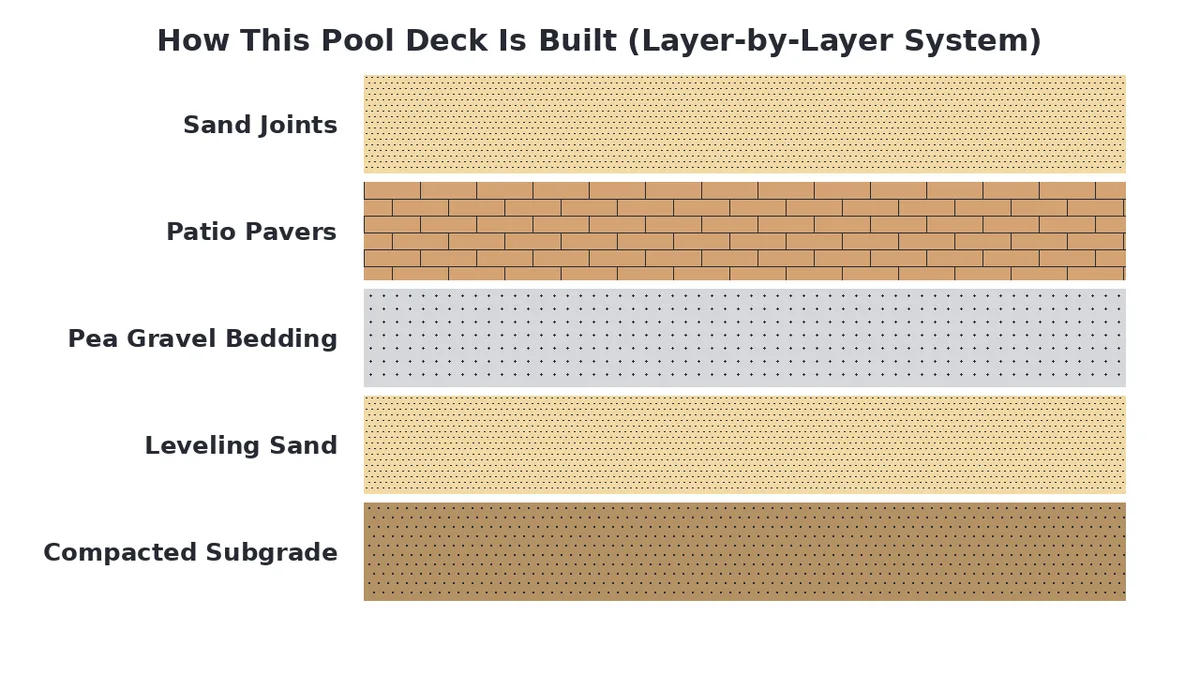
Image source: Bing (Web (fair-use with source credit))
Compacted Gravel or Crushed Stone
This is a highly recommended and very effective option for most above-ground pools. It's durable, provides excellent drainage, and creates a firm, stable surface.
- Depth: You'll typically want a layer of 3-6 inches of crushed stone or gravel. The exact depth can depend on your soil type and the size of the pool.
- Compaction: This is key. After spreading the gravel, you'll need to compact it thoroughly. A hand tamper or a plate compactor can be rented for this job. Compacting ensures the material won't settle later.
Pavers or Concrete Blocks
Another solid option is using pavers or concrete blocks laid on a leveled and compacted base of sand or gravel. This creates a very sturdy and attractive foundation.
- Foundation: You still need to prepare a leveled bed of sand or fine gravel for the pavers to sit on.
- Layout: Lay the pavers or blocks tightly together, ensuring they are all at the same height.
- Stability: This method offers excellent long-term stability, but it can be more labor-intensive and costly than a gravel base.
Concrete Pad
For ultimate stability and longevity, a concrete pad is the gold standard. It's the most durable and level surface you can create.
- Professional Installation: Pouring a concrete pad usually requires professional help or significant DIY expertise.
- Cost: This is the most expensive option, but it offers the best long-term performance.
- Curing Time: You'll need to wait for the concrete to cure properly (often several days to a week, depending on weather) before you can install the pool. As of 2026, manufacturer recommendations still strongly favor concrete for larger, permanent installations.
Protecting Your Liner: The Ground Cloth
Regardless of the base you choose, you must place a heavy-duty ground cloth or tarp directly under your pool liner. This protective layer serves several vital purposes. It acts as a barrier to prevent sharp objects, roots, or debris from puncturing the liner from below.
It also helps to distribute the weight of the pool and its water more evenly across the prepared base. Many manufacturers include a basic ground cloth, but investing in a thicker, more durable one is highly recommended for added protection.
Key Mistakes to Sidestep When Installing on Grass
Even with the best intentions, a few common mistakes can derail your above-ground pool installation, often rooted in a desire for speed or cost savings. Understanding these common errors can help you steer clear of them.
- The "It's Flat Enough" Fallacy: This is a classic mistake. Homeowners might eyeball the site and deem it sufficiently level. However, a difference of just one or two inches over a 20-foot diameter can be enough to cause structural stress. Always use a long level and verify the flatness.
- Compaction Confusion: Simply spreading gravel or sand without compacting it is a recipe for disaster. The material will settle unevenly once the pool's weight is applied, causing the pool to tilt. Proper compaction is as crucial as the leveling itself.
- Ignoring Water Flow: Not considering how rainwater will drain away from the pool site is a frequent oversight. If water pools around the base, it weakens the ground and can lead to rust or rot on metal or wooden components. This is especially true if the pool is on a natural slope.
- The Cut Corner on the Ground Cloth: Using a thin, ill-fitting ground cloth, or skipping it entirely, leaves your liner vulnerable to punctures from small stones or roots. A good ground cloth is a cheap insurance policy against liner damage.
Expert Tips for a Solid Pool Installation
To ensure your above-ground pool setup is robust and lasts for seasons to come, consider these extra tips from experienced installers. They often make the difference between a good installation and a great one.
- Edge Protection: For gravel or paver bases, consider installing an edging material (like landscape edging or treated lumber) around the perimeter of the prepared area. This helps contain the base material and keeps it from spreading outwards over time.
- Sand vs. Gravel: While some still use sand as a base, compacted gravel or crushed stone is generally preferred. Gravel offers superior drainage and is less prone to shifting or becoming a soft, muddy mess if it gets wet compared to sand.
- Tool Rental: For larger pools, investing in a day's rental of a plate compactor can significantly improve the compaction of your base material. The effort saved and the better result are usually well worth the rental fee.
- Weather Watching: Try to plan your preparation and installation on dry days. Working with wet soil or trying to compact wet gravel is far less effective and more difficult. Allow compacted materials to dry thoroughly if possible before proceeding.
What Base Material is Best? (Pros and Cons)
Choosing the right base material for your above-ground pool is a key decision. Each option has its advantages and disadvantages, affecting cost, labor, and long-term stability. Understanding these can help you pick the best fit for your budget and your backyard.
| Base Material | Pros | Cons | Best For |
|---|---|---|---|
| Compacted Gravel | Excellent drainage, very stable, relatively affordable, durable. | Requires physical labor for spreading and compacting, can be dusty. | Most above-ground pools; offers a great balance of cost, durability, and performance. |
| Pavers/Concrete Blocks | Very stable, attractive, good drainage if installed properly. | Higher cost, more labor-intensive installation, requires a leveled sub-base. | Those seeking a more permanent, aesthetically pleasing solution. |
| Concrete Pad | Ultimate stability and levelness, most durable, very long-lasting. | Most expensive, requires professional installation or significant DIY skill. | Large, permanent pools; provides the most secure foundation. |
| Sand (on its own) | Can be leveled easily. | Poor drainage, can become unstable and muddy, may shift over time. | Generally not recommended as a primary base material for significant pools. |
As of 2026, the consensus among pool installers and manufacturers remains that compacted gravel or a concrete pad are the top choices for optimal pool support.
Your Verdict: The Best Path for Your Above Ground Pool
Ultimately, the question isn't if you can put an above-ground pool on grass, but rather if you should. Based on manufacturer recommendations, safety guidelines, and practical experience, the answer for any substantial pool is a resounding no, unless you're prepared to do significant ground preparation.
Skipping the steps of clearing, leveling, and creating a stable base on grass is a gamble that often leads to costly repairs, reduced pool lifespan, or even immediate failure. Investing time and effort into preparing your site with a compacted gravel base, pavers, or a concrete pad will not only ensure your pool is safe and stable but will also provide years of reliable enjoyment. Treat your pool installation like the serious construction project it is, and you'll be rewarded with a summer oasis that lasts.

