

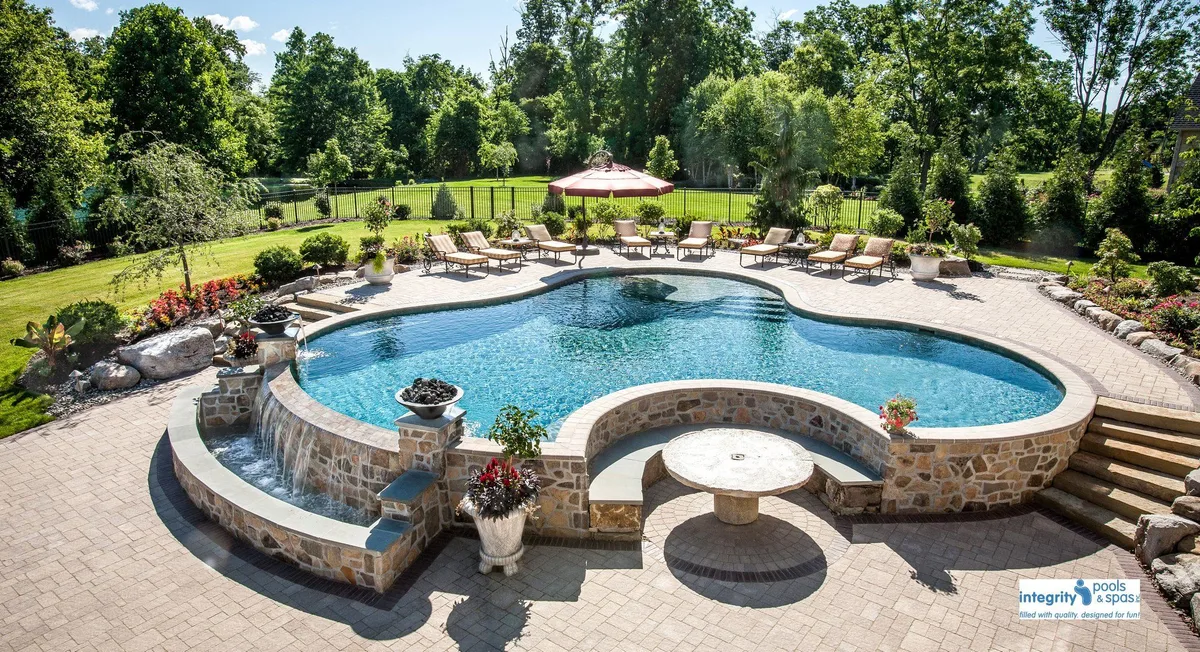
Image source: Bing (Web (fair-use with source credit))
So, you're wondering if you can put an above-ground pool right on your concrete patio or driveway. It's a super common question, and honestly, the answer isn't a straightforward "yes" or "no." It's more of a "it depends," and that "depends" has some really important bits you'll want to know before you start filling it up.
Think of it like this: concrete is usually a pretty solid foundation, but just like anything, it's not always perfect. We've got to make sure it's up for the job and that we do a bit of prep work to keep everyone safe and the pool in good shape for years to come. Manufacturer specifications for pool bases often indicate a need for a level and stable surface, with some recommending a concrete pad for optimal support as per guidelines from organizations like the Association of Pool & Spa Professionals.
Quick Answer
Yes, you can often put an above-ground pool on concrete. It needs to be level and in good condition. Cracked or sloped concrete requires repair first.
Proper preparation prevents damage.
Is Your Concrete Ready for a Pool? A Quick Check
Before you even think about ordering that pool, you've got to do a thorough check on your existing concrete. This isn't just about appearances; it's about making sure your investment is safe and won't cause headaches down the road. Most pool manufacturers stress the importance of a level foundation, and concrete can be a great base if it meets certain criteria.
What to Look For in Concrete for Pool Placement
Condition: Cracks, Crumbling, and Settling
The first big thing to check is the overall condition of your concrete. Is it smooth and solid, or are there signs of wear and tear?
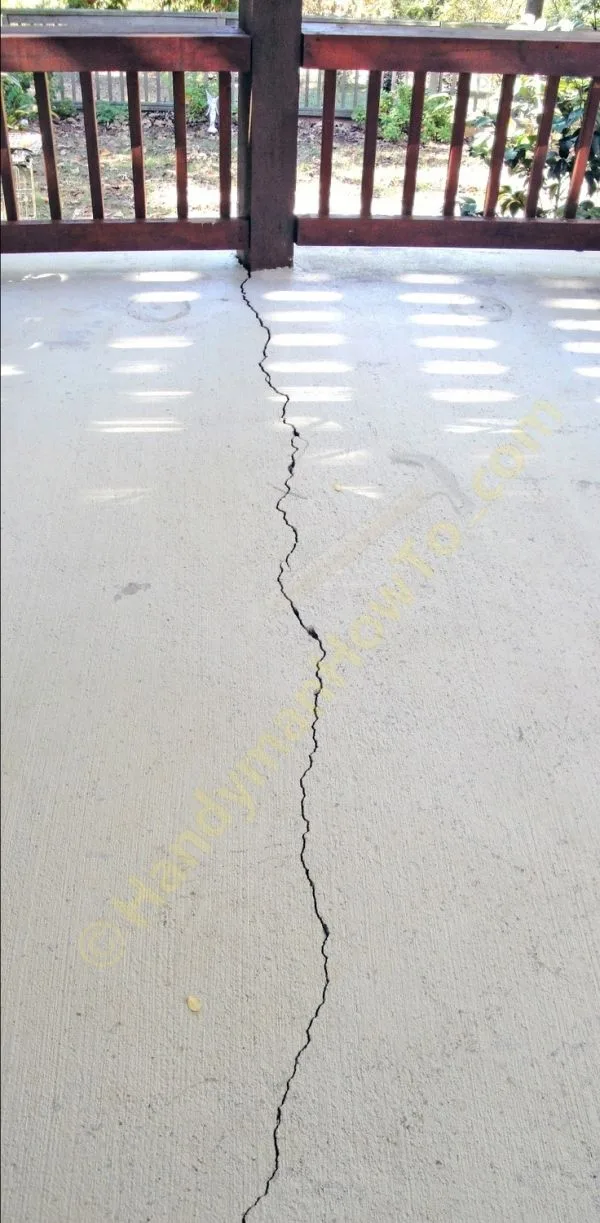
- Cracks: Hairline cracks might be fixable with a good concrete filler, but larger, deeper cracks are a problem. They can compromise the concrete's integrity and lead to uneven settling under the pool's immense weight.
- Crumbling: If edges are breaking off or the surface looks like it's flaking away (spalling), the concrete is likely too degraded. This means it can't provide a stable, uniform base.
- Settling: Look for any areas where the concrete has sunk or shifted over time. Even a slight dip can put uneven stress on the pool's frame and liner.
If you see significant cracks or crumbling, it's a strong signal that the concrete isn't suitable as-is. You'll need to address these issues before proceeding.
Slope: The Critical Level Factor
Pools need a perfectly level surface. If your concrete slopes even slightly, water will pool on one side and create uneven pressure. This can warp the pool walls, damage the liner, and even cause the structure to fail.
- How to Check: Use a long (6-foot or longer) spirit level. Place it across the concrete in several directions. Any bubble that isn't perfectly centered means there's a slope.
- Acceptable Slope: For most above-ground pools, any detectable slope is unacceptable. Even a 1/4-inch difference over 10 feet can be problematic for sensitive pool structures.
Age: New vs. Established Concrete
The age of your concrete matters, especially if it's recently poured.
- New Concrete: If your concrete is brand new, you absolutely must wait for it to cure fully. This process can take anywhere from 28 days to several months, depending on the concrete mix and environmental conditions. Rushing this can lead to cracks and settling as the concrete continues to gain strength. For example, standard concrete mixes need substantial time to reach their designed compressive strength, typically specified by standards like ASTM C33.
- Established Concrete: Older, well-established concrete is generally more stable. However, age can also mean wear and tear, bringing us back to checking its condition and slope.
Essential Prep Work: Getting the Concrete Ready
If your concrete passes the initial inspection, meaning it’s structurally sound, reasonably level, and not brand new, then you're ready for the crucial preparation steps. This is where you ensure the concrete provides a safe, stable, and non-damaging base for your pool. Skipping or rushing these steps is one of the most common mistakes people make.
Step 1: Thorough Cleaning
Before anything else, the concrete needs to be spotless. Any debris, dirt, oil, or loose particles can create an uneven surface or damage the pool's liner over time.
- Sweep and Scrub: Start with a thorough sweeping to remove loose leaves and dirt. Then, use a stiff broom or a deck brush to scrub the surface.
- Degrease (If Necessary): If you have oil stains, especially from cars in a garage or driveway, you'll need a concrete degreaser. Follow the product instructions carefully.
- Rinse Well: After scrubbing and degreasing, rinse the entire area thoroughly with a hose or pressure washer. Ensure no cleaning residue remains, as this can also affect the liner. Let it dry completely.
Step 2: Leveling the Surface (and How to Do It)
This is arguably the most critical step. As mentioned, even a slight slope can cause significant problems.
- Using a Long Level: Once clean and dry, lay your long spirit level across the entire area where the pool will sit. Mark any high spots or low spots.
- Addressing Low Spots: For minor dips (less than 1/4 inch), a specialized self-leveling concrete compound is your best bet. These products spread out to fill the low areas and create a smooth, level finish. Follow the manufacturer’s instructions precisely for mixing and application. Allow it to cure fully as directed, which can take 24-72 hours depending on the product and humidity.
- Addressing High Spots: For high spots, you might need to grind them down using a concrete grinder. This requires specialized equipment and can be dusty work. For more significant high spots or unevenness, it might indicate a larger issue with the slab, potentially requiring professional assessment.
Step 3: Protecting the Pool Liner
Even the smoothest concrete can have microscopic sharp particles or offer little cushioning for the pool liner. A protective layer is essential to prevent punctures and extend the life of your pool.
- Ground Cloths/Tarps: Most pool manufacturers sell, or recommend, a heavy-duty ground cloth or a specialized pool pad to go directly underneath the pool liner. These are made of durable materials designed to withstand abrasion and protect the liner.
- Placement: Lay the ground cloth flat and smooth, ensuring there are no wrinkles or folds. This layer should be perfectly flat to avoid creating high spots under the liner.
- Consider Foam Tiles: For a more cushioned base, some installers opt for interlocking foam tiles made for play areas or gyms. These provide extra padding, but ensure they are securely fitted and don't create any unevenness. They should also be rated for outdoor use if exposed to weather.
When Concrete Might Not Be the Best Option
While concrete is often a good choice, there are definite times when it's best to look for alternatives. If your concrete is in rough shape, it might be more trouble and expense to fix than it's worth.
- Extensive Cracking or Settling: If your concrete has significant structural issues, like large fissures that go deep, or noticeable, uneven settling, repairing it to a perfectly level and stable state can be costly and complex. In such cases, building a new, purpose-built concrete slab or a sturdy wooden deck might be more practical and reliable.
- Very Old, Weathered Concrete: Concrete that has been exposed to the elements for decades can become brittle and more prone to damage. If it looks chalky or is actively deteriorating, it might not support the sustained weight of a filled pool.
- Significant Slopes: If the concrete slab has a considerable natural slope for drainage, trying to level it can involve pouring thick layers of self-leveling compound or extensive grinding. This can become a substantial project, and it might be simpler to opt for a different base material or location.
- Pavers or Uneven Stone: If your "concrete" is actually a patio made of pavers or irregular flagstones, it's almost certainly not suitable without significant work. These materials are designed to shift slightly and are rarely perfectly level.
Mistakes to Avoid When Placing a Pool on Concrete
We've talked a lot about what to do, but let's quickly cover what not to do. Avoiding these common errors will save you a lot of hassle and potential damage.
- Skipping the Level Check: This is the number one mistake. Thinking "it looks flat enough" is a recipe for disaster. Pools are heavy and unforgiving when it comes to uneven surfaces.
- Not Cleaning Properly: Leaving behind even small pebbles or gritty sand can create pressure points on the liner, leading to leaks or tears. Always do a thorough clean.
- Rushing New Concrete Curing: If you've recently had concrete poured, wait the full recommended curing time. Manufacturer guidelines, like those from the American Concrete Institute (ACI), emphasize proper curing for optimal strength. Rushing it can cause premature failure.
- Ignoring Pool Manufacturer Instructions: Every pool has specific base requirements. Always read and follow your pool's manual. They know their product best.
- Not Using a Ground Cloth/Pad: Even on smooth concrete, a protective layer is crucial. It adds a buffer against abrasion and minor imperfections you might have missed.
Frequently Asked Questions About Concrete Pool Bases
How long does concrete need to cure before putting a pool on it?
Concrete needs to cure for at least 28 days, but ideally longer, up to 60 days, before it can reliably support the immense weight of an above-ground pool. This allows the concrete to reach its full designed strength.
Can I put an above ground pool on a concrete driveway?
Yes, a concrete driveway can be a suitable base for an above-ground pool, provided it's level, free of cracks, and in good structural condition. Proper cleaning and a protective ground cloth are still essential.
What if my concrete has some cracks?
Small, hairline cracks can often be repaired with a good quality concrete crack filler. However, larger, deeper, or widespread cracks suggest the concrete may not be stable enough for a pool and might need professional assessment or repair.
Does the concrete need to be perfectly level?
Yes, the concrete surface must be perfectly level. Even a slight slope can cause uneven pressure distribution on the pool's structure, leading to leaks and potential damage. Use a long spirit level to confirm.
What kind of ground cloth should I use on concrete?
A heavy-duty, manufacturer-recommended ground cloth or pool pad is best. These are designed to protect the liner from abrasion and minor imperfections in the concrete surface. Avoid thin tarps that can tear easily.
The Importance of Base Preparation
Your pool's base is everything. It's the unsung hero that keeps your pool stable, level, and safe. For above-ground pools, this foundation is even more critical because the water pressure is immense, and the structure relies on a uniform support system.
- Structural Integrity: A poor base means uneven stress on the pool frame and liner. This can lead to leaks, premature wear, and even structural collapse.
- Longevity: Proper setup ensures your pool lasts for many seasons. A damaged liner or frame due to a bad base means costly repairs or replacement.
- Safety: An unstable pool is a safety hazard. Ensuring a level, solid base is paramount to preventing accidents.
Step-by-Step Process: Setting Up Your Pool Base
Here’s a straightforward workflow to get your concrete surface ready for your above-ground pool, assuming you've passed the initial inspection and cleaning.
- Mark the Pool Area: Before you do any leveling, accurately mark out the exact footprint of your pool. Use stakes and string or spray paint. This ensures you're working on the precise area needed.
- Assess for Levelness (Again): With the area marked, use your long spirit level to identify any low or high spots within the footprint. Even if it looked good before, working on it can reveal subtle issues.
- Address Low Spots with Leveling Compound: For minor dips (up to about 1/4 inch), apply a self-leveling concrete compound. Mix it according to the manufacturer's instructions, typically adding water to a powder mix. Pour it into the low areas and use a trowel or squeegee to help it spread evenly. Ensure it flows smoothly and meets the surrounding concrete at a consistent height. Allow it to cure completely, check the product label, as this can take 24-72 hours.
- Address High Spots by Grinding: For minor high spots, you might be able to use a concrete grinder to carefully shave down the excess material. This requires safety gear like a mask and eye protection. For significant high spots, professional help might be needed to avoid damaging the existing slab.
- Final Level Check: Once any leveling compound has cured or high spots have been ground down, perform one final, thorough check with your spirit level across the entire pool footprint. It must be perfectly flat.
- Lay the Protective Ground Cloth: Carefully unroll and lay your recommended ground cloth or pool pad over the entire leveled area. Smooth out all wrinkles and folds. Make sure it lies flat against the concrete.
Alternatives to Concrete for Pool Placement
Not everyone has ideal concrete, so knowing your options is smart. While concrete is a strong contender, other bases can work, each with its own pros and cons.
- Compacted Gravel/Sand: This is a popular option, especially for areas where concrete isn't present. It allows for good drainage and can be leveled. However, it requires careful compaction to prevent settling and might need regular maintenance. A layer of geo-textile fabric can help keep the gravel and sand layers separate and stable.
- Wooden Deck: A properly constructed wooden deck can serve as an excellent, elevated base. It needs to be engineered to support the pool's weight and be perfectly level, often requiring significant structural support.
- Purpose-Built Concrete Slab: If your existing concrete isn't suitable, pouring a new, dedicated concrete slab specifically for your pool is the gold standard. This ensures perfect levelness and strength, but it's also the most expensive and labor-intensive option.
The best alternative often depends on your budget, the existing landscape, and how much preparation you're willing to undertake.
Who is Concrete Ideal For?
Concrete is an excellent choice for an above-ground pool base for specific homeowners. If you already have a driveway or patio that is in good shape, it significantly cuts down on the preparation time and cost compared to building a new foundation.
- Homeowners with Existing Patios/Driveways: If your concrete is structurally sound, relatively new, or has been well-maintained, it offers a ready-made, solid surface.
- DIY Enthusiasts: For those comfortable with basic prep work like cleaning and possibly minor leveling, concrete is manageable. It avoids the complexities of building a deck or extensively preparing an unpaved area.
- Those Seeking Durability: A well-maintained concrete surface provides a durable, long-lasting base that won't degrade like grass or require the ongoing maintenance of compacted gravel.
Essentially, if you've got good concrete, you've already cleared a major hurdle in pool setup.
What to Do If Your Concrete Isn't Ideal
So, what if your concrete isn't perfectly level or has some cracks? Don't despair just yet, but understand that it means more work.
- Assess the Severity: Is it a minor dip or a major sag? Are cracks hairline or are they wide enough to fit your finger into? The degree of the issue dictates the solution.
- Repair vs. Replace: For minor imperfections, repair is usually feasible. This involves using concrete patch compounds for cracks or self-leveling agents for slight dips. For severe damage, you might be looking at pouring a new, dedicated concrete pad. This is often the safest bet if the existing slab is compromised, as it ensures a perfect foundation.
- Professional Consultation: If you're unsure about the extent of the damage or the best repair method, consult a concrete contractor or a pool installation professional. They can assess the slab's integrity and recommend whether repair is viable or if a new base is necessary. This is particularly important for larger pools where structural failure could be dangerous.

