

Can wet/dry vacuums clean spills? Yes, they can, but only if you set them up correctly. The most common mistake is leaving the dry paper filter in place and wondering why the machine loses suction.
The machine is ready for this job. The filter setup is what needs attention.
A wet/dry vacuum is a sealed tank with a motor that pulls air through a hose. With the right filter setup, it handles water, mud, and slush in seconds. As of 2026, most consumer models include a float shut-off valve that stops suction when the tank is roughly 80 to 100 percent full.
That valve is why people trust these machines with liquid spills.
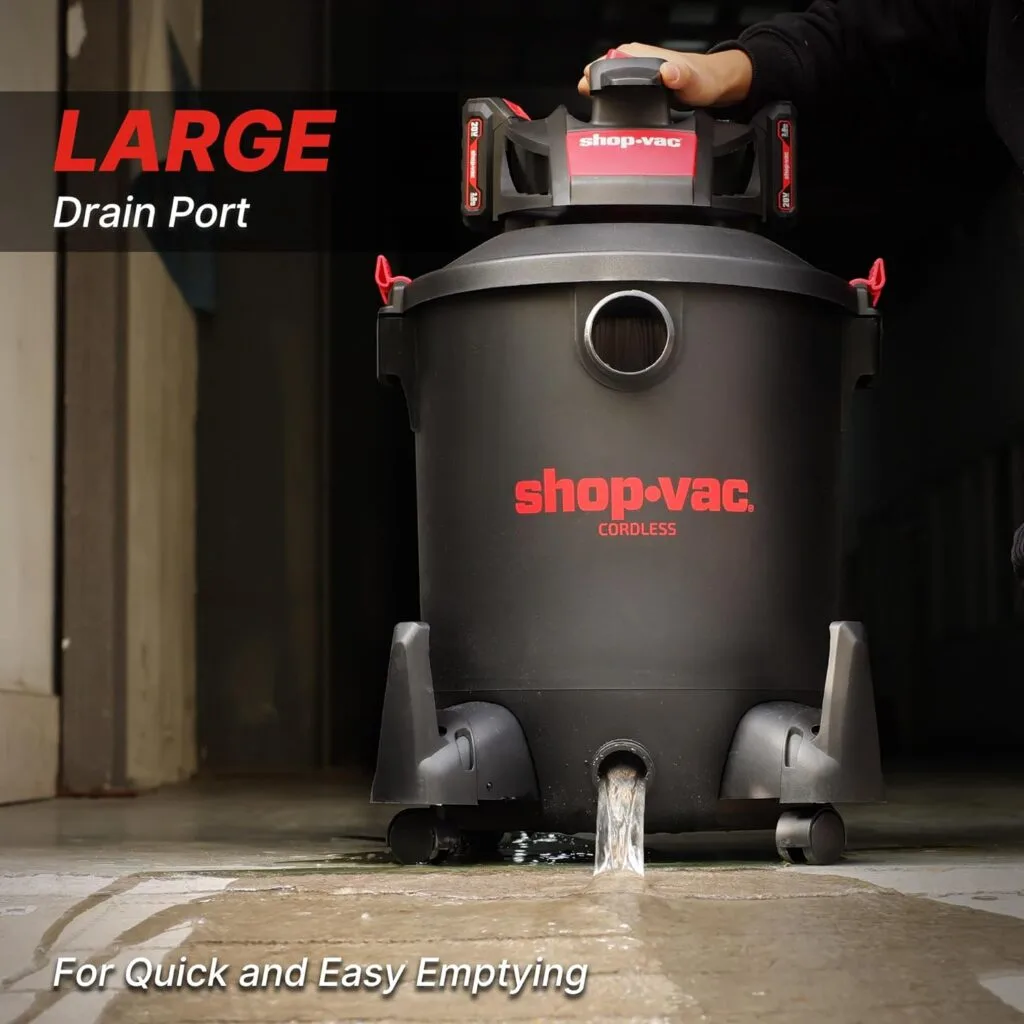
Image source: Web (Bing) / smartvacguide.com (Web image (fair-use with source credit))
Quick Answer
Yes. Wet/dry vacuums clean spills with the right filter. Swap the dry filter for a foam sleeve first.
The float shut-off stops suction before overflow. Setup takes about five minutes.
The Real Answer: Yes, But Only If You Set It Up Right
A wet/dry vacuum does exactly what the name promises. Wet or dry, everything goes into the tank. The motor stays protected the whole time.
The filter is the part people get wrong.
Manufacturer specs confirm the setup decides performance. A foam sleeve keeps airflow strong. A soaked paper filter chokes the motor within seconds.
A wet/dry vac is also called a utility vacuum. It's a sealed tank, a motor, a hose, and an impeller that moves air. Water drops into the tank as the float shut-off valve rises.
When the liquid hits that float, the motor cuts out before water reaches the electronics. Most consumer models carry this valve. That's why wet pickup is a standard feature.
| Setup | Filter type | Best for | | Dry-only | Paper bag or paper cartridge | Sawdust, dust, dry debris | | Wet-only | Foam sleeve over the filter cage | Water, mud, non-flammable spills | | Multi-purpose | Washable cartridge filter | Mixed jobs after a rinse and dry |
The logic is simple. Dry work means the paper filter stays in place. A wet job means the paper filter comes out first.
That one step prevents most problems people blame on the machine.
Before You Vacuum: What Kind of Spill Are You Dealing With?
Look hard at what you're about to suck up before pulling out the hose. The decision tree starts with the liquid itself, not the mess size. Volume matters, but only after you've ruled out the dangerous stuff.
Clean Water
Rainwater, tap water, melted ice, or a leaky water heater. All safe to vacuum. Drain and rinse the tank afterward.
Let the foam sleeve dry fully before storing.
Dirty Water
Muddy puddles, leaf slop, plant runoff, spilled soup. Doable, but the machine needs a thorough rinse afterward. Clean the foam sleeve with warm soapy water and wipe down the tank.
Otherwise, the odor follows the vac around.
Pet Accidents or Sewage
A shop vac can pick up contaminated water, but the tank, hose, and filter need a bleach-solution disinfecting afterward. Check your local rules about where you can dump that water. For raw sewage, call a professional crew instead.
Flammable Liquids
Never vacuum these. Gasoline, paint thinner, alcohol, acetone, and solvent-based cleaners create vapors that can ignite near the motor's brushes. Per OSHA's guidance, the safe move is an absorbent material like kitty litter.
Sweep it up, bag it, and dispose of it at a hazardous waste facility.
The other variable is volume. A puddle is a two-minute job. A flooded basement with an inch of water means dozens of tank empties.
For that, a submersible pump moves water twenty times faster. The wet/dry vac becomes the finishing tool. The same scaling logic applies to pools, which is why heavy debris calls for a machine built for the job.
| Spill type | Safe? | Aftercare | | Clean water | Yes | Rinse and dry the tank | | Muddy or dirty water | Yes | Disinfect the hose and filter | | Pet waste or sewage | Caution | Dedicated vac, or call a pro | | Gasoline or solvents | Never | Absorbent, then safe disposal |
Wet Vac Setup: The 5-Minute Filter Fix That Saves Your Motor
The most common reason a shop vac can't clean spills is the filter. People leave the dry paper cartridge inside, hit the switch, and watch the machine die mid-spill. The paper absorbs water, swells, and turns to pulp that plugs the motor cage.
The fix is the foam filter sleeve. It slides over the filter cage, the wire mesh assembly under the hood. The foam lets water pass through while trapping debris.
The motor stays dry without losing airflow.
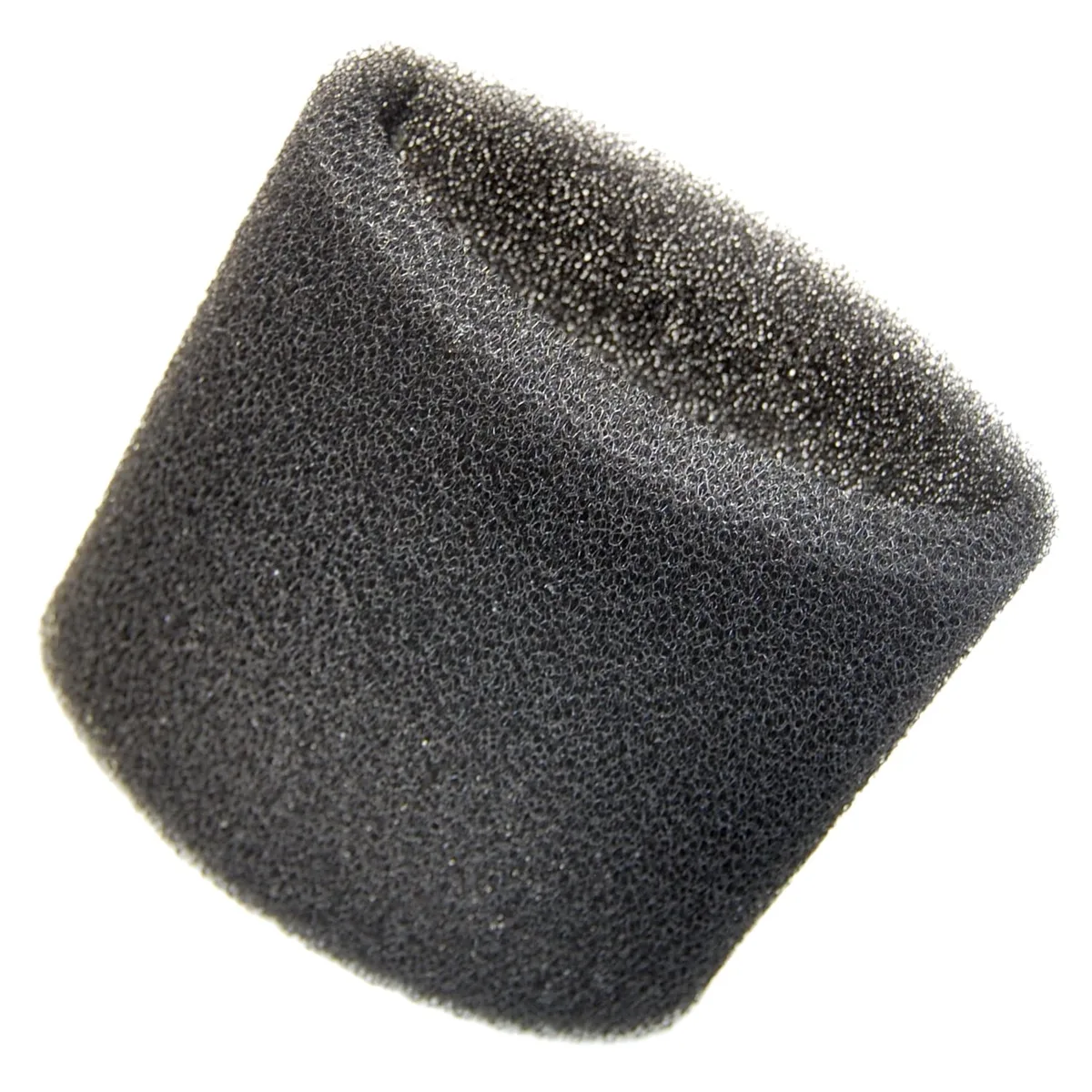
Image source: Bing (Web (fair-use with source credit))
Setup takes about five minutes. Follow this order:
- Unplug the vac and open the top housing.
- Remove the dry paper bag or cartridge filter.
- Slide the foam sleeve over the filter cage.
- Seat the rubber gasket so water can't leak toward the motor.
- Snap the float shut-off into place if it's removable.
- Close the housing and attach your wet nozzle.
Some machines ship with a washable cartridge filter instead. Check the manual. If it's rated for wet pickup, you can leave it installed.
The foam sleeve is still the safer choice for heavy liquid work.
After every wet job, rinse the foam sleeve under running water and squeeze it dry. A clogged filter kills suction. The same thing happens when a pool vacuum loses suction with a packed filter.
Routine maintenance is the difference between a machine that lasts years and one that dies in a season. The foam sleeve is cheap to replace and easy to rinse. Spend the two minutes and move on.
How to Vacuum a Wet Spill Step by Step
The vacuuming itself is the easy part. Order matters more than speed. Here's the process that works on most hard floors.
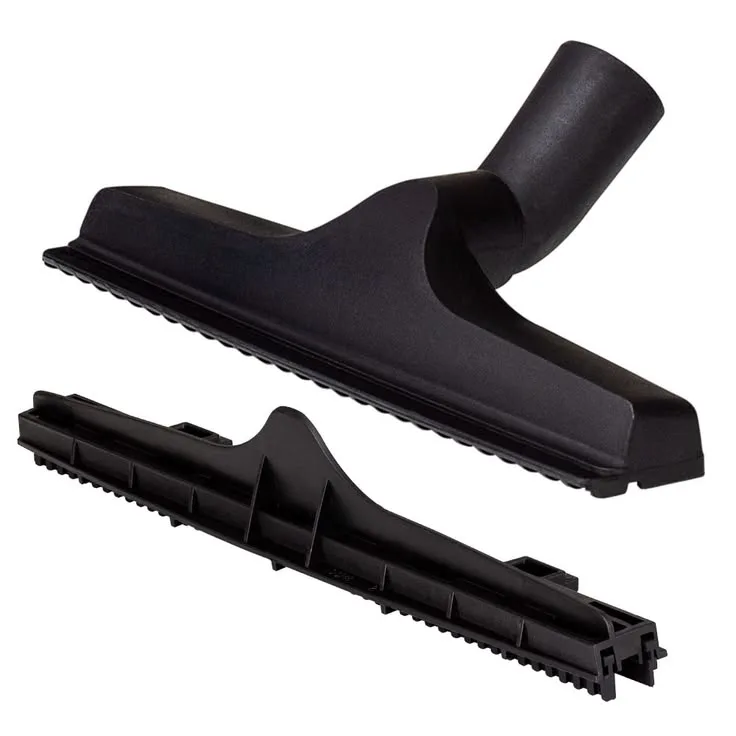
Image source: Bing (Web (fair-use with source credit))
Choose the right nozzle. The squeegee nozzle is best for flat floors because it wipes water toward the suction slot. Use the crevice tool for baseboards, corners, and car floor mats.
Work from the outside in. Start on the dry edge of the spill and pull the liquid toward the center. Keep the nozzle flat against the floor.
Move slowly with overlapping passes. One slow pass outdoes three quick passes. Overlap each sweep by a few inches so you don't leave streaks.
Watch the float. The motor note will shift upward as the tank fills, then cut out. That's the float protecting the motor. Stop, drain, and keep going. A 10-gallon tank holds about 37 liters before the float trips.
Drain safely. Open the drain port over a floor drain, sink, or bucket. No drain port? Tip the tank and pour it out after unclipping the hose.
Rinse everything after. Fill the tank with a few inches of clean water, slosh it around, and dump it. Rinse the foam sleeve, hose, and nozzle with plain water. Add a drop of dish soap if you vacuumed something dirty.
Check the hose for kinks if suction drops mid-spill. A collapsed hose stops airflow instantly. Pool owners hit the same wall when a pool vacuum hose collapses mid-run.
Straighten the hose and resume.
What Should You Never Vacuum into a Wet/Dry Vac?
Some materials are non-negotiable nos. The warning signs aren't always obvious until it's too late. Here's what to keep out of the tank.
Flammable Liquids
Gasoline, diesel, paint thinner, alcohol, acetone, and most solvent-based cleaners. The motor has brushes that can spark, and the vapors from these liquids spread fast. One spark is all it takes.
Use absorbents, bag the waste, and take it to a hazardous waste facility.
Hot Debris
Fireplace ash, hot embers, lit cigarette butts. They can melt the hose and ignite the foam filter. Wait 24 hours after a fire burns out, then use a metal ash can instead.
Hazardous Dust
Fine drywall dust, asbestos fibers, and lead paint dust need a HEPA-rated vacuum, not a standard shop vac. The foam sleeve won't trap particles that small. The dust passes through and lands back in the air.
Rent or buy a HEPA machine for those jobs.
Sharp Metal and Glass
Broken glass can punch straight through the hose. Pick up large shards by hand first, then vacuum the fine pieces. Heavy metal shavings can also damage the impeller, so sweep up the big stuff before you switch on the machine.
Check the float shut-off before a big job. If the tank is full and the float is stuck, water gets pulled straight into the motor. That's an expensive repair.
Plug into a GFCI-protected outlet when you work near water and confirm the machine carries a UL-certified power cord.
Common Wet Vac Mistakes That Ruin Machines
A wet/dry vac is tough, but not indestructible. Most failures trace back to three habits. Fix these before they cost you a motor.
First, the paper filter. Leaving the dry cartridge filter in place during wet pickup is the fastest way to destroy a machine. The paper soaks up water, swells closed, and chokes off airflow.
That's when the motor overheats.
Second, storing it wet. A damp tank, hose, and foam sleeve become a breeding ground for mildew within 48 hours. The next wet job releases a musty smell and re-contaminates whatever you're cleaning.
Third, ignoring the float. The float shut-off is the only thing between the motor and a tank full of water. If debris blocks it, the valve can't close.
That's how water gets pulled into the motor housing.
Here's the exact setup to avoid:
- Leaving the dry paper filter installed
- Storing the tank without a final rinse and dry
- Vacuuming wet and dry debris in one pass
- Forgetting to check the float before big jobs
- Draining through the hose instead of the drain port
Empty the tank and store the machine upside down with the lid open. Airflow does the rest. That routine adds years to the motor.
Wet/Dry Vac vs. Mops, Towels, and Carpet Extractors
Mops, towels, and carpet extractors all handle spills. But each one serves a different scenario. The wet/dry vac wins for speed and volume, not precision.
| Tool | Best for | Weakness | | Mop and bucket | Kitchen and bathroom floors | Spreads dirty water, slow to dry | | Towels / absorbent cloths | Tiny drips, polished floors | Soaks through, wasteful for big spills | | Carpet extractor | Carpet and upholstery | Expensive, overkill for hard floors | | Wet/dry vac | Large water, mud, debris | Not for deep carpet cleaning |
Mops work well for daily cleaning because they cover broad areas with a cleaning solution. But they push water around as much as they lift it. For an inch of standing water, a mop will flood your baseboards.
Towels work for small drips and delicate surfaces. The same logic applies to pools: a filter handles cloudy water, but a skimmer and towels handle physical debris. Sopping up a half-gallon spill with towels means rinsing and wringing several times.
A carpet extractor cleans deep into fibers with hot water and detergent. That's a service the shop vac doesn't offer. But extractors cost hundreds and only work on fabric surfaces.
For water, mud, or slush on concrete, tile, or sealed wood, the wet/dry vac is faster and simpler.
Choosing the Right Setup for Your Spill Situation
Your exact machine matters less than your filter, nozzle, and tank size. Match these three to the spill, and even a small 5-gallon vac gets the job done.
For Basement Flooding
Use a corded model with a drain port. Flood cleanup means many tank empties, so a drain valve beats lifting a full tank. A large tank in the 12 to 16 gallon range keeps trips short.
If water is more than an inch deep, run a submersible pump first and finish with the vac. That's the same approach a stuck robotic cleaner teaches us: clear the bulk material, then smooth the finish.
For Garage Spills
A medium 8 to 10 gallon tank handles leaks, puddles, and coolant spills. Use the squeegee nozzle on flat concrete. For drips on car interiors, swap to the crevice tool.
Cordless models make sense here because they're easier to reach between vehicles.
For Car Interiors
Battery-powered mini vacs and compact wet/dry units are built for this. Choose one with a brush attachment for carpet and a narrow crevice tool for seats. Keep a foam sleeve installed full-time if the vac shares duty between wet and dry.
The bigger decision is tank material. Stainless steel resists odors and dents. Polypropylene is lighter and cheaper.
For occasional spills, polypropylene is plenty.
Quick-Reference Decision Branches: What to Use for Which Spill
If you remember one thing, make it this checklist. Walk through the branches and grab the right setup every time.
| Spill | Filter | Nozzle | Extra step | | Clean water on sealed floor | Foam sleeve | Squeegee | Rinse and dry tank | | Muddy or chunky liquid | Foam sleeve, larger hose | Wide pickup | Pick up solids first | | Pet urine on hard floor | Foam sleeve | Squeegee or crevice | Disinfect after | | Latex paint (wet) | Foam sleeve | Squeegee | Dispose of per local rules | | Gasoline or solvents | No vacuum | No vacuum | Absorbent, bag, dispose | | Fine dust mixed with water | Foam sleeve | Wide pickup | Wear a respirator |
For water on concrete, you're done in one pass. The foam sleeve plus squeegee nozzle is the standard combination.
For muddy slurry, sweep up the chunky material with a broom first. The hose will clog far less, and the tank stays easier to rinse. Owners of suction-side pool vacuums know this exact tradeoff: fine debris clogs faster than coarse debris.
For pet accidents, the vac can pick up the liquid, but it can't sanitize the floor. Clean the surface with an enzymatic cleaner afterward, then disinfect the vacuum tank with a bleach solution.
For latex paint, small wet spills are safe to vacuum if the paint is water-based. Oil-based paint, once cured or partially dried, counts as hazardous waste. Let it dry with absorbent, then dispose of it properly.
Frequently Asked Questions
Can I vacuum water with a regular shop vac filter?
No. The paper filter and paper bags block airflow completely when wet. Swap in a foam filter sleeve or a filter rated for wet pickup before vacuuming any liquid.
Keeping the dry filter in place risks motor damage within seconds.
How do I know when my wet/dry vac tank is full?
Listen for the change in motor pitch. The sound gets higher as the tank fills. Then the motor stops entirely when the float shut-off valve seals.
That's your signal to drain the tank.
Can I use a wet/dry vac on carpet?
Yes, but only for wet spills on low-pile carpet. Use a squeegee nozzle at a shallow angle. For deep stains or heavily soiled carpet, a dedicated carpet extractor does a better job without leaving residue.
How do I get the musty smell out of my shop vac?
Rinse the tank with warm water and a few drops of dish soap. Wipe the hose with a bleach solution diluted 1:10 with water. Let everything air dry completely with the lid open before storing the machine.
Final Call: When to Do It Yourself and When to Call a Pro
For everyday spills, handle it yourself. Clean water, muddy puddles, and small leaks on hard floors are exactly what the machine was built for. A foam filter sleeve, a squeegee nozzle, and a clean tank are all you need.
Call a pro for the dangerous stuff. Sewage backups, floodwater that's been sitting for more than 48 hours, and any spill that's touched fuel or chemicals all need professional equipment and disposal. The same goes for anything near electrical outlets or a breaker panel.
Water and electricity mix fast, and that risk isn't worth a shop vac.
Here's the easy rule of thumb. If you wouldn't want it on your skin, don't let it sit in your tank. When in doubt, call a remediation company and let them handle the cleanup.
The verdict? Yes, wet/dry vacuums clean spills. Every day, in garages, basements, and workshops across the country, they pull up gallons of water that would take mops an hour to handle.
Just respect the filter, the float, and the liquid itself. Set up right, the machine earns its keep. That's the honest answer.

