

Can vacuum cleaners effectively remove pet hair from rugs? This is a common question for pet owners, as stubborn fur can embed itself deep into carpet fibers. While many vacuums claim to be pet-friendly, their actual performance can vary greatly.
The good news is that with the right vacuum cleaner and technique, you can significantly reduce and often eliminate pet hair from your rugs.
The effectiveness of a vacuum cleaner in removing pet hair depends on several factors, including its suction power, brush roll design, and filtration system. Some vacuums are specifically engineered with features to tackle pet hair, such as specialized attachments and tangle-free brush rolls.
Understanding these features will help you choose the best tool for the job and ensure your rugs remain as hair-free as possible.
Understanding The Challenge Of Pet Hair On Rugs
Pet hair presents a unique cleaning challenge because it’s often fine and can cling electrostatically to carpet fibers. Dogs and cats shed constantly, and their fur can quickly accumulate, creating an unsightly mess and potentially triggering allergies. This hair doesn’t just sit on the surface; it works its way down into the rug’s pile, making it difficult for standard cleaning tools to reach.
The texture of your rug also plays a role. Shag carpets, with their long fibers, can trap hair more effectively than low-pile rugs. The deeper the pile, the more effort and specialized equipment are needed to thoroughly remove embedded pet hair.
Without the right approach, you might find yourself vacuuming repeatedly without seeing a significant difference.
Key Features To Look For In A Pet Hair Vacuum
When shopping for a vacuum cleaner to tackle pet hair, several features are crucial. These elements work together to ensure that hair is not only lifted from the surface but also captured and contained. Prioritizing these features can save you time and frustration.
Suction Power
Strong suction is paramount for lifting embedded pet hair. A vacuum with high air watts (AW) or a powerful motor is more likely to pull hair from deep within the rug fibers. Look for vacuums that specify their suction power or are known for their robust performance in this area.
Brush Roll Design
The brush roll, or beater bar, agitates the carpet fibers to loosen trapped hair. For pet owners, a tangle-free brush roll is a significant advantage. These are designed to prevent hair from wrapping around the brush, which can reduce cleaning efficiency and require frequent manual cleaning of the brush itself. Some models have specialized brush designs or materials that are more effective at grabbing hair.
Filtration System
Pet hair often comes with dander and allergens. A vacuum with a HEPA filter or a multi-stage filtration system is essential for trapping these tiny particles, preventing them from being recirculated into the air. This is especially important for households with allergy sufferers. A sealed system ensures that air passes through the filter and not around it, maximizing its effectiveness.
Attachments And Tools
Specialized attachments can make a big difference. Look for vacuums that include tools like a mini motorized brush or an upholstery tool. These are designed to effectively remove hair from smaller areas, stairs, and furniture, complementing the main vacuum head for overall cleaning.
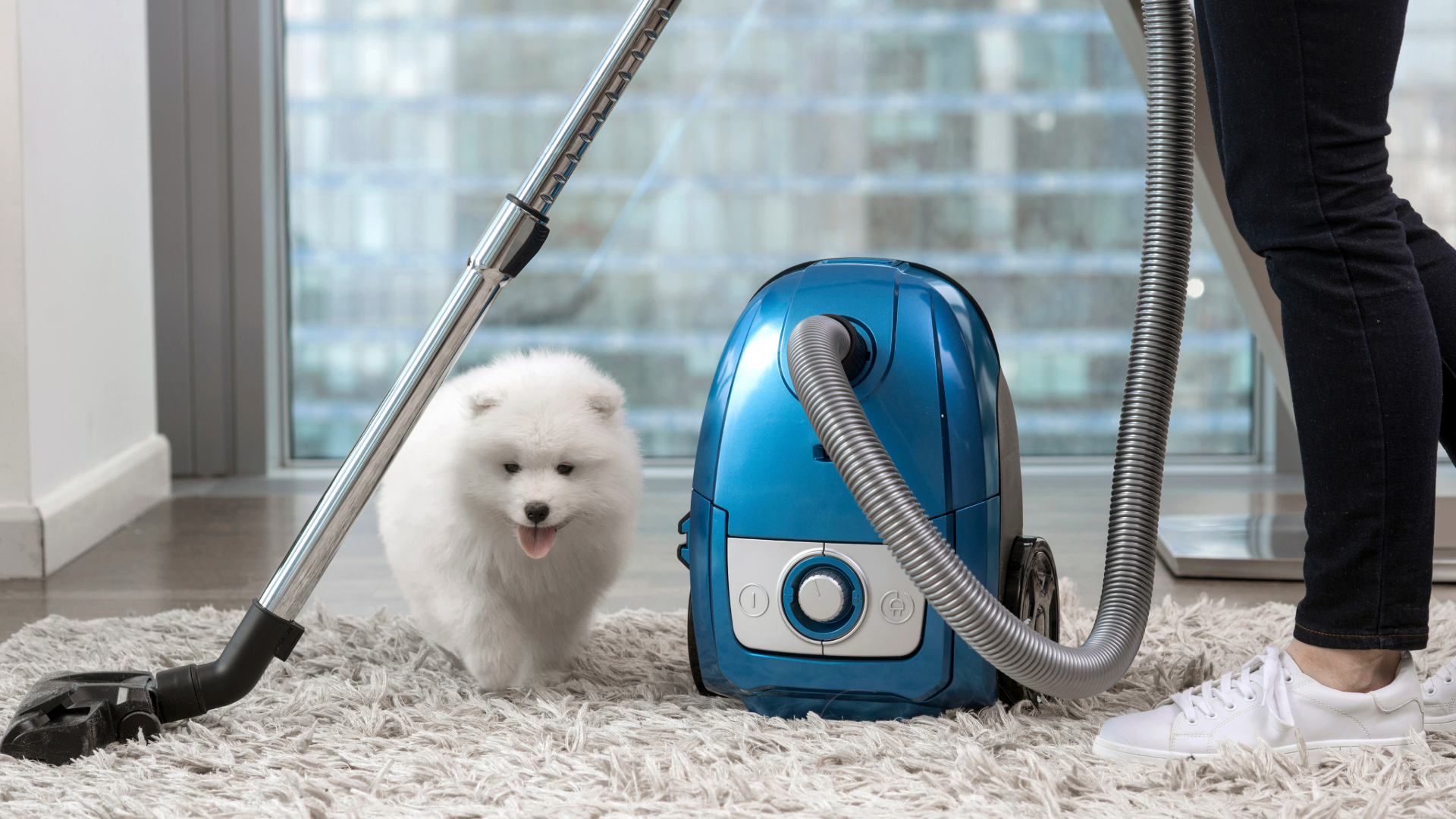
Types Of Vacuum Cleaners For Pet Hair
Different types of vacuum cleaners offer varying levels of performance when it comes to pet hair removal. Understanding the pros and cons of each can help you make an informed decision based on your home and cleaning needs.
Upright Vacuums
Upright vacuums are often powerful and well-suited for large carpeted areas. Many models come with advanced brush systems designed to handle pet hair. They are generally easy to maneuver on carpets.
Canister Vacuums
Canister vacuums offer excellent versatility, often with powerful suction and specialized floor heads for different surfaces. Their separate hose and wand can make them effective for reaching under furniture and cleaning stairs, where pet hair tends to collect.
Stick Vacuums
Modern stick vacuums can be surprisingly powerful, especially cordless models. They are lightweight and convenient for quick cleanups. However, their smaller dustbins and battery life might be a limitation for deep cleaning larger homes.
Robot Vacuums
Robot vacuums can help maintain a baseline level of cleanliness by running daily. Some advanced models are designed with pet hair in mind, featuring self-emptying bins and specialized brushes. While they are great for daily maintenance, they typically don’t replace the need for a more powerful, traditional vacuum for deep cleaning.
How To Maximize Pet Hair Removal From Rugs
Simply owning a good vacuum cleaner isn’t always enough. Using the right techniques can significantly improve your results. Consistency is key when dealing with shedding pets.
- Vacuum Regularly: The more frequently you vacuum, the less time pet hair has to become deeply embedded. Aim for at least 2-3 times per week, or more often if you have a heavy shedder.
- Use the Right Attachments: Don’t just rely on the main floor head. Use crevice tools for edges and corners, and upholstery tools for any smaller rugs or mats. A motorized pet tool is invaluable for stairs and furniture.
- Vacuum in Multiple Directions: Pet hair can lie in different directions within the rug pile. Go over the area slowly in one direction, then repeat in the perpendicular direction. This helps to lift and capture hairs that might otherwise be missed.
- Empty the Dustbin Frequently: A full dustbin reduces suction power. Empty it after each use, or even during longer cleaning sessions, to maintain optimal performance.
- Maintain Your Vacuum: Regularly clean the brush roll, filters, and hoses. Clogs or debris can significantly impact your vacuum’s ability to pick up hair.
Pro Tip:
Consider using a rubber broom or squeegee on your rugs *before* vacuuming. These tools can help gather loose surface hair into piles, making it easier for your vacuum to pick up. This is especially effective on denser carpets.

Vacuum Cleaner Performance: Data And Comparisons
To illustrate the differences, let’s look at some general performance characteristics. While specific models vary, these tables provide a helpful overview.
| Vacuum Type | Suction Power (General) | Pet Hair Effectiveness | Best For | Considerations |
|---|---|---|---|---|
| **Upright** | High | High | Large carpeted areas, deep cleaning | Can be heavy, brush roll maintenance |
| **Canister** | Very High | High | Versatile cleaning, stairs, under beds | Separate unit to store, maneuverability |
| **Stick** | Moderate to High | Moderate to High | Quick cleanups, smaller spaces | Battery life, dustbin size |
| **Robot** | Low to Moderate | Moderate | Daily maintenance, light shedding | Not a replacement for deep cleaning |
Another important factor is how well different vacuums capture fine dust and allergens, which often accompany pet hair.
| Filtration Type | Allergen Capture Rate | Effectiveness Against Pet Dander | Typical Use |
|---|---|---|---|
| **Standard** | ~60-70% | Moderate | Basic dust and debris |
| **HEPA** | 99.97% of 0.3 microns | Very High | Allergy sufferers, fine particle removal |
| **Multi-stage** | Varies (often high) | High to Very High | Combines HEPA with other filtration stages |
Warning:
Always check the vacuum’s specifications for its filtration type. A vacuum might have strong suction but poor filtration, meaning it could be blowing allergens back into your home.
Common Mistakes Pet Owners Make
Many pet owners struggle with pet hair removal due to common mistakes. Avoiding these can lead to cleaner rugs and a more pleasant home environment.
One frequent error is using the wrong vacuum. A lightweight, low-power vacuum might be convenient, but it’s unlikely to lift deeply embedded pet hair. Investing in a vacuum specifically designed for pet hair is often a worthwhile expenditure.

