

Yes, stick vacuums can pick up pet hair, but the best models do it much better than others.
If you live with a shedding dog or a fluffy cat, you already know how fast hair can collect on floors, rugs, stairs, and even couch edges. I’ve tested plenty of stick vacuums in real homes, and the truth is simple: the right one can make daily pet cleanup easy, but the wrong one can leave tangles, clogs, and frustration behind. In this guide, I’ll break down how stick vacuums handle pet hair, what features matter most, and how to choose one that actually works in a pet-friendly home.
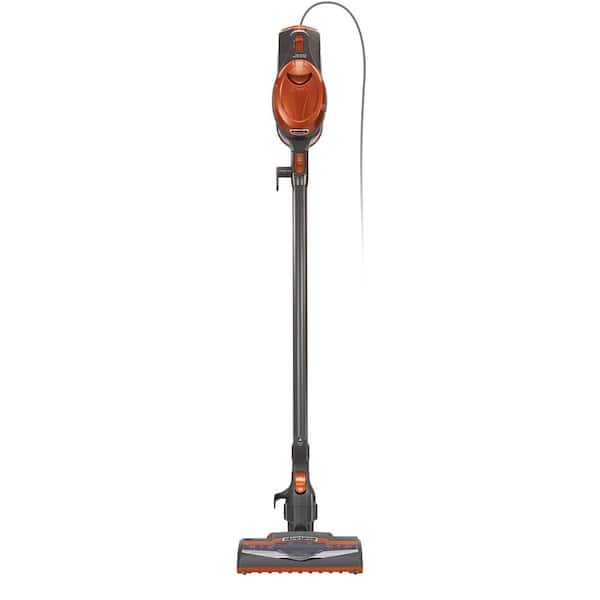
Can stick vacuums pick up pet hair?
Yes, stick vacuums can pick up pet hair, especially on hard floors, low-pile rugs, and surface-level debris on carpets. The catch is that not every stick vacuum has the suction power, brush design, or dustbin size needed for heavy shedding.
In my experience, the best stick vacuum for pet hair feels like a fast daily helper, not a full replacement for a deep-cleaning upright. It is great for crumbs, fur tumbleweeds, and the layer of hair that seems to appear the moment you finish cleaning. But if you have multiple pets, thick carpet, or long hair that wraps around everything, you need to shop carefully.
How stick vacuums handle pet hair
Stick vacuums work by using suction and a rotating brush roll to lift hair from floors and fabrics. Pet hair is tricky because it sticks to fibers, twists around brush rolls, and can block airflow if the vacuum is not designed well.
Here is what usually matters most:
• Suction power helps lift hair from carpet fibers and floor edges.
• A brush roll agitates the surface and pulls embedded fur loose.
• Good airflow keeps hair moving into the bin instead of clogging the machine.
• A sealed design helps prevent fine dander from blowing back out.
For pet owners, the brush roll is often the biggest difference maker. A weak brush may push hair around instead of collecting it, while a well-built one can grab loose fur in one pass.

What makes a stick vacuum good for pet hair?
Not all stick vacuums are built the same. Some are made for quick kitchen messes, while others are designed to handle serious shedding.
Look for these features:
• Strong suction for both hard floors and rugs.
• Anti-tangle brush rolls that reduce hair wrap.
• A motorized pet tool or mini brush for furniture and stairs.
• A sealed filtration system, preferably with HEPA-style filtration.
• A dustbin that is easy to empty without touching the hair.
• Enough battery life to finish the cleanup in one charge.
One thing I learned the hard way: battery life matters more than people expect. A vacuum can look powerful on paper, but if it fades halfway through cleaning the sofa, stairs, and hallway, it will not feel like a good pet hair vacuum in daily life.
Where stick vacuums work best for pet hair
Stick vacuums shine in certain spaces. They are light, easy to grab, and perfect for routine cleanup.
They usually perform best on:
• Hardwood floors
• Tile and laminate
• Low-pile area rugs
• Upholstered furniture
• Stairs
• Pet beds and fabric surfaces
On hard floors, stick vacuums often do very well because pet hair sits on top of the surface. On rugs and carpet, they can still work well if the vacuum has a strong motorized head and good bristle design.
Where stick vacuums struggle
Even a good stick vacuum has limits. If you expect it to behave like a heavy upright on thick carpet, you may be disappointed.
Common trouble spots include:
• Deep-pile carpet
• Large homes with lots of shedding pets
• Hair that has been ground into fibers
• Clumps of wet or muddy fur
• Very long human or pet hair that wraps around the brush
This is where many people get frustrated and think all stick vacuums are weak. The truth is that the problem is often not the category itself, but choosing a model that is too small or too light for the job.
Cordless vs corded stick vacuums for pet hair
Cordless stick vacuums are the most popular because they are convenient and easy to use. Corded models are less common, but they can offer more consistent power for bigger messes.
Here is the simple tradeoff:
• Cordless stick vacuums are easier to carry and faster to use.
• Corded stick vacuums usually give longer runtime and steady suction.
• Cordless models are better for quick cleanups and daily pet hair.
• Corded models may be better for larger homes or heavy shedding.
For most pet owners, cordless is enough if the vacuum has strong suction and a good brush head. If your pets shed heavily every day, though, corded or a more powerful upright may still be the better backup.
Can stick vacuums pick up pet hair from upholstery and stairs?
Yes, and this is one of their best uses. Pet hair on couches, chair cushions, and stairs is often annoying because it collects in seams and corners. A lightweight stick vacuum with a small motorized tool can handle these spots much better than a bulky machine.
In practice, I find that a mini brush tool is almost as important as the main floor head. It helps pull hair from fabric without needing to press too hard or make a dozen passes.
How to get better pet hair pickup from a stick vacuum
Even a solid stick vacuum works better when you use the right technique. Small habits can make a big difference.
Try these tips:
• Empty the dustbin before it gets too full.
• Clean the brush roll often so hair does not wrap around it.
• Use the right suction mode for the surface.
• Move slowly over carpet so the vacuum can lift embedded hair.
• Pre-brush heavy pet areas if hair buildup is extreme.
• Use attachments for corners, stairs, and upholstery.
I’ve found that many poor cleaning results come from rushed passes. Pet hair usually needs a little more patience, especially on fabric and rugs. Slow, steady movement almost always beats quick swipes.
Best features to look for in a pet hair stick vacuum
If you are shopping for one, focus on the features that matter in real life, not just marketing claims.
Prioritize these:
• Anti-tangle technology to reduce hair wrap
• Strong suction with no major power drop
• HEPA or sealed filtration for dander and fine dust
• Lightweight design for daily use
• Easy-to-remove brush roll for cleaning
• Good battery life or quick charging
• Attachments for furniture and tight spaces
Pet owners should also check how easy it is to clean the vacuum itself. If the brush, bin, and filter are annoying to maintain, you will probably not use it as often as you should.
Are stick vacuums enough for pet owners?
For many homes, yes. A good stick vacuum can handle day-to-day fur, crumbs, litter tracking, and light debris with very little effort. It is especially useful if you want something fast enough to use every day.
But if your pets shed heavily, or if you have thick carpet in several rooms, a stick vacuum may be only part of the solution. In that case, pairing it with a more powerful deep-clean vacuum once or twice a week can give you the best of both worlds.
Real-world advice from testing pet hair vacuums
After seeing how these vacuums perform in homes with cats and dogs, the pattern is pretty clear. The best stick vacuums do not just suck harder; they manage hair better. That means less tangling, better airflow, and easier cleanup after the job is done.
The biggest mistake I see people make is buying a stick vacuum for convenience and then expecting upright-level carpet cleaning. If you think of it as your everyday pet hair cleanup tool, not your once-a-month deep cleaner, it makes much more sense. That mindset helps you pick the right machine and avoid disappointment.
Frequently Asked Questions
Do stick vacuums work on dog hair?
Yes, many stick vacuums work well on dog hair, especially on hard floors and low-pile rugs. For heavy-shedding dogs, choose a model with strong suction and an anti-tangle brush roll.
Can stick vacuums pick up cat hair from furniture?
Yes, they can, especially if the vacuum includes a mini motorized tool or upholstery attachment. Cat hair often clings to fabric, so a good handheld attachment makes a big difference.
Do stick vacuums get clogged with pet hair?
They can if the vacuum has weak airflow or a brush roll that wraps hair easily. Regular maintenance, such as emptying the bin and cleaning the roller, helps prevent clogs.
Are stick vacuums better than upright vacuums for pet hair?
Stick vacuums are better for quick cleanup, light daily shedding, and easy handling. Upright vacuums are often better for deep carpet cleaning and larger pet hair messes.
What is the best surface for a stick vacuum with pet hair?
Hard floors are usually the easiest surface for stick vacuums. Low-pile rugs and upholstery also work well if the vacuum has enough suction and the right attachments.
How often should I clean the brush roll on a pet hair vacuum?
Check it at least once a week if you have pets that shed a lot. If your pet has long hair, you may need to clean it more often to keep performance strong.
Conclusion
Stick vacuums can absolutely pick up pet hair, and for many homes they are one of the easiest tools to use every day. The key is choosing a model with strong suction, an anti-tangle brush roll, and the right attachments for furniture and stairs. If you match the vacuum to your floors and your pet’s shedding level, you will save time and make cleaning feel much less like a chore.
If you are shopping for a pet-friendly vacuum, focus on real-life performance, not just flashy specs. Take a close look at your floors, your pets, and how often you clean, then choose the machine that fits your routine. If this guide helped, explore more cleaning tips or leave a comment with your biggest pet hair challenge.

