

Can Icu Beds Be Used At Home?
It’s not easy to care for a loved one who needs intensive medical support. Family members often ask, “Can ICU beds be used at home? ” This question comes up when someone needs special care outside the hospital—maybe after a serious illness, surgery, or for end-of-life comfort.
The idea of bringing an ICU bed into the home can feel overwhelming, but with the right knowledge, it becomes possible to make safe and informed choices.
In this article, you’ll learn what makes an ICU bed unique, what to consider before bringing one home, and what it takes to use it safely. We’ll look at costs, setup, alternatives, and even some common mistakes families make. This information will guide you, whether you’re considering a rental, purchase, or wondering if a standard hospital bed is enough.
Let’s explore how ICU-level support can fit into a home setting—clearly and with practical advice.
What Is An Icu Bed?
An ICU bed is not just a regular hospital bed. It’s a special type of medical bed used in Intensive Care Units for patients who need constant monitoring and advanced care. These beds offer features far beyond what you’ll find in a standard home hospital bed.
ICU beds can adjust in many ways—height, head, foot, and even side-to-side tilt (called “lateral rotation”). They often include electronic controls, built-in scales, and alarms. Many models have attachments for IV poles, monitors, and life-saving devices. For example, an ICU bed can help nurses reposition a patient to prevent bedsores or help with breathing.
A key detail: ICU beds are designed for easy access. Medical staff need to reach the patient quickly from any side, so these beds have fold-down rails and smooth wheels for fast movement. The bed frame is also built to hold heavier equipment, sometimes supporting over 250 kg (about 550 lbs).
Not every patient at home needs this level of technology. But for some, these features can be crucial.
Main Differences: Icu Beds Vs. Home Hospital Beds
It’s important to know how ICU beds and standard hospital beds differ, especially when deciding what’s best for home care. Here’s a comparison to make things clear:
| Feature | ICU Bed | Home Hospital Bed |
|---|---|---|
| Adjustability | Multiple, advanced positions (Trendelenburg, reverse, lateral tilt) | Basic head/foot elevation |
| Weight Capacity | High (up to 250–300 kg) | Standard (up to 180–200 kg) |
| Monitoring Integration | Yes, with plug-ins for monitors | No |
| Built-in Scale | Often included | Rare |
| Cost | Very high | Moderate |
| Mobility | Large wheels, complex movement | Simple wheels, limited movement |
This shows why ICU beds are not common in homes. They have advanced features, but these come with higher costs, heavier weight, and more space needed. Still, for some patients, only an ICU bed will meet their needs.

Who Might Need An Icu Bed At Home?
Not every patient at home needs an ICU bed. They are usually reserved for people with very serious medical needs, such as:
- Patients needing mechanical ventilation: If someone needs a breathing machine (ventilator) for a long time, an ICU bed helps with positioning and access for care.
- Patients with severe mobility issues: If the patient cannot move or turn without help, an ICU bed allows safe repositioning to prevent pressure ulcers.
- People needing complex monitoring: For example, those needing frequent vital sign checks, IV drips, or who are at risk of quick health changes.
- End-of-life care with high medical needs: Some people want to spend their last days at home, but their comfort and safety require advanced support.
A practical example: A stroke patient who cannot move, eat, or breathe without machines may need an ICU bed at home. But someone with a broken leg or recovering from simple surgery usually does not.
Can You Really Use An Icu Bed At Home?
The answer is yes, but with important conditions. Setting up an ICU bed at home is possible, but it takes planning, money, and the right support. Most home care companies offer rentals or sales of ICU-style beds. Some hospitals may also arrange for a bed to be sent home if the patient qualifies.
However, there are key challenges:
- Space: ICU beds are large and heavy, needing strong floors and wide doorways.
- Electricity: They require reliable power for motors, alarms, and sometimes backup batteries.
- Caregiver training: Family or home nurses must know how to operate the bed and related machines.
- Maintenance: These beds need regular checks and sometimes professional service.
One insight many overlook: Local laws and insurance rules may affect what type of bed can be used at home. Check with your health provider before making a decision.
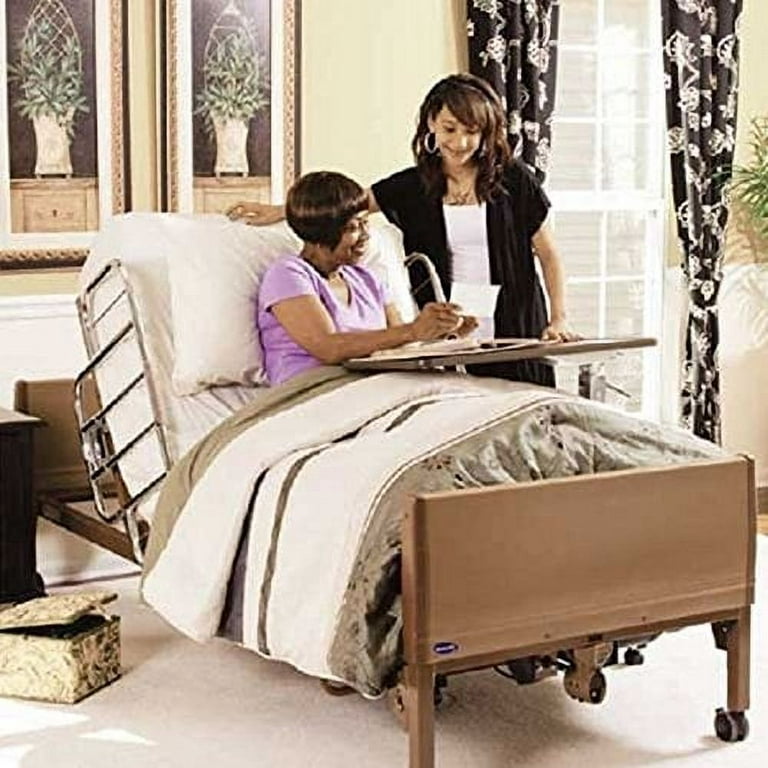
What Features Do Icu Beds Offer At Home?
When you use an ICU bed at home, you get many features that help with complex care:
- Electric adjustment: Easy changing of bed height, head, and foot position with a remote.
- Trendelenburg and reverse Trendelenburg: Tilting the whole bed up or down to help with breathing or blood flow.
- Lateral tilt: Rolling the bed side-to-side for turning patients without lifting.
- Built-in weighing scale: Weighing the patient without moving them.
- Removable rails: For quick access during emergencies.
- IV pole and monitor holders: Attaching medical equipment safely.
- Emergency CPR release: Flattens the bed instantly if needed.
These features allow home caregivers to provide care similar to a hospital setting. But, not every home ICU bed offers all options. Check the model’s specifications before renting or buying.
Cost Of Using An Icu Bed At Home
Price is one of the biggest barriers to using an ICU bed at home. Costs can vary widely, based on the country, brand, and features. Here’s a general idea:
| Type | Rental Cost (per month) | Purchase Cost |
|---|---|---|
| ICU Bed (basic model) | $500–$800 | $8,000–$15,000 |
| ICU Bed (advanced, with extras) | $900–$1,500 | $18,000–$40,000 |
| Standard Home Hospital Bed | $150–$350 | $1,200–$4,000 |
These are estimates, and local prices can be higher or lower. Rental is usually the best choice for short-term needs. Buying makes sense for patients who need long-term care.
Insurance sometimes covers part of the cost, but often not the full price. Medicaid, Medicare, or private plans may help, but usually only when a doctor says the bed is “medically necessary. ”
Steps To Set Up An Icu Bed At Home
Bringing an ICU bed home is not as simple as moving a regular bed. Here’s how to do it right:
1. Get A Prescription And Medical Evaluation.
A doctor must confirm the need for an ICU bed at home. This helps with insurance and ensures safety.
2. Choose A Reliable Supplier.
Work with a company that has experience in home ICU equipment. They will explain installation and support.
3. Prepare The Space.
Clear the room and make sure doorways are wide enough (usually at least 90 cm or 36 inches). The floor must support the heavy bed—wood and concrete are best.
4. Check The Power Supply.
ICU beds need stable electricity. If power outages are common, consider a backup generator.
5. Install And Test The Bed.
Let professionals deliver and set up the bed. Test all functions before use.
6. Train Caregivers.
Ask for a demonstration of all controls, safety features, and what to do in emergencies.
7. Set Up Safety And Comfort Items.
Add bed rails, call bells, pressure-relief mattresses, and extra pillows as needed.
8. Plan Regular Maintenance.
ICU beds are complex. Schedule checkups with the supplier for repairs and cleaning.
Non-obvious tip: Always keep the supplier’s emergency contact number handy. If the bed malfunctions, help should be available quickly—especially if the patient depends on machines.
Pros And Cons Of Icu Beds At Home
Making this choice means weighing good points and challenges.
Advantages
- Better comfort for the patient: Home is familiar, less stressful than a hospital.
- Family involvement: Loved ones can be present round-the-clock.
- Same advanced care: Patients get the same support as in the ICU, if all equipment is available.
- Fewer hospital infections: Home environments often have fewer germs.
Disadvantages
- High cost: ICU beds and related machines are expensive.
- Space requirements: Homes may need remodeling.
- Training needed: Not all families feel confident using advanced equipment.
- Limited emergency support: Hospitals have teams and backup—home care does not.
A small detail many miss: Some insurance plans may not cover damage to home floors or walls during delivery or use of heavy ICU beds. Check your policy.
Common Mistakes To Avoid
Many people make the same errors when bringing an ICU bed home. Here’s how to avoid them:
- Underestimating space needs: ICU beds can be up to 2.2 meters long and 1 meter wide. Always measure your room first.
- Ignoring power needs: Advanced beds may stop working during a power cut, risking patient safety.
- Skipping caregiver training: Even experienced nurses need to learn the specific bed model.
- Not planning for repairs: If the bed breaks, care may be delayed.
- Overlooking patient comfort: Add pressure-relief mattresses and keep extra pillows or blankets nearby.
Extra insight: Plan for infection control. Regular cleaning and hand washing are just as important at home as in the ICU.
Alternatives To Icu Beds For Home Use
Not every patient needs a true ICU bed. There are alternatives that offer safety and comfort for less money or complexity.
- Standard home hospital beds: These offer head and foot adjustment, side rails, and wheels. Good for most recovery needs.
- Low beds: Designed for patients at risk of falls. They sit close to the ground to prevent injury.
- Bariatric beds: For heavier patients who need extra support.
- Pressure-relief mattresses: These can be added to any bed to prevent sores.
If you’re unsure, ask your doctor or a home care company to recommend the best option. Sometimes, extra features can be added to a regular bed at less cost.
Legal And Insurance Considerations
Using an ICU bed at home is not just a medical decision. Some legal and insurance rules may affect your choice.
- Doctor’s prescription: Most suppliers and insurance companies require a written order.
- Home modifications: Some towns need permits for changes to doors or flooring.
- Insurance approval: Not all plans cover ICU beds, and many need proof that a regular bed is not enough.
- Liability: If someone is injured using the bed, home insurance may be affected.
Check with your provider and insurance before making changes. For more details, you can visit the official Medicare coverage page.
Family And Caregiver Support
Caring for someone on an ICU bed at home is a big responsibility. Support is key.
- Training: Ask for a detailed lesson on all bed functions and emergency steps.
- Backup help: Arrange for a nurse or extra caregiver if the main helper gets tired or sick.
- Emotional support: Caring for a very sick loved one is stressful. Join a support group, online or in person.
- Respite care: Take breaks as needed. Many communities offer respite help for families.
A less obvious point: Don’t forget to plan for supplies—gloves, cleaning products, and medical items like suction machines or IV stands.
Cleaning And Maintenance Of Icu Beds At Home
Keeping the ICU bed clean and working is crucial. Here’s what to do:
- Daily cleaning: Wipe bed rails, controls, and the frame with disinfectant. Change linens often.
- Weekly checks: Inspect the mattress for tears, the power cable for damage, and wheels for smooth rolling.
- Monthly servicing: Ask the supplier to do a full check. This is especially important if the bed has built-in scales or electric motors.
- After spills: Clean all fluids immediately to prevent rust or electrical problems.
- Record keeping: Write down all maintenance and repairs in a notebook.
Tip: Use only approved cleaners. Harsh chemicals can damage sensitive electronics.
Real-life Example: Bringing An Icu Bed Home
Consider the story of Mr. Lee, a 72-year-old stroke survivor. After three weeks in the hospital ICU, his family wanted to bring him home. He still needed a ventilator and frequent repositioning.
The hospital’s discharge planner arranged for an ICU bed rental. The family cleared their living room, widened a doorway, and installed a backup generator. A nurse from the supplier showed them how to use the bed controls, alarms, and what to do if something failed.
The process took about a week and cost $1,200 for the first month (bed and equipment). Mr. Lee’s comfort improved, and his family could spend more time with him. However, his daughter said the hardest part was learning how to move him safely and cleaning all the equipment daily.
This example shows both the benefits and the work involved with an ICU bed at home.

Frequently Asked Questions
Can I Rent An Icu Bed For Home Use, Or Do I Need To Buy One?
Most companies offer both rental and purchase options. Rental is best for short-term needs (weeks or months), while buying makes sense for long-term or permanent care. Rentals include installation and maintenance, which is helpful for families new to this equipment.
What If My Home Is Too Small For An Icu Bed?
Measure your space before ordering. If the bed won’t fit, consider alternatives like compact hospital beds or special mattresses that offer some ICU features. Sometimes, a room swap or minor remodeling helps, but always check costs and safety.
Do I Need A Nurse If I Have An Icu Bed At Home?
Yes, in most cases. ICU beds are complex, and patients needing them often have serious medical needs. A trained nurse or caregiver should be present, at least part-time, to handle emergencies and equipment.
Will Insurance Cover An Icu Bed For Home Use?
Insurance coverage depends on your plan and medical need. Many policies cover part of the cost if a doctor prescribes the bed and says it’s medically necessary. Always check with your insurance company and get approval before renting or buying.
What Maintenance Does A Home Icu Bed Need?
Regular cleaning, checking for damage, and scheduled servicing are essential. Most suppliers offer maintenance contracts. If anything stops working, call the supplier immediately—never try to repair it yourself.
Bringing an ICU bed into your home is a major decision with both challenges and rewards. With the right planning, training, and support, it can provide comfort and advanced care for your loved one in a familiar setting. Always consult your healthcare provider and ask for help when needed—the safety and well-being of the patient depend on it.

