

Yes, many canister vacuum filters can be washed, but only if the manufacturer says they are washable.
Knowing whether canister vacuum filters be washed is more important than most people think. I’ve seen well-meaning cleaning habits ruin filters, weaken suction, and even shorten a vacuum’s life. In this guide, I’ll walk you through which filters can be rinsed, which ones must stay dry, and how to clean them the right way so your vacuum keeps working like it should.
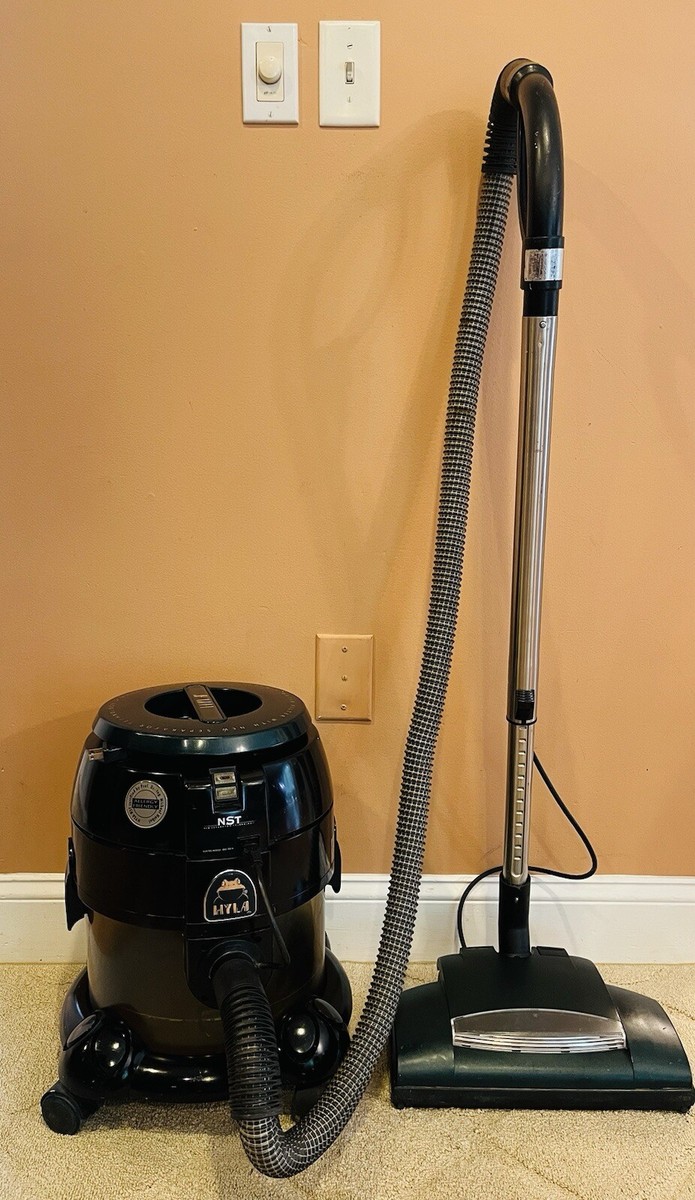
What kind of canister vacuum filters can be washed?
The short answer is that it depends on the filter type. Some canister vacuum filters are designed to be rinsed with water, while others are made from materials that break down if they get wet.
In most canister vacuums, you may find one or more of these filters:
- Foam filters, which are often washable
- Felt filters, which may be washable in some models
- Pleated HEPA filters, which are sometimes washable but not always
- Cartridge filters, which vary by brand and model
- Motor protection filters, which are often washable if labeled that way
The safest rule is simple: check the user manual. If the filter is marked washable or rinseable, you can clean it with water. If the label says non washable, do not wash it.
:max_bytes(150000):strip_icc()/how-to-clean-a-vacuum-filter-5217137-04-8da1b28a6a6d4b36af8215294813b38a.jpg)
Why canister vacuum filters need regular cleaning
Canister vacuum filters trap dust, pet hair, pollen, and fine dirt before those particles reach the motor or return to your home air. Over time, that buildup blocks airflow and makes the vacuum work harder.
I’ve noticed this many times in real use: when a filter starts clogging, suction drops before people realize the filter is the problem. The vacuum may still turn on, but it stops picking up dirt well and may even start smelling musty.
Keeping filters clean helps with:
- Better suction
- Longer vacuum life
- Less dust blowing back into the room
- Lower strain on the motor
- Better performance on carpets and hard floors
A dirty filter is like trying to breathe through a thick scarf. Air still gets through, but not nearly as well.
How to tell if your canister vacuum filter is washable
Not all filters look different at a glance, so you need to check more than appearance. The label, manual, or model page usually tells you exactly what to do.
Look for these signs:
- The filter says washable, rinseable, or reusable
- The manual says to rinse with cool water
- The manufacturer shows washing instructions
- The filter is foam or a washable pleated design
Do not assume a filter is washable just because it is removable. Some HEPA filters, for example, are reusable but not meant to be washed. That is a common mistake and one I’ve seen damage filters that were otherwise still in good shape.
How to wash washable canister vacuum filters the right way
If your filter is washable, gentle cleaning is the goal. Harsh scrubbing or hot water can damage the material and reduce performance.
Follow these steps:
- Turn off and unplug the vacuum.
- Remove the filter carefully.
- Tap out loose dust over a trash bin.
- Rinse the filter with cool or lukewarm water.
- Use only gentle running water unless the manual says otherwise.
- Do not use soap unless the brand allows it.
- Shake off extra water.
- Let the filter air dry fully before reinstalling it.
A filter must be completely dry before use. Putting a damp filter back into the vacuum can lead to odor, mold, or damage to the motor. I usually leave washable filters to dry for at least 24 hours, and sometimes longer if the room is humid.
What filters should not be washed
Some vacuum filters are built to be replaced, not rinsed. Washing the wrong one can ruin the structure or reduce filtration.
Do not wash filters that are:
- Labeled non washable
- HEPA filters marked replace only
- Paper filters
- Carbon filters
- Disposable fine dust filters
If you are unsure, treat the filter as non washable until you confirm otherwise. That is the safer choice. I’ve learned that a few dollars saved by washing the wrong filter can turn into a much bigger repair later.
Common mistakes people make when washing canister vacuum filters
Even when a filter is washable, bad cleaning habits can still cause trouble. Many suction problems happen because the filter was cleaned the wrong way, not because it was dirty.
Common mistakes include:
- Using hot water
- Scrubbing too hard
- Reinstalling the filter while it is still wet
- Using detergent when it is not allowed
- Washing a non washable HEPA filter
- Forgetting to clean the filter housing
- Ignoring the replacement schedule
One mistake I see often is people washing a filter and assuming it will perform like new forever. Even washable filters wear out over time. Once the material becomes thin, torn, or warped, replacement is the best option.
How often should canister vacuum filters be cleaned?
The right cleaning schedule depends on how often you vacuum and what you clean up. Homes with pets, kids, or lots of dust usually need more frequent care.
A practical schedule looks like this:
- Light use: every 1 to 3 months
- Regular home use: monthly or every few weeks
- Homes with pets: every 2 to 4 weeks
- Allergy-sensitive households: check more often and clean as needed
Always follow the brand instructions first. Some canister vacuum filters be washed after every few uses, while others are designed for longer intervals. If suction drops or the vacuum smells dusty, it is probably time to clean the filter.
Signs your canister vacuum filter needs attention
A filter usually gives a few hints before it becomes a real problem. If you notice these signs, it is time to inspect it.
Watch for:
- Weak suction
- Dust blowing back into the room
- A burning or dusty smell
- The vacuum running hotter than usual
- Visible dirt buildup on the filter
- More noise from the motor
These are not just comfort issues. They can signal restricted airflow, which puts stress on the machine. When I’ve ignored these warning signs in the past, the vacuum never worked as smoothly afterward until I cleaned or replaced the filter.
Benefits of washing washable canister vacuum filters
Washing the right filter can save money and improve performance. It is one of the easiest maintenance tasks you can do.
The main benefits include:
- Lower replacement costs
- Better suction
- Cleaner exhaust air
- Longer filter life
- Better overall vacuum efficiency
It also helps the vacuum keep up in daily life. Think of it like changing the air in a stuffy room. Once the path is clear again, everything works more easily.
When replacing the filter is better than washing it
Washing is not always the answer. If a filter is damaged, compressed, or worn out, cleaning will not bring it back.
Replace the filter if:
- It stays dirty after washing
- It has tears or holes
- It smells bad even after drying
- It has lost its shape
- The manufacturer recommends replacement
Some filters are simply not meant to last forever. A new filter can restore suction faster than repeated cleaning. That is especially true for HEPA and fine dust filters in high-performance vacuums.
Canister vacuum filters be washed if you have allergies?
Yes, but you need to be careful. Washable filters can help reduce dust buildup, which is useful in allergy-prone homes, but only if they are cleaned and dried properly.
If you have allergies, consider these tips:
- Clean filters outdoors or over a trash bin
- Avoid shaking dust back into the air
- Wear a mask if dust triggers symptoms
- Let filters dry fully before reinstalling
- Use genuine replacement filters if needed
A clean filter can make a real difference in indoor air quality. But a damp or damaged filter can make things worse, so the drying step matters just as much as the washing step.
Extra care tips from real-world use
After working with different canister vacuums over time, I’ve found that small habits make the biggest difference. The people who get the best performance usually treat the filter like a key part, not an afterthought.
My best tips are:
- Keep a spare filter if your model supports it
- Set a reminder for monthly checks
- Clean the dust bin before it overfills
- Never force a wet filter back into place
- Keep the vacuum manual in a handy spot
It sounds simple, but it works. A well-cared-for filter can keep a vacuum feeling almost new for much longer than most people expect.
Frequently Asked Questions
Can canister vacuum filters be washed in the sink?
Yes, if the filter is labeled washable and the manual allows it. Use cool water and gentle rinsing, then let it dry fully before putting it back.
Can canister vacuum filters be washed with soap?
Only if the manufacturer specifically allows it. In many cases, plain water is safer because soap can leave residue and affect airflow.
How long does a washable vacuum filter take to dry?
Most washable filters need at least 24 hours to dry, and some may need longer. The filter must be completely dry before you reinstall it.
What happens if I wash a non washable vacuum filter?
Washing a non washable filter can damage the material and reduce suction. In some cases, it can also void the warranty or harm the vacuum.
How do I know if my HEPA filter is washable?
Check the label and user manual. Some HEPA filters are washable, but many are not, so never assume based on the name alone.
Conclusion
Canister vacuum filters be washed? Yes, many of them can, but only when the filter is designed for it. The key is to check the label, use gentle cleaning, and let the filter dry completely before use.
If you remember just one thing, make it this: the right cleaning method can protect your vacuum, improve suction, and save money over time. Take a minute to inspect your filter today, follow the manufacturer’s guidance, and keep your machine running at its best. If this guide helped, explore more vacuum care tips or leave a comment with your model and questions.

