

Many homeowners dream of a backyard pool, but a sloping yard can feel like a dealbreaker. The good news is that installing an above-ground pool on a slope isn't always a no-go. It often comes down to how much slope you're dealing with and the effort you're willing to put into preparation.
Our research indicates that while most manufacturers specify level ground, innovative site preparation techniques can make it possible. For instance, per pool industry best practices, slopes exceeding a certain percentage often require specialized excavation and support structures to ensure safety and longevity, as detailed in many pool installation manuals.
Quick Answer
Yes, an above-ground pool can sometimes be installed on a slope with proper preparation. However, significant slopes require excavation and careful leveling. Many manufacturers specify level ground for installation.
Slopes over 10% typically demand professional assessment and significant site modification.
The Big Question: How Much Slope Can You Handle?
This is the crucial starting point for anyone eyeing a pool on uneven terrain. Not all slopes are created equal, and what might be manageable for a slight incline could be impossible for a steep hillside. The first thing you'll need to do is measure your yard's slope.
You can do this with a simple line level and a long measuring tape, or more accurately with a laser level or transit.
- Slight Slope (0-2%): This is generally considered manageable with minimal effort. You might only need a bit of extra sand or leveling material to get your pool base perfectly flat.
- Moderate Slope (2-6%): This range starts to become more challenging. You'll likely need to excavate a portion of the higher side and potentially build up the lower side. This requires more planning and labor.
- Steep Slope (6-10%): At this point, you're definitely looking at significant site modification. Excavating a large amount of soil and ensuring the stability of the remaining slope is critical.
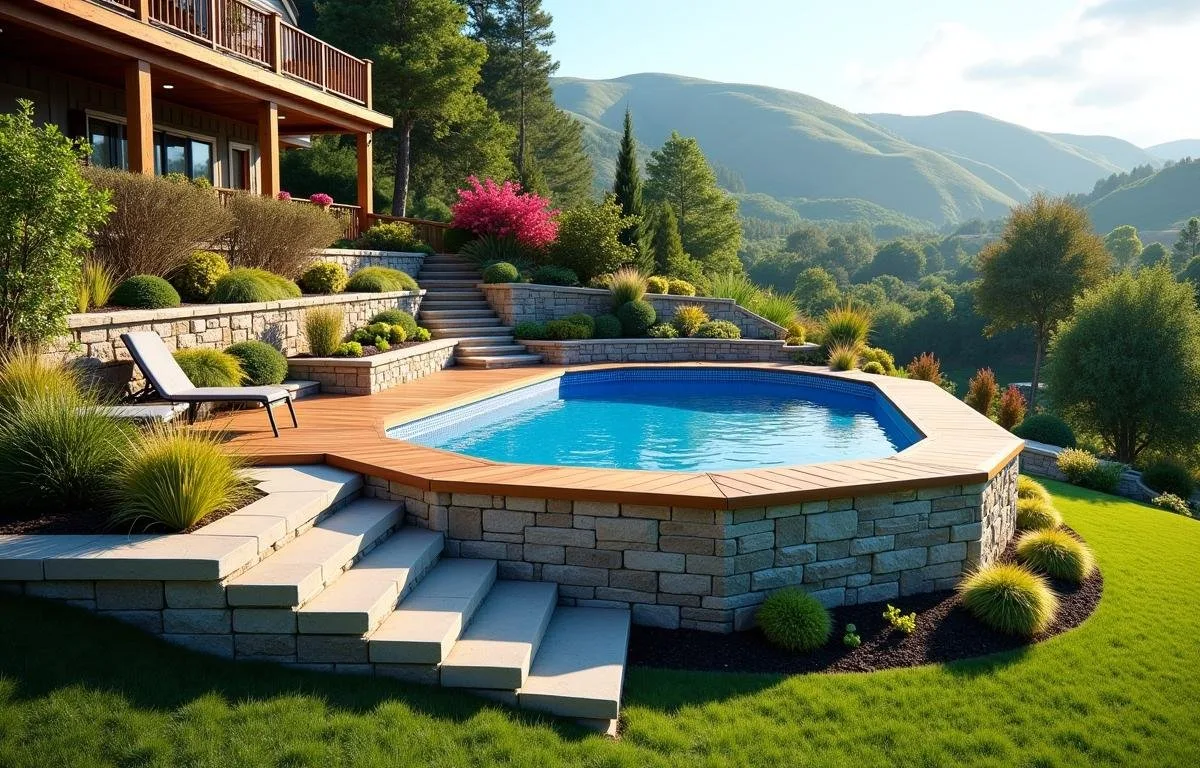
Image source: Bing (Web (fair-use with source credit))
- Very Steep Slope (Over 10%): For slopes exceeding 10%, it's almost always recommended to consult with a professional pool installer or a landscape engineer. The risks of structural failure, erosion, and safety hazards become very high. Manufacturer warranties may also be voided if installation deviates from their level-ground requirements.
Site Prep is Key: Making That Slope Work for You
If you've assessed your slope and decided it's workable, the real magic happens in the site preparation. This isn't just about digging a hole; it's about creating a stable, level foundation that can support the immense weight of an above-ground pool filled with water. Skipping or skimping on this step is the number one reason pools fail on slopes.
Excavation and Grading
For moderate to steep slopes, you'll likely need to excavate into the hillside. The goal is to create a level, flat area for the pool's base. This means cutting away soil from the higher side.
The amount of excavation depends directly on the slope and the size of your pool. This process often requires heavy equipment like a small excavator or a skid steer, especially for larger pools or deeper cuts.
- Depth: The required excavation depth will vary, but you're looking to create a consistent flat plane.
- Soil Removal: Plan where you'll relocate or dispose of the excavated soil.
- Drainage: Consider how water will drain away from the excavated area to prevent erosion and waterlogging.
Retaining Walls or Terracing
Sometimes, simply excavating isn't enough, especially on very steep slopes or if you want to maximize usable yard space. Building a retaining wall on the downhill side of the pool can hold back soil and create a more stable base. Alternatively, terracing involves creating multiple level steps down the slope, with the pool situated on the uppermost terrace.
- Materials: Retaining walls can be built from concrete blocks, treated lumber, or specialized landscaping blocks.
- Drainage: Proper drainage behind retaining walls is essential to prevent hydrostatic pressure from causing failure. French drains are common solutions.
- Engineering: For taller retaining walls (typically over 3-4 feet), local building codes often require professional engineering and permits.
Foundation and Leveling Materials
Once the primary excavation and any structural support (like retaining walls) are in place, you'll need to create the actual pool base. This usually involves a layer of compacted gravel or sand. For above-ground pools, a perfectly level base is non-negotiable.
Even a small tilt can put uneven stress on the pool walls and frame, potentially leading to leaks or collapse.
- Compacted Gravel: A layer of ¾-inch crushed gravel, compacted in lifts (layers), provides a stable and well-draining foundation.
- Sand: A fine layer of sand over the compacted gravel can provide a smooth surface for the pool liner.
- Leveling: Use a long spirit level or a laser level to check for flatness in all directions across the entire pool footprint. Small adjustments are made with additional leveling material.
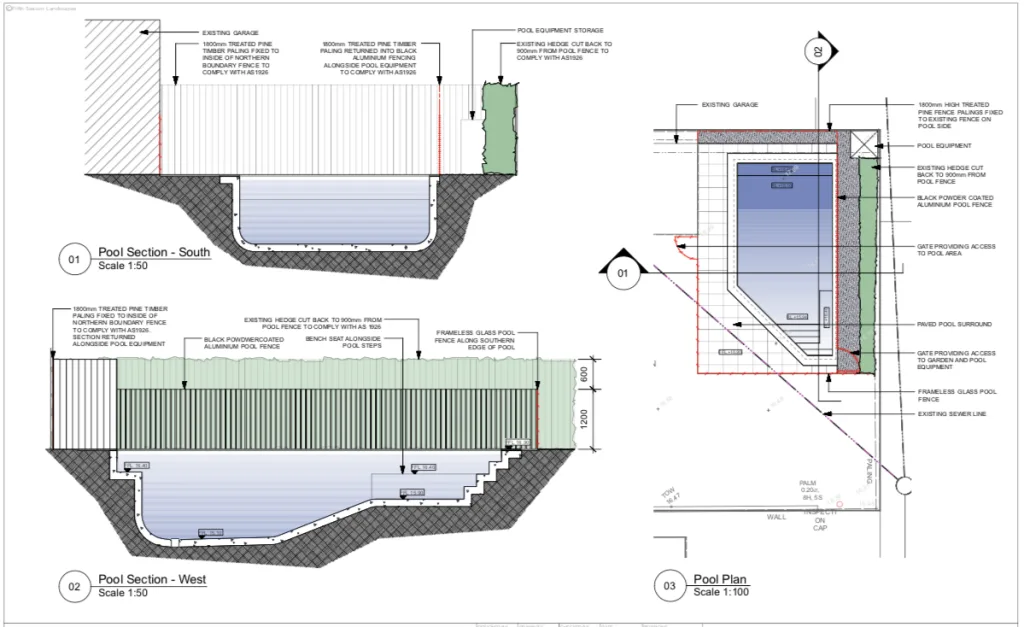
Image source: Bing (Web (fair-use with source credit))
The Balancing Act: Structural Stress vs. Proper Installation
Installing an above-ground pool on anything less than perfectly level ground introduces a fundamental challenge: uneven weight distribution. Think of your pool as a giant, flexible bowl filled with thousands of gallons of water. Gravity pulls that water down, and if one side of the bowl is lower than the other, the outward pressure from the water will be greater on that lower side.
Manufacturer specifications for above-ground pools almost universally call for a perfectly level installation site. This ensures the weight of the water is distributed evenly across the pool floor and the supporting walls. When a pool is installed on a slope without proper leveling or support, several critical issues can arise:
- Wall Collapse: The lower wall section experiences much greater hydrostatic pressure. This can cause the wall to bow outwards and eventually collapse, especially if the ground beneath it is unstable or hasn't been adequately prepared.
- Frame Damage: The supporting legs or frame of the pool are designed to bear weight uniformly. On a slope, certain legs might bear significantly more load than others, leading to bending, buckling, or failure.
- Leakage: The constant uneven pressure can stress the pool liner, particularly at the seams or where it meets the wall. This can lead to slow leaks that are difficult to pinpoint and repair.
- Water Level Issues: The water will naturally settle to the lowest point, meaning one side of the pool will have a higher water level than the other. This not only looks bad but exacerbates the pressure issues.
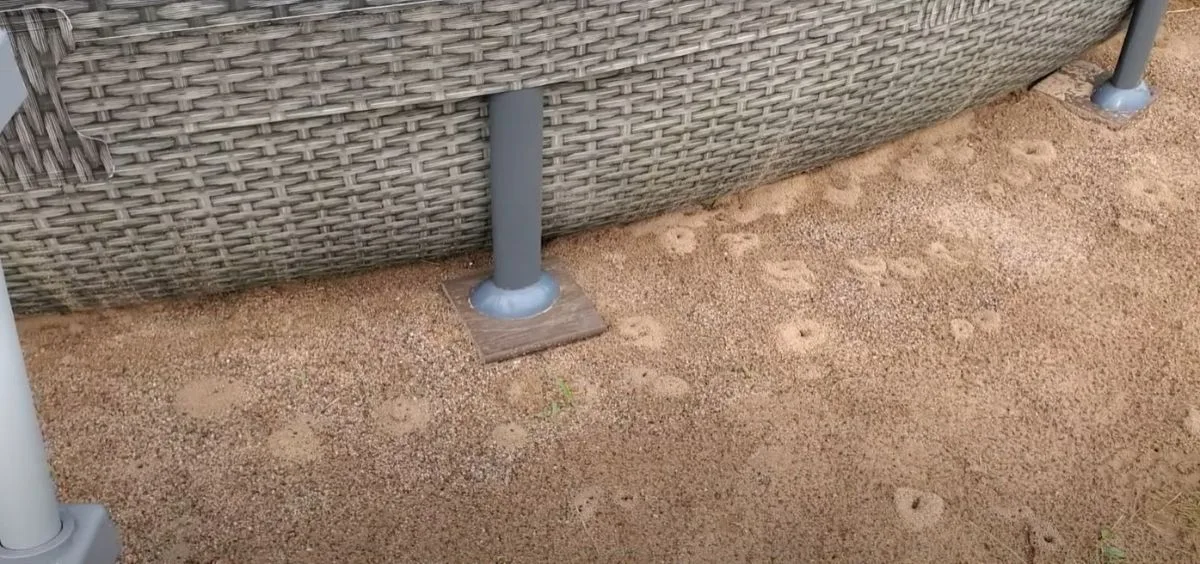
Image source: Bing (Web (fair-use with source credit))
To counteract this, the site preparation discussed previously becomes paramount. Excavating the high side and leveling the base, or building a robust retaining wall, aims to recreate that uniform foundation. The goal is to trick the pool into thinking it's on level ground, even though the surrounding yard is not.
As of 2026, pool manufacturers are increasingly emphasizing the importance of professional installation for complex sites to avoid these risks.
Common Pitfalls and How to Dodge Them
Even with the best intentions, several mistakes can derail an above-ground pool installation on a slope. Awareness of these common pitfalls is your first line of defense.
- Underestimating the Slope: Simply eyeballing a slope is rarely accurate. Failing to get precise measurements means you might not excavate enough or might try to level an impossibly steep grade. Always measure accurately.
- Insufficient Excavation: Not digging deep enough into the high side means the pool base won't be truly level, or it will require excessive material to build up the low side, potentially leading to instability.
- Poor Compaction: Simply dumping sand or gravel and calling it a base isn't enough. Each layer of material needs to be thoroughly compacted to prevent settling over time. Settling means the base is no longer level.
- Ignoring Drainage: Water is the enemy of foundations. If water pools around or under the pool, it can erode the soil, destabilize the base, and cause the pool structure to shift. Proper drainage channels or grading away from the pool are essential.
- Over-reliance on "Leveling Kits": While some kits exist, they are generally designed for minor adjustments on almost-level ground, not for significant slopes. They can't compensate for the structural forces at play on a steep incline.
- Skipping Manufacturer Guidelines: Most above-ground pool manufacturers have very specific installation requirements, almost always mandating a level surface. Deviating from these guidelines can void your warranty and lead to premature failure.
When to Call in the Pros (And When DIY Might Be Okay)
Deciding whether to tackle an above-ground pool installation on a slope yourself or hire a professional involves weighing your skills, tools, and the complexity of the job. For most sloping sites, leaning towards professional help is the safer bet.
DIY Might Be Okay If:
- The Slope is Very Mild (0-2%): You can likely manage with basic landscaping tools and a good spirit level, perhaps needing just a few bags of sand or leveling gravel.
- You Have Construction Experience: If you're comfortable with excavation, basic grading, and potentially building simple structures.
- You Have the Right Tools: Access to excavators, compactors, and precise leveling equipment is crucial for anything beyond a minimal slope.
Definitely Call a Professional If:
- The Slope is Moderate to Steep (Over 4-6%): This is where significant excavation, retaining walls, or terracing might be needed. Professionals have the heavy equipment and expertise to do this safely and effectively.
- You Need to Build a Retaining Wall: Especially if it's over 3-4 feet tall, which often requires permits and engineering.
- You're Unsure About Soil Stability: Professionals can assess your soil type and recommend the best foundation and support methods.
- You Want to Protect Your Investment: A poorly installed pool can lead to costly repairs or complete replacement. Professional installation, especially on challenging terrain, offers peace of mind and often comes with a warranty.
Many pool manufacturers offer installer referral programs or recommend certified installers who are experienced with various site conditions. Investing in a professional for the site prep and leveling phase can save you a lot of headaches and potential disaster down the line.
Costs / Pricing / Data / Specs
When you're looking at installing an above-ground pool on a slope, the cost can climb significantly higher than a level installation. This isn't just about the pool itself anymore; it's about the specialized labor and materials needed to make it safe and stable. The primary cost driver is the site preparation.
- Excavation: If you need to excavate a significant amount of earth, hiring a mini-excavator or skid steer, along with an operator, can range from $500 to $2,000 or more, depending on the depth and complexity.
- Retaining Walls: Materials for a simple timber retaining wall can add $500-$1,500, while more substantial block or concrete walls can easily cost $3,000-$10,000+, including labor and proper drainage systems.
- Leveling Materials: While sand and gravel are relatively inexpensive, the sheer volume needed for a large pool on a slope can add up. Budget $200-$600 for these materials alone.
- Professional Installation Fees: A professional installer experienced with sloping sites will charge a premium. Expect to pay anywhere from $1,500 to $5,000+ for installation on a slope, compared to $500-$1,000 for a level site.
These figures are estimates and can vary widely based on your location, the size of the pool, and the severity of the slope. Always get multiple quotes from qualified professionals.
Expert Tips / Pro Advice
Beyond the basic steps, seasoned installers offer insights that can save you trouble and ensure a lasting installation. One key tip is to consider the long-term impact of water runoff. Even with good initial grading, heavy rains can still cause erosion around the pool.
- Plan for Drainage: Ensure water is directed away from the pool's foundation. This might involve minor grading, French drains, or strategically placed landscaping.
- Over-excavate Slightly: It's better to have a bit too much level space than not enough. This gives you room for adjustments and a buffer zone.
- Compact in Lifts: When adding gravel or sand for the base, compact each 4-6 inch layer thoroughly before adding the next. This prevents future settling.
- Check the Level Constantly: Don't just check the level once. Check it from multiple angles and at different stages of the installation process.
- Use a Quality Pool Pad: Underneath the pool liner, a specialized pool pad or ground cloth adds an extra layer of protection against punctures and can help smooth out minor imperfections in the base.
Safety / Legal / Compliance / Warnings
Installing an above-ground pool, especially on a slope, comes with critical safety and legal considerations. Failing to address these can lead to serious injury, property damage, or fines.
- Manufacturer's Warranty: As mentioned, most manufacturers require installation on a level surface. Deviating from this can void your warranty. Always review your pool's specific installation manual before starting.
- Local Building Codes: Many municipalities have regulations regarding pool installation, including requirements for fencing, setbacks from property lines, and safety barriers. If you're building retaining walls or doing significant excavation, permits are often required. Check with your local building department.
- Structural Integrity: The primary safety concern is structural failure due to improper leveling or inadequate support. A collapsing pool can cause significant damage to surrounding property and pose a serious injury risk.
- Electrical Safety: Ensure all electrical components for pool pumps and filters are installed by a qualified electrician, adhering to local codes (like NEC Article 680 in the US) for pools and spas. Ground-fault circuit interrupter (GFCI) protection is mandatory.
- Fencing and Access: Many areas require safety fencing around pools to prevent unsupervised access by children. Check your local ordinances for specific height, gate, and latch requirements.
Maintenance / Long-Term Optimization
Once your pool is successfully installed on its prepared site, routine maintenance is key to ensuring its longevity and safe operation, especially given the initial challenges of a sloped installation. The steps are similar to any above-ground pool, but with a heightened awareness of the foundation.
- Regular Water Testing: Keep your pool water balanced. Improperly balanced water can corrode pool components or damage the liner over time. Test pH, alkalinity, and sanitizer levels weekly.
- Keep the Area Clean: Regularly clear leaves, debris, and any encroaching vegetation from around the pool. This helps prevent clogs in skimmers and filters and reduces the risk of erosion impacting the foundation.
- Inspect the Foundation Periodically: Even with proper initial setup, it's wise to check the ground around the pool for any signs of shifting, erosion, or settling annually. Look for gaps forming between the pool base and the ground.
- Winterization: Proper winterization protects your pool during colder months. This typically involves draining some water, removing debris, and adding winterizing chemicals. Follow your pool manufacturer's specific winterization guide.
- Filter Maintenance: Clean or backwash your pool filter regularly according to the manufacturer's instructions. A clean filter ensures efficient water circulation and clarity.
Frequently Asked Questions About Pools on Slopes
How long does it take to install an above-ground pool on a slope?
Installation time can vary greatly. A basic installation on a very slight slope might take 1-2 days. However, if significant excavation, grading, or retaining wall construction is needed, the site preparation alone could take several days to a week or more, followed by the pool assembly itself.
Can I use dirt to level a slope for my pool?
While dirt is used in the process, it's usually not the primary leveling material for the pool's immediate base. Compacted gravel and sand provide a much more stable and uniformly level foundation that resists settling far better than loose soil.
What happens if my pool isn't perfectly level?
An unlevel pool puts uneven stress on its walls and frame. This can lead to structural damage, leaks, premature wear on components, and even wall collapse. The water will also sit unevenly, which isn't aesthetically pleasing and can exacerbate pressure issues on the lower side.

