

Image source: Web (Bing) / manuals.plus (Web image (fair-use with source credit))
Can a Wet/Dry Vacuum Pick Up Dust? Yes, But Only With the Right Setup
Most people grab a wet/dry vacuum and assume it handles every mess the same way. That's not quite how it works. The real answer to "Can a wet/dry vacuum pick up dust?" is yes, but only if you've matched the filter to the dust you're dealing with.
The stakes go beyond a dusty floor. Fine particles like silica and drywall powder can slip through a standard filter and hang in the air you breathe. As of 2026, OSHA's permissible exposure limit for respirable crystalline silica is 50 µg/m³ over an eight-hour shift, a threshold a generic shop vac won't meet without the right setup.
Let's break down exactly what you need.
Quick Answer
Yes, a wet/dry vacuum can pick up dust. You need the right filter and setup. Use a HEPA filter for fine dust.
Add a filter bag for large amounts of powder. Standard filters are only good for coarse debris.
1. The Short Answer: Yes, But It Depends
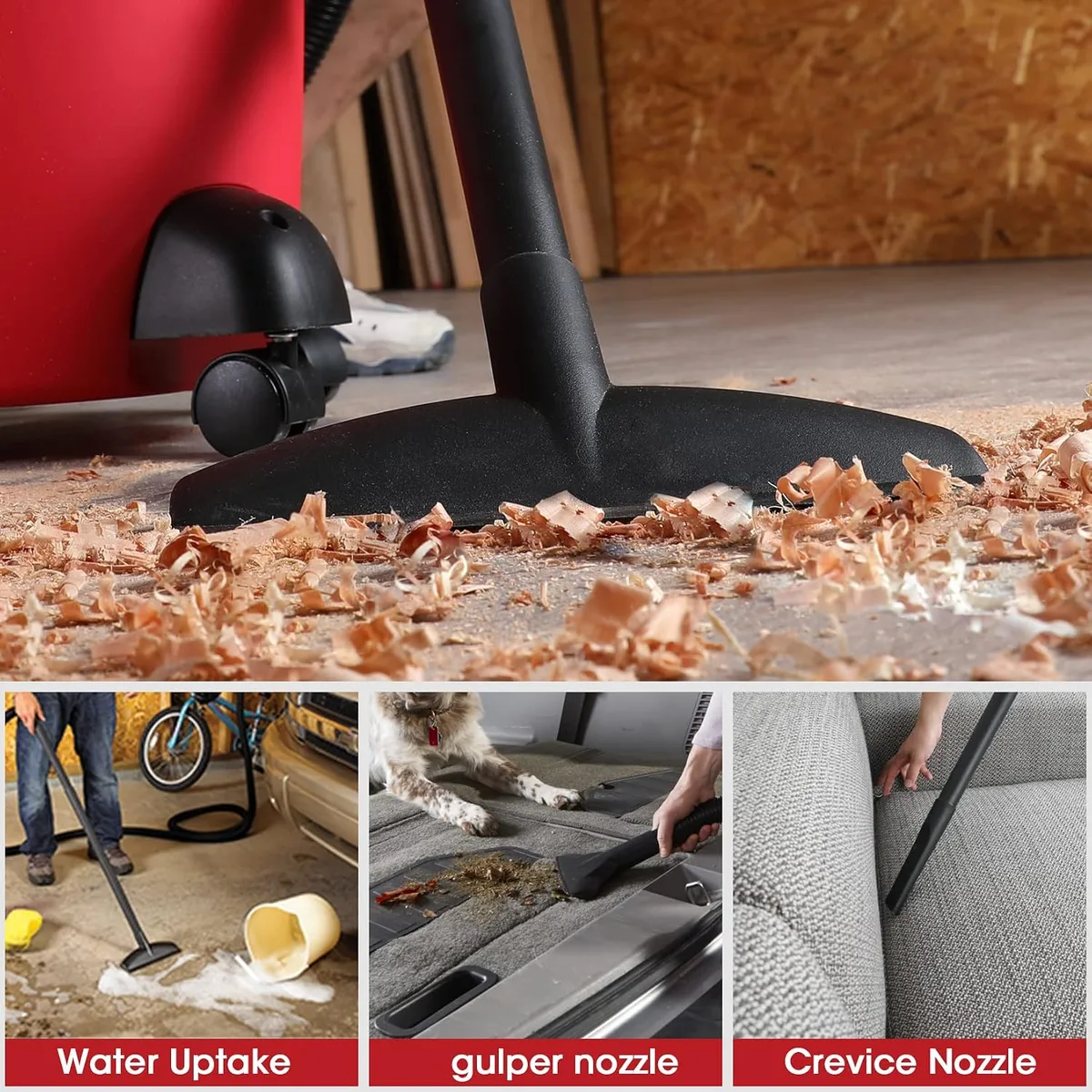
Think of a wet/dry vac as a generalist. It handles nails, wet spills, and wood shavings without complaint. It will even pick up dust.
But there's a catch.
Coarse dust like sawdust is easy. It's heavy and settles quickly. Fine dust like drywall powder or concrete is a different story.
Those particles are measured in microns, they stay airborne longer, and they pass straight through cheap filters.
So the honest answer is: yes, it picks up dust, but it might just blow the finest particles right back into the room.
| Dust Type | Standard Filter | HEPA Filter + Bag | Dust Extractor |
|---|---|---|---|
| Coarse sawdust | Works well | Works well | Works well |
| Household dust | Works, clogs faster | Good for allergies | Overkill |
| Drywall / plaster | Blows fine dust out | Acceptable | Best choice |
| Concrete / silica | Unsafe | Required | Required |
| Fireplace ash | Fire risk | Fire risk | Dedicated ash vac |
2. What Actually Happens When You Vacuum Dust
Understanding the inside of a shop vac explains everything. The motor creates negative pressure that pulls air through the hose. Fast-moving air carries dust along with it.
Inside the drum, heavy debris drops to the bottom. Lighter, finer dust stays suspended in the air stream. That air gets pushed through the filter and then out the motor exhaust, back into your room.
Here's the problem. A standard pleated cartridge filter catches particles down to about 2 to 5 microns. That's good, but not perfect.
Dust under one micron can slide right through. You won't see it happen, but you'll taste it in the air afterward.
3. Is It Just Everyday Household Dust?
If you're cleaning the usual layer of grime off your baseboards, relax. A standard wet/dry vacuum handles that fine. Household dust mostly ranges from 10 to 50 microns, which a stock filter grabs easily.
The tricky part is the fine end of the spectrum. Household dust also contains skin flakes, fabric fibers, and pollen. Some particles measure under 10 microns and stay airborne longer.
If anyone in the house has allergies, the exhaust from a shop vac can make the air worse.
A HEPA filter fixes this. HEPA stands for High-Efficiency Particulate Air, and it must capture 99.97% of particles at 0.3 microns. That's the hardest size for filters to catch.
For allergy sufferers, swapping the stock filter for a HEPA model is a meaningful upgrade.
4. Dealing With Fine or Hazardous Dust
Now we're in territory where mistakes can hurt you. Fine dust isn't just a nuisance. At a microscopic level, it can damage your lungs.
Drywall and plaster dust are fine and powdery. A standard shop vac filter clogs within minutes. Worse, the particles that pass through the filter end up as a haze in the room.
You'll spend hours wiping surfaces after you finish vacuuming. Use a filter bag plus a HEPA filter to keep the air clean.
Concrete and silica dust are the real dangers. Crystalline silica is released when you cut or grind concrete, brick, or stone. Per OSHA, inhaling respirable silica can cause silicosis, an irreversible lung disease.
A standard shop vac with a pleated filter does not meet OSHA's silica rule. You need a HEPA vacuum or a dust extractor that matches the standard.
Lead paint dust is another serious hazard. The EPA's RRP rule requires a HEPA vacuum for renovations in pre-1978 homes. Using a shop vac that blows dust back out just spreads the problem.
Fireplace ash is hazardous in two ways. It's incredibly fine, and it can stay hot for hours. Vacuuming warm ash into a plastic drum is a fire risk.
Use a dedicated ash vacuum with a metal drum and fireproof hose instead.
5. Decision Guide: Match Your Dust to the Right Setup
Ask yourself three questions before you start. What kind of dust is it? How often will you do this?
Who's breathing the air afterward? The answers lead you straight to the right setup.
If you're cleaning coarse sawdust: use your standard cartridge filter. Add a cyclone separator if you want to stretch filter life.
If you're doing occasional drywall sanding: upgrade to a HEPA filter and install a filter bag. This catches the bulk of the powder and scrubs the exhaust.
If you're cutting concrete or masonry: you need a certified HEPA vacuum or dust extractor. In the EU, these are rated L, M, or H class. In the US, look for one that states it meets OSHA's silica dust rules.
If you're vacuuming wet spills: remove the paper cartridge filter and install the foam sleeve. Paper filters fall apart in seconds when they get wet.
If you're cleaning a fireplace: skip the shop vac entirely. Get a dedicated ash vacuum with a metal drum.
6. Setting Up for Fine Dust Pickup (Step-By-Step)
Proper setup takes about five minutes and saves you an afternoon of re-cleaning. Here's the sequence.
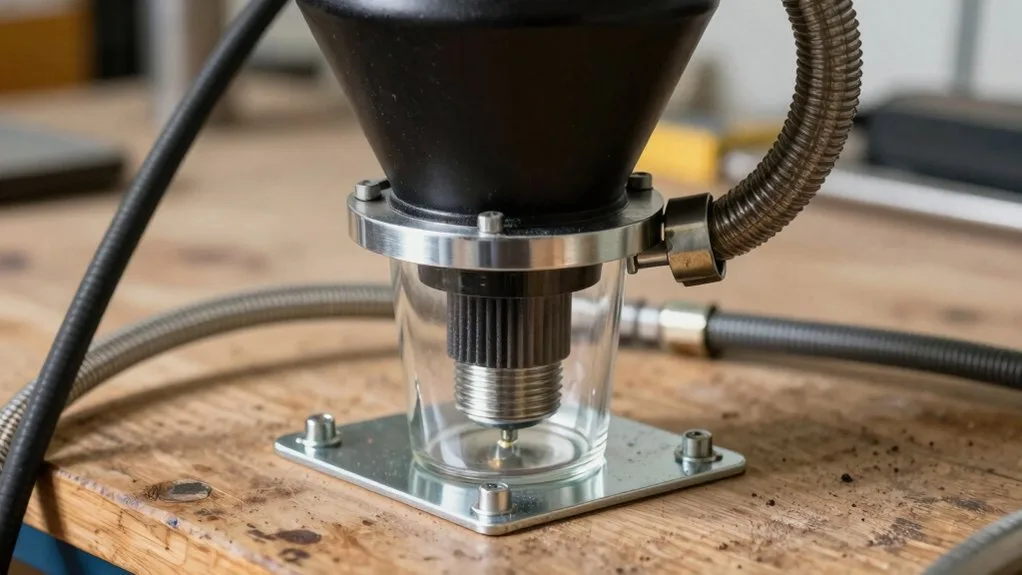
Image source: Web (Bing) / artofit.org (Web image (fair-use with source credit))
Step 1: Check your filter. If it's caked or torn, replace it. A clogged filter kills suction faster than any motor issue. For fine dust, swap in a HEPA filter now.
Step 2: Install a filter bag. Slide it over the intake port inside the drum. A felt bag catches the powder before it reaches the cartridge filter. This keeps airflow strong throughout the job.
Step 3: Seal the lid and connections. Inspect the rubber gasket for cracks. Check that all latches click. Fine dust finds any gap.
Run your hand along the seam while the vac is on and you will feel escaping air if something's loose.
Step 4: Use a brush or flat nozzle. For drywall dust, a brush attachment scrapes the surface without pushing powder around. Skip the squeegee nozzle on dry floors. Wide hose diameter delivers better airflow.
Step 5: Empty the drum outdoors. Carry the whole tank outside before opening it. Dump the contents into a trash bag, not onto your garage floor. Spraying a light mist of water into the bag before emptying helps keep particles settled.
7. Bagged vs. Bagless vs. Cyclone Separator
Each option changes how your vac behaves with dust. Here's the quick breakdown.
Bagged operation is the best choice for fine dust. A felt or paper bag catches the powder before it reaches the filter. That means less clogging and cleaner exhaust air.
The trade-off is cost, around $1 to $3 per bag. For big drywall jobs, it's worth every penny.
Bagless operation is fine for coarse debris like wood shavings. The cartridge filter gets hit with everything, so you'll clean it more often. Fine dust finds its way through a bagless setup quicker.
If you do regular fine-dust work, skip it.
Cyclone separators sit between the hose and the drum. They spin the air in a vortex that drops heavy dust into a separate bucket first. The main filter stays much cleaner, so suction holds longer.
Aggregate reviews consistently rate them as a top upgrade for woodworkers. They cost $40 to $90, and they work well.
8. Filters Explained: Cartridge, HEPA, and Everything Between
The filter is the real workhorse. The motor just moves air. Here's what each type does.
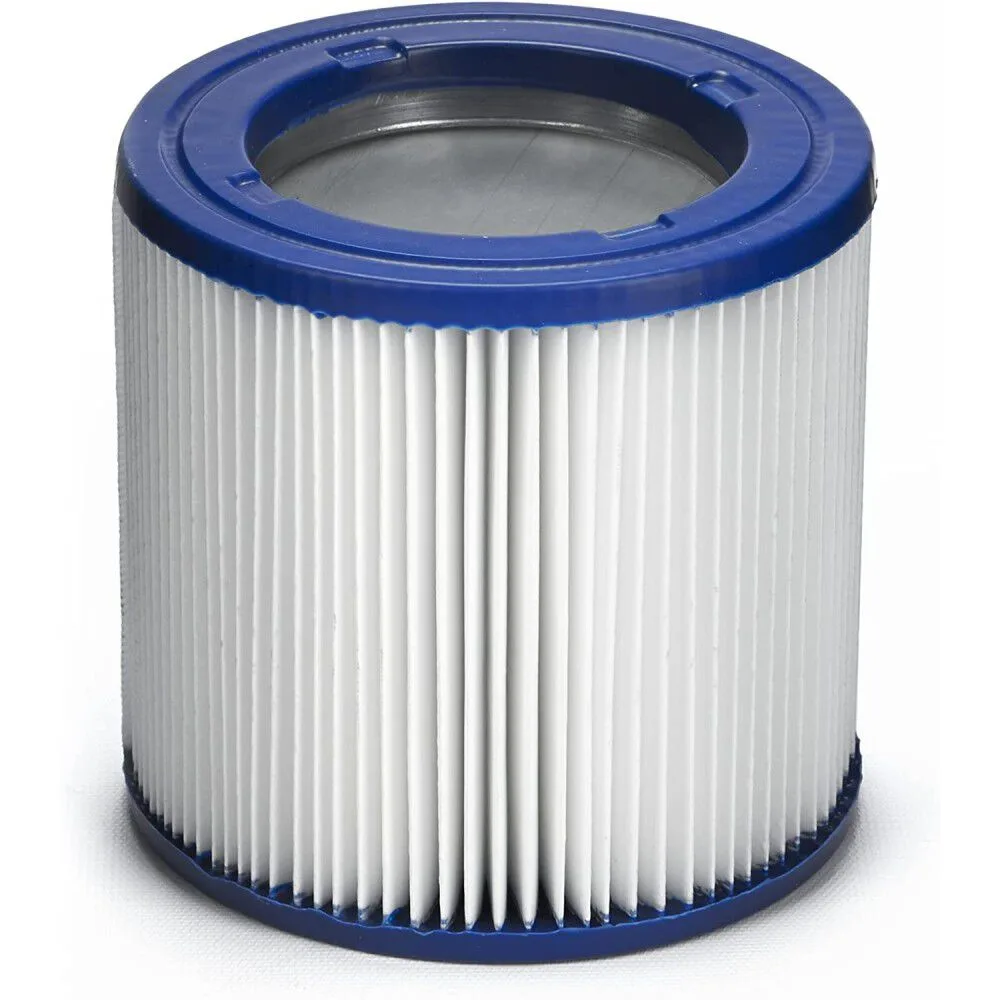
Image source: Web (Bing) / sansujyuku.com (Web image (fair-use with source credit))
Pleated paper cartridge filters ship with most shop vacs. They're great for sawdust and coarse debris. They clog quickly with fine powder, and they're not for wet pickup unless you have a specific wet-rated model.
HEPA filters meet a strict standard. They capture at least 99.97% of particles at 0.3 microns. They're the right choice for allergy households and post-renovation cleanup.
But a HEPA filter only works if the entire vacuum is sealed. A leaking lid gasket or cracked hose defeats the whole system.
Foam sleeve filters are for wet pickup. They block water and slurry from reaching the cartridge filter. They cannot catch fine dry dust, so switch back once the mess is dry.
Filter bags act as the first line of defense. They catch the bulk of the dust before it reaches the cartridge. Without a bag, fine dust plugs the cartridge pores and airflow drops fast.
It's the single cheapest way to improve dust performance.
9. Mistakes to Avoid: Don't Make These Dusty Blunders
Even with a good filter, people make these mistakes all the time. Here's what to avoid.
Mistake 1: Using a dry filter for wet pickup. Paper cartridge filters turn to mush. One wet spill and you're buying a new filter. Switch to the foam sleeve first.
Mistake 2: Thinking a HEPA filter means a sealed vacuum. It doesn't. The filter might be HEPA, but if the lid doesn't seal, fine dust escapes anyway. Look for "sealed system" or "sealed HEPA" when you buy.
Mistake 3: Letting the filter cake over. When suction drops, you push harder and kick more dust into the air. Clean or replace the filter when airflow drops.
Mistake 4: Vacuuming hot ash with a shop vac. Those embers are still warm. A plastic tank can melt, and a spark can ignite the dust in the bag. Use a dedicated ash vacuum.
Mistake 5: Emptying the drum indoors. Fine dust poofs straight back into the air. Always carry the drum outside, and wear an N95 mask for hazardous dust.
10. Can a Wet/Dry Vac Be Your Only Dust Tool?
For a weekend DIYer, yes. A shop vac with a good filter handles sawdust, household dust, and occasional drywall work. It's the budget-friendly option that covers 80% of needs.
For a professional or frequent renovator, no. Cutting concrete or cleaning lead paint demands a certified dust extractor. These machines have sealed systems and self-cleaning filters that handle heavy dust loads all day.
They cost more, but they protect your lungs properly.
11. Quick Reference: Wet/Dry Vacs vs. Dust Extractors
Here's how they stack up, based on manufacturer specs and aggregate review data.
| Factor | Wet/Dry Vac | Dust Extractor |
|---|---|---|
| Price range | $40–$300 | $400–$1,500+ |
| Filtration | Cartridge or optional HEPA | HEPA standard, sealed system |
| Capture rate at 0.3 µm | 99.97% (with HEPA) | 99.995%+ (H-class) |
| Airflow | 80–200 CFM | 100–150 CFM (more consistent) |
| Filter cleaning | Manual tap or shake | Automatic pulse or reverse jet |
| Wet pickup | Yes (with foam sleeve) | Some models, not all |
| Best for | Coarse debris, light dust | Fine dust, silica, continuous work |
12. Frequently Asked Questions
Can a shop vac pick up drywall dust?
Yes, but only with a HEPA filter and a filter bag. Without them, fine dust passes through the stock filter and blows back into the air. Empty the drum outside and wear a mask.
Is it safe to vacuum sawdust with a shop vac?
Yes, for most situations. Sawdust is coarse and settles quickly. Standard filters handle it fine.
Add a cyclone or filter bag for sanding dust to keep suction strong.
Do I need a HEPA filter for regular house dust?
For simple dusting, no. The stock paper filter catches visible particles fine. But if anyone has allergies, a HEPA filter is a meaningful upgrade.
Can I use a wet/dry vac for ash?
You shouldn't. Ash retains heat for many hours and can contain glowing embers. Use a dedicated ash vacuum with a metal drum and fireproof hose.
Wait 48 hours after the last fire if you're in a pinch.
How do I know if my vacuum is leaking dust back into the air?
Run the vacuum and hold your hand around the lid and hose connections. If you feel air escaping, something's loose. Check the gasket and latches.
Also, watch the exhaust vent for powder as you vacuum.
13. Final Verdict: What Should You Do?
Here's the plain truth. A wet/dry vacuum picks up dust reliably when you set it up for the dust you're facing. Coarse sawdust is a non-issue.
Fine drywall dust demands a HEPA filter and a bag. Hazardous silica dust demands a certified extractor.
Minimum setup for weekend warriors: stock wet/dry vac, a cartridge filter, and a pack of filter bags for fine jobs. Add an N95 mask.
Worth-the-money upgrades: a HEPA replacement filter, a cyclone separator, and a spare foam sleeve for wet spills.
When to step up to a proper extractor: you cut concrete more than twice a month, you work in construction professionally, or you're cleaning lead paint dust.
You don't need to throw away a functioning shop vac. You just need to match the filter to the task. That turns a $100 vacuum into a capable dust collection tool that keeps your air clean and your lungs safe.
And if you're dealing with suction issues, it's worth checking whether the motor or hose is the culprit before you blame the filter.

