Can A Vacuum Cleaner Really Conquer Pet Hair On Rugs?
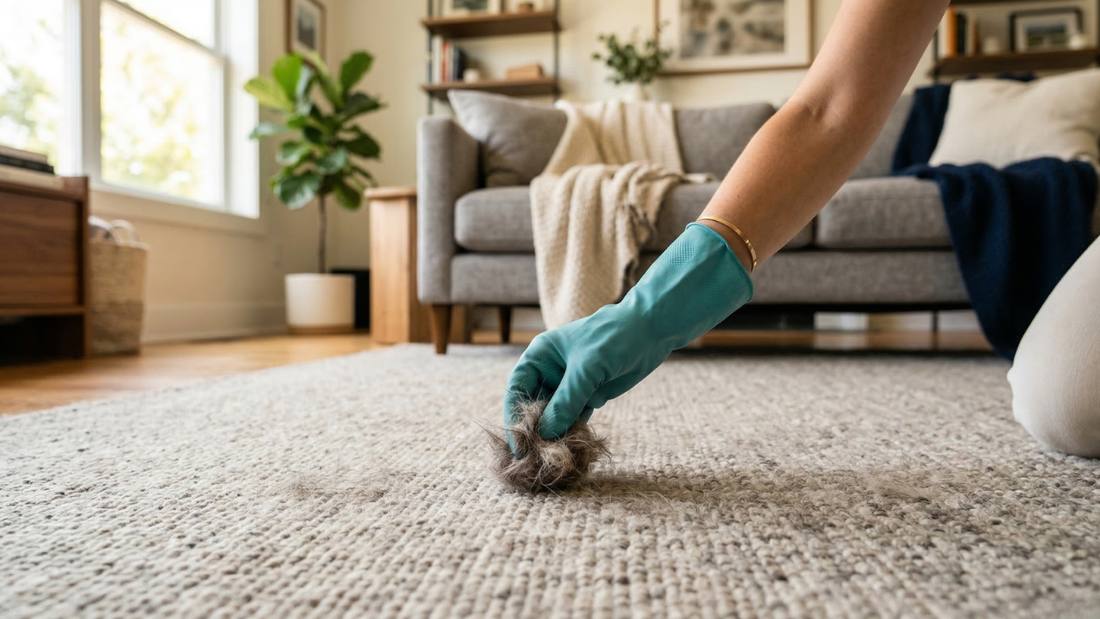
Pet hair on rugs is a common frustration for animal lovers. It clings to fibers, making carpets look untidy and potentially triggering allergies. Many pet owners wonder if their trusty vacuum cleaner is enough to tackle this persistent problem. The good news is, with the right vacuum and technique, you absolutely can remove pet hair from rugs effectively.
However, not all vacuums are created equal when it comes to pet hair. The type of rug also plays a significant role in how easily the hair can be removed. Understanding these factors will help you make the most of your cleaning efforts and keep your home looking and feeling fresh.
The Science Of Pet Hair And Rugs
Pet hair has a unique way of embedding itself into carpet fibers. Dog and cat hairs are often barbed or have a texture that allows them to grip onto materials like rug fibers. The deeper the pile of your rug, the more surface area there is for these hairs to attach to.
Furthermore, static electricity can build up between the hair and the rug fibers, creating a stronger bond. This is why simply running a standard vacuum over the surface might not be enough. You need a vacuum with the right suction power, brush roll design, and filtration system to truly lift and trap that stubborn pet hair.
Key Features To Look For In A Pet Hair Vacuum
When choosing a vacuum cleaner specifically for pet hair, several features stand out as crucial for success on rugs. Prioritizing these will make a significant difference in your cleaning routine.
Powerful Suction
This is arguably the most important feature. Pet hair, especially when embedded in deeper rug piles, requires strong suction to be pulled out. Look for vacuums that advertise high Air Watts (AW) or a strong motor. This power helps to dislodge the hair from the fibers before the brush roll sweeps it away.
Effective Brush Roll
A good brush roll is designed to agitate the rug fibers and lift trapped hair. For pet hair, a stiff-bristled brush roll is often more effective than soft ones. Some vacuums offer specialized pet hair attachments with their own brush rolls, which can be incredibly useful for smaller areas or stairs.
Specialized Pet Tools
Many vacuums come with additional tools designed for pet owners. These might include a mini motorized brush tool, which is excellent for upholstery and smaller rug areas, or crevice tools that can reach deep into rug edges. These attachments provide targeted cleaning power where you need it most.
Strong Filtration System
Pet hair often comes with dander and allergens. A vacuum with a HEPA filter (High-Efficiency Particulate Air) is essential. This type of filter traps microscopic particles, including pet dander, dust mites, and pollen, preventing them from being released back into the air. This is particularly important for households with allergy sufferers.
Bagged Vs. Bagless
Both bagged and bagless vacuums can be effective. Bagged vacuums often offer better containment of allergens, as the hair and dander are sealed in the bag. Bagless vacuums can be more convenient, but emptying the dustbin needs to be done carefully to avoid releasing trapped particles back into the air.
How Rug Type Affects Hair Removal
The type of rug you have significantly impacts how easy it is to remove pet hair. Different rug materials and pile heights require slightly different approaches.
Low-pile Rugs
These rugs, like Berber or flat-weave carpets, generally make pet hair removal easier. The shorter fibers offer less resistance, and hair tends to sit closer to the surface. Most standard vacuums with decent suction can handle these effectively.
High-pile And Shag Rugs
These are the most challenging. The long, deep fibers create a cozy environment for pet hair to get deeply embedded. You’ll need a vacuum with exceptional suction power and an adjustable brush roll that can reach down into the pile without getting tangled. Sometimes, you may need to vacuum in multiple directions to loosen all the hair.
Material Matters
Natural fibers like wool can sometimes hold onto pet hair more stubbornly than synthetic materials. However, wool rugs are also often more durable and can withstand more vigorous vacuuming.
Best Vacuum Types For Pet Hair On Rugs
Different vacuum cleaner designs excel in different areas. For pet hair on rugs, certain types are generally more effective.
Upright Vacuums
These are a popular choice for homes with wall-to-wall carpeting. Many upright models are specifically designed with powerful pet hair suction and robust brush rolls. They offer a wide cleaning path, making them efficient for larger areas.
Canister Vacuums
Canister vacuums often provide excellent suction power and are very versatile. Their separate hose and wand allow for more control and access to different areas, including under furniture. Many come with specialized pet hair tools that make them highly effective on rugs.
Stick Vacuums
While some stick vacuums are lightweight and convenient, not all are powerful enough for deeply embedded pet hair on thick rugs. However, newer, high-end models are increasingly offering strong suction and effective brush rolls, making them a viable option, especially for smaller homes or quick cleanups.
Robot Vacuums
Robot vacuums can be great for daily maintenance to keep surface hair under control. However, they typically lack the deep-cleaning power of upright or canister vacuums needed to truly extract embedded hair from thicker rugs. They are best used as a supplementary cleaning tool.
Effective Vacuuming Techniques For Pet Hair
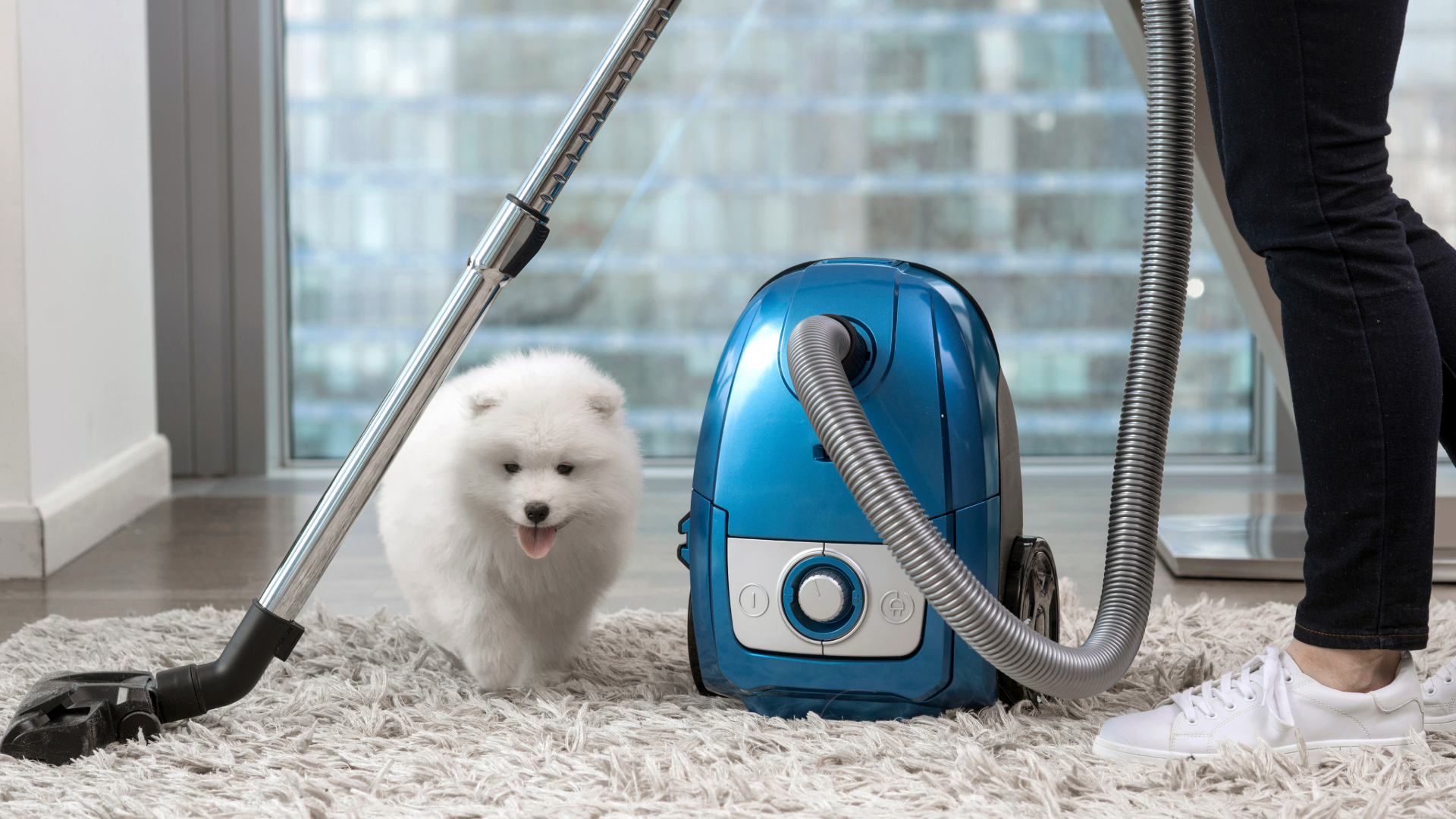
Having the right vacuum is only half the battle. Using the correct techniques will maximize your vacuum’s effectiveness on pet hair.
- Vacuum Slowly and Deliberately: Don’t rush. Moving the vacuum slowly allows the brush roll and suction time to work effectively, lifting more hair from the rug fibers.
- Go in Multiple Directions: Pet hair can get caught in fibers from various angles. Vacuuming in a crisscross pattern (e.g., north-south, then east-west) helps to dislodge more stubborn hairs.
- Use Specialized Attachments: For edges, stairs, or furniture near rugs, use the crevice tool or the mini motorized brush. These tools concentrate suction and agitation on smaller, harder-to-reach areas.
- Empty the Canister/Bag Regularly: A full vacuum loses suction power. Emptying the dustbin or changing the bag frequently ensures your vacuum operates at peak performance.
- Maintain Your Vacuum: Clean the brush roll regularly. Hair can wrap around it, reducing its effectiveness and potentially damaging the motor. Check filters and replace them as recommended by the manufacturer.
Beyond The Vacuum: Complementary Cleaning Methods
While a good vacuum is your primary weapon, a few other methods can help manage pet hair on rugs.
Rubber Brushes And Squeegees
For surface hair or smaller rug areas, a stiff-bristled rubber brush or a window squeegee can be surprisingly effective. Dragging these across the rug surface can gather loose hair into piles that are easier to vacuum up or pick up by hand.
Lint Rollers
Large, heavy-duty lint rollers are good for quick touch-ups on rugs or for picking up stray hairs before vacuuming. They are not a replacement for vacuuming but can help manage minor hair accumulation.
Regular Grooming
The best way to reduce pet hair on rugs is to minimize shedding in the first place. Regular brushing of your pets, especially during shedding seasons, will trap a lot of loose hair before it ever reaches your carpets.
Frequently Asked Questions

What Is The Best Type Of Vacuum For Thick, High-pile Rugs?
For high-pile rugs, look for upright vacuums with adjustable height settings and powerful suction. A strong, stiff brush roll is essential to agitate the deep fibers. Canister vacuums with specialized pet hair attachments can also be very effective.
How Often Should I Vacuum My Rugs For Pet Hair?
To keep pet hair under control, vacuuming at least twice a week is recommended, especially if you have multiple pets or high-shedding breeds. Daily spot cleaning with a robot vacuum can help maintain the surface.