

Can A Vacuum Cleaner Really Remove Pet Hair From Carpet?
Yes, a vacuum cleaner is your most effective tool for removing pet hair from carpets. While some hair might embed deeply, a good vacuum with the right attachments and settings can lift the vast majority of fur. The key lies in understanding how vacuums work and choosing the right one for your needs.
Pet hair can be a persistent problem for any animal owner. It clings to carpet fibers, hides in corners, and seems to multiply overnight. Many people wonder if their regular vacuum is enough or if special tools are needed. The good news is that modern vacuum technology offers excellent solutions for this common household challenge.
How Pet Hair Sticks To Carpet
Understanding why pet hair is so difficult to remove helps in choosing the right strategy. Pet hair has a unique structure that allows it to weave itself into carpet fibers. Many pet hairs are fine and have a slightly barbed or static surface, which helps them grip onto the carpet’s loops and pile. This grip is strengthened over time as people walk on the carpet, pressing the hair deeper.
Different types of carpet also affect how easily hair is removed. Low-pile carpets are generally easier to vacuum than high-pile or shag carpets. In high-pile carpets, the long fibers create more places for hair to get tangled and hidden. Additionally, static electricity can play a role, especially in dry environments, making the hair stick more firmly to the carpet.
:max_bytes(150000):strip_icc()/RSP_SharkNV356ES2NavigatorLift-AwayProfessionalUprightVacuumatAmazon_RM_12_2422-3x2-44491969acd747a59c5fcaa427e0d1e9.jpeg)
The Role Of Vacuum Cleaner Features
Not all vacuums are created equal when it comes to pet hair. Several features make a big difference in how well a vacuum performs. Strong suction power is the most crucial factor. This force pulls air and debris, including hair, up from the carpet.
Another vital feature is the brush roll, also known as a beater bar. This rotating brush agitates the carpet fibers, loosening embedded hair so the suction can pick it up. For pet hair, a brush roll with stiffer bristles or specialized designs can be more effective. Some vacuums have anti-tangle brush rolls specifically designed to prevent hair from wrapping around them, which is a common frustration.
Suction Power Explained
Suction power is often measured in Air Watts (AW), which indicates the vacuum’s efficiency in moving air and debris. While manufacturers may list this, it’s not always easy to compare directly between brands. Look for vacuums that are consistently rated highly for pet hair removal by independent reviews. High suction ensures that even deeply embedded hairs are lifted from the carpet fibers.
Brush Roll Design
The design of the brush roll is critical. Some brush rolls are made with a combination of bristles and rubber fins. The bristles help to sweep hair towards the suction, while rubber fins can grab and lift it. Specialized pet vacuum models often feature brush rolls with enhanced designs to handle the unique challenges of pet hair.
Filtration Systems
While not directly related to hair removal, a good HEPA (High-Efficiency Particulate Air) filter is important for pet owners. Pet hair can carry dander, allergens, and odors. A HEPA filter traps these tiny particles, preventing them from being released back into the air, which improves indoor air quality.
Types Of Vacuums For Pet Hair
Different vacuum types offer varying levels of effectiveness for pet hair removal. The upright vacuum is a popular choice, especially for large carpeted areas. Many upright models come with powerful brush rolls designed for deep cleaning.
Canister vacuums offer flexibility, often with different attachments for various surfaces. Some canister vacuums have excellent suction and specialized pet hair tools. Cordless stick vacuums are convenient for quick cleanups but might lack the sustained power or robust brush roll needed for heavy pet hair. However, newer models are significantly improving in this area.
Robotic vacuums can help maintain cleanliness between deeper cleans. They are good for daily maintenance, especially in homes with minimal shedding, but may struggle with deeply embedded hair or large amounts of fur.
Upright Vacuums
Upright vacuums are workhorses for carpet cleaning. They typically have a wide cleaning path and a powerful motor combined with a brush roll. Many pet-specific upright models include features like self-cleaning brush rolls or enhanced suction settings for carpets.
Canister Vacuums
Canister vacuums separate the motor and dustbin from the cleaning head, making them lighter to maneuver. This design can be advantageous for reaching under furniture. Look for canister models with powered brush heads designed for carpets and a good selection of pet hair attachments.
Cordless Stick Vacuums
Cordless vacuums offer unparalleled convenience. Their battery life and suction power have improved greatly. For pet hair, choose models with strong suction, a motorized brush head, and good battery run time. They are excellent for quick daily cleanups but might not replace a corded vacuum for deep cleaning.
Robotic Vacuums
Robotic vacuums are great for daily maintenance. They can be programmed to clean regularly, keeping hair levels down. However, they often have smaller dustbins and less powerful brush rolls than traditional vacuums. They work best as a supplement to a more powerful vacuum.
Best Practices For Vacuuming Pet Hair
Simply owning a good vacuum isn’t enough; using it correctly is essential. Regular vacuuming is key to preventing hair from building up and becoming deeply embedded. Aim to vacuum carpets at least two to three times a week, or more often if you have pets that shed heavily.
When vacuuming, slow and steady passes are more effective than quick ones. This allows the brush roll to agitate the fibers and the suction to lift the hair. Go over high-traffic areas multiple times. Vary your vacuuming direction; vacuuming in different directions (e.g., north-south, then east-west) can help lift hairs trapped at various angles.
Regular Maintenance Of Your Vacuum
A vacuum cleaner needs maintenance to work efficiently. Empty the dustbin or bag regularly, ideally after each use. A full bin reduces suction power. Clean or replace the filters according to the manufacturer’s instructions. Clogged filters severely impact performance.
Check the brush roll for tangled hair and remove it. Hair wrapped around the brush roll prevents it from agitating the carpet effectively. Many vacuums have a small tool for cutting away tangled hair.
Using Attachments Effectively
Most vacuums come with various attachments. For pet hair on stairs, upholstery, or tight corners, specialized pet tools are invaluable. These often include mini motorized brush heads or crevice tools designed to capture hair.
A upholstery tool with a brush can be very effective on carpeted stairs and furniture. A crevice tool is useful for edges and corners where hair tends to accumulate.
When A Vacuum Might Not Be Enough
While vacuums are powerful, some situations might require extra effort. Deeply embedded hair in very old carpets or hair woven into thick shag carpets can be extremely difficult to remove completely with suction alone. In such cases, manual removal tools might be necessary as a first step.
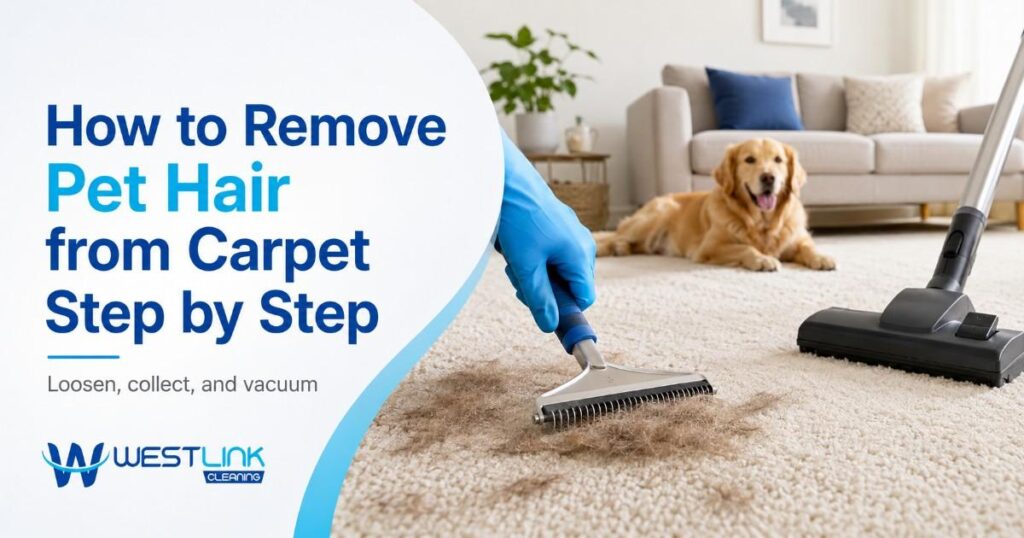
These tools include rubber brooms, squeegees, or specialized pet hair brushes. These tools work by creating friction and static electricity to pull hair out of the carpet before you vacuum. After using these tools, vacuuming will be much more effective.
Manual Pet Hair Removal Tools
Rubber tools are surprisingly effective. A rubber broom dragged across the carpet can gather hair into piles. Similarly, a squeegee can be used in a similar fashion. These tools create friction that pulls the hair from the carpet fibers.
Professional Cleaning
For extreme cases or periodic deep cleaning, professional carpet cleaning services can be beneficial. They have industrial-strength equipment and cleaning solutions that can tackle deeply embedded hair and stains.

Are Special “pet Vacuums” Worth It?
Vacuums marketed specifically for pet owners often come with enhanced features like stronger suction, better brush rolls, and specialized attachments. These features can make a noticeable difference. Many pet owners find these specialized vacuums are a worthwhile investment if they have multiple pets or pets that shed heavily.

