

Can a vacuum pick up wet pet hair? This is a common question for pet owners who deal with muddy paws or occasional accidents. While many standard vacuum cleaners are designed for dry debris, some can handle wet messes, including pet hair.
The answer depends heavily on the type of vacuum and its specific features.
Understanding how vacuums work is key. Most vacuums use suction to pull dirt and debris into a bag or canister. For wet messes, the vacuum needs to be able to safely contain and dispose of liquids without damaging its motor or internal components.
Pet hair, especially when wet, can clump together and be more difficult to suction than dry hair.
Standard Vacuum Cleaners And Wet Pet Hair
Most traditional vacuum cleaners, like uprights or canisters designed for dry use, are not suitable for picking up wet pet hair. Introducing liquid into a vacuum cleaner not built for it can cause serious damage. The motor can short-circuit, leading to a costly repair or replacement.
Why Dry Vacuums Can’t Handle Wet Messes
Dry vacuums typically have paper or cloth filters that can become saturated and clogged by liquids. This not only stops the vacuum from working but can also create a breeding ground for mold and mildew. The internal components are not sealed against moisture, making them vulnerable to corrosion.
Potential Risks Of Using A Dry Vacuum On Wet Hair
Using a standard vacuum on wet pet hair is a risky endeavor. Beyond damaging the vacuum, wet hair can create a sticky mess inside the machine. This mess can be difficult to clean and may leave behind unpleasant odors. It’s generally best to avoid this situation entirely with a dry-only vacuum.
Wet/dry Vacuums: The Pet Owner’s Solution
For pet owners who frequently deal with wet messes, a wet/dry vacuum is a much better option. These vacuums are specifically engineered to handle both dry debris and liquids. They are often called shop vacuums or wet vacs.
How Wet/dry Vacuums Work
Wet/dry vacuums have a different internal design compared to standard vacuums. They typically have a robust motor that is often sealed to protect it from moisture. The collection tank is designed to hold liquids without leaking or damaging the machine.
When using a wet/dry vacuum for liquids, you usually remove the dry filter and replace it with a foam sleeve or a special wet filter. This prevents the motor from being directly exposed to the liquid. After vacuuming, the tank can be easily emptied and cleaned.
Features To Look For In A Wet/dry Vacuum For Pet Hair
When choosing a wet/dry vacuum for pet hair, consider these features:
- Suction Power: Look for a vacuum with strong suction power, measured in Amps or CFM (Cubic Feet per Minute). Higher numbers mean more effective cleaning.
- Tank Capacity: A larger tank capacity means you can clean up more without emptying it frequently. For homes with multiple pets, a capacity of 4 gallons or more is often recommended.
- Hose Length and Attachments: A long hose and various attachments, like a crevice tool or a brush nozzle, will help you reach difficult spots and clean different surfaces effectively.
- Filtration System: While you use a different filter for wet messes, a good wet/dry vacuum will also have a decent filter for dry debris to capture fine dust.
- Durability: Since these vacuums are often used in demanding environments, look for models made from sturdy materials.
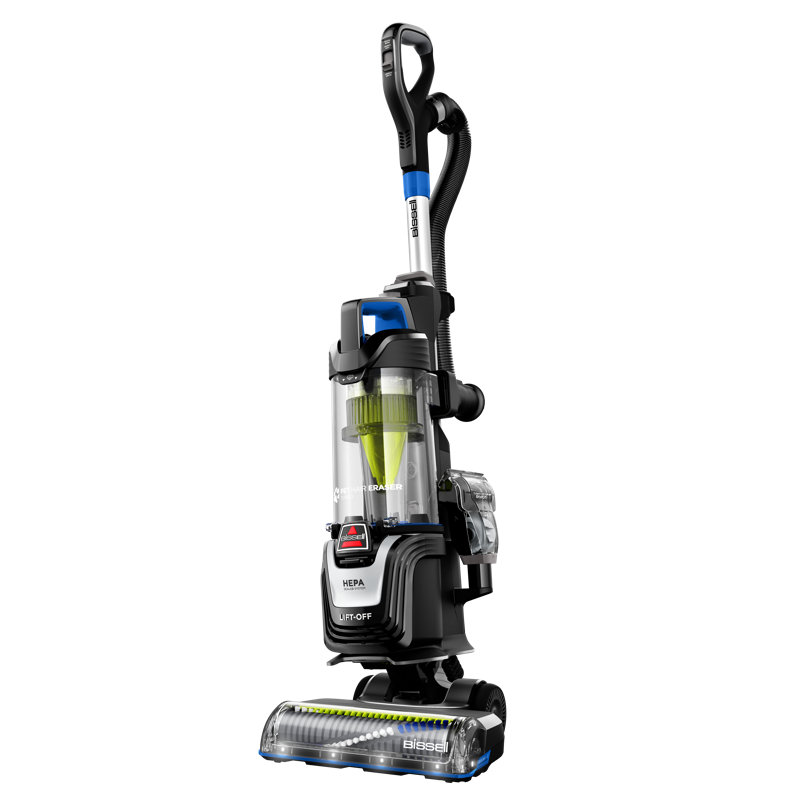
Can Your Current Vacuum Be Adapted?
In some cases, a standard vacuum might have a feature that allows it to handle *slightly* damp messes, but true wet vacuuming is rare. Some newer vacuums are marketed as “multi-surface” or “wet and dry” for carpets, but this usually means they can handle a small liquid spill on a carpet, not full submersion or large puddles.
The “damp” Vs. “wet” Distinction
It’s crucial to understand the difference between damp and wet. A damp rug might have some moisture, but a wet pet hair situation often involves more significant liquid. Most vacuums that claim to handle “damp” messes cannot handle standing water.
When To Call A Professional Or Use A Different Tool
If you have a significant wet mess with pet hair, it’s often best to blot up as much liquid as possible with towels first. For very large messes, a dedicated carpet cleaner or a wet/dry vacuum is the most effective solution. Trying to force a dry vacuum to do a wet job can lead to costly damage.
Specialized Pet Vacuums
Some vacuum brands offer specialized pet vacuums. While these are primarily designed for dry pet hair, some might have slightly better moisture resistance or easier-to-clean components. However, they are still not typically designed for full wet vacuuming.
What Makes A Vacuum “pet-friendly”?
Pet-friendly vacuums often feature:
- Strong suction to lift embedded pet hair from carpets and upholstery.
- Specialized brush rolls that resist hair tangles.
- Advanced filtration systems (like HEPA filters) to capture dander and allergens.
- Easy-to-empty canisters for quick cleanup of pet hair.
These features are great for dealing with dry pet hair but do not make them suitable for wet messes.

Maintenance After Vacuuming Wet Pet Hair
If you have successfully used a wet/dry vacuum for wet pet hair, proper maintenance is essential to keep it working well and prevent odors.
Cleaning The Tank And Filters
After emptying the tank, rinse it thoroughly with water. Use a mild soap if necessary to remove any residue. Make sure the tank is completely dry before storing it. If you used a foam filter for wet pickup, clean it according to the manufacturer’s instructions. If you used a dry filter, ensure it’s completely dry before reinserting it for dry vacuuming.
Preventing Odors
Pet odors can linger if the vacuum isn’t cleaned properly. Ensure all parts that came into contact with the liquid are dried completely. Some wet/dry vacuums have washable filters, which can help. You can also leave the tank lid open to air out.
Comparison Of Vacuum Types For Wet Pet Hair
Here’s a quick look at how different vacuum types handle wet pet hair:
| Vacuum Type | Can It Pick Up Wet Pet Hair? | Best For | Potential Issues |
|---|---|---|---|
| Standard Upright | No | Dry debris, carpets, hard floors | Motor damage, filter clogging, odor |
| Standard Canister | No | Dry debris, various surfaces | Motor damage, filter clogging, odor |
| Wet/Dry Vacuum | Yes | Liquids, dry debris, pet hair, workshops | Requires specific filter for wet use, cleaning needed |
| Handheld (Dry) | No | Small dry messes, quick cleanups | Motor damage, filter clogging |
| Robotic (Dry) | No | Regular dry floor cleaning | Severe motor damage, potential fire hazard |
Specific Considerations For Different Surfaces
When dealing with wet pet hair, the surface matters. Hardwood floors or tile can be wiped down after blotting. However, carpets absorb moisture and can be more challenging. A wet/dry vacuum is particularly useful for carpets as it can suck up the moisture and hair.

Advanced Features And Technologies
Some modern vacuums are incorporating features that might make them more resilient to minor dampness, but it’s still crucial to check the manual. For instance, some vacuums have washable components that are easier to clean after a spill.
Canister Vacuums With Water Filtration
A less common but effective type of vacuum is one that uses water filtration. These vacuums pull dirt and debris into a water-filled tank. The water traps dust and allergens, and it can also handle small amounts of liquid. However, they are not typically designed for large liquid spills and require thorough cleaning afterward.

