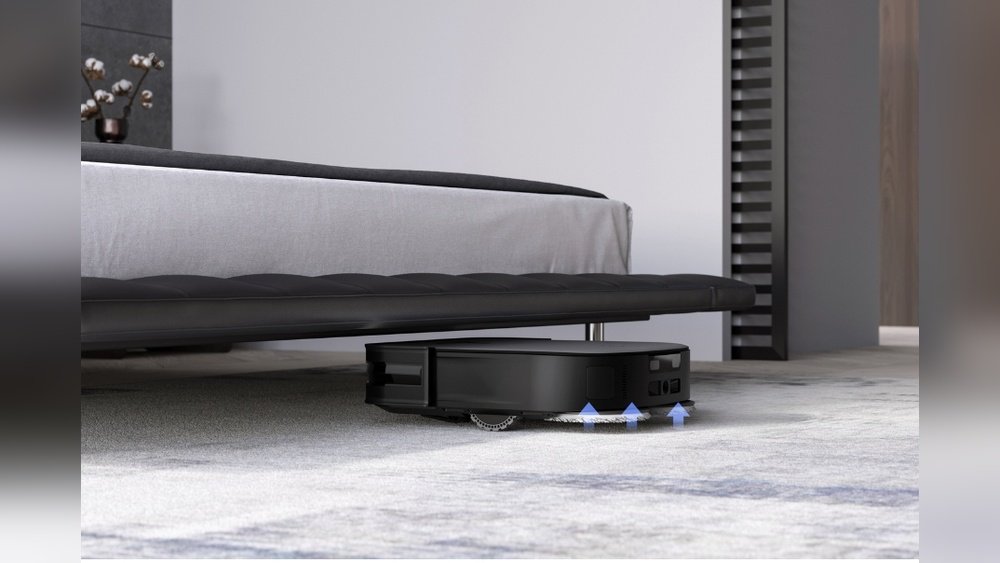
Have you ever wondered if your robot vacuum can really reach those dusty spots under your furniture? You’re not alone.
Many people struggle with keeping floors spotless in those hard-to-reach areas. Imagine a vacuum that glides effortlessly beneath your sofa, bed, or cabinets, cleaning without you lifting a finger. But is that just a dream, or can your robot vacuum actually do the job?
Keep reading to discover the surprising truth about how these smart machines handle cleaning under furniture—and what you can do to get the best results for your home.
Robot Vacuum Design And Dimensions
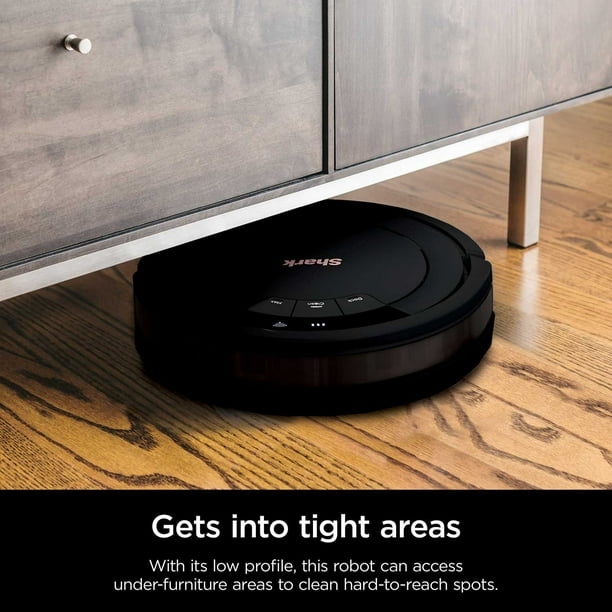
The design and size of a robot vacuum play a big role in its cleaning ability. These machines must fit under furniture to clean well. Their shape, height, and technology affect how well they reach tight spaces. Understanding these features helps you pick the right model for your home.
Height And Clearance Considerations
Robot vacuums vary in height. Most are about 3 to 4 inches tall. Furniture clearance is key. If the space under a sofa or table is less than the vacuum’s height, it cannot go under. Always measure your furniture’s clearance before buying a robot vacuum. Some models have low profiles made to slide under low furniture.
Slim Models Vs Standard Models
Slim models are thinner and shorter than standard ones. They fit better under beds and low sofas. These models often clean narrow spaces more easily. Standard models may have stronger motors but might miss areas under low furniture. Choosing between slim and standard depends on your home’s furniture height and cleaning needs.
Sensors And Navigation Technology
Robot vacuums use sensors to avoid obstacles and navigate rooms. Some have cliff sensors to prevent falls down stairs. Others use laser or camera-based navigation to map the room. Good sensors help the vacuum find tight spots under furniture. Smart navigation means fewer missed areas and better overall cleaning.

Types Of Furniture And Their Impact
Different types of furniture affect robot vacuum cleaning. The height and design of furniture decide if the vacuum can clean underneath. Some furniture offers easy access, while others block the way. Understanding furniture types helps choose the right robot vacuum.
Common Furniture Heights
Most furniture has legs that lift it off the floor. Chairs and tables often have 4 to 6 inches of space. Robot vacuums usually need at least 3 to 4 inches to fit. Low cabinets and dressers might be too close to the floor. Measuring furniture height helps know if the vacuum can clean below.
Furniture With Legs Vs Solid Bases
Furniture with legs creates open space underneath. Robots can easily slide under these pieces. Solid base furniture sits flat on the floor. The vacuum cannot pass under solid bases. Sofas with legs allow better cleaning access than those with solid skirts. Leg design can make a big difference.
Challenges With Sofas And Beds
Sofas and beds often have low clearance. Many are less than 4 inches from the floor. Some have solid sides or skirts blocking access. Robot vacuums may get stuck or miss spots under these. Adjustable legs or raising furniture can improve cleaning. Choosing vacuums with slim designs helps reach under.
Robot Vacuum Performance Under Furniture
Robot vacuums are designed to clean floors with little help. Their ability to reach under furniture is a key feature. This space often collects dust and dirt. Understanding how well robot vacuums perform under furniture helps buyers choose the right model.
Different models vary in height and design. Some slip under low-clearance furniture easily. Others struggle due to their size or shape. Performance depends on the vacuum’s build and smart sensors.
Cleaning Efficiency In Tight Spaces
Robot vacuums use slim designs to enter narrow areas. Low-profile models clean under beds and sofas well. Brushes and suction work to remove hidden dust.
Some vacuums miss corners and edges under furniture. Tight spaces limit their movement and cleaning reach. Small wheels and flexible parts improve access.
Obstacle Detection And Avoidance
Sensors help robots detect furniture legs and walls. They slow down or change direction to avoid collisions. This prevents damage to both the vacuum and furniture.
Advanced models map the room for better navigation. Simple robots may bump into objects more often. Sensor accuracy affects how well the vacuum cleans under furniture.
Potential Risks And Limitations
Robots can get stuck under low furniture with little clearance. Cords, small objects, or uneven surfaces also cause issues. Some vacuums stop and send alerts when trapped.
Not all models clean deeply under furniture. Dirt may remain in hidden corners. Choosing the right vacuum size and features reduces risks.

Tips To Improve Cleaning Under Furniture
Cleaning under furniture can be a challenge for robot vacuums. Many homes have sofas, beds, and tables with tight spaces underneath. These spots collect dust and dirt easily. Improving robot vacuum access helps keep these hidden areas clean. Follow these simple tips to boost your vacuum’s performance under furniture.
Measuring Furniture Clearance
Start by measuring the space between the floor and furniture bottom. Use a ruler or tape measure for accuracy. Note the height in inches or centimeters. Compare this with your robot vacuum’s height. This helps identify if the vacuum can fit under the furniture. Small gaps mean the vacuum might get stuck or miss spots. Knowing the clearance avoids wasting time on areas the vacuum cannot reach.
Choosing The Right Robot Vacuum
Select a robot vacuum with a slim design. Models under 3.5 inches tall often fit under most furniture. Look for vacuums with strong suction and side brushes. These features help clean edges and corners effectively. Some models have sensors to avoid collisions and drops. Choosing the right vacuum improves cleaning under low furniture. Check product specs before buying to ensure good clearance and cleaning ability.
Furniture Adjustments For Better Access
Raise furniture slightly to increase clearance. Use furniture risers or small blocks under legs. Even one or two inches more space can help. Remove clutter from under furniture to clear the path. Avoid heavy or fragile items that block vacuum movement. Adjusting furniture creates easier routes for the vacuum. This leads to better cleaning results without damage or stuck machines.
Alternatives For Hard-to-reach Areas
Robot vacuums clean many floors well, but some spots remain tough. Areas under low furniture or tight corners can hide dust and dirt. These hard-to-reach places need extra care. Using the right tools and habits helps keep your home truly clean.
Manual Cleaning Tools
Manual tools work well in small or tricky spots. A broom with a long handle reaches under beds and sofas. Dustpans with narrow edges collect dirt in corners. Small brushes help clean vents and gaps. These tools are simple and effective for detailed cleaning.
Robotic Mops And Hybrid Devices
Robotic mops add wet cleaning to your routine. They reach places where dry vacuuming misses dirt. Hybrid devices combine vacuuming and mopping in one pass. These robots adapt to different floor types and tight spaces. They improve cleaning under furniture without extra effort.
Regular Maintenance Practices
Cleaning often prevents dust buildup in hidden spots. Move furniture occasionally to reach under it. Use a flashlight to check dark areas for dust. Empty robot vacuum bins after each use. These habits keep your home cleaner and extend your vacuum’s life.
Frequently Asked Questions
Can A Robot Vacuum Clean Under Low Furniture?
Yes, many robot vacuums have a slim design to fit under low furniture. Check the vacuum’s height before buying to ensure it can reach tight spaces.
How Do Robot Vacuums Navigate Under Furniture?
Robot vacuums use sensors to detect obstacles and map rooms. This helps them clean efficiently under tables, sofas, and beds without getting stuck.
Are All Robot Vacuums Effective Under Furniture?
Not all models are effective under furniture. Look for slim, low-profile designs with strong suction and smart navigation for better cleaning under furniture.
Can Robot Vacuums Avoid Getting Stuck Under Furniture?
Advanced models use cliff and obstacle sensors to avoid getting stuck. However, very low or uneven furniture may still pose challenges for some vacuums.
Conclusion
Robot vacuums can clean under most furniture with low clearance. Their slim design helps reach tight spaces easily. Some models have sensors to avoid getting stuck. Still, very low or cluttered areas may be hard to clean. Regular vacuuming and manual cleaning can fill those gaps.
Choosing the right robot vacuum matters for your home setup. Overall, these devices make floor cleaning simpler and less time-consuming. Consider your furniture height and vacuum features before buying. This way, you get the best cleaning results every time.