

Can a pet vacuum clean a pet bed? The short answer is yes, but with important considerations. Many pet vacuums are designed with features that make them effective at picking up pet hair and dander from various surfaces, including pet beds. However, not all vacuums are created equal, and the type of pet bed and the specific vacuum model will significantly impact the results.
When your furry friend sheds, it doesn’t just land on the carpet or furniture; it ends up all over their favorite sleeping spot. Pet beds can trap hair, dander, dirt, and even odors, making them a prime target for cleaning.
Understanding how a vacuum can tackle this specific cleaning challenge is key to maintaining a hygienic and comfortable environment for both your pet and your home.
Understanding Pet Bed Cleaning Challenges
Pet beds are unique cleaning challenges because they are often made of soft, absorbent materials. These materials can trap hair deep within the fibers, making it difficult for standard vacuums to remove completely. Furthermore, pet beds can accumulate dander, which can trigger allergies, and odors that can permeate your home.
The construction of the pet bed also plays a role. Beds with plush surfaces, deep quilting, or removable covers present different cleaning scenarios. Removable covers are generally easier to clean, often being machine washable. However, the inner stuffing or foam can still hold onto debris and odors.
Key Features Of Pet Vacuums For Beds
When looking for a vacuum to clean pet beds, certain features are particularly beneficial. These features are designed to tackle the specific issues that pet hair and dander present.
Strong Suction Power
The most crucial feature is strong suction power. This allows the vacuum to pull embedded hair and debris from deep within the fabric of the pet bed. Without adequate suction, hair can remain stubbornly attached to the fibers.
Specialized Brush Rolls
Many pet vacuums come with specialized brush rolls designed to agitate and lift pet hair. Some have anti-tangle technology, which is a lifesaver when dealing with long pet hair that can easily wrap around a brush. These brush rolls effectively loosen trapped hairs so the suction can capture them.
Attachments And Tools
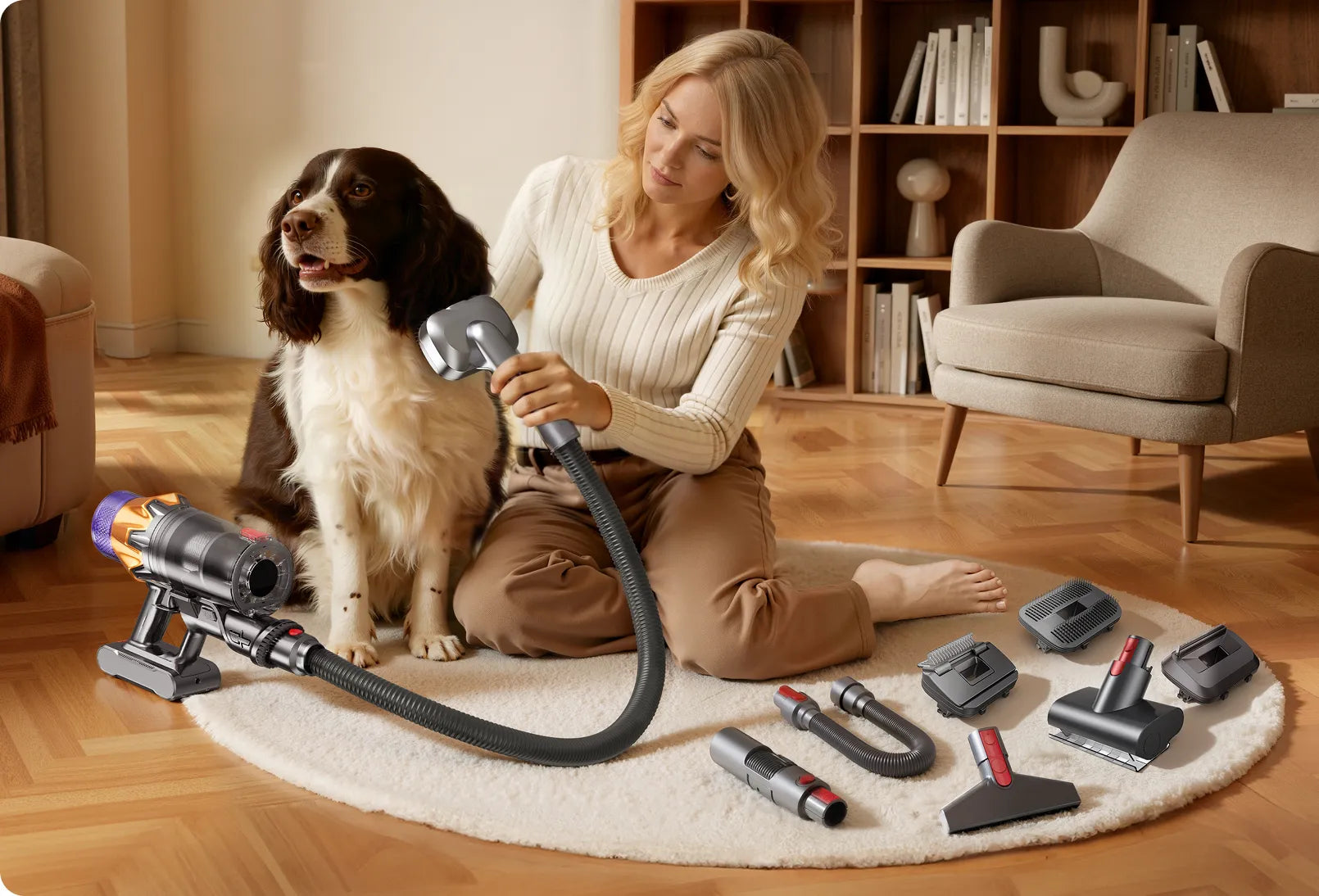
The right attachments can make a significant difference. Crevice tools are useful for getting into seams and corners of the pet bed. Upholstery tools, especially those with rubberized edges or fabric strips, are excellent for drawing out pet hair from soft surfaces. Some vacuums include mini motorized tools specifically for pet hair on furniture and stairs, which can also be effective on pet beds.
Filtration Systems
For pet owners concerned about allergens, a good filtration system, such as a HEPA filter, is essential. These filters trap tiny particles like dander and allergens, preventing them from being recirculated into the air. This is important not only for the pet bed but for the overall air quality in your home.
Types Of Vacuums And Their Suitability
Different types of vacuums offer varying levels of effectiveness when it comes to cleaning pet beds.
Upright Vacuums
Upright vacuums are powerful and often come with excellent brush roll systems. Many have onboard tools that can be used on pet beds. Their main limitation might be their bulkiness, making it difficult to maneuver around smaller pet beds or get into tight spots.
Canister Vacuums
Canister vacuums generally offer strong suction and a wide array of attachments. The separate hose and wand make them more versatile for cleaning various surfaces, including pet beds. You can often control the brush roll on the floor head, which can be beneficial for delicate pet bed fabrics.
Stick Vacuums
Stick vacuums are lightweight and convenient for quick cleanups. While some powerful stick vacuums can handle pet hair, they may struggle with deeply embedded hair on thicker pet beds compared to their upright or canister counterparts. Look for models specifically designed for pet owners.
Handheld Vacuums
Handheld vacuums, especially those with motorized pet tools, can be surprisingly effective for spot cleaning pet beds. They are perfect for quick touch-ups and for targeting specific areas with heavy hair accumulation. However, they are not ideal for deep cleaning an entire large pet bed.
How To Effectively Vacuum A Pet Bed
Using the right technique can maximize the effectiveness of your vacuum cleaner on a pet bed.
Preparation Is Key
First, shake out the pet bed outdoors if possible. This will remove loose hair and debris that the vacuum might otherwise struggle with. If the pet bed has a removable cover, wash it according to the manufacturer’s instructions.
Use The Right Attachments
For most pet beds, an upholstery tool or a mini motorized tool is ideal. These attachments are designed to lift hair from fabric surfaces. If your vacuum has a strong suction-only upholstery tool, it can also work well.
Vacuum In Multiple Directions
Pet hair tends to embed itself in fabrics at different angles. To effectively remove it, vacuum the pet bed in multiple directions. Go forwards, backward, and even diagonally across the surface. This ensures you capture hair that is lying in various orientations.
Focus On Seams And Edges
Pay special attention to the seams and edges of the pet bed. These areas often trap more hair and dander. Use a crevice tool or the edge of your upholstery attachment to thoroughly clean these spots.
Consider A Pre-treatment
For very stubborn hair or odors, you can try a pre-treatment. A lint roller can help pick up surface hair before vacuuming. For odors, a sprinkle of baking soda left on the bed for 15-30 minutes before vacuuming can help neutralize smells.

Can A Robot Vacuum Clean A Pet Bed?
While robot vacuums are excellent for maintaining clean floors, their ability to clean pet beds is limited. Most robot vacuums are designed for floor surfaces and lack the suction power and specialized attachments needed to effectively clean fabric beds. Some advanced models might be able to brush the surface, but they won’t reach deep-seated hair or dander.
Maintenance Of Pet Vacuums For Pet Beds
To ensure your vacuum continues to perform well on pet beds, regular maintenance is crucial.
Empty The Dustbin Regularly
Pet hair can fill up a dustbin quickly. Empty the dustbin or replace the bag after each significant cleaning session. This maintains optimal suction power.
Clean Or Replace Filters
Clogged filters drastically reduce suction. Clean or replace your vacuum’s filters according to the manufacturer’s instructions. For HEPA filters, follow specific cleaning or replacement guidelines.
Maintain The Brush Roll
Pet hair can tangle around the brush roll, reducing its effectiveness. Regularly check and clean the brush roll, removing any tangled hair, threads, or debris. Some brush rolls are designed for easy cleaning, while others may require a tool to cut away hair.
Here’s a comparison of vacuum types for pet bed cleaning:
| Vacuum Type | Pros for Pet Beds | Cons for Pet Beds |
|---|---|---|
| Upright | Strong suction, effective brush rolls | Can be bulky, less maneuverable |
| Canister | Versatile attachments, strong suction | Requires assembly/disassembly, storage space |
| Stick | Lightweight, convenient for quick cleans | May lack power for deep cleaning |
| Handheld | Great for spot cleaning, portable | Not for large areas or deep cleaning |

When To Consider Professional Cleaning Or Replacement
Even with the best vacuum, some pet beds might reach a point where they need more intensive cleaning or replacement.
Deep Odor Issues
If a pet bed has deeply ingrained odors that vacuuming and washing cannot remove, professional cleaning might be an option. However, for very old or heavily soiled beds, replacement might be the most practical solution.
Heavily Matted Or Worn Fabric
When the fabric of a pet bed becomes heavily matted, worn, or develops holes,

