

Can A Car Vacuum Clean Trunks?
Yes, a car vacuum can absolutely clean car trunks, but its effectiveness depends on several factors. Trunks, much like the interior of your car, collect dirt, dust, debris, and sometimes even spills. A good car vacuum, especially one designed for auto detailing, is well-suited for tackling these messes.
The primary purpose of a car vacuum is to remove loose dirt and particles from various surfaces within a vehicle. Trunks are essentially an extension of the car’s interior, often lined with carpeting or plastic. Therefore, the tools and suction power found in most car vacuums are directly applicable to trunk cleaning.
Understanding Trunk Messes
Trunks are prone to accumulating a unique set of messes. Unlike the passenger cabin, they often house sports equipment, groceries, emergency supplies, and can be exposed to more dirt and moisture from the outside. This means you might find sand, mud, leaves, pet hair, spilled liquids, and general grime.
These messes can range from light dust to stubborn, ground-in dirt. The type of material lining your trunk also plays a role; carpeted trunks are more likely to trap debris than hard plastic ones, requiring different approaches to cleaning.
Types Of Car Vacuums And Their Suitability For Trunks
Car vacuums come in various forms, from small, handheld devices to more powerful portable units. Each has its strengths and weaknesses when it comes to trunk cleaning.
Handheld Car Vacuums
Handheld car vacuums are compact and convenient for quick cleanups. They are excellent for picking up small amounts of dry debris like crumbs, dust, and pet hair from trunk carpets or floor mats. Their small size makes them easy to maneuver into tight corners.
However, handheld vacuums often have limited power and smaller dustbins. They may struggle with larger debris, wet messes, or deeply embedded dirt. If your trunk is heavily soiled, a handheld vacuum might require multiple passes or be insufficient on its own.
Portable Car Vacuums (12v)
These vacuums typically plug into your car’s 12V power outlet. They generally offer more suction power than handheld models and often come with various attachments. This makes them a good option for moderately dirty trunks, capable of picking up larger particles and some finer dust.
The main limitation here is the reliance on the car’s battery. Prolonged use can drain your car battery if the engine isn’t running. They are also less powerful than vacuums that plug into a wall outlet.
Wet/dry Car Vacuums
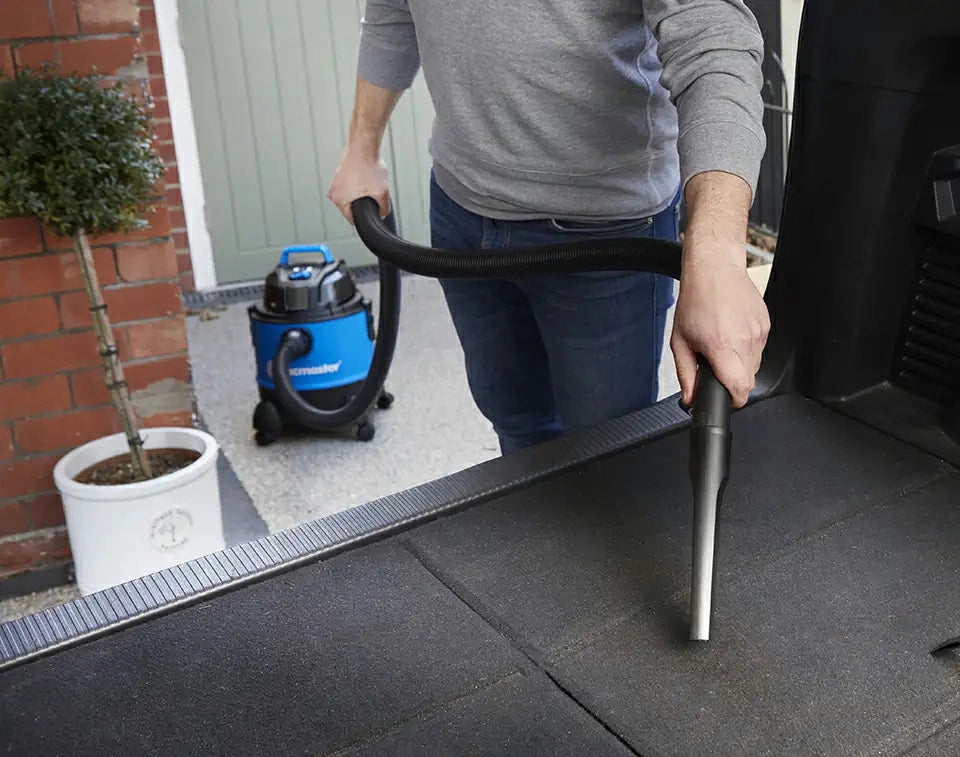
For trunks that experience spills or moisture, a wet/dry car vacuum is the best choice. These units are designed to handle both dry debris and liquids. They are invaluable for cleaning up after leaky groceries, muddy boots, or even minor water leaks.
These vacuums are usually more robust and offer stronger suction. They are ideal for a deep clean of a trunk, ensuring no moisture is left behind to cause mold or mildew.
Corded Vacuums With Attachments
While not strictly “car vacuums,” standard corded household vacuums can be very effective for cleaning trunks, especially if you have a long extension cord. They typically offer the strongest suction power and a wide array of attachments.
Using a crevice tool or a brush attachment with a powerful corded vacuum can make quick work of even the most stubborn trunk grime. The main drawback is the need for an electrical outlet and managing the cord.
Key Features To Look For
When selecting a car vacuum for trunk cleaning, consider these features:
- Suction Power: Measured in air watts (AW) or Pascals (Pa), higher suction power means better cleaning performance, especially for embedded dirt and heavier debris.
- Attachments: Look for a vacuum with a crevice tool for tight spots, a brush attachment for agitating carpet fibers, and potentially a wide nozzle for larger areas.
- Filtration System: A good filter, like a HEPA filter, traps fine dust and allergens, preventing them from being recirculated into the air. This is important for air quality inside and outside the car.
- Cord Length/Battery Life: Ensure the vacuum can reach the entire trunk comfortably. For cordless models, check the battery life to ensure it’s sufficient for the job.
- Capacity: A larger dustbin means you won’t have to empty it as frequently, which is convenient for larger cleaning tasks.
- Wet/Dry Capability: Essential if you anticipate dealing with liquid spills.
Step-by-step Guide To Vacuuming Your Trunk
Cleaning your trunk with a car vacuum is straightforward. Follow these steps for best results:
- Empty the Trunk: Remove everything from the trunk. This includes car mats, spare tire tools, and any stored items. This allows you to access all areas and prevents you from vacuuming over large objects.
- Initial Sweep (Optional): For very large debris like leaves or wrappers, a quick manual sweep with a brush can save vacuuming time and prevent the vacuum from getting clogged.
- Choose the Right Attachment: Select the appropriate attachment for the area you are cleaning. Use a crevice tool for seams and edges, and a brush attachment for carpeted surfaces.
- Vacuum Systematically: Start at one end of the trunk and work your way across, using overlapping strokes. Pay attention to corners, seams, and the area around the spare tire well.
- Address Stubborn Stains: For tougher spots or stains, you might need to use a carpet cleaner or degreaser first, then vacuum up the residue. A wet/dry vacuum is essential if dealing with liquid spills.
- Clean the Trunk Lid: Don’t forget the underside of the trunk lid, which can also accumulate dust and cobwebs.
- Empty the Vacuum: Once finished, empty the dustbin to keep the vacuum ready for its next use and maintain optimal suction.
Pro Tip:
For heavily soiled carpeted trunks, consider using a stiff brush to agitate the carpet fibers *before* vacuuming. This loosens embedded dirt and makes it much easier for the vacuum to pick up.
Comparing Vacuum Types For Trunk Cleaning
Here’s a quick look at how different vacuum types stack up for trunk cleaning tasks:
| Vacuum Type | Best For | Limitations |
|---|---|---|
| **Handheld** | Light dust, crumbs, pet hair; quick touch-ups | Low power, small capacity, not for wet messes |
| **Portable (12V)** | Moderate debris, general car interior | Reliant on car battery, less power than corded |
| **Wet/Dry** | Spills, moisture, deep cleaning, all debris | Can be bulkier, requires careful drying after wet use |
| **Corded Household** | Heavy-duty cleaning, maximum power | Requires power outlet, cord management |
Common Mistakes To Avoid
- Ignoring the Spare Tire Well: This area can collect significant debris and moisture. Always check and clean it thoroughly.
- Not Using Attachments: Relying only on the main nozzle will miss dirt in corners and seams.
- Vacuuming Wet Spills with a Dry Vacuum: This can damage the vacuum and create a mold hazard. Always use a wet/dry vacuum for liquids.
- Overfilling the Dustbin: An overfilled bin drastically reduces suction power. Empty it regularly.
- Not Cleaning the Trunk Lid: The underside of the trunk lid often gets overlooked but can be quite dusty.
Maintaining Your Car Vacuum
To ensure your car vacuum remains effective for cleaning your trunk and car interior, regular maintenance is key.
- Empty the Dustbin: After each use, or when it reaches two-thirds full, empty the dustbin. This maintains consistent suction power.
- Clean or Replace Filters: Check your vacuum’s manual for filter cleaning or replacement instructions. Dirty filters significantly reduce performance and can recirculate dust. A clean filter ensures better air quality.
- Inspect Hoses and Attachments: Look

