

Can a car vacuum clean car carpets effectively? Many car owners wonder if their regular household vacuum or a smaller, specialized car vacuum is up to the task of deep cleaning their vehicle’s floor mats and carpets. The answer is generally yes, but with important considerations regarding the type of vacuum, the level of dirt, and the expected results. For light messes, a decent car vacuum can work well. However, for deep-seated grime, larger debris, or stubborn stains, it might fall short.
Understanding Car Vacuums
Car vacuums come in various forms, from small, handheld battery-powered units to more powerful plug-in models. Handheld vacuums are convenient for quick cleanups and tight spaces but often lack the suction power needed for heavily soiled carpets. Plug-in car vacuums, which connect to your car’s 12V outlet, usually offer more robust performance, bridging the gap between handhelds and full-sized home vacuums.
The suction power, measured in air watts (AW) or Pascals (Pa), is a key indicator of a vacuum’s effectiveness. Higher numbers generally mean better cleaning capability. Another factor is the filtration system; HEPA filters are excellent for trapping fine dust and allergens, improving air quality inside your car. Attachments are also crucial. Crevice tools, brush heads, and extension wands help reach difficult areas and tackle different types of dirt.
How Well Do Car Vacuums Clean Carpets?
The effectiveness of a car vacuum on car carpets depends heavily on the type of mess and the vacuum’s specifications.
Light Dirt And Debris
For everyday messes like crumbs, dust, pet hair, and light sand, most car vacuums, especially those with decent suction and appropriate attachments, can do a good job. A handheld vacuum might be sufficient if used regularly. For instance, after a trip to the park or a snack in the car, a quick vacuum with a handheld unit can restore the carpet’s appearance.
Heavy Soiling And Embedded Grime
When it comes to deeply embedded dirt, mud, or stubborn pet hair, smaller car vacuums often struggle. Their limited power and smaller dustbins mean they may not be able to extract the deeply lodged particles. This is where a more powerful vacuum, perhaps a shop vac or a high-end car vacuum with strong suction, becomes necessary. Even then, specialized carpet cleaners might be needed for the best results.
Stains And Odors
Car vacuums are primarily designed for dry debris removal. They are not effective at cleaning liquid spills, set-in stains, or eliminating odors. For these issues, you’ll need dedicated carpet cleaners, stain removers, and odor neutralizers. A vacuum can help remove loose dirt *before* you treat a stain, making the cleaning process more effective.

Factors Affecting Cleaning Performance
Several factors influence how well a car vacuum performs on your car’s carpets:
- Suction Power: As mentioned, this is paramount. A vacuum with low suction will simply push dirt around or only pick up the very surface-level particles. Look for vacuums that list their suction power. For example, some higher-end car vacuums can achieve suction power exceeding 100 AW, comparable to smaller home vacuums.
- Attachments: The right attachments make a huge difference. A crevice tool is essential for getting into the seams between carpet sections and under seats. A brush attachment helps agitate carpet fibers to loosen trapped dirt and hair, making it easier for the vacuum to suck it up.
- Filtration System: While not directly impacting dirt removal, a good filter (like a HEPA filter) prevents fine dust particles from being blown back into the car’s air, which is crucial for allergy sufferers.
- Dustbin Capacity: Smaller handheld vacuums have very small dustbins. This means you’ll need to empty them frequently, especially when cleaning larger areas or dealing with a lot of debris. Larger capacity vacuums are more efficient for thorough cleaning.
Comparing Vacuum Types For Car Carpets
Let’s look at how different types of vacuums stack up for cleaning car carpets:
| Vacuum Type | Suction Power | Best For | Limitations |
|---|---|---|---|
| Handheld | Low to Medium | Quick cleanups, light dust, crumbs, small debris | Limited power, small capacity, short battery life |
| Plug-in Car Vac | Medium to High | Regular cleaning, moderate dirt, pet hair | Requires car power outlet, can be bulky |
| Shop Vac (Wet/Dry) | High | Heavy dirt, mud, large debris, liquid spills | Very bulky, requires separate power source |
| Home Vacuum | High | Deep cleaning, extensive dirt, large areas | Maneuverability in car, cord length, attachments |
Pro Tip: When cleaning pet hair, use a vacuum with a motorized brush attachment if possible. This helps lift the hair from the carpet fibers more effectively than suction alone.
When A Car Vacuum Isn’t Enough
There are times when a car vacuum, no matter how powerful, simply won’t cut it. These situations often require more specialized tools or professional help:
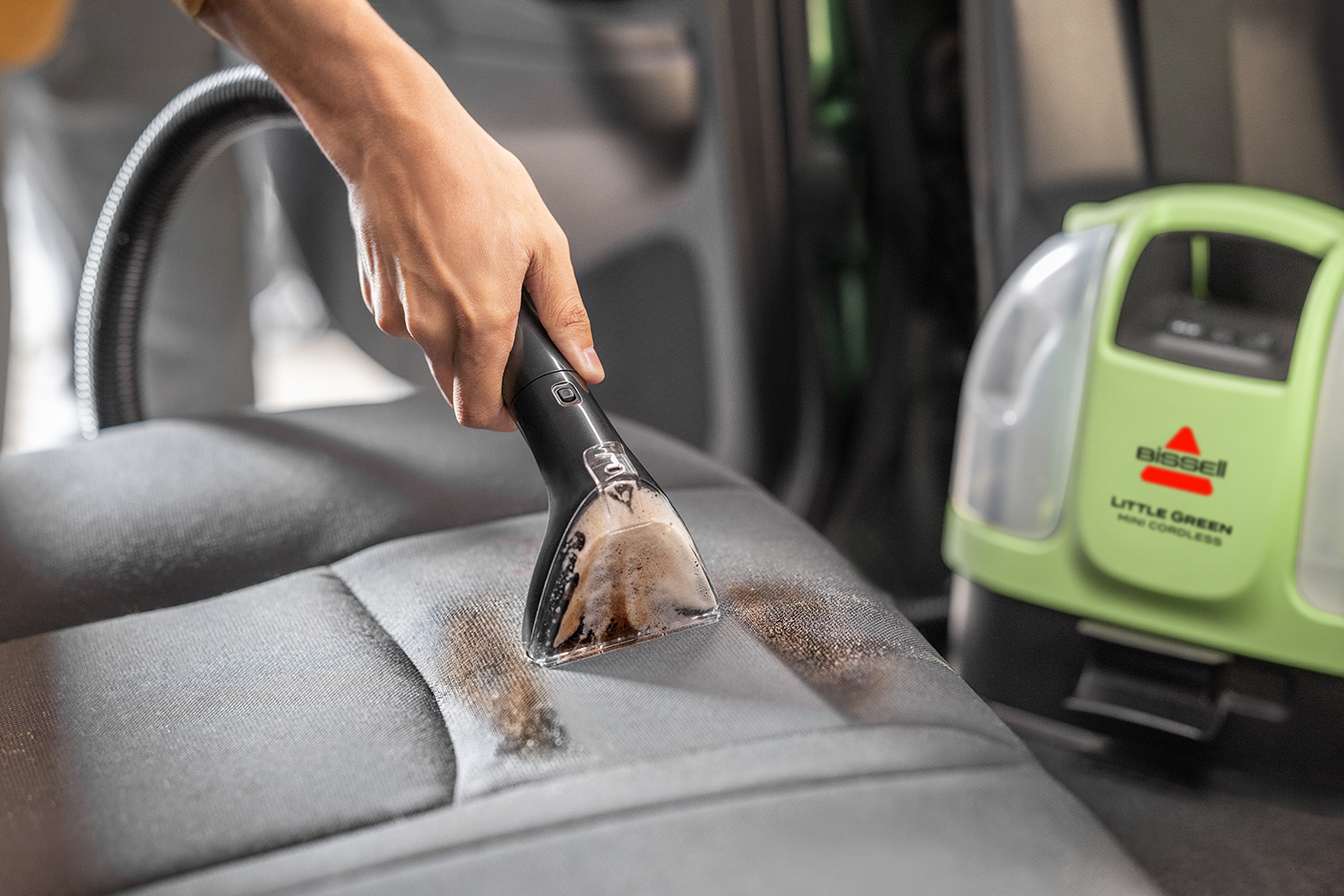
- Deeply Ingrained Stains: Coffee spills, oil spots, or ink marks that have soaked into the carpet fibers need specific stain removers and possibly a carpet extractor (like a Bissell Little Green or Rug Doctor). These machines use water and cleaning solution to lift stains.
- Mold and Mildew: If your car has been exposed to excessive moisture, mold or mildew can grow. This requires specialized cleaning agents and thorough drying. A vacuum cannot remove mold or mildew growth.
- Excessive Mud or Sand: While a powerful shop vac can handle a good amount, truly caked-on mud or sand that has become embedded deep within the carpet backing might need professional steam cleaning or extraction.
- Worn or Damaged Carpets: If your car’s carpets are old, frayed, or have holes, aggressive vacuuming could cause further damage. Gentle cleaning and perhaps professional restoration might be needed.
Optimizing Your Car Vacuuming Process
To get the best results from your car vacuum, follow these steps:
- Remove Floor Mats: Take out all floor mats and clean them separately. This allows you to access the carpet underneath and clean the mats more thoroughly.
- Loosen Debris: Use a stiff brush to agitate the carpet fibers and loosen embedded dirt, pet hair, or sand before vacuuming. This step significantly improves the effectiveness of suction.
- Use Attachments Wisely: Employ the crevice tool for edges, seams, and tight spots. Use a brush attachment for general carpet areas to lift fibers and dirt.
- Work in Sections: Vacuum the car systematically, working from top to bottom (if there’s any loose debris on seats or the dashboard) and section by section on the floor. Overlap your strokes to ensure thorough coverage.
- Empty Frequently: If using a small vacuum, empty the dustbin often to maintain optimal suction power. A full dustbin drastically reduces efficiency.
- Consider a Wet/Dry Vac for Heavy Jobs: For significant messes, especially those involving liquids or mud, a wet/dry shop vac is a much better tool than a standard car vacuum.
In my experience, preparing the carpet by brushing loose debris makes a night-and-day difference in how clean the car looks and feels after vacuuming.

Maintaining Your Car Carpets
Regular cleaning is key to preventing deep-seated dirt and making vacuuming easier. Aim to vacuum your car’s interior at least once a month, more often if you have pets or frequently transport children.
For spills and stains, address them immediately. The longer a stain sits, the harder it is to remove. Blot, don’t rub, liquid spills with a clean cloth. Use appropriate carpet cleaners for tougher spots.

