

A car vacuum is a handy tool for keeping your vehicle’s interior clean. But can it handle those hard-to-reach spots like air vents? Yes, a car vacuum can clean air vents, especially when equipped with the right attachments. These specialized tools are designed to suck up dust, debris, and allergens that accumulate in your car’s ventilation system.
Air vents are notorious dust magnets. Over time, they can become clogged with fine particles, pet hair, and even small insects. This not only looks unsightly but can also affect the air quality inside your car, potentially leading to allergies or respiratory issues.
Using a car vacuum with its various nozzles and brushes can be an effective way to tackle this common car cleaning problem.
Why Cleaning Car Air Vents Matters
Cleaning your car’s air vents is more than just an aesthetic choice; it directly impacts your health and driving comfort. When vents are dirty, they can recirculate dust and allergens every time you turn on your car’s fan or air conditioning. This can worsen symptoms for people with allergies or asthma.
Dirty vents can also reduce the efficiency of your car’s HVAC system. A buildup of debris can restrict airflow, making your AC work harder to cool the car or your heater struggle to warm it up. This can lead to higher fuel consumption and premature wear on your car’s components.
Regular cleaning ensures optimal performance and cleaner air.
How A Car Vacuum Can Help
Most car vacuums come with a variety of attachments that make them suitable for cleaning air vents. The key is to use the right nozzle and technique. Small, crevice tools are excellent for reaching into narrow openings. Brush attachments, especially those with soft bristles, can help dislodge stubborn dust without scratching delicate vent louvers.
The suction power of a good car vacuum is crucial. It needs to be strong enough to pull out the fine particles that tend to settle deep within the vent system. For particularly stubborn dust or grime, a vacuum with a blower function can sometimes be used to dislodge particles before vacuuming them up.
Types Of Vacuum Attachments For Vents
- Crevice Tool: This long, narrow attachment is perfect for reaching deep into the vent slats and tight spaces where dust loves to hide.
- Brush Attachment: Soft-bristled brush attachments are ideal for gently loosening dust and debris from the vent surfaces. Some come with angled heads, making them even more effective for vents.
- Extension Hose: An extension hose can provide the extra reach needed to get to vents located further back or in more awkward positions.
- Mini-Motorized Brush (less common): Some high-end car vacuums might have smaller versions of motorized brushes that can agitate and lift debris from surfaces.
The Process: Step-by-step Vent Cleaning
Cleaning your car’s air vents with a vacuum is a straightforward process. It’s best to do this when the car is not in direct, hot sunlight, as plastic can be more brittle in extreme temperatures.
- Gather Your Tools: You’ll need your car vacuum and the appropriate attachments (crevice tool, brush attachment). You might also want a damp microfiber cloth for a final wipe-down.
- Prepare the Vacuum: Ensure your car vacuum is charged or plugged in, and that the dustbin is empty for maximum suction. Attach the crevice tool or a brush attachment.
- Start with the Dashboard Vents: Begin with the vents on your dashboard. Gently insert the crevice tool into the slats, moving it back and forth to loosen and suck up dust. Use the brush attachment to sweep dust towards the suction opening.
- Move to Center Console and Rear Vents: Repeat the process for any vents located in the center console or those for rear passengers. These can often accumulate even more debris.
- Address the Fan Intake (Optional but Recommended): If your car has an external air intake grille (usually near the windshield wipers), you can vacuum this area as well. This is where your car draws in fresh air, and it can get clogged with leaves and debris.
- Final Wipe-Down: After vacuuming, you can use a slightly damp microfiber cloth to wipe down the vent louvers for a polished look.
Important Considerations
- Gentle Approach: Always be gentle. Car vent louvers can be delicate and may break if too much force is applied.
- Engine Off: Make sure the car’s engine is off and the AC/heater is not running while you are vacuuming.
- Vacuum Power: A vacuum with adjustable suction settings is ideal. Start with a lower setting and increase it if needed.
Beyond The Vacuum: Other Vent Cleaning Methods
While a car vacuum is a primary tool, other methods can complement the process or be used if a vacuum isn’t available.
Using Compressed Air
Compressed air canisters are excellent for blowing dust out of vents. You can purchase these at most electronics or auto parts stores.
- How to Use: Aim the nozzle into the vent openings and give short bursts of air. This will push dust towards the front of the vent, where it can be more easily vacuumed or wiped away.
- Pro Tip: It’s best to use compressed air *before* vacuuming. This loosens the dust, making it easier for the vacuum to collect. Be prepared for some dust to escape, so have your vacuum or a cloth ready.
Cleaning Brushes And Tools
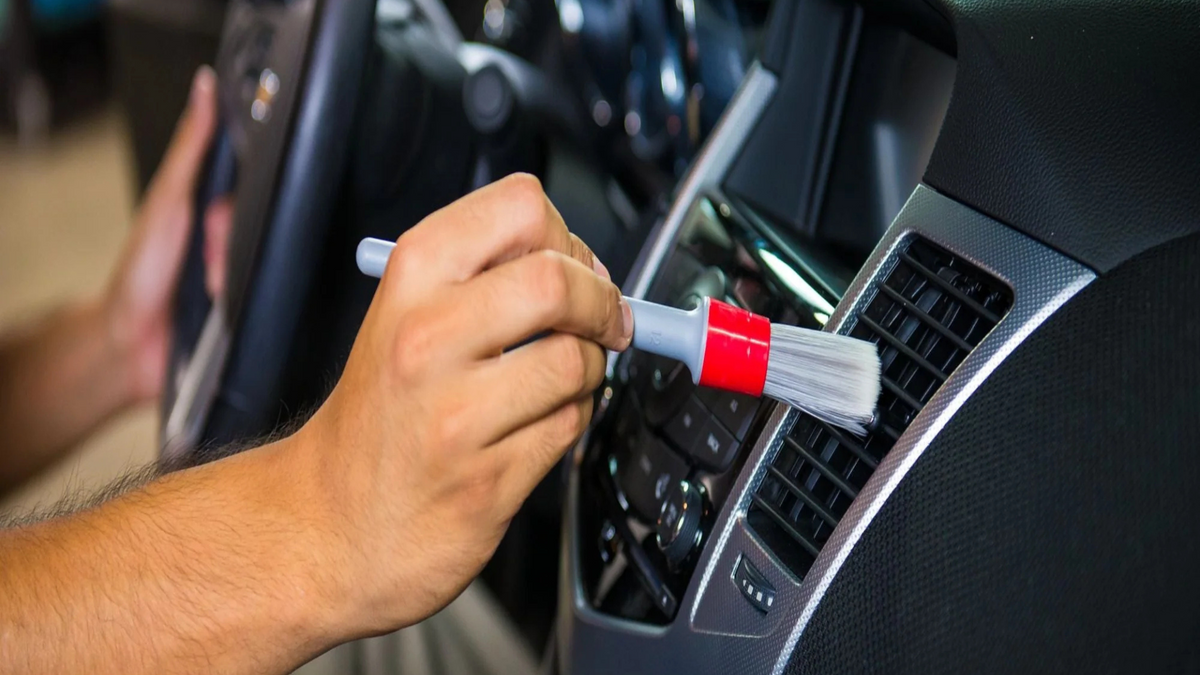
Specialized vent cleaning brushes, often shaped like a small feather duster or a flat brush, can be used to manually sweep dust from the louvers.
- Effectiveness: These are good for surface dust but may not reach deep into the vent system like a crevice tool on a vacuum. They are best used for light maintenance cleaning.
Diy Solutions
Some people use cotton swabs or small pieces of foam attached to sticks.
- Caution: Be very careful with DIY tools. Anything too large or rigid can get stuck or damage the vent mechanism. Always ensure the item you are using is smaller than the vent opening and can be easily retrieved.

When To Consider Professional Cleaning
While DIY vent cleaning is effective for regular maintenance, there are times when professional help is recommended.
- Persistent Odors: If you notice persistent musty or unpleasant odors coming from your vents, even after cleaning, it could indicate mold or mildew growth deep within the system.
- Reduced Airflow: If you’ve cleaned the accessible parts of the vents and still experience significantly reduced airflow, the blockage might be deeper in the ductwork.
- Allergy Symptoms: If you or your passengers experience a sudden increase in allergy symptoms related to being in the car, a thorough professional cleaning might be necessary.
Professional car detailers have specialized equipment, including powerful vacuums with very fine filters and tools that can reach further into the HVAC system. They can also perform cabin air filter replacement, which is a crucial part of maintaining good air quality.
Table: Comparison Of Vent Cleaning Methods
| Method | Pros | Cons | Best For |
|---|---|---|---|
| **Car Vacuum** | Removes dust effectively, readily available | May not reach very deep, requires attachments | Regular maintenance, moderate dust buildup |
| **Compressed Air** | Dislodges stubborn dust, reaches deeper | Can be messy, requires vacuuming afterward | Loosening compacted debris before vacuuming |
| **Cleaning Brushes** | Good for surface dust, gentle | Limited reach, less effective for deep dust | Light dusting, quick touch-ups |
| **Professional Service** | Thorough cleaning, addresses deep issues, mold | Costly, requires appointment | Persistent odors, severe blockages, deep mold |
Maintaining Clean Air Vents
The best approach to clean air vents is regular maintenance. Instead of waiting for them to become heavily soiled, incorporate vent cleaning into your routine car washes or detailing sessions.
- Frequency: Aim to vacuum your car’s vents at least once a month. If you live in a dusty area or have pets, you might need to do

