Have you ever finished a long day feeling a sharp ache in your back? You might not realize it, but your chair could be the hidden culprit behind your discomfort.
Sitting for hours on a bad chair can strain your muscles and spine without you even noticing. If you want to protect your back and avoid pain that disrupts your daily life, it’s crucial to understand how your chair affects your body.
Keep reading to discover why a bad chair can cause back pain and what you can do to find relief.
Link Between Chairs And Back Pain
Many people sit for hours daily, especially at work or home offices. The chair they use plays a big role in their back health. A bad chair can cause discomfort and long-term pain. Sitting in the wrong position puts stress on the spine and muscles. Over time, this stress can lead to serious back problems.
Choosing a good chair is important to protect your back. Understanding how chairs affect your spine helps you avoid pain. Below, we explore how poor seating harms spine health and common chair flaws that cause pain.
How Poor Seating Affects Spine Health
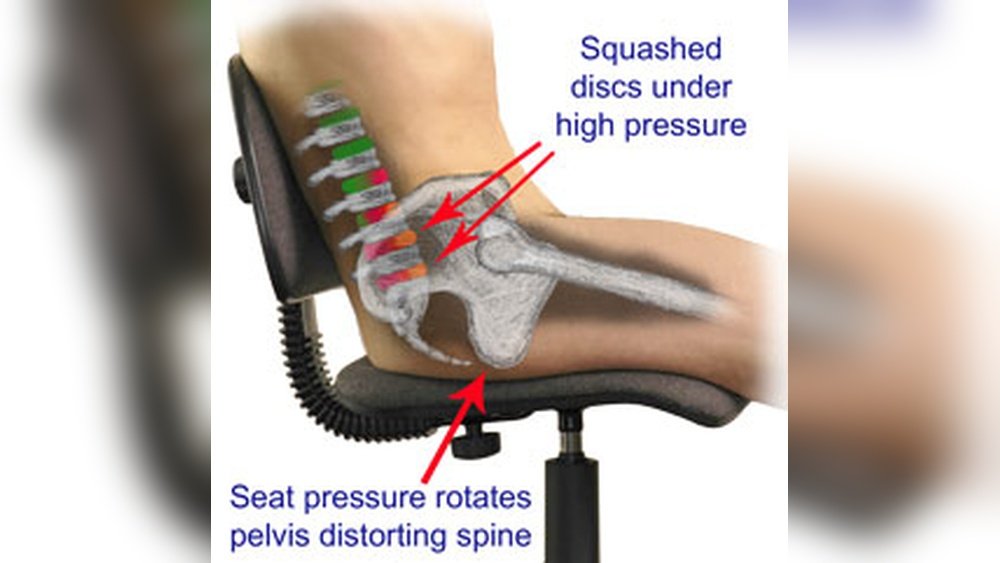
Poor seating forces your spine into unnatural positions. Slouching or leaning forward strains muscles and discs. This strain can cause stiffness and soreness. Over time, it may lead to herniated discs or nerve pain. Sitting without proper support weakens your back muscles. Weak muscles cannot hold your spine properly. This increases the risk of injury and chronic pain.
Good posture keeps the spine aligned and reduces pressure. When the spine is not aligned, uneven pressure builds up. This pressure damages the spine’s structure and causes discomfort. Sitting in one position for too long also reduces blood flow. Poor blood flow slows healing and increases muscle fatigue.
Common Chair Flaws That Trigger Pain
Many chairs have design flaws that hurt your back. Chairs without lumbar support fail to maintain the natural curve of the lower spine. Hard, flat seats increase pressure on the tailbone. Chairs that are too high or low cause poor knee and hip angles. Armrests that do not adjust cause shoulder and neck strain.
Non-adjustable chairs do not fit all body types. This forces users to sit awkwardly. Lack of movement options leads to stiffness and muscle fatigue. Poor padding causes discomfort and pressure points. Chairs made from cheap materials often lack durability and support.
Choosing a chair with adjustable features and good support helps prevent back pain. Awareness of chair flaws guides better seating choices for healthier backs.
Types Of Chairs That Harm Your Back
Choosing the wrong chair can cause serious back pain. Some chairs do not support the body well. Others put pressure on the spine. These types of chairs lead to discomfort and long-term problems.
Understanding which chairs harm your back helps you avoid pain. It also guides you in picking better seating options. Below are common types of chairs that can cause back issues.
Effects Of Unsupportive Office Chairs
Office chairs without proper lumbar support strain the lower back. The spine loses its natural curve. This causes muscle fatigue and stiffness.
Chairs with low or no backrests force you to slouch. This posture increases pressure on spinal discs. Over time, it may lead to chronic pain and poor posture.
Impact Of Soft And Overly Hard Seating
Very soft chairs make the body sink too deep. This puts stress on the spine and hips. Soft cushions fail to keep the body aligned.
Hard chairs, on the other hand, cause discomfort at pressure points. They reduce blood flow and cause muscle soreness. Both extreme softness and hardness damage back health.
Signs Your Chair Is Causing Pain
Recognizing signs that your chair causes back pain is crucial. Not all pain is sudden. Sometimes, discomfort grows slowly. Early signs help you act before damage worsens. Your chair might be the hidden cause. Pay attention to how your body feels during and after sitting. Small aches or stiffness may signal trouble. Ignoring these can lead to serious problems.
Early Symptoms To Watch For
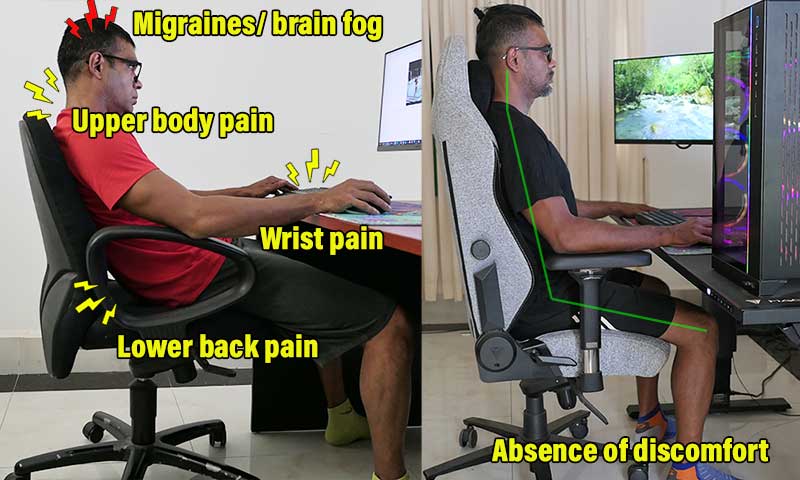
Notice any stiffness in your lower back after sitting? Do you feel aching or tightness? These are common early symptoms. A bad chair often causes poor posture. You may slouch or lean awkwardly. This strains muscles and ligaments. Numbness or tingling in your legs is another warning. It suggests pressure on nerves. Fatigue or soreness after short sitting sessions also matters. These signs mean your chair is not supporting you well.
Long-term Consequences Of Bad Seating
Prolonged use of a poor chair leads to chronic pain. Your spine may develop misalignment. This causes ongoing discomfort and reduced mobility. Muscle imbalances become deeper and harder to fix. Herniated discs or pinched nerves may develop. These conditions require medical treatment. Poor circulation from bad seating can cause swelling or varicose veins. Over time, bad posture affects your overall health and mood. Pain can disrupt sleep and daily activities.
Choosing The Right Chair For Your Back
Choosing the right chair for your back is important to avoid pain and discomfort. A good chair supports your spine and helps keep your posture straight. Sitting for long hours without proper support can cause or worsen back pain. Selecting a chair with the right features and adjustments can make a big difference.
Features That Promote Proper Posture
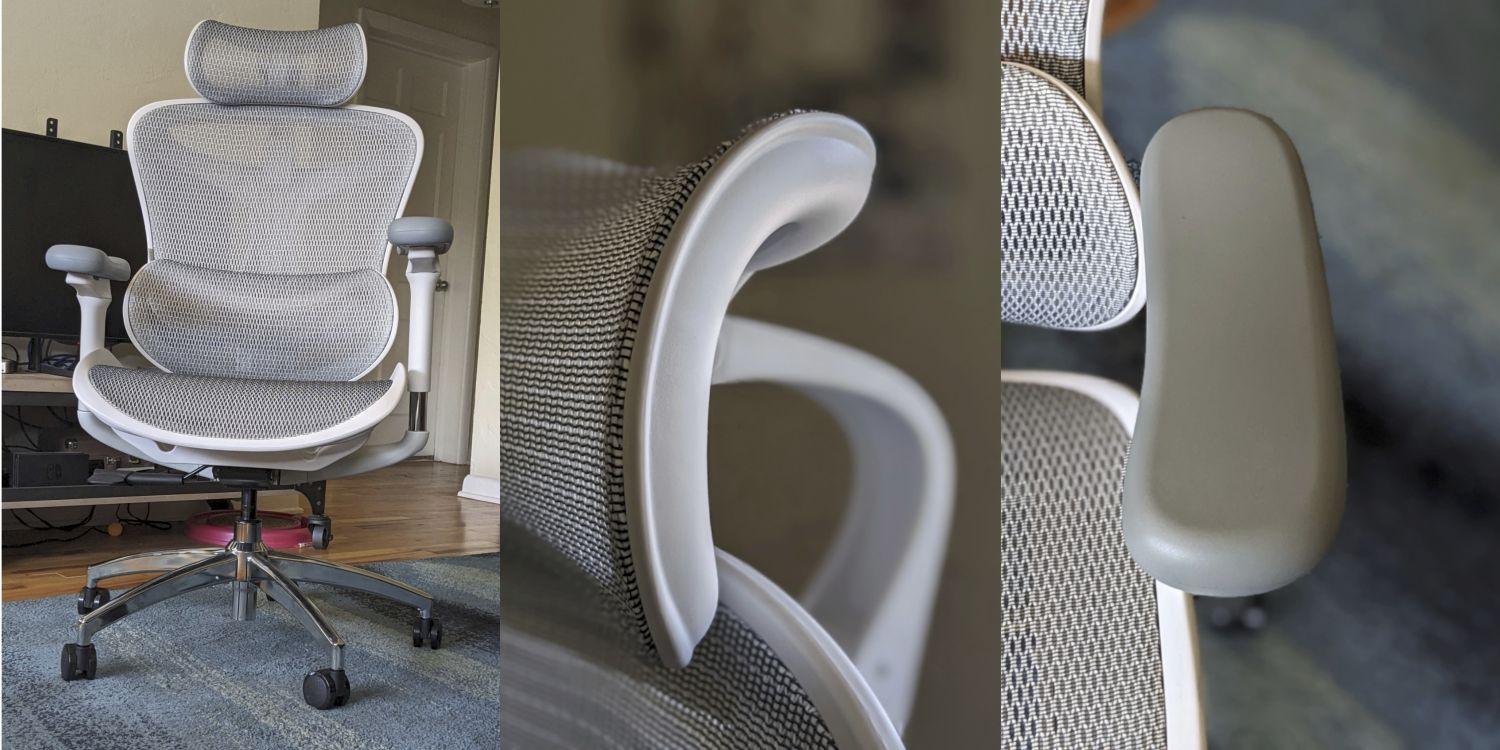
A chair that promotes proper posture supports the natural curve of your spine. Look for a chair with lumbar support that fits the lower back area well. The seat should have enough depth and width to sit comfortably without pressure. A slightly curved seat edge helps reduce pressure on the thighs. The backrest should allow you to sit upright without slouching or leaning forward.
Ergonomic Adjustments To Look For
Adjustable chairs let you change settings to fit your body perfectly. Height adjustment helps keep your feet flat on the floor and knees at a 90-degree angle. Tilt adjustment allows you to lean slightly backward, reducing pressure on your spine. Armrests should be adjustable to support your arms without raising your shoulders. Swivel and smooth-rolling wheels make it easier to move and reduce strain.
Tips To Reduce Chair-related Back Pain
Back pain from a bad chair can affect your daily life and work. Simple changes in how you sit and move can ease this pain. Small habits help protect your back over time. This section shares tips to reduce chair-related back pain effectively.
Posture Habits To Adopt
Sit with your back straight and shoulders relaxed. Keep your feet flat on the floor. Avoid crossing your legs or slouching. Use a chair that supports your lower back. Adjust your chair height so your knees are level with your hips. Take short breaks to stand or walk every 30 minutes. These habits reduce pressure on your spine.
Exercises And Stretches At Your Desk
Stretch your arms overhead and reach for the ceiling. Roll your shoulders backward and forward slowly. Twist your upper body gently from side to side. Stretch your neck by tilting your head towards each shoulder. Try seated leg lifts to strengthen your lower body. These exercises increase blood flow and reduce stiffness. They help keep your back muscles flexible and strong.
When To Seek Professional Help
Back pain from a bad chair is common. Most times, simple changes help. But some pain needs expert care. Knowing when to see a professional can save you from bigger problems.
Ignoring serious signs can cause lasting damage. Early action helps you heal better and faster.
Identifying Serious Back Issues
Severe pain that lasts over two weeks needs attention. Pain that spreads down your legs or causes numbness is serious. Weakness in your legs or trouble controlling bladder signals urgent care. Sudden sharp pain after a fall or injury also needs a doctor.
These symptoms may mean more than just a bad chair. A healthcare professional can diagnose the exact cause.
Role Of Physical Therapy And Ergonomic Experts
Physical therapists help ease pain through guided exercises. They teach correct posture and movements to avoid injury. Ergonomic experts assess your workspace and chair. They suggest adjustments or better chairs to support your back.
Combining therapy and ergonomic fixes often leads to lasting relief. Professionals guide you toward safe habits and healthier sitting positions.
Frequently Asked Questions
Can A Bad Chair Cause Back Pain?
Yes, a bad chair can cause back pain by providing poor support. It can lead to poor posture and muscle strain, which contribute to discomfort and pain over time.
What Chair Features Help Prevent Back Pain?
Ergonomic features like lumbar support, adjustable height, and seat depth help prevent back pain. These features promote proper posture and reduce strain on your back muscles.
How Long Should I Sit To Avoid Back Pain?
Limit continuous sitting to 30-60 minutes. Take breaks to stand, stretch, and move around to reduce pressure on your spine and muscles.
Is An Ergonomic Chair Worth The Investment?
Yes, an ergonomic chair is worth it. It improves comfort, supports posture, and can reduce or prevent back pain, enhancing overall productivity and wellbeing.
Conclusion
A bad chair can cause or worsen back pain. Sitting too long on poor support strains your muscles and spine. Choosing a good chair helps keep your back healthy. Pay attention to comfort and proper posture every day. Small changes in your seating can make a big difference.
Don’t ignore back pain; it signals your body needs better support. Taking care now prevents more serious problems later. Your back will thank you for better seating habits.