The Best Low Sodium Dog Food keeps sodium under control while supporting heart and kidney health.
I’ve seen dog parents struggle when a pet is diagnosed with heart or kidney disease. You feel scared and unsure which food helps without sacrificing taste. Low sodium dog food solves that. It eases blood pressure and fluid retention. It supports vet treatment and often tastes good enough for picky eaters. I’ll walk you through the Best Low Sodium Dog Food options I trust, so you can pick one that fits your dog’s needs and your budget.
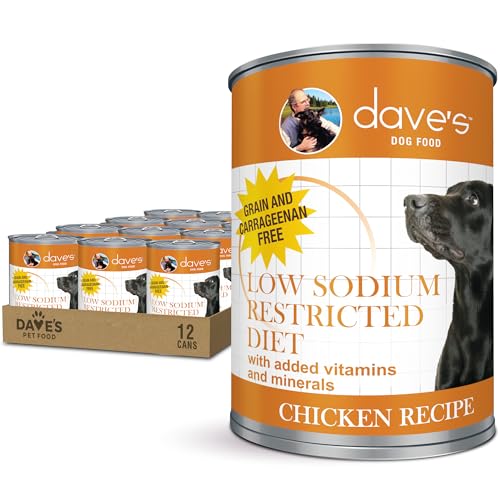
Dave’s Pet Food Restricted Sodium…
Chicken is the #1 ingredient for a protein-filled recipe that will help build strong and lean muscles. Excellent choice for those doggies whose vet has recommended a low-sodium diet. Adult…

Mattie’s Treats: 10oz Box, Mini…
Special treats for special dogs: Low Protein, Low Phosphorus, Low Sodium NEW 10 oz. box of heart shaped crunchy treats. Same recipe in a NEW smaller size for smaller pups…

Mattie’s Treats: 1 Pound Box;…
Special treats for special dogs: Low Protein, Low Phosphorus, Low Sodium You help fund better lives for dogs with every purchase. A percentage of sales from every box is donated…
Dave’s Restricted Sodium Chicken Pate

I feed Dave’s Restricted Sodium Chicken Pate to seniors that need a low sodium wet food. The pate is soft and easy to digest. Dogs with dental issues eat it well. The recipe focuses on reduced sodium while giving a meaty flavor that dogs like.
Manufactured for dogs with heart or kidney needs, the cans are convenient. I found that switching to this formula reduced my dog’s fluid puffiness under vet guidance. It’s ideal as a meal topper or full meal for pets on a sodium-restricted plan.
Pros:
- Very low sodium content suitable for restricted diets
- Soft pate texture is easy for seniors and dogs with dental issues
- High palatability—dogs tend to accept it quickly
- Single-protein chicken formula reduces ingredient complexity
- Case packs make long-term feeding practical and affordable
Cons:
- Only available in case quantities—less variety in small orders
- Not formulated for complete kidney-failure stages without vet oversight
My Recommendation
I recommend Dave’s Restricted Sodium Chicken Pate for owners who need a reliable low sodium wet option. It fits dogs that prefer soft food and those on sodium-restricted plans. I often choose this when palatability matters and when I need an easy-to-serve meal.
| Best for | Why |
| Seniors with dental issues | Soft pate eases chewing and swallowing |
| Dogs needing sodium restriction | Formulated with low sodium to support heart health |
| Owners who want convenience | Case packs reduce frequent shopping trips |
Mattie’s Mini Low Sodium Treats

Mattie’s Mini Low Sodium Treats are tiny, soft treats crafted for dogs on special diets. I used these for training a dog on a kidney-friendly regimen. The treats are low in protein, phosphorus, and sodium, which helps meland snacks into a restricted plan safely.
The minis break easily for precise portion control. I like using them during vet rehab or home training. They have mild flavor that dogs accept, even picky ones. They support treat-based training without overloading sodium intake.
Pros:
- Low sodium and low phosphorus suitable for kidney care
- Small size allows controlled reward-based training
- Soft texture is easy for older dogs to chew
- Neutral flavor works for picky eaters
- Suitable as a supplement to low sodium diets
Cons:
- Not a full meal replacement—only treats
- May not satisfy very food-motivated dogs as a main incentive
My Recommendation
I recommend Mattie’s Mini Low Sodium Treats for owners training dogs on restricted diets. If you need snack-sized rewards that won’t spike sodium or phosphorus, these are a solid pick. I often carry them in my pocket for short training sessions.
| Best for | Why |
| Training sessions | Small pieces keep calories and sodium low |
| Dogs with kidney concerns | Low phosphorus and sodium protect renal health |
| Senior snack replacement | Soft texture is gentle on teeth |
Mattie’s Treats 1lb Low Sodium

The 1lb box of Mattie’s Treats gives more supply for households with multiple dogs. I used this during a rehabilitation period when small frequent rewards were needed. The treats are formulated to keep sodium and phosphorus low, which complements a low sodium dog food plan.
They store well and last through training weeks. I found they hold shape, which is good for clicker training and high-repetition sessions. These treats help me avoid standard high-sodium commercial bites during long-term conditioning.
Pros:
- Bulk pack reduces frequent reorders
- Low sodium and low phosphorus suitable for special needs
- Durable pieces suitable for repeated training
- Neutral taste accepted by many dogs
- Consistency aids portion control for strict diets
Cons:
- Not intended to replace therapeutic diet foods
- Storage space needed for the larger box
My Recommendation
If you train often or have several dogs, I recommend the 1lb Mattie’s Treats box. It supports a low sodium feeding plan with a steady supply of safe treats. I choose it to avoid slipping back to regular, high-sodium rewards.
| Best for | Why |
| Multiple-dog households | Bulk size lasts longer and saves cost |
| Long-term conditioning | Durable treats for repeated rewards |
| Owners limiting sodium | Low sodium protects heart and kidneys |
SquarePet Low Phosphorus Turkey 4.4lb

SquarePet’s VFS Low Phosphorus formula is a specialized dry food that peers into two needs: low phosphorus and controlled sodium. I used it under vet direction for a dog with early kidney decline. The turkey and egg recipe is digestible and usually well accepted.
The dry kibble format helps with portion tracking and mixing with wet toppers. It supports long-term management plans for renal and cardiac conditions when sodium control is part of the strategy. The 4.4lb bag is handy for trial periods or small breeds.
Pros:
- Low phosphorus plus controlled sodium helps kidney health
- Turkey protein is lean and digestible
- Eggs add digestible amino acids for muscle maintenance
- Dry format for easy portioning and mixing
- Good option for small dogs or trial runs
Cons:
- Smaller bag may cost more per pound long term
- Not a one-size-fits-all kidney diet; vet guidance required
My Recommendation
I recommend SquarePet VFS Low Phosphorus Turkey for dogs needing a low phosphorus and low sodium dry option. It works well for small breeds and for testing tolerance before switching to larger bags. I pick it when I want a vet-formulated dry route with controlled minerals.
| Best for | Why |
| Small breeds | 4.4lb bag is manageable and cost-effective |
| Early renal support | Low phosphorus and controlled sodium benefit kidneys |
| Owners testing a new diet | Smaller bag allows safe trial without waste |
SquarePet VFS Low Sodium Cans 12ct

SquarePet VFS low sodium canned formula comes in individual 13oz cans. I rely on it when I need a complete wet diet that supports low sodium and low protein goals. The cans are vet-formulated for special needs and suit dogs needing careful mineral control.
I found dogs accept the texture and taste. It makes meal prep simple. The cans also allow controlled feeding sizes and help avoid mixing errors that can accidentally raise sodium intake. It’s a true therapeutic-style wet option for the Best Low Sodium Dog Food lineup.
Pros:
- Vet-formulated for special needs with controlled sodium
- Wet food aids hydration and palatability
- Complete diet when vet recommends therapeutic intake
- Consistent nutrition in every can avoids guesswork
- Good for dogs that reject dry food on restricted diets
Cons:
- Case-only availability increases storage needs
- Costs can add up compared to standard wet foods
My Recommendation
I recommend SquarePet VFS Low Sodium Cans for dogs that need a vet-grade wet diet. Use it when a complete, low sodium solution is required. I rate it high for palatability and clinical suitability when treating heart or kidney conditions.
| Best for | Why |
| Vet-prescribed diets | Formulated for therapeutic nutrient control |
| Picky eaters | Wet texture improves acceptance |
| Owners seeking convenience | Pre-measured cans simplify feeding |
IAMS Healthy Aging Chicken & Rice

IAMS Healthy Aging Chicken & Rice is an accessible wet option for older dogs. While not a prescription low sodium diet, it offers lower sodium than many mainstream canned foods. I used it for seniors who needed milder sodium control but not strict therapeutic restriction.
The texture is ground and slow-cooked chicken with rice. It is easy on digestion. IAMS also balances vitamins and minerals for aging support. For dogs that need moderate sodium reduction rather than strict limits, this can be a practical choice.
Pros:
- Widely available and relatively affordable
- Gentle recipe for older dogs with mild restrictions
- Easy-to-eat texture for seniors
- Complete nutrition for general senior support
- Good as a transitional low sodium option
Cons:
- Not formulated as a prescription renal or cardiac diet
- Sodium still higher than dedicated low sodium veterinary foods
My Recommendation
I recommend IAMS Healthy Aging Chicken & Rice for owners who need a milder low sodium switch. It works well when your dog needs gentler sodium control but not tight clinical limits. I often suggest it as a step between standard food and strict therapeutic formulas.
| Best for | Why |
| Mild sodium reduction | Lower sodium than many mainstream cans |
| Seniors needing easy-to-eat food | Soft texture and balanced nutrients |
| Budget-conscious owners | Affordable access to gentler formulas |
Hill’s i/d Low Fat Digestive Care

Hill’s Prescription Diet i/d Low Fat is a veterinary diet for digestive support that also tends to be lower in sodium than standard kibbles. I used it for a dog with digestive upset and mild sodium concerns. The formula soothes the gut while keeping salt controlled.
This diet requires vet approval. Hill’s research-backed approach helps me feel confident recommending it when sodium and GI care overlap. For dogs with both digestive and cardiac or renal risk, it can offer a dual benefit under veterinary supervision.
Pros:
- Veterinary-grade nutrition with controlled sodium
- Formulated to support digestive recovery and comfort
- Backed by clinical research and trials
- Reduces GI stress while maintaining nutrition
- Useful when sodium control and digestion both matter
Cons:
- Only available by prescription—requires vet approval
- May be pricier than non-prescription options
My Recommendation
I recommend Hill’s i/d Low Fat for dogs needing digestive support alongside lower sodium intake. Use it when a vet prescribes therapeutic nutrition. I value this formula for its clinical backing and reliable results in complex cases.
| Best for | Why |
| GI and sodium concerns | Dual-purpose formula for digestion and controlled sodium |
| Vet-directed therapy | Prescription diet with clinical support |
| Complex medical cases | Designed for medical management under guidance |
FAQs Of Best Low Sodium Dog Food
Why choose low sodium dog food?
Low sodium dog food helps manage blood pressure and reduces fluid retention. I recommend it for dogs with heart disease, hypertension, or kidney disease. It supports vet treatment and can ease symptoms like coughing and swelling.
How low should sodium be for a dog with heart disease?
Targets vary by case, but many vets aim for a lower-than-average sodium intake. I follow my vet’s plan. Recent clinical guidance often recommends diets with clearly labeled, reduced sodium for heart support. Always check with your vet before switching.
Can I mix low sodium food with regular food?
You can mix, but mixing changes the effective sodium level. I mix only when guided by a vet and I measure portions. If you dilute a low sodium food with high-sodium food, you may undo the benefits.
Are low sodium foods palatable to picky dogs?
Yes. Many low sodium options are formulated for taste. I’ve seen dogs prefer vet-formulated low sodium cans over standard dry food. Toppers and warming food slightly increases aroma and acceptance.
Do I need a prescription for low sodium diets?
Not always. Some low sodium foods are over-the-counter, while others are prescription therapeutic diets. I recommend discussing your dog’s condition with a vet to choose the right level of restriction.
Final Verdict: Which Should You Buy?
Choosing the Best Low Sodium Dog Food depends on your dog’s medical needs and palatability. For strict clinical control, SquarePet VFS cans or Hill’s prescription options are strong choices. For accessible, palatable care, Dave’s or IAMS offer practical low sodium alternatives.
I suggest consulting your vet. Pick the Best Low Sodium Dog Food that matches your dog’s diagnosis, appetite, and your budget. With the right choice, you can support your dog’s heart and kidney health and keep mealtime enjoyable.