

Yes, stick vacuums can help with allergies, but only if they seal well and trap fine dust.
If you live with sneezing, itchy eyes, or that never-ending dusty feeling, the right vacuum matters more than most people think. I’ve seen stick vacuums work very well for allergy control in small homes and daily cleanups, but I’ve also seen weak filters and poor seals make symptoms worse instead of better. In this guide, I’ll break down when stick vacuums are good for allergies, where they fall short, and how to choose one that actually helps keep allergens out of your air.
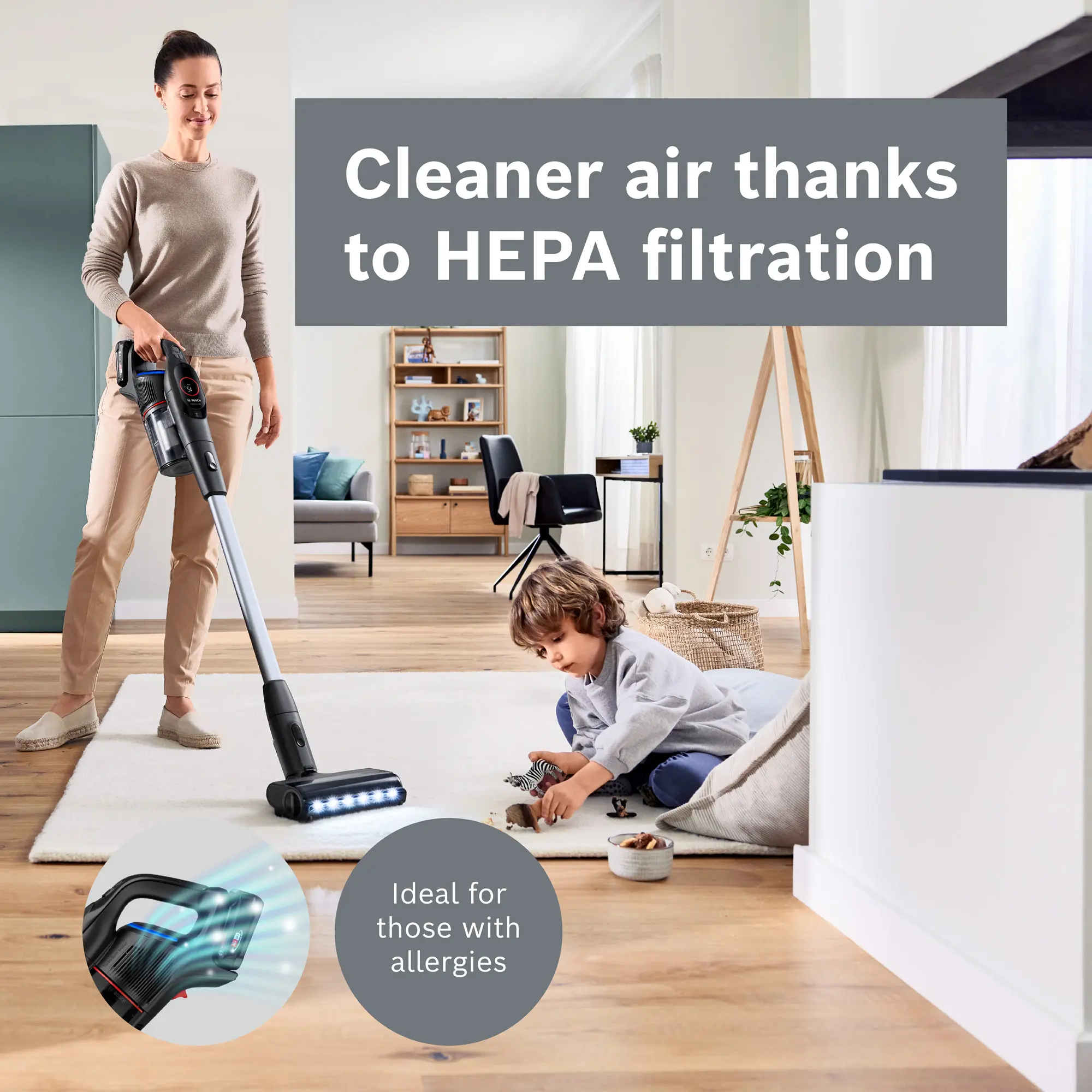
Are stick vacuums good for allergies?
Stick vacuums can be good for allergies, but not all of them are. The best ones have strong suction, a sealed system, and a HEPA filter that traps tiny particles instead of blowing them back into the room.
If you deal with dust mites, pet dander, pollen, or fine debris, a good stick vacuum can make daily cleaning easier and faster. But if the vacuum has weak filtration or leaks dust when you empty it, it may not be the best choice for serious allergy control.
Why filtration matters so much
Allergy symptoms are often triggered by tiny airborne particles. These can include pet dander, pollen, mold spores, and dust mite waste. A vacuum that captures those particles well can help reduce exposure over time.
HEPA filtration is one of the most important features to look for. True HEPA filters are designed to trap very small particles, which is why they are often recommended for homes where allergies are a concern.
My experience with stick vacuums and allergies
In my experience testing different vacuums in real homes, stick vacuums are great for quick, frequent cleaning. They shine in apartments, bedrooms, and homes with hard floors and light carpet. The mistake I see most often is people buying a stylish, lightweight vacuum and assuming it will be allergy-friendly by default.
That is not always true. I have used models that looked excellent on paper but leaked dust at the bin or had poor edge sealing. The result was simple: the floor looked clean, but the air still felt irritating.

What makes a vacuum allergy-friendly?
An allergy-friendly vacuum does more than pick up dirt. It should trap allergens, keep them sealed inside, and release clean air back into the room.
Here are the main features that matter most:
- HEPA filtration: Captures very small particles that can trigger symptoms
- Sealed system: Prevents dust from escaping through cracks and joints
- Strong suction: Helps lift dust, pet hair, and debris from floors and fabrics
- Easy-to-empty bin: Reduces dust clouds when disposing of debris
- Brush roll control: Helps clean both hard floors and carpets without scattering allergens
- Bagged design, if available: Can be better for people who want less exposure when emptying
HEPA and sealed systems
A HEPA filter alone is helpful, but it is not enough if the vacuum leaks air. The whole system needs to be sealed so the dirt goes in and stays in. That is why some allergy experts and indoor air quality groups recommend vacuums with both HEPA filtration and a sealed design.
Bagged vs. bagless stick vacuums
This is one area where I always tell people to think about their routine.
- Bagged vacuums often trap dust better during disposal
- Bagless vacuums are easier to use and more common in stick models
- Bagless bins can release a puff of dust when emptied, which may bother allergy sufferers
If your allergies are strong, bagged options may be worth the tradeoff, even if they are less convenient.
When stick vacuums work well for allergies
Stick vacuums are often a good fit in homes where cleaning happens often and messes are mostly light to moderate. They are especially useful when you want a vacuum that is easy to grab and use every day.
They tend to work best in these situations:
- Apartments and smaller homes
- Homes with mostly hard floors
- Light carpet or low-pile rugs
- Homes with pets that shed
- People who clean often instead of doing deep cleans once a week
Why frequent cleaning helps
Allergens build up quickly. A stick vacuum makes it easier to do short cleaning sessions more often, and that can be a big advantage. Instead of waiting until dust piles up, you can clean a hallway, bedroom, or couch in minutes.
That kind of routine can reduce the amount of allergen material sitting around in your home. For many people, that matters more than raw vacuum power alone.
Where stick vacuums fall short
Stick vacuums are not perfect. Some are built for speed and convenience, not deep allergen capture.
Common limitations include:
- Smaller dust bins that fill fast
- Less suction than full-size upright vacuums
- Shorter battery life on cordless models
- More dust exposure when emptying the bin
- Weaker performance on thick carpet or deep rugs
Deep carpet can be a problem
If your home has thick carpet, a stick vacuum may not pull out as much embedded dust and dander as a stronger upright model. That does not mean it is useless. It just means you may need a more powerful vacuum for deep cleaning or a second machine for high-traffic areas.
Emptying the bin can trigger symptoms
This is one of the biggest allergy issues with bagless stick vacuums. When you dump the dust cup, a little cloud of fine debris can escape. If you are sensitive to dust, that moment can be enough to trigger sneezing or irritation.
A simple workaround is to empty the bin outdoors or wear a mask if you are highly sensitive.
Best features to look for in a stick vacuum for allergies
If allergies are part of your daily life, choose carefully. A vacuum that looks sleek is not always the best one for clean air.
Look for these features:
- True HEPA filter or equivalent high-efficiency filtration
- Fully sealed airflow path
- Motorized brush head for carpets and rugs
- Strong suction with good pickup on fine dust
- Easy maintenance and washable parts
- Low-dust emptying design
- Good reviews from users with pets or allergies
Cordless vs. corded stick vacuums
Both can work, but they suit different needs.
- Cordless models are easier for quick cleanups and stairs
- Corded models often give steadier power for longer cleaning sessions
- Cordless vacuums may lose suction as the battery drops
- Corded vacuums are often better for deeper cleaning in one pass
If you have allergies and a larger space, a corded stick vacuum may give you more dependable performance.
Tips to get the most allergy relief from a stick vacuum
A good vacuum helps, but technique matters too. Even the best machine can underperform if it is used in a sloppy way.
Try these practical tips:
- Vacuum at least two to three times a week if allergies are active
- Use slow passes so the vacuum can pick up more fine dust
- Clean mattress edges, baseboards, and under furniture
- Replace or wash filters on schedule
- Empty dust bins outside when possible
- Keep brush rolls free of hair and lint
- Pair vacuuming with damp dusting to reduce particles in the air
A simple cleaning routine that helps
One routine I like is this:
- Vacuum bedrooms first, since that is where people spend hours breathing the same air
- Move to living areas next
- Finish with high-touch areas like corners, vents, and rugs
- Use a damp microfiber cloth after vacuuming to catch loose dust
This kind of routine keeps allergens from settling back down right after you clean.
:max_bytes(150000):strip_icc()/vacuums-for-allergies-lab-tested-and-expert-approved-tout-2ca8983cbb2645d5a317dd0d80b7b178.jpg)
Are stick vacuums enough for pet allergies?
They can help a lot, especially if your main issue is pet hair and dander on floors and furniture. But if you have strong pet allergies, you may need more than just a stick vacuum.
Pet dander is tiny and sticky. It can cling to rugs, upholstery, and bedding, so a vacuum with strong suction and good filtration is important. You may also need to wash bedding often, groom pets regularly, and limit carpeted areas if symptoms are severe.
Are stick vacuums good for asthma and dust sensitivity?
For many people, yes, but only if they are designed well. A vacuum that stirs up dust or leaks particles can make asthma or dust sensitivity worse.
People with asthma often do better with:
- HEPA filtration
- Sealed systems
- Low-dust emptying
- Cleaning when they are not in the room
- Wearing a mask during bin emptying or filter changes
If your breathing symptoms are serious, it is smart to ask a healthcare professional what home cleaning setup fits your needs best.
How stick vacuums compare with other vacuum types
Stick vacuums are not the only option. They are just one tool in the allergy-control toolbox.
Stick vacuums
Good for:
- Fast cleanup
- Small spaces
- Hard floors
- Light to moderate messes
Not ideal for:
- Thick carpet
- Very large homes
- Heavy-duty deep cleaning
Upright vacuums
Good for:
- Deep carpet cleaning
- Stronger suction in many cases
- Larger dust bins or bags
Not ideal for:
- Lightweight daily use
- Stairs or tight spaces
Canister vacuums
Good for:
- Versatile cleaning
- Upholstery, stairs, and floors
- Strong filtration in some models
Not ideal for:
- Storage space
- Simplicity if you want grab-and-go use
What studies and experts generally agree on
Air quality and allergen control experts generally emphasize the same idea: remove allergens from the home without putting them back into the air. That is why filtration, sealing, and careful disposal matter so much.
Household cleaning research has also shown that regular vacuuming can reduce dust and allergen buildup. The main caveat is that the vacuum must trap particles effectively. If it leaks, it may move allergens around instead of removing them.
Frequently Asked Questions of Are stick vacuums good for allergies?
Do stick vacuums have HEPA filters?
Some do, but not all. If allergies matter to you, check the product details carefully and look for true HEPA filtration or a comparable high-efficiency filter.
Are cordless stick vacuums good for allergies?
Yes, they can be, especially for quick daily cleaning. Just make sure the vacuum has strong suction, a sealed design, and an easy way to empty the bin without kicking up dust.
Is a bagged vacuum better than a stick vacuum for allergies?
Often, yes, because bagged vacuums usually release less dust when you throw away debris. But a high-quality stick vacuum with good filtration can still work well for many allergy sufferers.
How often should I vacuum if I have allergies?
Most people do better when they vacuum at least two to three times a week, and more often if they have pets or heavy dust. Bedrooms and living rooms should get the most attention.
Can stick vacuums remove dust mites?
They can help reduce dust mite debris from floors, rugs, and fabric surfaces, but they will not remove every allergen source. Washing bedding in hot water and controlling humidity are also important.
What is the biggest mistake people make with allergy vacuums?
The biggest mistake is focusing only on suction or style and ignoring filtration and sealing. A vacuum that looks powerful but leaks dust can be frustrating for anyone with allergies.
Conclusion
Stick vacuums can absolutely be good for allergies, but only when they are built and used the right way. The best ones have strong suction, sealed airflow, and high-quality filtration that keeps dust and dander from escaping back into your home.
If you want cleaner air with less effort, focus on the full picture: filtration, emptying method, floor type, and how often you clean. Choose a model that fits your space and routine, then use it consistently. If this guide helped, explore more home cleaning tips, compare vacuum features carefully, and leave a comment with your own allergy cleaning experience.

