

Robot vacuums are becoming very popular for keeping homes clean. Many pet owners wonder if these helpful machines are safe for their furry friends. The good news is that most robot vacuums are designed with pet safety in mind.
However, there are a few things to consider to ensure a smooth and safe experience for both your pet and your robot vacuum. This guide will help you understand how to make robot vacuums and pets coexist happily.
Understanding Robot Vacuum Safety Features
Modern robot vacuums come with several features to keep pets safe. Manufacturers know that many homes have pets, so they build these machines with that in mind.
Obstacle Detection And Avoidance
Most robot vacuums use sensors to detect objects in their path. These sensors can identify furniture, walls, and sometimes even pets. This helps the vacuum avoid bumping into things too hard.
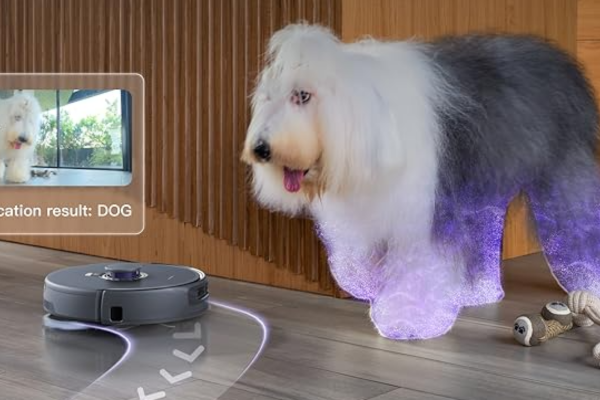
Some advanced models have AI-powered object recognition. This means they can tell the difference between a pet and a piece of furniture. They learn to give pets a wider berth, reducing the chance of startling or bumping into them.
Quieter Operation
While no robot vacuum is completely silent, many are designed to operate at a lower noise level than traditional vacuums. This quieter operation can help prevent pets from becoming overly stressed or frightened by the sound. A less noisy machine is less likely to cause anxiety in sensitive animals.
Brush Design
The brushes on robot vacuums are a key component for cleaning. Manufacturers often use softer brush materials or designs that are less likely to snag on pet fur or accidentally catch a tail. Some models have tangle-free brushes specifically designed to handle pet hair without getting stuck.
Potential Risks And How To Mitigate Them
While robot vacuums are generally safe, there are a few potential risks to be aware of. Being prepared can help you avoid any problems.
Startling Pets
The most common issue is that the sudden movement or noise of a robot vacuum can startle pets. This is especially true for cats and dogs who are not used to the machine. A startled pet might run away, hide, or even become aggressive towards the vacuum.
To help your pet adjust, start by running the vacuum for short periods when you are home. Let your pet observe the vacuum from a distance. You can also try placing the vacuum in a room your pet doesn’t frequent initially.
Ingestion Of Pet Waste
A more serious, though less common, risk is the robot vacuum encountering and trying to clean up pet accidents, like vomit or feces. If this happens, the vacuum can spread the mess around the house, creating a much bigger cleanup job.
Accidental Entrapment
Though rare, there’s a small chance a pet could get accidentally trapped under a robot vacuum if it gets stuck in a tight spot. This is more likely with very small pets or if the vacuum gets wedged somewhere unusual.
How To Mitigate Risks
- Introduce Slowly: Let your pet get used to the vacuum’s presence before turning it on.
- Supervise Initially: Watch your pet’s reaction during the first few cleaning sessions.
- Use Pet-Friendly Settings: Some vacuums have modes that allow for slower speeds or less aggressive cleaning patterns.
- Clean Up Accidents Promptly: The best way to prevent a mess is to clean up pet accidents as soon as possible.
- Consider a “No-Go Zone”: Many modern robot vacuums allow you to set virtual boundaries or physical barriers to keep them away from pet food bowls, water dishes, or areas where accidents might occur.
- Check Manufacturer Guidelines: Always read the manual for your specific robot vacuum model to understand its pet-related features and safety recommendations.
Choosing The Right Robot Vacuum For Pet Owners
Not all robot vacuums are created equal when it comes to pets. Here are some features to look for:
Strong Suction And Good Filtration
Pets shed a lot, so you need a vacuum with strong suction power to pick up all that fur. Look for models specifically advertised as good for pet hair. A good HEPA filter is also important to trap allergens and fine dust particles that pet dander can carry.
Tangle-free Brushes
As mentioned earlier, tangle-free brushes are a lifesaver for pet owners. These brushes are designed to resist getting clogged with long pet hair, meaning you won’t have to stop the vacuum as often to untangle them.
Large Dustbin Capacity
With all the pet hair, robot vacuums can fill up quickly. A larger dustbin means fewer interruptions during cleaning cycles. Some models also have self-emptying bases, which can be a great convenience.
Smart Navigation And Mapping
Vacuums with smart navigation and room mapping can clean more efficiently. They learn the layout of your home, avoid getting stuck as often, and can be programmed to clean specific areas. This is useful for setting “no-go zones” around pet areas.
Here’s a comparison of features that are particularly helpful for pet owners:
| Feature | Importance for Pet Owners | Notes |
|---|---|---|
| **Strong Suction** | High | Essential for picking up pet hair and dander. |
| **Tangle-Free Brushes** | High | Reduces maintenance and keeps the vacuum running smoothly. |
| **HEPA Filtration** | Medium-High | Helps improve air quality by trapping allergens. |
| **Smart Navigation** | Medium | Efficient cleaning, allows for “no-go zones.” |
| **Large Dustbin** | Medium | Less frequent emptying. Self-emptying bases are a bonus. |
| **Quiet Operation** | Medium | Less likely to scare or stress pets. |
| **Obstacle Detection** | Medium | Helps avoid bumping into pets or spreading messes. |
Pet Behavior And Robot Vacuums
How your pet reacts to a robot vacuum can vary greatly. Some pets are curious, some are scared, and some are completely indifferent. Understanding these behaviors can help you manage the situation.
Curious Pets
Some pets, especially cats, might be fascinated by the moving robot vacuum. They may follow it around, bat at it, or even try to ride it. While often harmless, a very playful pet could potentially interfere with the vacuum’s operation or even damage it.
If your pet is too curious, supervise them closely during cleaning. You might need to use the “no-go zones” to keep them and the vacuum separate when unsupervised.
Fearful Pets
Pets that are fearful of loud noises or sudden movements will likely be scared of a robot vacuum. They might hide, bark, or growl at it. For these pets, a slow introduction and positive reinforcement are key.
You can try associating the vacuum with positive experiences, like treats or playtime, when it’s not running. Gradually increase the duration the vacuum is on, always observing your pet’s stress levels. If your pet remains highly anxious, a robot vacuum might not be the best solution for your home.
Indifferent Pets
The best-case scenario is a pet that is completely unfazed by the robot vacuum. They might sleep through its cleaning or simply walk past it without a second thought. These pets typically require the least amount of adjustment.
Training Tips For Pet Owners
- Positive Reinforcement: Reward your pet with treats or praise when they are calm around the running vacuum.
- Desensitization: Slowly expose your pet to the vacuum’s noise and movement over time.
- Safe Spaces: Ensure your pet has a safe, quiet place to retreat to if they feel overwhelmed.
- Never Force Interaction: Do not force your pet to interact with the vacuum. Let them approach it on their own terms.

When To Seek Professional Advice
While robot vacuums are generally safe, if you have a pet with extreme anxiety, aggression issues, or specific health concerns, it’s always wise to consult with a veterinarian or a professional pet behaviorist. They can offer tailored advice for your pet’s unique needs and help you determine if a

