

Are Pet Vacuums Good For Homes With Dogs?
Living with dogs brings immense joy, but it also means dealing with dog hair, dander, and occasional messes. A good vacuum cleaner is essential for keeping your home clean and healthy. But are specialized pet vacuums really worth it for dog owners? The short answer is yes, but understanding what makes them different is key. These vacuums are designed with specific features to tackle the unique challenges that come with furry companions.
From powerful suction to advanced filtration systems, pet vacuums aim to make cleaning easier and more effective. They are engineered to pick up stubborn pet hair that clings to carpets and upholstery, as well as to capture allergens that can trigger allergies.
This article will explore the benefits, key features, and considerations for choosing the right pet vacuum for your dog-friendly home.
Why Pet Vacuums Are Different
Standard vacuum cleaners might struggle with the constant shedding and dirt that dogs bring into a home. Pet vacuums are built to overcome these issues with specialized designs and technologies. They often feature stronger suction power to lift embedded pet hair from deep within carpets. Many also come with specialized brush rolls designed to untangle hair and prevent it from wrapping around the mechanism.
Beyond just hair, dogs can spread allergens like dander and saliva. Pet vacuums typically include advanced filtration systems, such as HEPA filters, to trap these microscopic particles. This not only results in a cleaner floor but also improves indoor air quality, which is crucial for allergy sufferers.
Key Features To Look For
When shopping for a pet vacuum, several features stand out as particularly beneficial for dog owners. Understanding these can help you make an informed decision that best suits your needs and your dog’s presence in your home.
Powerful Suction
Strong suction is paramount. Dogs shed, and their hair can be fine and clingy, embedding itself into carpets and upholstery. A vacuum with robust suction can pull this hair out more effectively than a standard model. Look for vacuums that specify high air watts or sealed system power, as these often indicate superior performance.
Specialized Brush Rolls
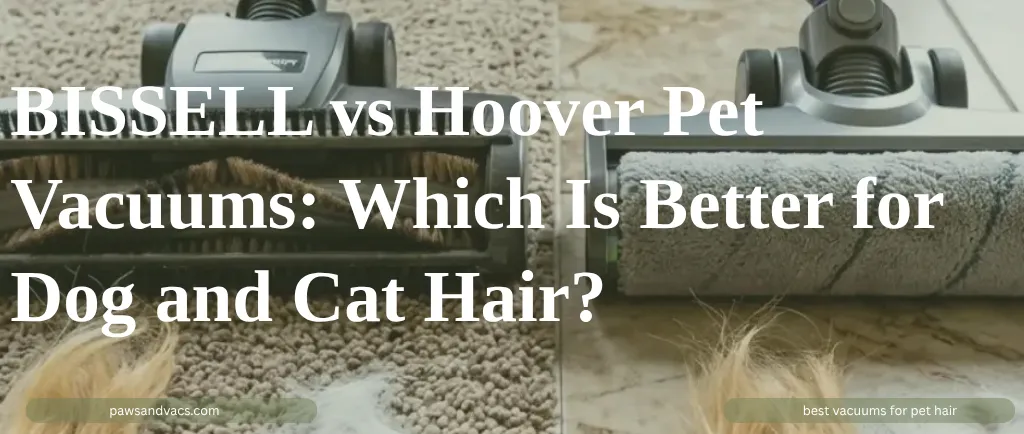
The brush roll, or beater bar, is critical for agitating carpet fibers and lifting debris. Pet vacuums often have brush rolls made with stiffer bristles or designs that are less prone to tangling with long pet hair. Some even have self-cleaning brush rolls, a feature that can save you a lot of hassle.
Advanced Filtration Systems
For homes with dogs, air quality is a major concern. Pet dander is a common allergen. A vacuum with a HEPA (High-Efficiency Particulate Air) filter is highly recommended. These filters can trap 99.97% of particles as small as 0.3 microns, including dander, dust mites, and pollen.
Attachments And Tools
Dog owners benefit greatly from specialized attachments. These can include:
- Upholstery tools: For cleaning furniture where dogs love to lounge.
- Crevice tools: To reach tight spots where hair can accumulate.
- Mini motorized tools: Excellent for stairs and car interiors, often equipped with their own small brush roll to tackle stubborn hair.
Durability And Ease Of Maintenance
A vacuum that can withstand frequent use is important. Look for models made with durable materials. Additionally, consider how easy it is to empty the dustbin and clean or replace filters. Bagless models are common, but some prefer bagged vacuums for better containment of dust and allergens.
Types Of Pet Vacuums
The market offers various types of vacuums, each with pros and cons for dog owners. Choosing the right type depends on your home’s layout, flooring, and your personal cleaning preferences.
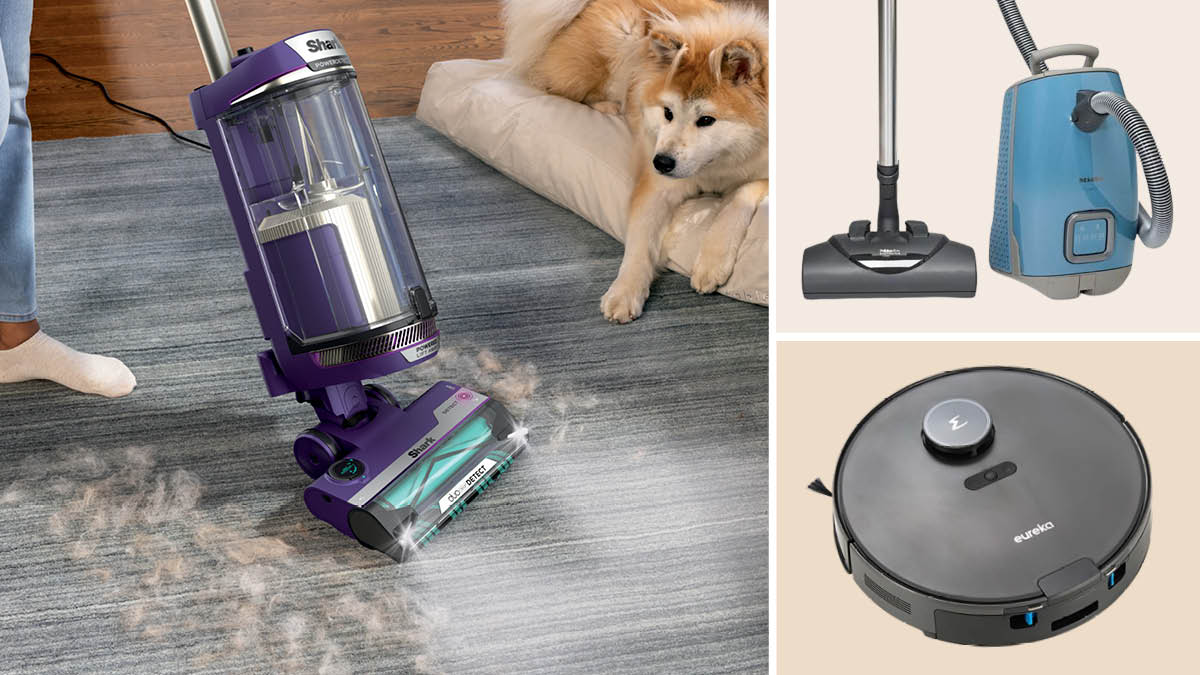
Upright Vacuums
Upright vacuums are a popular choice, especially for homes with wall-to-wall carpeting. They offer powerful suction and wide cleaning paths, making them efficient for large areas. Many high-end uprights come with excellent pet-specific features.
Canister Vacuums
Canister vacuums often provide more versatility. The separate canister and hose allow for easier maneuverability around furniture and for cleaning stairs or above-floor surfaces with attachments. Their suction power is often very strong, and they can be gentler on hard floors.
Stick Vacuums
Stick vacuums are lightweight and convenient for quick cleanups. While some high-powered models can handle pet hair well, they may not be ideal as your primary vacuum for deep cleaning large carpeted areas. Cordless stick vacuums offer ultimate freedom but require battery management.
Robot Vacuums
Robot vacuums can be a great supplement for daily maintenance. They can run automatically to pick up loose hair and debris, reducing the amount of manual vacuuming needed. However, they typically have less suction power than upright or canister models and may struggle with deeply embedded hair or large messes.

How Pet Vacuums Perform In Real Homes
In my experience, a good pet vacuum can significantly reduce the time and effort spent cleaning. For instance, a vacuum with a tangle-free brush roll means less time spent cutting hair off the roller. I found that vacuums with excellent HEPA filtration made a noticeable difference in the air quality after cleaning, especially during shedding season.
A key insight for dog owners is that no single vacuum is perfect for every situation. A powerful upright might be ideal for deep carpet cleaning, while a lightweight stick vacuum is perfect for daily touch-ups on hard floors. The best approach often involves having a primary vacuum suited for deep cleaning and a secondary, more convenient option for quick messes.
Consider this comparison of features:
| Vacuum Type | Best For | Pet Hair Performance | Allergen Control | Convenience |
|---|---|---|---|---|
| Upright | Large carpeted areas | Excellent | Good to Excellent (with HEPA) | Moderate |
| Canister | Versatile cleaning, hard floors, stairs | Excellent | Good to Excellent (with HEPA) | Good |
| Stick | Quick cleanups, hard floors, light traffic areas | Moderate to Good | Moderate (check filter) | Excellent |
| Robot | Daily maintenance, hard floors and low-pile carpets | Fair to Good | Fair to Good (check filter) | Excellent |
Maintaining Your Pet Vacuum
To ensure your pet vacuum continues to perform at its best, regular maintenance is crucial. This is especially true in homes with dogs, where the vacuum works harder.
Emptying The Dustbin
For bagless vacuums, empty the dustbin after each use or when it reaches the full line. This prevents the vacuum from losing suction. If you have a bagged model, replace the bag promptly when it’s full to maintain optimal airflow.
Cleaning Or Replacing Filters
Filters trap dust, dander, and other debris. Depending on the type, they may need to be washed or replaced regularly, often every 3-6 months. A clogged filter severely reduces suction power and can even cause the vacuum to overheat. Always check your vacuum’s manual for specific filter maintenance instructions.
Cleaning The Brush Roll
Pet hair can easily wrap around the brush roll, hindering its ability to clean effectively and potentially damaging the motor. Regularly inspect the brush roll and cut away any tangled hair. Some vacuums have brush rolls designed to resist tangles or are easily removable for cleaning.
Checking Hoses And Attachments
Ensure that hoses and air pathways are clear of any blockages. Hair and debris can sometimes get lodged, reducing airflow. Clean attachments as needed, especially the smaller tools used for upholstery and crevices.
Common Mistakes To Avoid
When choosing and using a vacuum for a dog-friendly home, some common pitfalls can reduce its effectiveness. Being aware of these can help you get

