

Pet hair. It’s a furry badge of honor for pet owners, but it can quickly become a frustrating battle. If you’ve ever wrestled with stubborn pet hair clinging to your furniture, carpets, or clothes, you’ve likely seen vacuum cleaner attachments specifically designed for this problem. But are these pet hair attachments truly worth the extra cost and effort?
Many vacuum cleaners come with a standard set of tools, but for pet owners, specialized attachments can make a significant difference. These tools are engineered with features like rubberized bristles, stronger suction, or unique designs to tackle the unique challenge of pet fur.
Let’s explore whether investing in these specialized tools is a wise decision for keeping your home cleaner and your sanity intact.
The Challenge Of Pet Hair
Pet hair is more than just unsightly; it can embed itself deep into fabric fibers, making it difficult to remove with regular vacuuming. Unlike regular dust, pet hair is often fine, static-charged, and can be shed year-round by many breeds.
This constant shedding means that even frequent cleaning can leave visible traces of fur.
Furthermore, pet dander, tiny flakes of skin shed by animals, is a common allergen. Effective removal of pet hair is crucial not only for cleanliness but also for maintaining a healthier indoor environment for everyone, especially those with allergies. Standard vacuum attachments can sometimes just push the hair around or fail to lift it from the carpet pile.
Types Of Pet Hair Attachments
Vacuum manufacturers offer a variety of specialized attachments designed to combat pet hair. Understanding what each one does can help you decide which, if any, you might need.
Specialized Brush Heads
Many vacuum models offer motorized brush heads specifically designed for pet hair. These often feature stiffer bristles made of rubber or a specific type of nylon that can effectively agitate and lift embedded fur from carpets and upholstery. Some designs also aim to prevent hair from wrapping around the brush roll, a common problem with standard attachments.
Mini Motorized Tools
These are smaller versions of the main vacuum head, often powered by their own motor. They are perfect for cleaning stairs, car interiors, and small upholstered furniture where the main vacuum head might be too bulky. Their compact size and powerful suction make them highly effective at removing hair from tight spaces.
Rubberized Tools
Some attachments are made entirely or partially of rubber. Rubber is excellent at creating a seal and generating static electricity, which helps to attract and lift pet hair from surfaces like hard floors, upholstery, and even clothing. These can be very effective for quick cleanups.
Crevice Tools And Upholstery Tools
While not exclusively for pet hair, specialized versions of these common tools exist. A crevice tool with a narrower opening and stronger suction can be invaluable for getting into tight spots where hair collects, like along baseboards or between couch cushions.
Upholstery tools with wider mouths and effective agitation can speed up the process of cleaning pet beds and furniture.

Are They Worth The Investment?
The question of whether pet hair attachments are “worth it” depends heavily on your specific situation. For households with pets that shed a lot, the answer is often a resounding yes.
Consider a household with two shedding dogs and several upholstered pieces of furniture. Without specialized tools, cleaning can feel like a losing battle, requiring multiple passes and still leaving hair behind. In such cases, a good pet hair attachment can drastically reduce cleaning time and improve the overall cleanliness of the home.
The frustration saved and the improved air quality can easily justify the cost.
However, if you have a pet that sheds very little, or if you have mostly hard floors with minimal carpet, the need for specialized attachments might be less pressing. A good quality vacuum with strong general suction might suffice.
Factors To Consider
- Pet Type and Shedding Level: A Golden Retriever sheds far more than a hairless cat. Assess how much your pet sheds and how much hair you typically find around your home.
- Home Flooring: If you have extensive carpeting and upholstery, pet hair attachments will be more beneficial. For primarily hard floors, the effectiveness might be lower.
- Vacuum Cleaner Quality: A high-powered vacuum with excellent general suction might perform well even with standard attachments. A less powerful vacuum will likely benefit more from specialized tools.
- Cost: Specialized attachments can range from $20 to $100 or more, depending on the brand and type. Weigh this cost against the time and effort you’ll save.
- Allergies: If allergies are a concern, effective pet hair removal is crucial for better air quality. This alone can make the investment worthwhile.
When Standard Tools Might Suffice
It’s important to note that not all pet owners *need* a dedicated pet hair attachment. Some high-end vacuums come with powerful standard tools that are surprisingly effective. For instance, a vacuum with excellent suction power and a well-designed, high-speed brush roll might handle moderate pet hair shedding on carpets adequately.
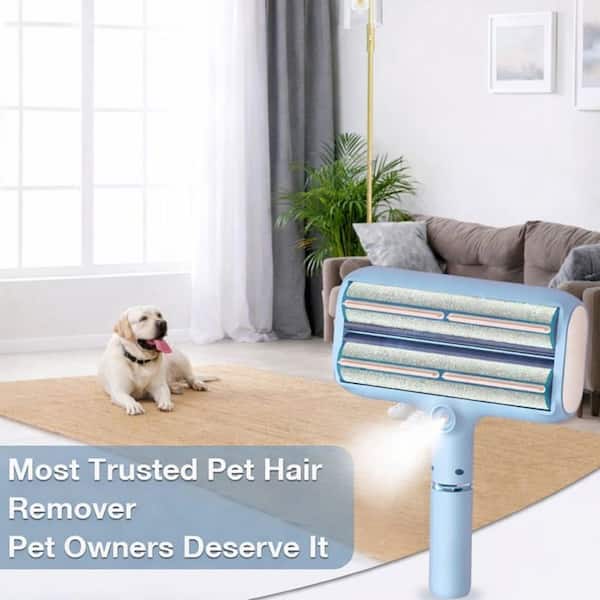
Furthermore, for quick spot cleanings or for pets that don’t shed much, a simple rubber glove or a lint roller can often do the trick for upholstery and clothing. These low-cost solutions can be surprisingly effective for minor messes.
Real-world Impact: A Comparison
Let’s look at how different tools might perform in a common scenario: cleaning a fabric sofa with embedded dog hair.
| Tool Type | Effectiveness on Embedded Hair | Ease of Use | Time to Clean | Potential Issues |
|---|---|---|---|---|
| Standard Upholstery Tool | Moderate | High | 5-10 minutes | May push hair around, requires multiple passes |
| Pet Hair Upholstery Tool | High | High | 2-5 minutes | Can be more expensive, specific to brand |
| Mini Motorized Pet Tool | Very High | High | 2-4 minutes | Requires power from vacuum, can be bulky |
| Rubber Glove (dampened) | Moderate to High | Moderate | 5-8 minutes | Can be tiring, requires frequent rinsing |
| Standard Vacuum Brush (floor) | Low | Low | 10+ minutes | Too large, poor agitation for fabric |
*This table illustrates general performance; actual results can vary based on pet hair type, fabric, and vacuum model. *
In my experience testing various vacuum cleaners, the mini motorized pet tool consistently stands out. Its ability to agitate and suck up hair in a small, targeted area is unmatched for furniture and stairs. It’s a clear upgrade from standard attachments when dealing with significant shedding.
Pro Tip: Maintenance Is Key
Regardless of the attachments you use, regular maintenance of both your vacuum and the attachments is crucial. Pet hair and debris can clog filters, clog brush rolls, and reduce suction power. Cleaning filters, emptying the dustbin frequently, and removing tangled hair from brush rolls will ensure your vacuum and its attachments perform at their best. A clogged vacuum is an ineffective vacuum, no matter how specialized its tools.

Alternatives To Consider
If you’re hesitant about buying specialized attachments or a new vacuum, consider these alternatives:
- Grooming Your Pet: Regular brushing of your pet can significantly reduce the amount of loose hair that ends up in your home. Investing in a good deshedding tool can make a huge difference.
- Protective Covers: Use washable covers on your furniture, especially on spots where your pet likes to lounge. This makes cleaning much easier, just toss the cover in the wash.
- Robotic Vacuums: Some robotic vacuums are designed with pet owners in mind, featuring tangle-free brush rolls and strong suction. They can help maintain a baseline level of cleanliness between deeper cleans.
- High-Quality Lint Rollers: For quick touch-ups on clothes or small furniture areas, industrial-strength lint rollers can be very effective.
Frequently Asked Questions
What Is The Most Effective Type Of Pet Hair Attachment?
The most effective type often depends on the surface. For carpets and upholstery, mini motorized pet tools and specialized pet hair brush heads with rubber bristles tend

