

HEPA stick vacuums are worth it if you want lighter cleaning with better allergen control.
If you’ve ever watched dust puff back into the air after vacuuming, you already understand why this question matters. I’ve tested enough vacuums in real homes to know that the best choice is not always the biggest machine, but the one that fits your floors, your allergies, and your daily routine. Here’s the honest breakdown of whether a HEPA stick vacuum is worth the money, what it can and cannot do, and how to choose one that actually helps in real life.
What a HEPA stick vacuum really is
A HEPA stick vacuum is a lightweight upright vacuum with a HEPA filter built into the system. HEPA stands for High Efficiency Particulate Air, and it is designed to trap very small particles, including dust, pollen, pet dander, and some smoke particles.
That sounds simple, but the details matter. A true HEPA filter is made to capture 99.97% of particles as small as 0.3 microns under test conditions. In plain English, that means it can help keep tiny irritants from blowing back into the room while you clean.
A stick vacuum is also different from a full-size upright or canister vacuum. It is usually slimmer, lighter, and easier to grab for quick messes. That makes it popular in apartments, homes with stairs, and busy households.
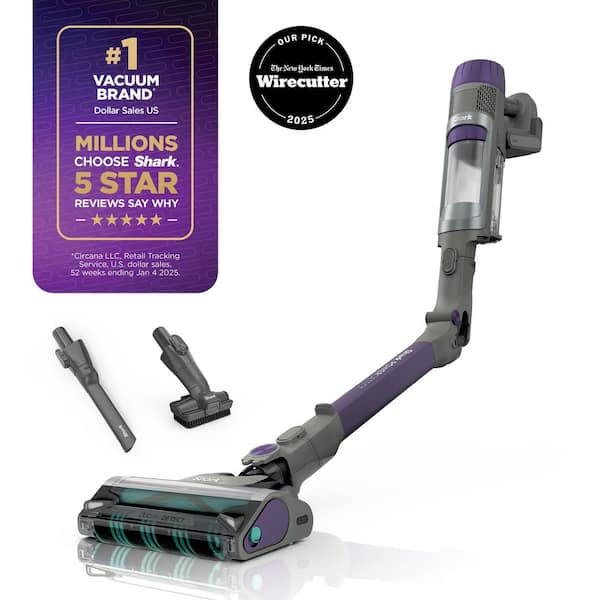
Are HEPA stick vacuums worth it for most people?
Yes, a HEPA stick vacuum is worth it for many households, especially if you value ease of use, fast cleanup, and cleaner indoor air.
The main reason is convenience. If a vacuum is light and easy to store, people tend to use it more often. And that matters more than many shoppers think, because the best vacuum is the one you actually reach for after crumbs, pet hair, and daily dust build up.
From my experience, this is where HEPA stick vacuums shine:
• Apartments and small homes where storage space is limited
• Homes with pets that shed often
• Allergy-prone households that want less dust release
• Families who need a quick cleanup tool for daily messes
• People who hate dragging out a heavy vacuum for small jobs
But they are not always the best choice. If you have thick carpet, a very large house, or deep cleaning needs, a stick vacuum may not replace a stronger full-size model. HEPA helps with filtration, but suction, brush design, and battery life still matter a lot.
Why HEPA filtration matters
HEPA filtration matters because vacuuming can stir up fine dust if the vacuum does not seal and filter well. That can be frustrating for people with allergies, asthma, or sensitivity to dust.
A good HEPA vacuum helps trap more of what gets pulled in. That can include common indoor triggers such as:
• Dust mites
• Pet dander
• Pollen
• Mold spores
• Fine debris from carpets and hard floors
I learned this the hard way years ago when I used a cheap stick vacuum that looked great on paper but kicked out a dusty smell every time I emptied it. The floors looked clean, but the air told a different story. A better sealed HEPA model made a noticeable difference in how fresh the room felt after cleaning.
It is also important to know that “HEPA-like” or “HEPA-style” is not the same as true HEPA. Marketing terms can be slippery. If filtration is a big reason you are buying, look for true HEPA or sealed HEPA systems, not just a catchy label.
The real benefits of HEPA stick vacuums
HEPA stick vacuums offer a nice mix of air quality help and everyday ease. That combination is what makes them so appealing.
Better for allergy control
A sealed HEPA system can help reduce the amount of fine particles that escape back into the room. That is useful if someone in the home sneezes a lot, has asthma, or just feels better in a cleaner space.
Easy to use
Stick vacuums are usually lighter than upright vacuums. That means less strain on your back, wrists, and shoulders. For older adults or anyone who dislikes heavy cleaning gear, that can be a big win.
Great for quick cleanups
Spilled cereal, cat litter dust, and pet hair do not wait for a full cleaning day. A stick vacuum is easy to grab fast, which helps prevent small messes from becoming big ones.
Good for mixed floors
Many HEPA stick vacuums work well on hardwood, tile, laminate, and low-pile rugs. That makes them a flexible choice for homes with more than one surface.
Easier storage and charging
Most models take up less room than standard vacuums. If you live in a small apartment or a home with no utility closet, that matters.
The limits you should know before buying
HEPA stick vacuums are useful, but they come with trade-offs. Knowing those limits saves money and disappointment.
Battery life can be short
Cordless stick vacuums often run for 20 to 60 minutes, depending on the mode. If you use boost mode for strong suction, the battery may drain much faster.
Dust bins are usually small
You may need to empty them often, especially with pets or heavier debris. That is fine for quick cleanups, but less ideal for big jobs.
Some models struggle with deep carpet
A HEPA filter does not fix weak suction or a poor brush roll. Thick carpet still needs strong airflow and a good cleaning head.
Filtration depends on the full seal
A HEPA filter only helps as much as the rest of the vacuum design allows. If air leaks around the filter or housing, more dust can escape than you expect.
They can cost more than basic models
A truly good HEPA stick vacuum may cost more upfront. Still, the extra cost can be fair if you use it often and care about air quality.
Who should buy one
A HEPA stick vacuum makes the most sense for certain types of homes and habits.
You should strongly consider one if you are:
• An allergy sufferer who wants less dust in the air
• A pet owner dealing with fur and dander
• A parent who cleans up crumbs and messes all day
• A renter or apartment dweller with limited storage
• Someone who prefers lightweight, low-effort cleaning tools
You may want to skip one if you are:
• Cleaning a large home with lots of thick carpet
• Looking for one vacuum to handle major deep-clean jobs
• On a very tight budget and only need occasional vacuuming
• Expecting cordless convenience and full-size suction in one machine
In real life, the best setup for many households is not one vacuum to rule them all. It is a HEPA stick vacuum for daily messes and a stronger vacuum for deep cleaning every week or two.

How to choose the right HEPA stick vacuum
Choosing the right model is less about the brand hype and more about the details that affect daily use. I always tell people to shop with their floors and habits in mind, not just with the spec sheet.
Check for true HEPA and sealed filtration
Look for “true HEPA” or a fully sealed system. If the vacuum leaks air around the filter, the HEPA part does less good.
Look at battery runtime
Think about how long you actually clean at once. A 30-minute battery may be fine for a small apartment, but not for a whole house.
Match the vacuum to your flooring
• Hardwood and tile: Most stick vacuums do well
• Low-pile carpet: Many models can handle this
• Thick carpet: Look for stronger suction and a carpet-friendly brush head
Pay attention to weight
A vacuum that is too heavy stops feeling convenient. If you have stairs or limited strength, every extra pound matters.
Check the dustbin size
A small bin means more frequent emptying. That is okay if you vacuum often, but annoying during bigger cleans.
Look for washable parts
Washable filters, easy-to-clean brush rolls, and simple bin emptying can make maintenance much easier over time.
Common mistakes buyers make
A lot of people buy based on one feature and regret the rest later. I have seen this pattern again and again.
Here are the biggest mistakes to avoid:
• Buying a HEPA sticker instead of checking for a sealed HEPA system
• Choosing a cordless model without checking runtime in real use
• Assuming light weight always means strong performance
• Ignoring pet hair needs and brush roll design
• Forgetting to consider filter and bin maintenance
• Picking a vacuum that is great on hard floors but weak on carpet
The biggest lesson is simple: filtration is only one part of the story. A HEPA stick vacuum should clean well, not just filter well.
Are HEPA stick vacuums good for allergies and asthma?
Yes, they can help, but they are not a cure-all. A HEPA stick vacuum may reduce the amount of fine dust and allergens stirred into the air during cleaning.
That said, the vacuum should be used as part of a larger plan. Good ventilation, regular dusting, clean filters, and frequent bed and floor cleaning all help too.
For homes with asthma concerns, the best approach is usually:
• Use a sealed HEPA vacuum
• Empty the bin carefully, ideally outdoors or away from your face
• Clean or replace filters as instructed
• Vacuum regularly instead of waiting for big dust buildup
In my own experience, a HEPA vacuum made the biggest difference when paired with frequent cleaning. One tool helped, but consistency helped more.
HEPA stick vacuums vs regular stick vacuums
A regular stick vacuum can still be useful, but HEPA gives you a stronger edge if air quality matters.
Here is the simple difference:
• Regular stick vacuum: Good for fast debris pickup, but may release more fine particles
• HEPA stick vacuum: Better for trapping small particles and improving cleanup quality
If your home does not have allergy concerns and you mostly want a quick crumb catcher, a basic stick vacuum might be enough. If you want cleaner exhaust air and better dust control, HEPA is the smarter choice.
What a HEPA stick vacuum cannot do
It is easy to overestimate what HEPA means. A filter is helpful, but it is not magic.
A HEPA stick vacuum cannot:
• Replace a deep carpet cleaner
• Fix poor suction
• Remove all allergens from the home
• Clean clogged vents or upholstery as thoroughly as a dedicated machine
• Work well forever without maintenance
That is why honest expectations matter. Think of it like a good kitchen knife. It is very useful, but it is still just one tool in the drawer.
Frequently Asked Questions
Do HEPA stick vacuums really make a difference?
Yes, they can make a real difference for dust control and allergy reduction, especially when the vacuum is sealed well. They are most helpful when used regularly and maintained properly.
Are HEPA stick vacuums better than upright vacuums?
Not always. HEPA stick vacuums are usually lighter and easier to use, while upright vacuums often have better deep-cleaning power on carpet. The better choice depends on your floors and cleaning needs.
How often should I clean the filter?
Follow the manufacturer’s guidance, but many washable filters need regular cleaning every few weeks. If suction drops or the vacuum smells dusty, the filter may already need attention.
Can a HEPA stick vacuum handle pet hair?
Yes, many can, especially on hard floors and low-pile carpet. For heavy shedding, look for strong suction, a tangle-resistant brush roll, and a larger dustbin.
Is a cordless HEPA stick vacuum worth the price?
It can be, if you value convenience and use it often. The higher price makes more sense when the vacuum fits your routine, floor type, and storage space.
Conclusion
HEPA stick vacuums are worth it for many people, especially if you want a light, easy vacuum that also helps trap fine dust and allergens. They are a smart fit for apartments, pet homes, and anyone who wants quick cleanups without dragging out a bulky machine.
The key is to buy for your real life, not the marketing pitch. Check for true HEPA filtration, a sealed design, solid suction, and a battery that matches your home. If you choose well, a HEPA stick vacuum can make cleaning simpler, faster, and a lot less annoying.
If you are comparing models now, make a short list of what matters most in your home and keep that close while shopping. And if you’ve used a HEPA stick vacuum before, share your experience or keep reading more cleaning guides to find the best fit for your space.

