

Are Hepa Filters Good For Pet Hair?
Yes, HEPA filters are very good for capturing pet hair and other allergens. They are designed to trap tiny particles, including pet dander, dust mites, and pollen, which often get mixed with pet hair. This makes them a crucial component in air purifiers for pet owners.
Many pet owners struggle with airborne allergens and the constant presence of pet hair. While vacuuming and regular cleaning help, these methods don’t always tackle the microscopic particles that cause allergies or contribute to indoor air pollution. This is where air purifiers with HEPA filters come into play, offering a more comprehensive solution for cleaner air.
How Hepa Filters Work For Pet Owners
HEPA stands for High-Efficiency Particulate Air. A true HEPA filter is certified to capture at least 99.97% of airborne particles that are 0.3 microns in size. This size is crucial because many allergens, including pet dander, mold spores, and dust mites, are around this size or even smaller.
When air passes through a HEPA filter, these tiny particles, including pet hair fragments and dander, get trapped. This process significantly reduces the amount of allergens circulating in your home, leading to better air quality. For pet owners, this means less sneezing, fewer allergy symptoms, and a generally cleaner living environment.
Beyond Just Hair: What Hepa Filters Capture
While pet hair itself is relatively large and often gets caught by pre-filters, the real benefit of HEPA filters for pet owners lies in what they capture alongside the hair. Pet dander, which are microscopic skin flakes, are a major allergen.
These are often too small to be seen but can cause significant allergic reactions.
HEPA filters are also effective at trapping:
- Pet dander: Tiny flakes of skin shed by cats, dogs, and other furry animals.
- Pollen: Often tracked into the home on pet fur.
- Mold spores: Can be present in areas where pets frequent.
- Dust mites: Microscopic creatures that thrive in carpets and upholstery.
- Bacteria and viruses: Though not their primary function, HEPA filters can capture some airborne pathogens.
The Role Of Pre-filters
Most air purifiers designed for pet owners include a pre-filter. This is a coarse layer that sits in front of the HEPA filter. Its main job is to catch larger particles like visible pet hair, lint, and dust bunnies.
Using a pre-filter is important for several reasons:
- Extends HEPA filter life: By trapping the bulk of the larger debris, the pre-filter prevents the more delicate HEPA filter from clogging up too quickly. This means you won’t have to replace the HEPA filter as often.
- Improves overall efficiency: A clean HEPA filter can work more effectively when it’s not burdened by large particles.
- Easier cleaning: Pre-filters are often washable or vacuumable, making maintenance simpler.
When looking for an air purifier for pets, ensure it has both a robust pre-filter and a true HEPA filter.
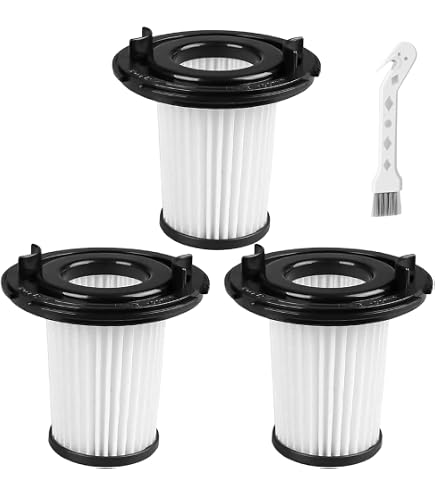
Hepa Vs. Other Filter Types For Pet Hair
It’s helpful to understand how HEPA filters compare to other common filter types found in air purifiers, especially when dealing with pet-related issues.
| Filter Type | Effectiveness Against Pet Hair & Dander | Pros | Cons |
|---|---|---|---|
| HEPA Filter | Excellent for dander, microscopic particles. Captures larger hair fragments with pre-filter. | Traps 99.97% of particles 0.3 microns. Reduces allergens effectively. | Requires replacement, can be expensive. Does not remove odors or VOCs alone. |
| Activated Carbon Filter | Good for odors and VOCs (volatile organic compounds) from pets. Not effective for hair or dander. | Excellent odor absorption. Removes chemical pollutants. | Does not filter particles. Needs replacement. |
| Electrostatic Filter | Can capture some dander and hair through static charge. | Washable, reusable. Lower running cost. | Can produce ozone (harmful). Effectiveness decreases as plates get dirty. Less efficient than HEPA for tiny particles. |
| UV-C Light | Does not filter hair or dander. Kills some airborne germs. | Can sanitize air. | Ineffective for particles. Potential ozone production. |
For pet owners, a combination of a HEPA filter and an activated carbon filter is often the most beneficial. The HEPA filter handles the dander and hair particles, while the carbon filter tackles pet odors. Some purifiers also have a washable pre-filter for the larger hair.
Choosing The Right Air Purifier For Your Pet Home
When selecting an air purifier for a home with pets, consider these factors:
- Room Size and CADR: Ensure the air purifier is rated for the size of the room you plan to use it in. Look for the Clean Air Delivery Rate (CADR), which indicates how quickly the unit can clean the air. Higher CADR is better for larger spaces or heavily affected areas.
- True HEPA Filter: Always look for a “True HEPA” filter, not just “HEPA-like” or “HEPA-type.” This guarantees the filter meets the 99.97% efficiency standard for 0.3-micron particles.
- Pre-Filter: A washable pre-filter is a must-have for pet owners to catch visible hair and extend the life of the HEPA filter.
- Activated Carbon Filter: If pet odors are a concern, ensure the unit has a substantial activated carbon filter.
- Noise Level: Air purifiers can run continuously, so check the noise level (measured in decibels, dB) to ensure it won’t be disruptive, especially in bedrooms.
- Filter Replacement Cost: HEPA filters need to be replaced periodically (usually every 6-12 months). Factor this ongoing cost into your decision.

Pro Tip: Placement Matters
For maximum effectiveness, place your air purifier in the room where your pet spends the most time, or where you notice the most pet hair and dander. Placing it near where your pet sleeps or eats can help capture airborne particles at the source.
Avoid placing it directly behind furniture, as this can obstruct airflow.
Maintenance For Optimal Performance
To keep your air purifier working efficiently, regular maintenance is key.
- Clean the pre-filter: Wash or vacuum the pre-filter regularly, ideally every 2-4 weeks, depending on how much pet hair it collects. A clogged pre-filter reduces airflow and strains the HEPA filter.
- Replace the HEPA filter: Follow the manufacturer’s recommendations for HEPA filter replacement, typically every 6-12 months. Some purifiers have indicator lights to remind you.
- Clean the unit: Wipe down the exterior and interior of the air purifier periodically to remove dust buildup.
Neglecting maintenance can significantly reduce the purifier’s effectiveness and shorten the lifespan of the filters.
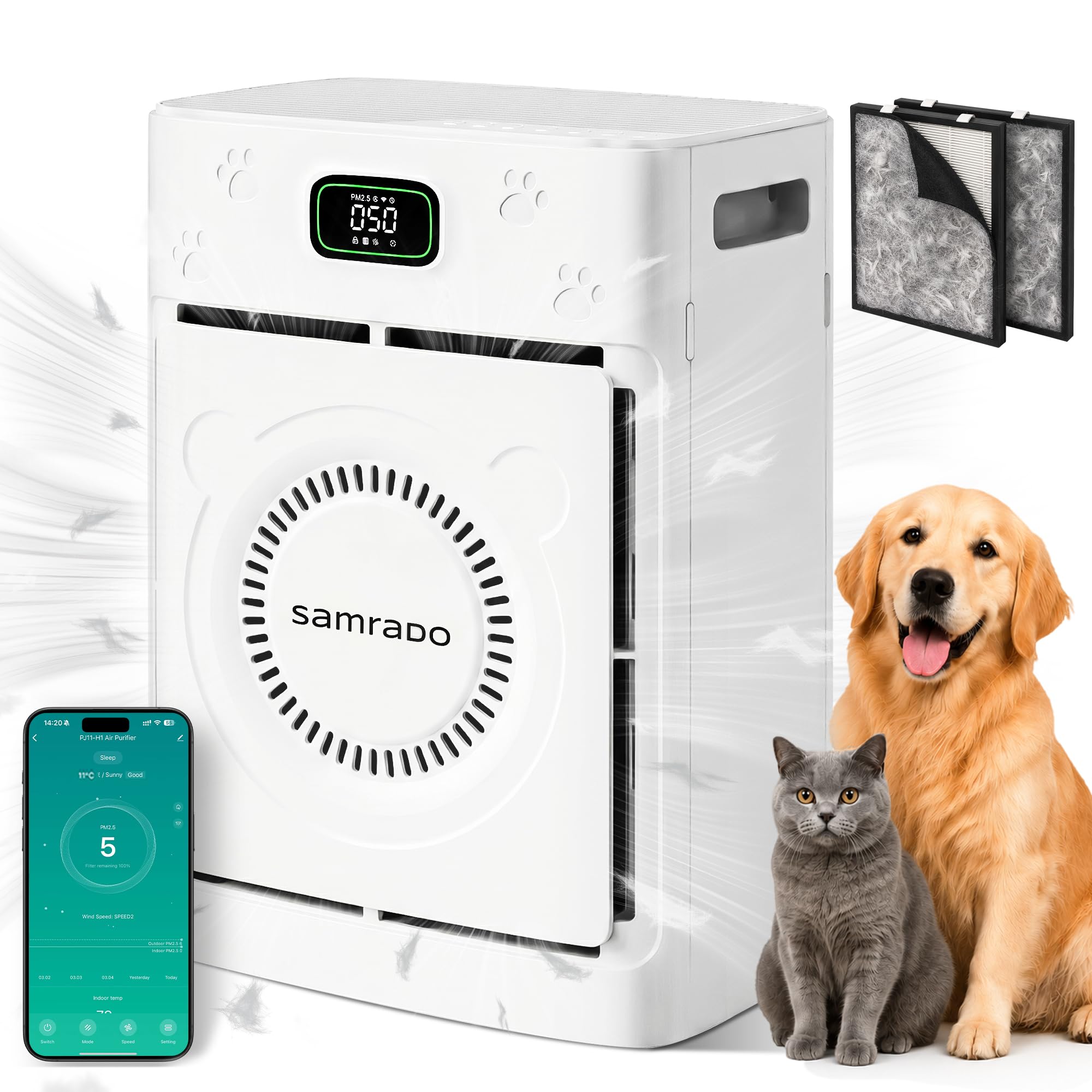
Are They Worth It For Pet Owners?
In my experience, air purifiers with HEPA filters are a worthwhile investment for pet owners, especially those with allergies or sensitivities. They don’t replace the need for regular cleaning like vacuuming and dusting, but they complement these efforts by continuously removing airborne dander, hair fragments, and other allergens from the air.
This leads to a noticeable improvement in indoor air quality and can significantly reduce allergy symptoms.
While the initial cost and ongoing filter replacement can add up, the benefits of breathing cleaner air, reducing allergens, and minimizing pet odors often outweigh the expenses for many pet households.

