

Are Cordless Vacuums Worth It?
Vacuum cleaners have changed a lot in the past decade. Today, many people are considering if they should buy a cordless vacuum or stick to a traditional corded model. You see ads showing lightweight, powerful cordless vacuums cleaning up messes in seconds. But are they really as good as they look? Are cordless vacuums worth the price, or are they just a fancy extra? If you’re trying to decide, you’re not alone. This guide breaks down the facts, compares important features, and shares real-life insights to help you make the best choice for your home and budget.
What Makes Cordless Vacuums Different?
Cordless vacuums are designed to be lighter, easier to carry, and more flexible than classic corded vacuums. Instead of plugging into a wall, they run on rechargeable batteries—usually lithium-ion. This simple change affects almost everything about how you clean.
Cordless vacuums are often:
- Slimmer and lighter (many weigh less than 7 lbs)
- Bagless, using easy-to-empty dust bins
- Versatile, with attachments for floors, carpets, furniture, and even cars
These features have made cordless vacuums popular in homes, apartments, and for quick clean-ups. But they also bring some new challenges.
Key Benefits Of Cordless Vacuums
Why do people switch to cordless? The main reasons are about convenience and speed. Let’s look at the most important benefits.
1. True Portability
Without a cord, you can move from room to room, up stairs, or even clean your car without searching for outlets. This is especially helpful in homes with lots of furniture or awkward spaces.
2. Lightweight Design
Most cordless vacuums are much lighter than upright or canister models. For example, the Dyson V8 weighs about 5.75 lbs, while many upright vacuums can weigh 15 lbs or more. This makes it easier for people of all ages to use, especially for quick jobs.
3. Quick Start And Storage
Cordless vacuums often hang on a wall or stand in a corner. You can grab them, clean up a spill, and put them away in seconds. There’s no need to unwind cords or move heavy machines.
4. Versatility
Most models come with tools for different surfaces—crevice tools for corners, motorized brushes for pet hair, and soft rollers for hardwood floors. Many can convert to handheld units for cleaning cars or upholstery.
5. Great For Small Jobs
Cordless vacuums excel at spot cleaning. If you spill cereal or notice dust on the stairs, you can clean it up fast. This makes it easier to keep your home clean day-to-day.
Main Drawbacks Of Cordless Vacuums
Cordless vacuums are not perfect for everyone. Their strengths can also be weaknesses, depending on your needs.
1. Limited Battery Life
The biggest issue is battery time. Most cordless vacuums run for 20–60 minutes per charge—sometimes less if you use the highest suction mode. For large homes or deep cleaning, you may need to recharge before finishing.
2. Smaller Dust Bins
Cordless vacuums usually have smaller dust bins (0.4–0.7 liters) than big corded vacuums. If you have pets, a lot of carpet, or don’t empty the bin often, this can be frustrating.
3. Higher Cost Per Power
Cordless models with strong suction are often expensive. For example, a high-end Dyson or Tineco can cost $400–$700, while a powerful corded vacuum may cost less and offer more raw suction.
4. Shorter Lifespan
The battery is often the first part to wear out. Some batteries cannot be replaced easily. After 2–5 years, you may need to buy a new vacuum or pay for a battery replacement.
5. Not Always As Powerful
Cordless vacuums have improved, but most still have less suction than plug-in models—especially for deep carpets or heavy debris. For homes with lots of pets or thick carpet, a corded vacuum may clean better.
Comparing Cordless Vs Corded Vacuums
Sometimes, seeing the differences side-by-side makes things clearer. Here’s a look at the main features:
| Feature | Cordless Vacuum | Corded Vacuum |
|---|---|---|
| Power Source | Rechargeable battery | Wall outlet (corded) |
| Run Time | 20–60 minutes per charge | Unlimited (as long as plugged in) |
| Weight | 3–7 lbs (average) | 10–20 lbs (average) |
| Suction Power | Good to strong (varies) | Usually stronger, more consistent |
| Bin Size | 0.4–0.7 liters | 1–2 liters or bagged |
| Noise Level | Quieter (usually) | Louder (usually) |
| Price Range | $150–$700+ | $60–$500+ |
| Maintenance | Battery, filter, bin | Filter, bag/bin |

Who Benefits Most From Cordless Vacuums?
Cordless vacuums are not for everyone, but they are a game-changer for some people:
- Apartment Dwellers: Small spaces can be cleaned on a single charge. No need for big machines.
- Pet Owners: Quick cleanups for fur on furniture or floors are easier.
- Families with Kids: Spills and crumbs happen often. Cordless vacuums make cleaning less of a chore.
- Older Adults: Lightweight design reduces lifting and straining.
- People Who Clean Often: For daily or spot cleaning, cordless vacuums are fast and easy.
Key Features To Consider Before Buying
Not all cordless vacuums are the same. Here are the most important things to check before you buy.
Battery Life And Charging
Check the maximum run time and how long it takes to recharge. Some models last only 15–20 minutes at full power. For large homes, choose a vacuum with at least 30–40 minutes of battery life, or consider a model with a removable battery so you can swap in a spare.
Suction Power
Look for the vacuum’s air watt (AW) rating or user reviews about suction. Numbers like “120AW” or “150AW” are common for strong cordless models. Lower-priced vacuums may struggle with pet hair or deep carpets.
Dust Bin Size
A small bin means more emptying. If you have pets or a big house, this can be annoying. Check the bin size (usually listed in liters or milliliters).
Attachments
Most cordless vacuums come with tools. Think about what you need:
- Motorized brush: Good for carpets and pet hair
- Crevice tool: For corners and cars
- Dusting brush: For shelves and curtains
Filtration
Some vacuums have HEPA filters to trap dust and allergens. This is important if you have allergies or asthma. Not all cordless models offer true HEPA filtration.
Price And Warranty
Cordless vacuums can be expensive. Don’t just buy the latest model—compare value, features, and warranty length. A good warranty (2 years or more) is a plus, especially if the battery isn’t easily replaced.
Real-world Performance: What Users Say
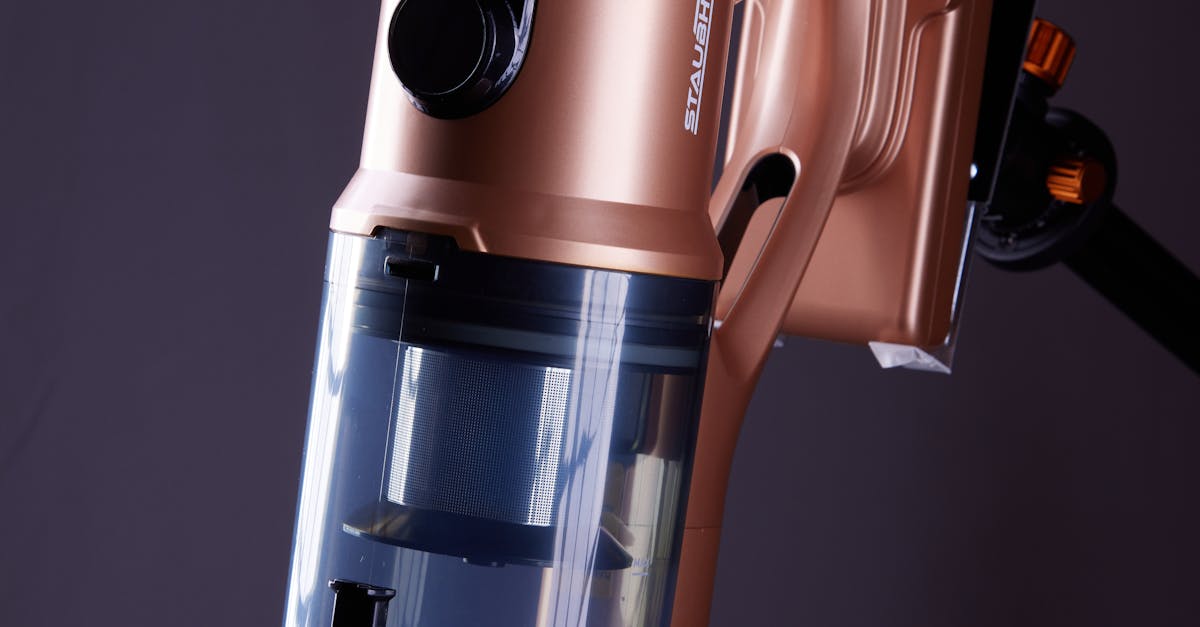
Online reviews and expert tests show that cordless vacuums are best for quick cleaning, but not always for deep cleaning. For example, in a test by Consumer Reports, top cordless models from Dyson and Shark performed almost as well as corded vacuums on hard floors. On thick carpet, however, corded models still won for deep cleaning.
Most owners love the ease of use and how often they actually clean because it’s so fast. However, some are disappointed by the need to recharge, small bins, or the cost of replacing batteries.
Here’s a quick summary of what users often share:
| What Users Love | Common Complaints |
|---|---|
| Lightweight and easy to use | Short battery life (especially on max power) |
| Quick for daily cleaning | Small bin needs frequent emptying |
| No cord to manage | Expensive, especially high-end models |
| Great for stairs and cars | Batteries wear out over time |
Non-obvious Insights: What Many People Miss
- Battery Performance Drops Over Time: Most batteries slowly lose capacity after 1–2 years. If your vacuum is losing run time, it may need a new battery—something many buyers don’t expect.
- Suction Drops When the Bin or Filters Are Dirty: Cordless vacuums can lose power fast if you don’t clean the dust bin and filters regularly. This isn’t just about emptying the bin—it’s about washing or tapping out the filter every few weeks.
- Attachments Make a Big Difference: The right attachment can make your vacuum much better for pet hair, hard floors, or cars. Some brands charge extra for useful tools—check what’s included before you buy.
- Some Cordless Vacuums Are Not Designed for Wet Messes: Unlike some shop vacs, most cordless models are not built for wet spills. Using them on liquids can damage the motor or battery.
Are Cordless Vacuums Worth The Money?
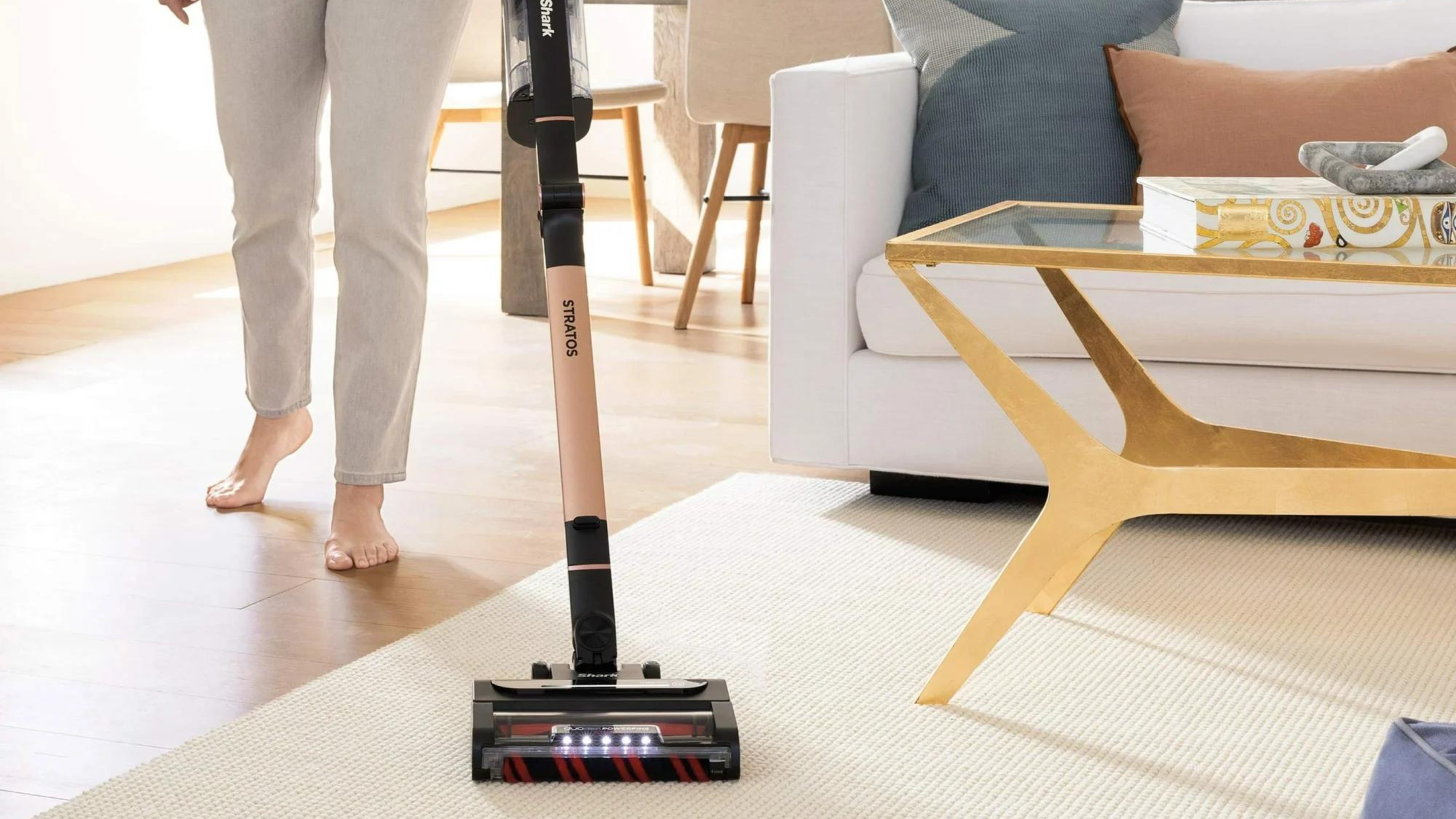
The answer depends on your needs and cleaning habits. For many people, the convenience of cordless vacuums means they clean more often, with less effort. If you mostly clean hard floors, stairs, and quick messes, a cordless vacuum can be a great investment.
But if you have a large home with lots of thick carpet, or want to do deep cleaning less often, a powerful corded model may be the better choice for the same price.
For best results, some families use both—a cordless vacuum for daily cleaning and a strong corded vacuum for weekly deep cleaning.
Top Cordless Vacuum Brands And Models
If you decide cordless is for you, here are some of the top brands and their popular models:
- Dyson: V8, V10, V11, V15 (known for strong suction and smart features)
- Shark: IONFlex, Vertex (good value, strong performance)
- Tineco: A11, Pure One S12 (smart sensors, quiet operation)
- Bissell: ICONpet, Air Ram (pet-friendly, affordable options)
- LG CordZero: A9 series (removable batteries, strong suction)
Before buying, check the latest reviews and prices. Features change quickly, and new models come out every year. For updated comparisons and user ratings, you can visit Consumer Reports.
Frequently Asked Questions
How Long Do Cordless Vacuum Batteries Last?
Most batteries last 2–5 years, depending on use and care. Over time, the battery will hold less charge. Some models offer replaceable batteries, making it cheaper to keep your vacuum working longer.
Can Cordless Vacuums Clean Carpet As Well As Corded Vacuums?
Cordless vacuums have improved, but most still have less suction than top corded models—especially for deep carpet cleaning. For thick carpets, a corded vacuum may still perform better.
How Often Should I Clean The Filters?
Clean the filters at least once a month, or more if you have pets or allergies. A dirty filter reduces suction and can overheat the vacuum. Always follow the instructions in your vacuum’s manual.
Are Cordless Vacuums Safe For People With Allergies?
Some cordless vacuums have HEPA filters, which trap small dust and allergens. Check if the model you choose has this feature. Not all cordless vacuums filter as well as high-end corded models.
Is It Worth Buying A Cordless Vacuum If I Already Have A Corded One?
Many people find that a cordless vacuum makes daily cleaning much easier. Even if you keep your corded vacuum for big jobs, using a cordless for quick cleanups can save time and effort.
Choosing a vacuum is personal. For many, the freedom and speed of cordless vacuums are worth the cost. For others, a classic corded vacuum may still be the best tool for heavy-duty cleaning. Consider your space, habits, and what really matters most in your daily routine.

