

Are Bagged Vacuums Better For Pet Hair?
When you share your home with furry friends, pet hair can become a constant battle. It clings to carpets, furniture, and even your clothes. For many pet owners, a vacuum cleaner is their most important weapon. But with so many types of vacuums available, it’s hard to know which one is best. This is where the question of bagged vs. bagless vacuums for pet hair comes in. Many people wonder if bagged vacuums are a better choice for tackling stubborn pet fur.
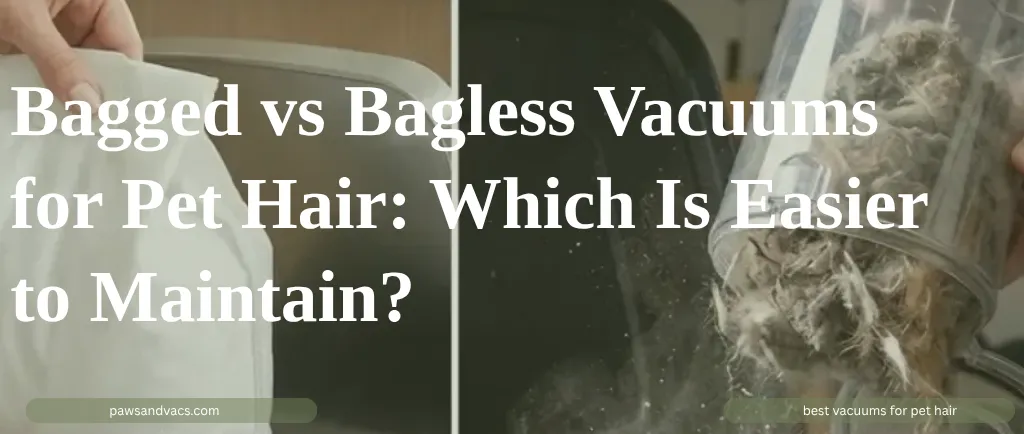
Bagged vacuums use a disposable bag to collect dirt and debris, while bagless models use a bin that you empty. Each type has its pros and cons, especially when dealing with the unique challenges of pet hair, like dander and allergens.
Let’s explore how bagged vacuums perform in this specific role.
How Bagged Vacuums Work
A bagged vacuum cleaner collects dust, dirt, and pet hair inside a disposable bag. As the vacuum sucks up debris, it passes through a filter and then into the bag. This bag acts as a primary filter, trapping most of the particles. When the bag is full, you simply remove it and throw it away, replacing it with a new one.
This system is designed to keep the collected debris sealed inside. This can be a significant advantage for people with allergies or sensitivities, as it minimizes the release of dust and dander back into the air during operation and disposal.

Advantages Of Bagged Vacuums For Pet Hair
Bagged vacuums offer several benefits that make them a strong contender for pet owners. Their primary advantage lies in containment.
Superior Allergen And Dander Control
Pet dander is a common trigger for allergies. Bagged vacuums excel at trapping this fine dander along with pet hair. The disposable bag acts as a barrier, preventing allergens from escaping back into your home’s air. This is a significant plus for households with allergy sufferers.
When you empty a bagless vacuum, dust and dander can become airborne. With a bagged vacuum, you seal the mess away. This means less exposure to allergens during both vacuuming and emptying.
Cleaner Disposal Process
Disposing of a full bag is generally a cleaner process than emptying a bagless bin. You simply seal the bag and throw it away. This reduces the chance of coming into contact with the collected dirt, hair, and dander.
For pet owners, this is important because pet waste, hair, and dander can be quite unsanitary. A clean disposal method helps maintain a healthier home environment.
Consistent Suction Power
While not always true, many bagged vacuums maintain consistent suction power for longer. As the bag fills, the airflow is still directed efficiently. In bagless models, suction can sometimes decrease as the bin gets full and the filters become clogged.
This consistent power means your vacuum can continue to pick up pet hair effectively throughout the cleaning session, even if you have a large area to cover.
Extended Filter Life
The bag itself acts as a first line of defense, capturing the bulk of the debris. This means the vacuum’s other filters don’t get clogged as quickly. This can lead to longer filter life and potentially reduce the frequency of filter replacement costs.
Good filtration is crucial for pet hair, as it often comes with fine dander and odors. A system that protects its filters will perform better for longer.
Potential Downsides Of Bagged Vacuums
Despite their advantages, bagged vacuums also have some drawbacks that pet owners should consider.
Ongoing Cost Of Bags
The most significant downside is the ongoing cost of replacement bags. These bags are a consumable item and need to be purchased regularly. The price can add up over time, especially if you vacuum frequently.
You also need to ensure you can find the correct replacement bags for your specific vacuum model. This can sometimes be a hassle.
Less Visibility Of Dirt Level
With a bagless vacuum, you can easily see when the bin is full. Bagged vacuums don’t offer this visibility. You have to rely on checking the bag’s fullness or noticing a drop in suction.
This can sometimes lead to overfilling the bag, which can reduce suction and potentially cause issues if debris escapes.
Environmental Impact
Disposable vacuum bags contribute to landfill waste. While convenient, they are not the most environmentally friendly option. Bagless vacuums, on the other hand, can be emptied and reused, reducing waste.
However, some argue that the manufacturing and washing of reusable filters in bagless vacuums also have an environmental footprint.
Bagged Vs. Bagless: A Comparison For Pet Owners
Let’s look at how bagged and bagless vacuums stack up specifically for pet hair challenges.
| Feature | Bagged Vacuum | Bagless Vacuum |
|---|---|---|
| **Pet Hair Pickup** | Excellent, especially with good brushroll | Excellent, especially with good brushroll |
| **Dander Control** | Superior due to sealed bag | Good, but emptying can release allergens |
| **Odor Control** | Can be better if using scented bags or baking soda | Can be managed with regular cleaning and filters |
| **Maintenance** | Replace bags, occasional filter cleaning | Empty bin regularly, clean/replace filters often |
| **Cost** | Lower initial cost, ongoing bag cost | Higher initial cost possible, no bag cost |
| **Allergy Sufferers** | Generally preferred | Can be problematic if not maintained well |
Specific Features To Look For
Regardless of whether you choose bagged or bagless, certain features are crucial for effectively tackling pet hair:
- Powerful Suction: Pet hair, especially from carpets, requires strong suction to be lifted. Look for vacuums with high air watts or sealed suction ratings.
- Effective Brushroll: A good brushroll is essential for agitating carpet fibers and loosening embedded pet hair. Tangle-free brushrolls are a lifesaver for pet owners, as they prevent hair from wrapping around the brush.
- Multi-Stage Filtration: This is vital for trapping dander and allergens. Look for HEPA filters, which capture 99.97% of particles as small as 0.3 microns.
- Specialized Attachments: Tools like a mini motorized brush or a crevice tool are invaluable for cleaning upholstery, stairs, and tight spots where pet hair accumulates.
- Durability: Pet hair can be tough on vacuums. Choose a model built with sturdy materials that can withstand frequent use.
Are Bagged Vacuums The Best Choice For Pet Hair?
In my experience, bagged vacuums often have an edge for pet owners, particularly those with allergies or asthma. The superior containment of dander and allergens is a significant benefit. The cleaner disposal process also contributes to a healthier home environment.
However, the ongoing cost of bags is a factor to consider. If allergies are not a major concern and you are diligent about emptying and cleaning the bin and filters, a well-designed bagless vacuum can also be very effective.
For example, some modern bagless vacuums have advanced cyclonic technology and excellent filtration systems that minimize allergen release. But for the absolute best in allergen control and a simpler, cleaner disposal, a bagged vacuum is often the preferred choice for pet hair.
Ultimately, the “best” vacuum depends on your specific needs, budget, and priorities. If you prioritize allergen control and a cleaner disposal process, a bagged vacuum is likely a better fit for your pet hair challenges.
Frequently Asked Questions
What Is The Main Advantage Of A Bagged Vacuum For Pet Owners?
The main advantage is superior allergen control. Bagged vacuums trap pet dander and hair inside a sealed bag, preventing it from being released back into the air during vacuuming and disposal. This is particularly beneficial for people with allergies or asthma.
Do Bagged Vacuums Always Have Better Suction Than Bagless Ones?
Not necessarily. Suction power depends on the motor, design, and maintenance of the vacuum. While some bagged vacuums maintain

